
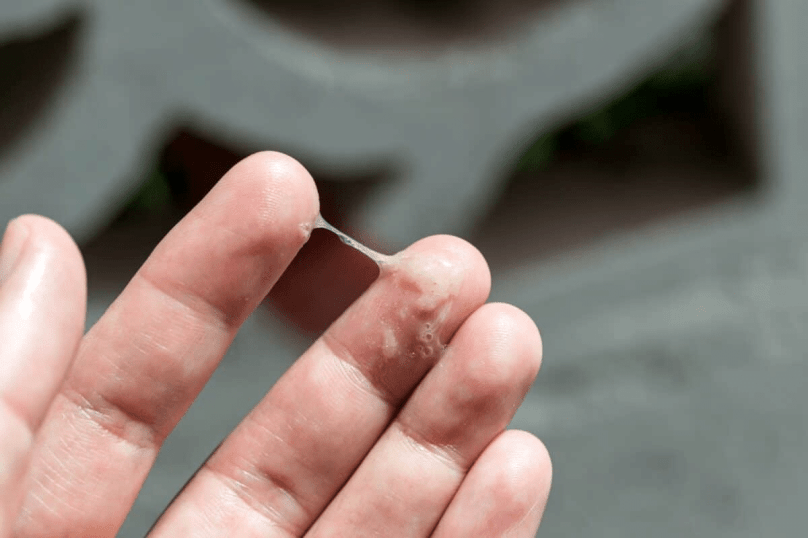
It’s the Hungarian Word for Mucus
For the last couple of days, we have been experiencing a dry Santa Ana offshore wind. It’s like the sirocco in the Mediterranean: When it blows, everyone is uncomfortable. Perhaps the best description of the Santa Ana comes in a story by Raymond Chandler called “Red Wind”:
There was a desert wind blowing that night. It was one of those hot dry Santa Anas that come down through the mountain passes and curl your hair and make your nerves jump and your skin itch. On nights like that every booze party ends in a fight. Meek little wives feel the edge of the carving knife and study their husbands’ necks. Anything can happen. You can even get a full glass of beer at a cocktail lounge.
In my case, my life turns to outputting mucus, wither through sneezing or extensive nose blowing. My handkerchiefs turn soaking wet in minutes, though they can dry quickly if there is a pause in the snot generation.
By the looks of tomorrow’s weather forecast, tomorrow will not be a good day for me, as there will be only 15% humidity and wind blowing at sixteen miles per hour. It will be a good day to sit around with a pile of clean handkerchiefs and read a good book. (Paper towels tend to irritate my skin.)
A note about the Hungarian term that is the title of this blog. According to Google’s AI summary of the work taknyos:
“Taknyos” is a Hungarian adjective meaning “snotty,” “snivelly,” or having a runny nose, derived from the noun takony (snot). It is commonly used to describe children with cold symptoms, or colloquially as an insult for a young, inexperienced person.
- Literal Meaning: Snotty, covered in nasal mucus.
- Colloquial Usage: Can be used to refer to a brat or a young, snot-nosed kid.
- Related Term: Takony (noun) = snot/mucus.
Since I was allergic all my life, the words “takony” and “taknyos” were pretty liberally applied to me by my family and Hungarian friends. I’ve never been able to shake the implication.
 Tarnmoor
Forgive me for thinking thus, but the photograph looks vaguely pornographic.
Hmmm, it does at that.