Some people talk about the wonderful gifts they got for Christmas. Me, I woke up on Christmas morning with a stiff neck. For the last three days, it has constantly reminded me of its presence, especially when I am turning my neck while driving.
I probably should have been applying heat or ice packs to the neck, but for some reason I didn’t. Now i find that this has benefits mainly in the first two days of the neck pains. I guess I’ll just have to exercise my neck through the twinges and maybe take some Ibuprofen.
Most likely (I hope), the whole thing will disappear within a few days.
Now if only my Niagara of a sinus would do the same!
My dentist always twits me about my chewing my teeth into oblivion. I do not think I grind my teeth at night, but she thinks I do. And there are the ruined sites of three of my long lost upper teeth. two bicuspids and a molar. She also thinks I live on a diet of jalapeño chile peppers.
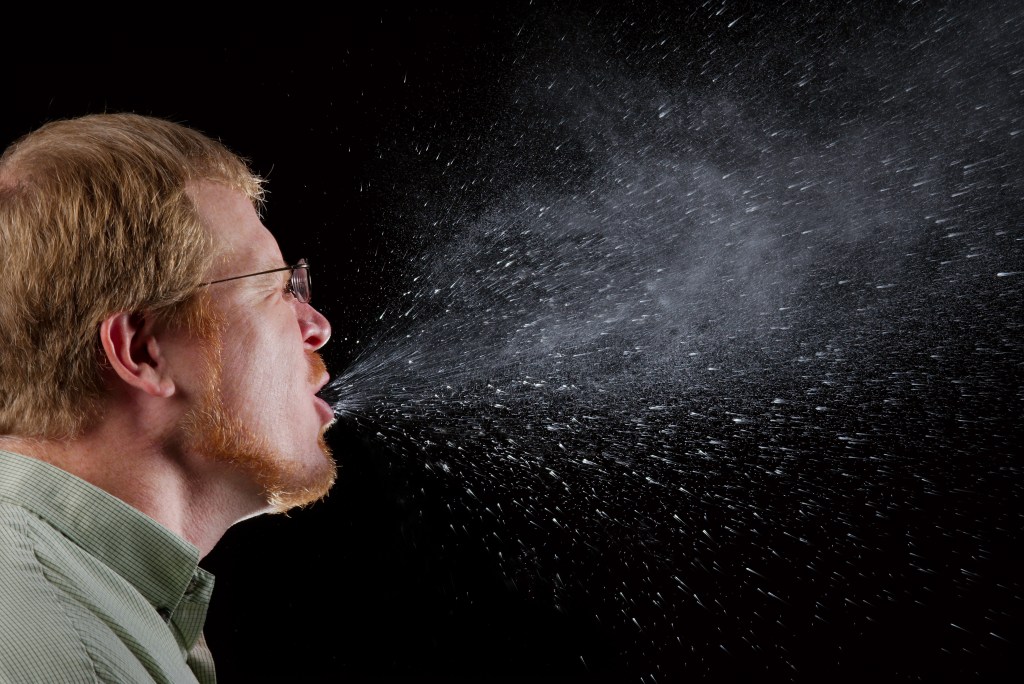
In truth, there is something violent about my visage. Take my sneezes: They are so powerful that I have to be prepared to go to the bathroom after a sneezing fit. I find facial tissues to be useless, as I tend to blow them to smithereens. Like my father, I frequently rupture a capillary when I erupt. In my case, it’s usually in my left nostril.
Then there are my sinuses. Whenever there is a major change in the weather (which in L.A. means just about always), I turn into mucus man. I frequently wake Martine up with my snorting, sneezing, and nose-blowing. As she has a tendency to be insomniac, she usually requests that I transfer my drainage to the couch in the living room.
Then, too, my eyelids are constantly irritated with blepharitis. In certain times of the year, usually winter, spring, summer, and fall, my eyelids itch and generate an annoying discharge.
What’s next for me? Great gobs of earwax sticking out of my ears? Saliva that roars like a waterfall? Is my head just too damned loud?
Teeth Are Not Always What They’re Cracked Up To Be
It started about a month ago. One of my upper bicuspids felt loose with several millimeters of give. I toyed with the notion of grabbing the tooth and yanking it out by main strength, but I decided to seek professional help instead. Of course, a visit to the dentist is bound to cost big bucks, so I had to take a pension distribution in preparation.
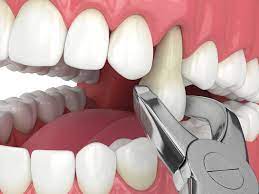
This afternoon, I finally went in to see Dr. Sakurai. She took one look at my wiggly tooth and, knowing my mouth from past experience, said she suspected the tooth was cracked. So she x-rayed it and, sure enough, there was a horizontal crack halfway down. It came out in two pieces.
Most people would just get a denture, but it seems I’ve inherited a special sensitivity to any pressure on the roof of my mouth from my father. Many times I remember him stopping in the middle of a meal, turning purple, and ejecting his dentures by force across the dinner table. (But then, of course, my parents got their dentures for free courtesy of the Peoples’ Republic of Hungary.)
The other option is super expensive: to get dental implants. Unfortunately, it would be even more expensive for me, as I would have to have an anesthesiologist handy in case I didn’t come out of the anesthetic properly. That is because, lacking a pituitary gland, my body does not produce adrenaline; and sometimes I need adrenaline to come out of the anesthetic.
Fortunately, my missing teeth are to the side, so I don’t yet have a jagged smile. Unfortunately, I may yet; as extractions frequently cause problems to the adjacent healthy teeth. So it goes.
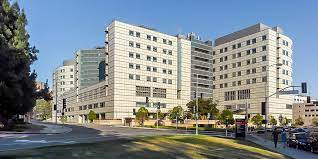
My recent stay at the Intensive care Unit (ICU) of UCLA’s Ronald Reagan Medical Center taught me some home truths about medical care in America today. If you are there because you show symptoms of one of the major diseases which could lead to death, you will likely be well cared for. I am talking about heart disease, cancer, Covid-19, preventable injury, stroke, respiratory disease, and so on.
But if your problem is of a more unusual nature, requiring a specialist to be on call that is not in the top ten leading causes of death, things can get a little dicey. The first time I showed up in an emergency room for an Addisonian Crisis was eighteen years ago in San Diego. I was admitted to the Tenet Hospital in that city and was assigned to a physician who insisted on testing me on bodily functions I no longer had. He repeatedly refused to talk to my endocrinologist in Los Angeles, Dr. Julia Sladek. Thereupon, Dr. Sladek urged me to check out of the hospital against the advice of Dr. X, who was not only incompetent, but willfully stubborn.
Even in Los Angeles, the first time I checked into the UCLA Medical Center with an Addisonian Crisis, I was kept there for several days being tested every which way by a team of cardiologists, oncologists, etc. until someone finally listened to me and called in an endocrinologist, who hailed from India. She knew at once what was happening, saw that I was over the crisis, and had me discharged from the hospital in record time.
Fortunately, that visit is now a matter of record and is consulted every time I am admitted to any UCLA hospital (there is also one in Santa Monica). I am no longer poked and prodded beyond my endurance for days while a series of well-meaning doctors who know little to nothing about panhypopituitarism (which is to say, complete lack of a pituitary gland).
In fact, I didn’t see an endocrinologist my last two visits. Thank God for those computer records!
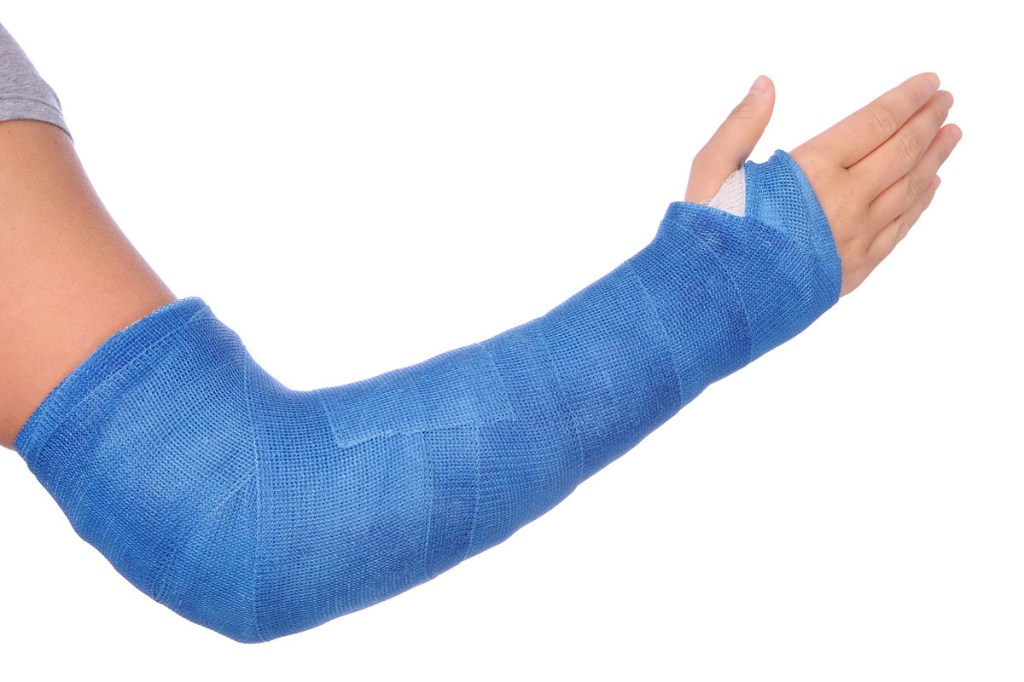
Today, I took Martine to her orthopedic appointment during a major rainstorm. By the time we left, Martine had replaced the punishing cast that tortured her right arm for the last six weeks with a smaller, more lightweight Ossür Formfit “Wrist Universal” manufactured in, of all places, Iceland.
That means that I am now free to leave Martine at home without worrying that she would be unable to perform some simple everyday task like tying her shoes, washing the dishes, and doing the laundry. That also means that I am no longer always on call to help her with those tasks.
Shortly after she broke her wrist late in November, I felt so stressed at having to double my household duties that I underwent an Addisonian Crisis early in December due to the fact that my body no longer produces adrenaline as I lost my pituitary gland years ago due to a tumor. As the month went on, however, I adjusted.
Fortunately, Martine now has the use of her right hand for everything but heavy lifting, at least for the next two weeks. And she could take baths again and wear regular clothes again. Because of the size of the cast on her right arm, she had to wear my shirts and jackets.
Of course, it will be some time before her right arm feels normal. It has been rigidly immobile for the last six weeks, and the fingers of her right hand are still a bit puffy from the pressure of the cast.
As a student at Dartmouth College in the mid 1960s, I spent four years in the second farthest dormitory from the center of campus. Why? It was one of three new dormitories, and many of the older dormitories didn’t appeal to me for various reasons. Initially, my dorm was called Middle Wigwam; then it changed its name to McLane Hall. God knows what it’s called now, as the college erected numerous other buildings in the immediate vicinity and called another building McLane Hall. I certainly hope that the McLanes are happy with that.
There were several problems about being so far from the center, which mostly became apparent in the fierce New Hampshire winter. First of all, the central heating plant was more than a mile away. When the temperature dipped down to -30° degrees Fahrenheit (-34° Celsius), it wasn’t particularly easy to heat the building. Fortunately, I had an electric blanket for those days when the mercury sank way below comfort level. We never needed a refrigerator most of the year: windows were festooned with gallon jugs of apple cider.
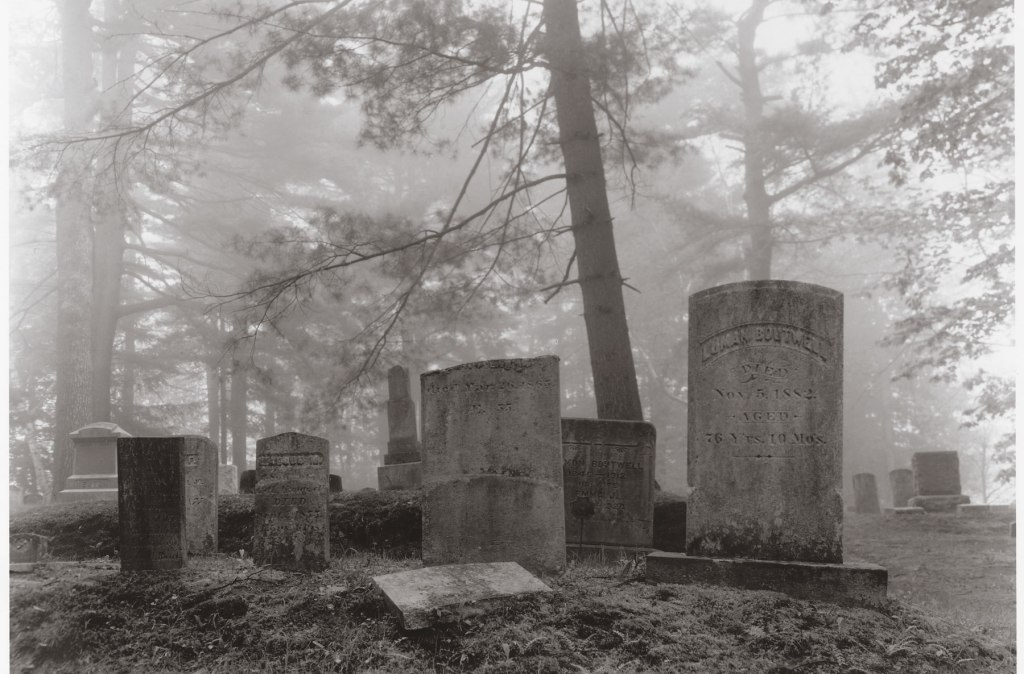
Secondly, in going to and from classes and meals, I had to take a long walk on a frequently icy (and in Spring slushy) Tuck Mall past the Hanover town cemetery, which at night was a scary experience. Many of the graves dated back to the 18th century and looked ominous from dusk on.
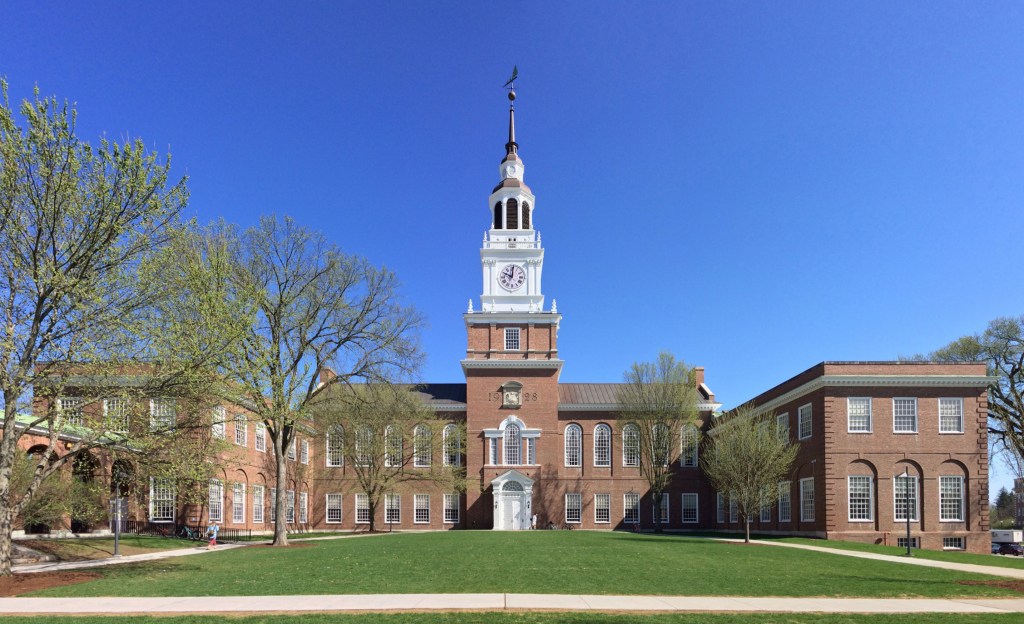
Baker Library (As It Was Called Then) at Dartmouth
In my college years, I was frequently sick with severe frontal headaches that made going to class or the dining hall a misery. It was only after I graduated that I found the cause: a benign tumor was growing in my pituitary gland and pressing on the optic nerve. I was basically a pretty unhealthy young man who was taking long walks every day during the school year. Of course, once I got to my classes or the dining hall, I hung out in the Baker Library (now the Baker-Berry Library) or the Hopkins Center or—that’s where my habit began—the Dartmouth Bookstore.
I was fortunate to have survived my college years. All the times I showed up to the student infirmary, I was told I had migraines or hay fever or some such—pure bosh! But then, in those early years, all they had to go on were X-Rays; and the pituitary, being directly in the center of the head, did not show up well on the X-Rays of the period. MRIs and CAT Scans were all in the future.
Even so, I enjoyed most of my time at Dartmouth. It was a beautiful place, with majestic elm trees all over the place. No more! And the college’s aggressive building program has destroyed much of the campus’s charm.
It all started in September 1966, when I had brain surgery in Cleveland to remove a benign tumor (chromophobe adenoma) that was threatening my life. I was just coming out of a coma caused by extreme pain of the tumor pressing on my optic nerve. Unfortunately, when an ill-trained orderly was assigned to give me a catheter, my woozy brain thought that I was under physical attack, and I struggled with him. That only caused him to try all the harder, which resulted in a scarred urethra which is still with me.
Tomorrow, I visit my urologist for a procedure known as a dilation or a cystogram tray. The doctor sends a catheter with a tiny camera up my urethra all the way to the bladder. The only pain which I think is comparable is a spinal tap.
After I recovered from my brain surgery, I found I had trouble urinating. It reached a crescendo several months later, when during a film screening I was putting on at UCLA, I found I had to urinate—but nothing was coming out. A friend drove me across campus to the UCLA Hospital, where the urologist on duty was sent for, and the passage was widened.
For the next several years, into the 1970s, I had a problem with gradual shutdown of my urethra. Fortunately, in recent years, it isn’t quite so bad. However, my urologist wants me to be dilated every six months. Tomorrow at 11 AM, I go in for my semi-annual torture.
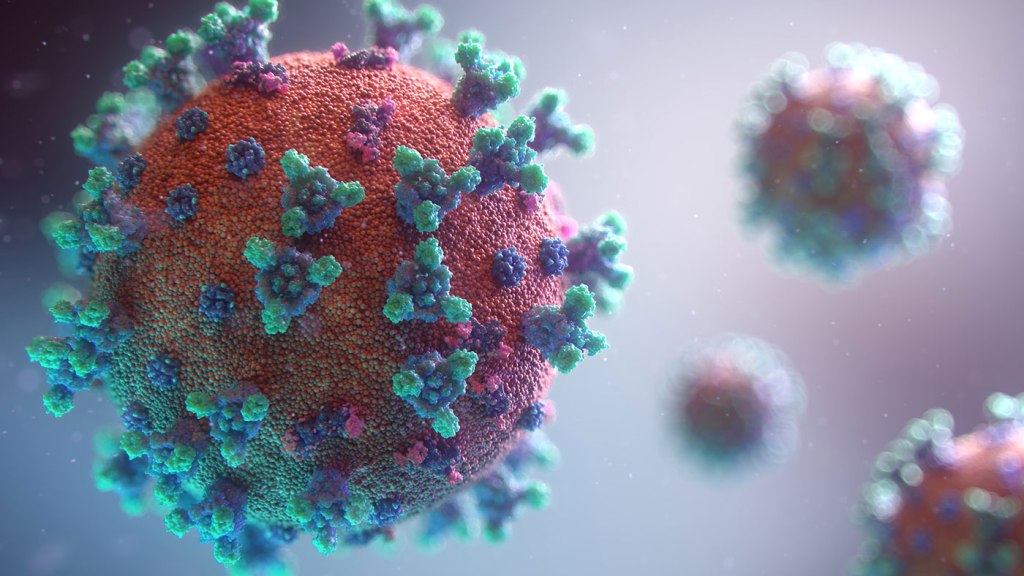
I fought long and hard, but Covid-19 finally caught up with me last Friday. I was super tired and couldn’t get up from bed without effort. At the same time, I had developed a wicked sore throat and a racking cough. At the time, I thought I had just developed a bad cold; so—lacking a pituitary gland—I upped my normal dose of hydrocortisone to help me fight the illness. (Without a pituitary gland, I have no adrenaline.)
On Saturday night, I got a call from a nurse friend of mine who suggested I get tested for Covid-19. Fortunately, I had sent away for free test kits, so I administered the test to myself. Sure enough, I had contracted the coronavirus.
I have no idea how I could have caught it, unless one of my vaccinated friends had it without presenting any symptoms. Or it could have just been a wild fluke, something in the air that suddenly took hold.
Fortunately, I have been vaccinated and boosted, so that by now (Tuesday), my symptoms have grown less; and I even had the energy to read again. Unfortunately, Martine caught the virus from me and has more severe symptoms. She, too, has been vaccinated and is not likely to wind up requiring medical care.
It’s a good thing that vaccines were quickly developed to fight the virus. Else both of us could easily have been at risk of a severe respiratory response.
Dealing with Type 2 Diabetes can be onerous. Even worse than the insulin shots (which I need to do four times daily) are the finger-stick glucose tests. I know I can always give myself an insulin shot anywhere without arousing too much attention, but finger sticks are a different matter entirely.
The problem arises when you have difficulty getting your blood to bead on your finger so that you can apply the test strip and get a glucose reading. Sometimes, I have to stick myself several times, usually painfully, on some of my fingers. My right forefinger is already nerve damaged, so that I have to be very careful about avoiding the nerves on it. On my thumbs and little fingers, I need a thicker lancet to draw blood, currently a 30 gauge. On my other fingers, a narrower 33 gauge lancet is sufficient.
Can you imagine me at a restaurant sticking myself several times with a needle, with a loud “Ouch” from time to time? So when I go out to eat, I don’t usually test myself.
My doctor wants me to test my glucose three times a day, before each meal. Just before each appointment with her, I produce a spreadsheet with the before-meal glucose readings for each day since my last appointment.
Type 2 Diabetes requires considerable attention to detail. This can be rough if you are going out to eat, busy cooking a dinner, or taking a trip. When Martine and I went to Las Vegas last month, for example, I skipped doing the tests
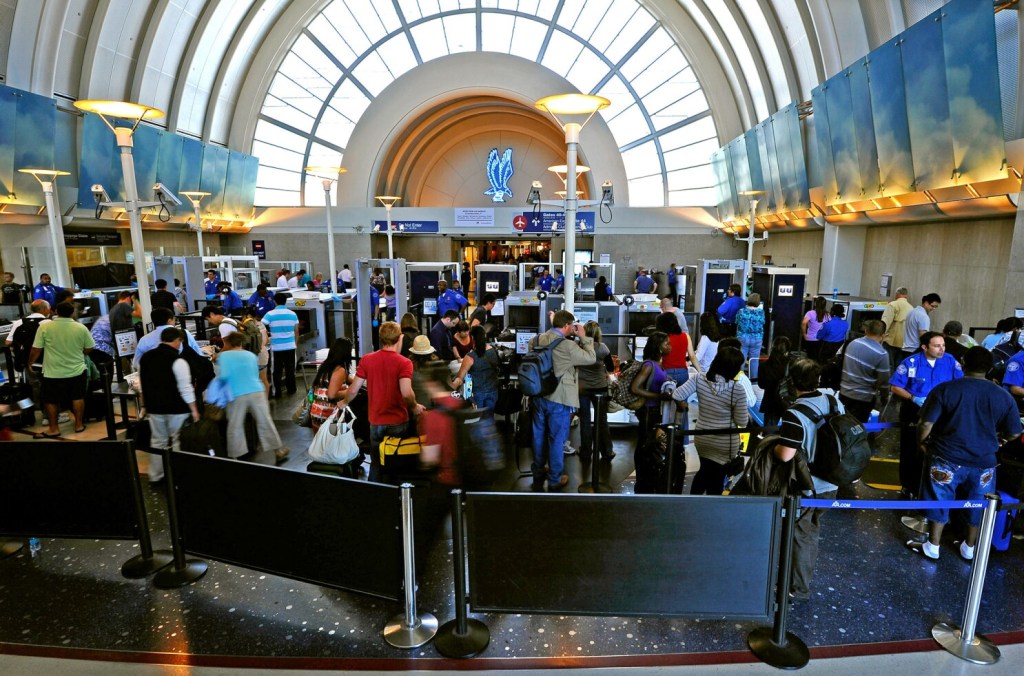
It was the night of January 14, 2020. I was scheduled to take a flight on Volaris to Guadalajara, Mexico, and then on to Mérida in Yucatán. The Tom Bradley International Terminal at LAX was crowded with Chinese returning to their country. Most of the flights were to Beijing, Shanghai, Wuhan, and other major cities on the Chinese mainland. My Mexico flight was one of the few in the wee hours of the morning that was to a Western Hemisphere destination.
A month earlier, on December 1, 2019, a patient was admitted to a hospital in Wuhan in Hubei Province, China, with a strange case of pneumonia. I didn’t know anything about the official Chinese coverup of the disease until around January 24, when I was staying at the Hotel Lopez in Campeche, where I had access to the Al Jazeera news channel in English on my TV. The whole time I stayed there, the news was filled with pictures of Chinese healthcare personnel in hazmat suits. There were just then beginning to be cases of the unknown disease in the United States, Japan, Thailand, South Korea, Viet Nam, Taiwan, and Nepal.
By the time I returned to the United States on February 7, mass quarantines were in effect in various countries around the globe. A month later, in the middle of March, Martine and I attended a Hungarian folk dance performance of Kárpátok before submitting ourselves to the lockdown the next day.
There is an interesting chronology of the first days of the Covid-19 outbreak available by clicking here. Fortunately, we managed to avoid getting the disease; and my fingers are crossed that we never will.




 Tarnmoor
You must be logged in to post a comment.