The Bookseller

Michael R. Weinstein, Bookseller, in His Torrance Store

Booksellers are a hardy breed. Even as the cost of commercial rentals is going up, the unit sales price for most books seems to be holding steady. Five years ago, I stopped at Alpine Village Market in Torrance near the intersection of Torrance Boulevard and Vermont, probably to buy some of their high quality meats and groceries. A few doors down from the market was a used bookstore signed only as Collectible Books. I was pleasantly surprised to see that it was a used book store with a fairly large stock.

The genial owner, Michael R. Weinstein knows his business and has an interesting selection of literature, history, genre fiction, and miscellaneous non-fiction in his labyrinthine store. I cannot pay him a visit without making some sort of find.

I remember when Los Angeles had dozens of used book stores, including three within walking distance of my apartment. No more. I used to go as far afield as Glendale to visit Brand Books, but it is gone. Sam Johnson Books in Mar Vista is still there, but its co-owner, my friend Bob Klein, passed away a couple years ago.

So, Michael, eat a healthy diet, get plenty of sleep and exercise, because I need good booksellers like you to supply me with what I need to make it through the day.

 

The Book of Chilam Balam of Malibu

Southern California Brush Fire

Ten years ago at approximately this time, I was blogging on the Yahoo-360, which I liked and was saddened to see snuffed out. Around this time in 2007, there were extensive brush fires in Southern California. Here is what I wrote on October 23 of that year.

The brush fires that are devouring Southern California bring to mind another catastrophe: The Mayans, trying to cope with the Spanish invasions and the attendant diseases and persecutions, produced a series of prophetic books called the Books of Chilam Balam, the most famous of which is the Book of Chilam Balam of Chumayel. A copy of the Roys translation is available on the Internet by clicking here.

Here is a brief apocalyptic meditation on the fires and several other disastrous “signs and portents” brought to mind by them in the style of (and incorporating some of the words of) the Book of Chilam Balam of Chumayel:

October 21, 2007 at dawn

When our rulers increased in depravity and stupidity
Following the words of their evangelical swineherds
That which came was a drought, according to their words,
When the hoofs of the animals burned,
When the seashore burned,
A sea of misery.

Then the face of the sun was eaten,
Then the face of the sun was darkened,
Then its face was extinguished.

Smoke covered the land
Darkened the clothes hanging on the line
Bringing an acrid stench to the nostrils
And dissatisfaction to the gorges of men.

They awoke in the morning
Restless
With the lining of their noses crusted with ashes
They took ashes with their coffee
Ashes with their water
Until the smell of burning was all that was.

Far out in space
The crystalline sphere of the gods
The smoke was visible
As that which was once alive and green
Now turned dark brown and black
And acrid.

How long will the gods let this continue?
May they abate their devil winds
And waft clouds heavy with rain
Over the blasted hillsides.

May they restore the beauty that was was there.
May men walk in this beauty
And appreciate it as a gift to be cherished.


Revisiting the Cold War

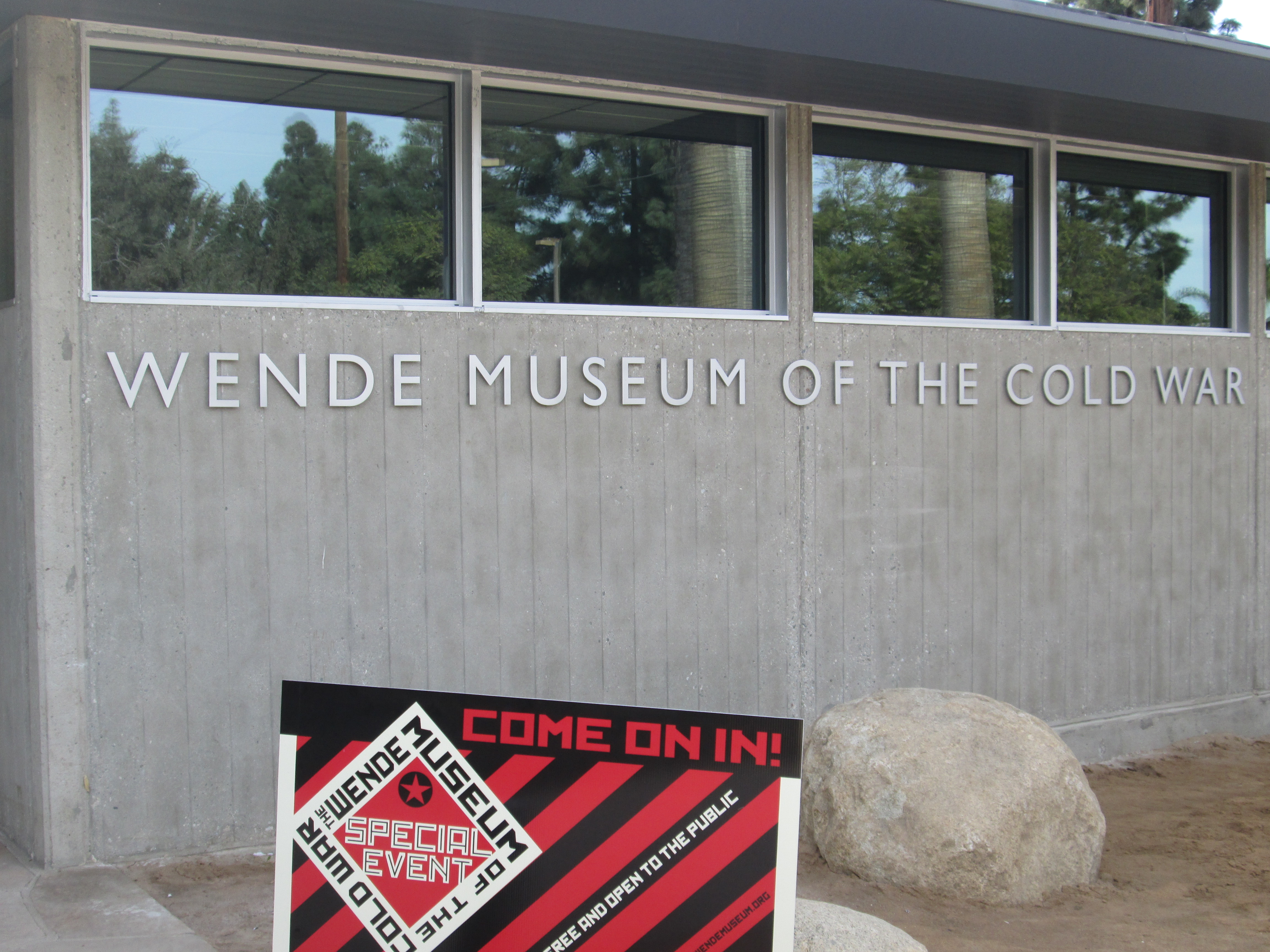
Entrance to the Wende museum in Culver City

Today, Martine and I visited the Wende Museum of the Cold War in Culver City. Located in an old armory building, the museum specialized in the Soviet Union and its satellite nations in the period between the end of the Second World War and the collapse of Communism around 1989.

Although I was not born under Communism, I am an American of mixed Slovak and Hungarian parentage. From my earliest days, I remember my mother putting together packets of clothing to send to our relatives in Hungary. They were packaged in strong white sackcloth, buttressed with rope, and addressed in indelible blue ink.

I had heard of the Wende Museum before. Only within the last few weeks has it moved to its present site on Culver Boulevard just west of Overland. Admission is free, and there is a gift shop.

In 1977 I visited Hungary and then People’s Republic of Czechoslovakia. My parents had flown there separately and met me at Ferihegy Airport in Budapest. We traveled by train to see a festival in Szeged (featuring the opera Aïda), and then went by rail to Kosiče . We were picked up there by my father’s relatives and driven to Prešov-Solivar, where Imre Hrasko and family lived.

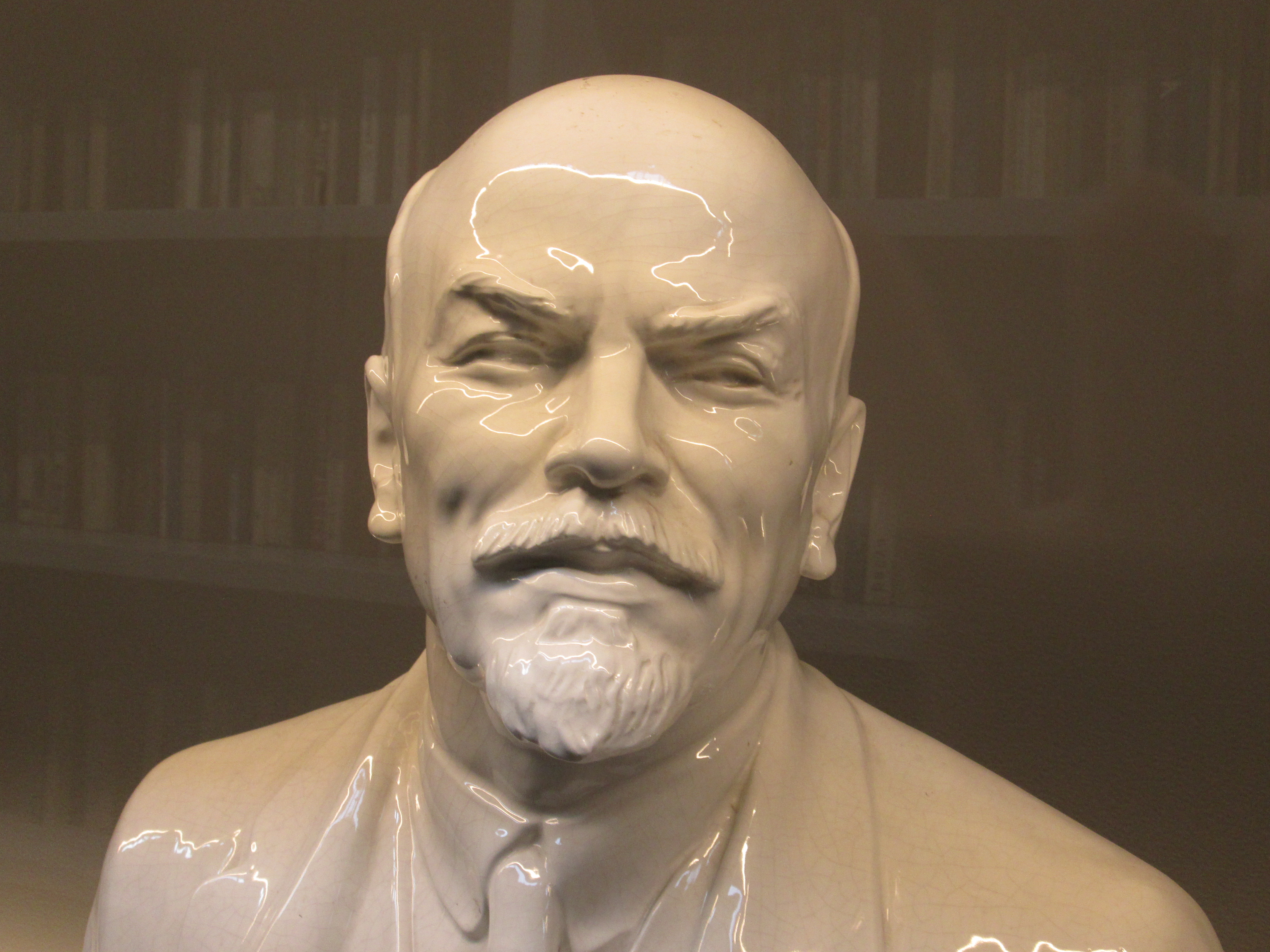
Bust of V. I. Lenin

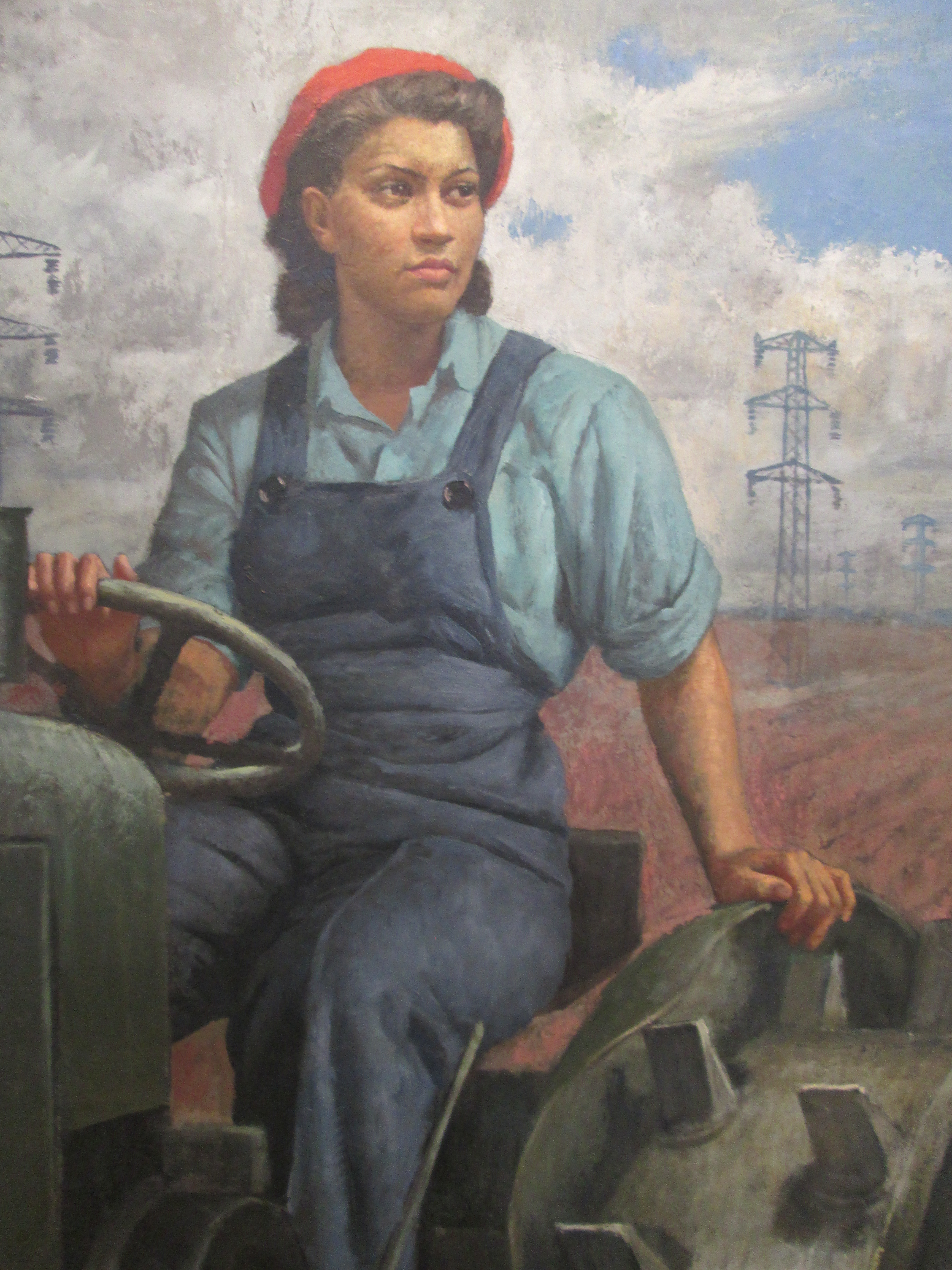
The Wende Museum consisted of several rooms with Soviet and other Cold War memorabilia, including statuary, photographs, posters, models, toys, electronic equipment, thousands of books, and a few videos. Among the videos was a cute East German cartoon about Santa Claus trying to understand what Sputnik (the Soviet satellite launched in 1957) was because it was on so many childrens’ wish lists. So he goes back to the moon, where the Man in the Moon sends him back to Earth. There, at a scientific institute, he finds his answer and looks at a model of the satellite. There were a number of exhibits relating to Russia’s early accomplishments in space.

Hungarian Farm Girl Operating Tractor

It takes about an hour to visit the museum, and guided tours are available. It was interesting to see how clueless the younger visitors were about the Cold War era. Maybe that’s why Trumpf is president today.


Tophet

Sky Full of Ash: The View from My Front Door

The wildfires to the north of us have filled the sky with ashes. When I wake up in the morning, I have to blow my nose to lessen the irritation. The air smells burnt.

According to Wikipedia:

In the Hebrew Bible Tophet or Topheth (Hebrew: תוֹפֶת‎; Greek: Ταφεθ; Latin: Topheth) was a location in Jerusalem in the Gehinnom where worshipers influenced by the ancient Canaanite religion engaged in the human sacrifice of children to the gods Moloch and Baal by burning them alive. Tophet became a theological or poetic synonym for hell within Christendom.

The traditional explanation that a burning rubbish heap in the Valley of Hinnom south of Jerusalem gave rise to the idea of a fiery Gehenna of judgment is attributed to Rabbi David Kimhi’s commentary on Psalm 27:13. He maintained that in this loathsome valley fires were kept burning perpetually to consume the filth and cadavers thrown into it.

In any case, it doesn’t sound very appetizing. There are times when Los Angeles is beautiful and fresh, but that’s only after a rare rain. Other times, it’s like a slow oven. And it could even be cold. When there’s a major earthquake, it feels that you can slide at any moment into a deep crevice near to the fires at the center of the earth.

But, still, it’s better than Cleveland.


How to Misspend a Quasi-Holiday

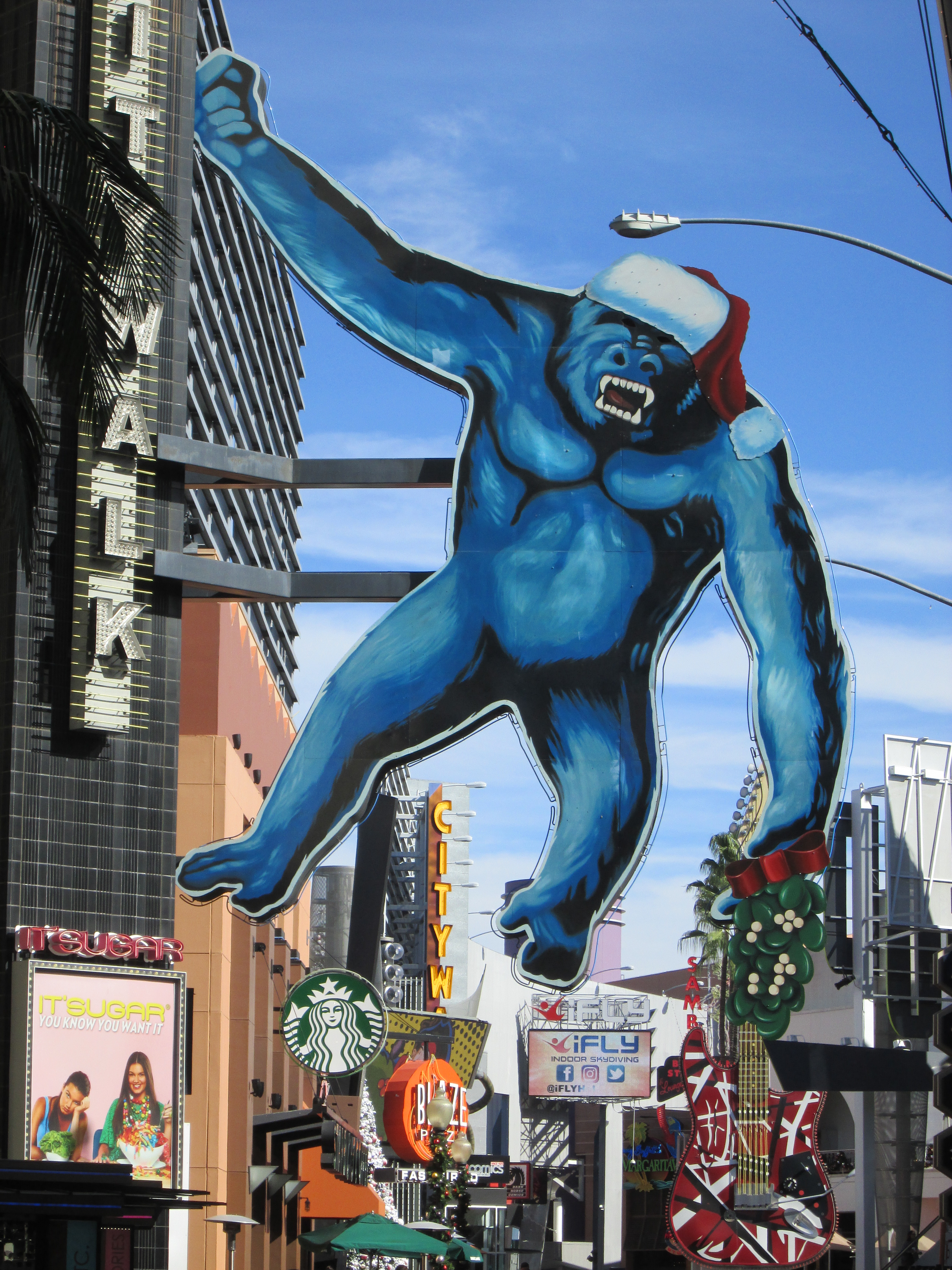
I Didn’t Exactly Go Ape

The day after Thanksgiving is a sort of quasi-holiday. To millions, it’s Black Friday—made specifically for people who love to shop at crowded malls for what they really don’t need. I didn’t want any part of that, so I went to Universal CityWalk, ostensibly to watch a movie. When I got there, I found that of all the movie options, none of them seemed particularly attractive to me. And the shopping choices were mostly for out-of-town-visitors or young people who think that Hot Topic is the place to be seen. (I wouldn’t be seen dead there!)

Fortunately, CityWalk is not a bad place for lunch, if you don’t mind chain restaurants that specialize in the inauthentic. I had a good spicy Polish dog at Pink’s, looked around a bit, and started back home.

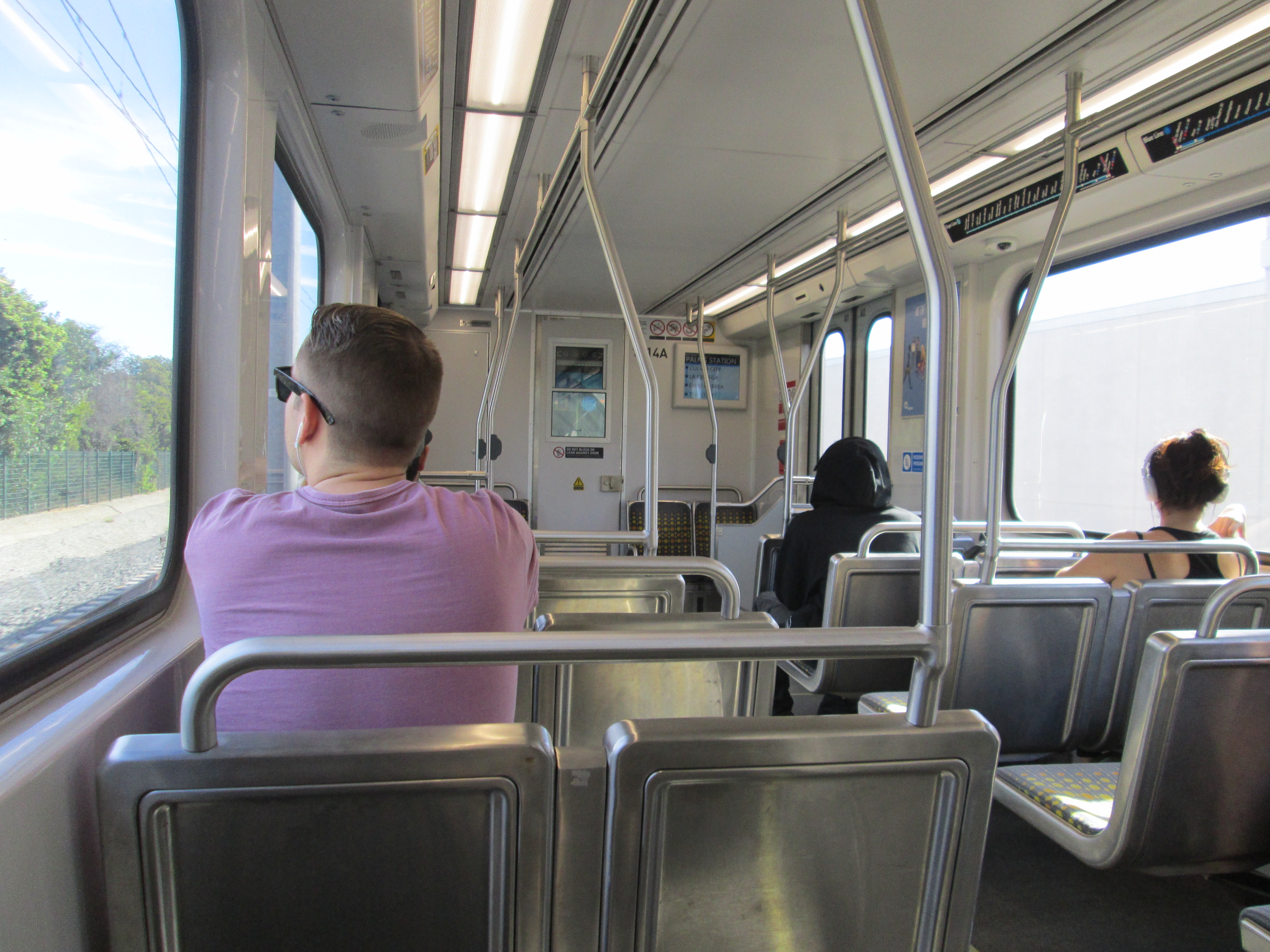
Taking the Expo Line Downtown

Today was not a brilliant success by any measure, but it wasn’t bad. Sometimes it’s fun to watch all the tourists try to wrap their heads around Southern California. Of course, I didn’t take the Universal City Studio Tour, where they mostly congregate, but I saw a few hundred trying to get food or shopping for souvenirs. You can’t find a single book in the place, but there are T-shirts and twonky decorated socks galore.


Desert Oasis

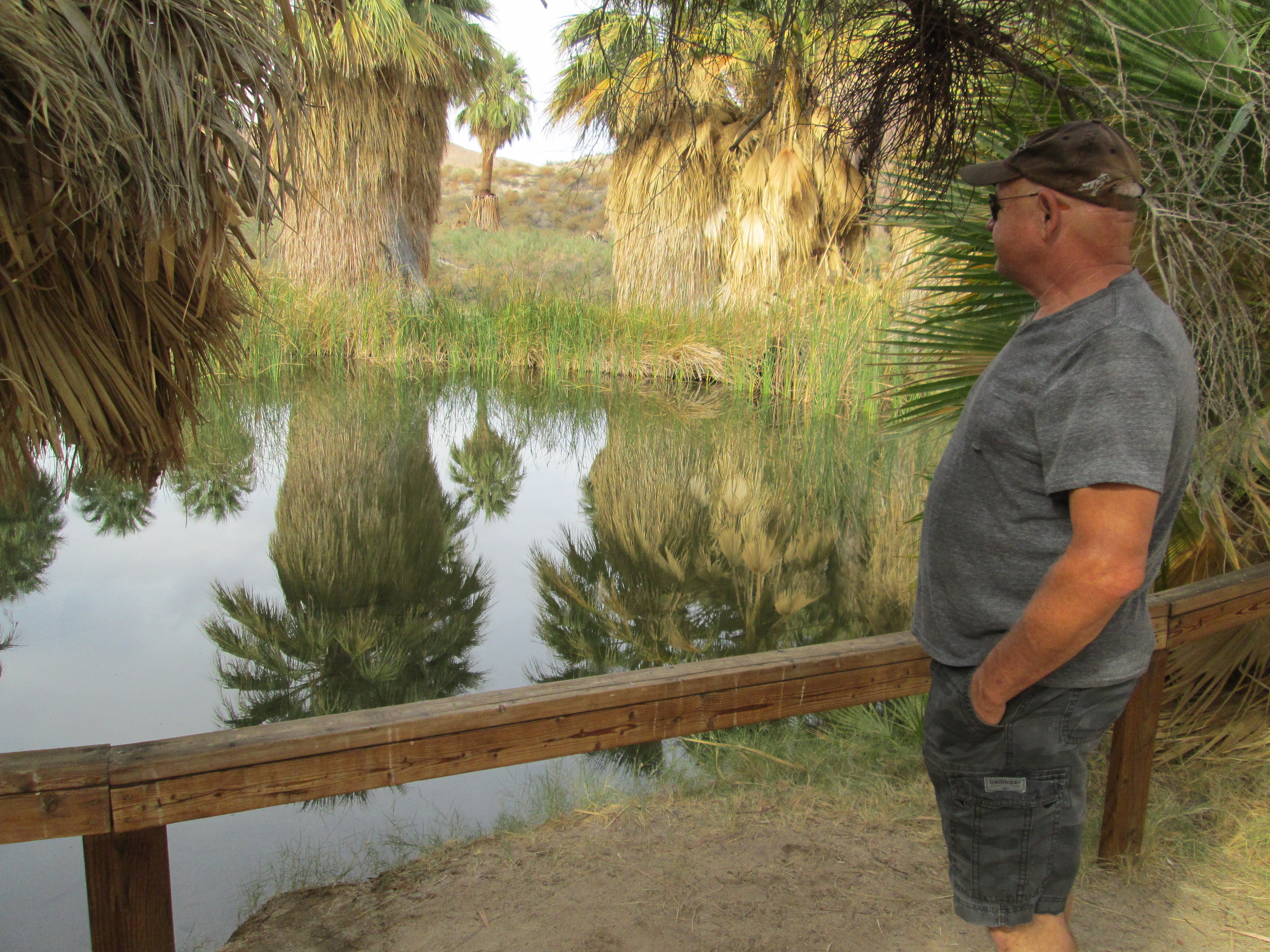
My Brother Dan at Simone Pond in the McCallum Grove

A couple of years back, I did a posting about Thousand Palms, where I took a hike with my brother Dan and Martine. On Sunday, Dan and I hiked farther, to the McCallum Grove, where there was a beautiful pond called Simone Pond. The stunning oasis is a few miles from Palm Desert, just north of Interstate-10 off Ramon Road.

All the palms at this oasis are native California Fan Palms (Washingtonia filifera), unlike the Arabian palms which are now all over Southern California—except at Thousand Palms. The palm groves here are both beautiful and eerie. There is not only a noticeable temperature drop amid these palms, but also a stillness seems to reign. And, at Simone Pond, there is a large body of water in which the trees across the water are perfectly reflected.

I would have to say that this is my favorite place in the whole Coachella Valley. (Second place goes to the Palm Springs Air Museum) at the airport.

Reflected Palms at Simone Pond

The oasis is part of the Coachella Valley Preserve and is managed by the Center for Natural Lands Management. Currently, there are no fees to visit this desert gem. It is well taken care of, as the only trash I saw was a single empty water bottle.

Reading at the Farmers Market

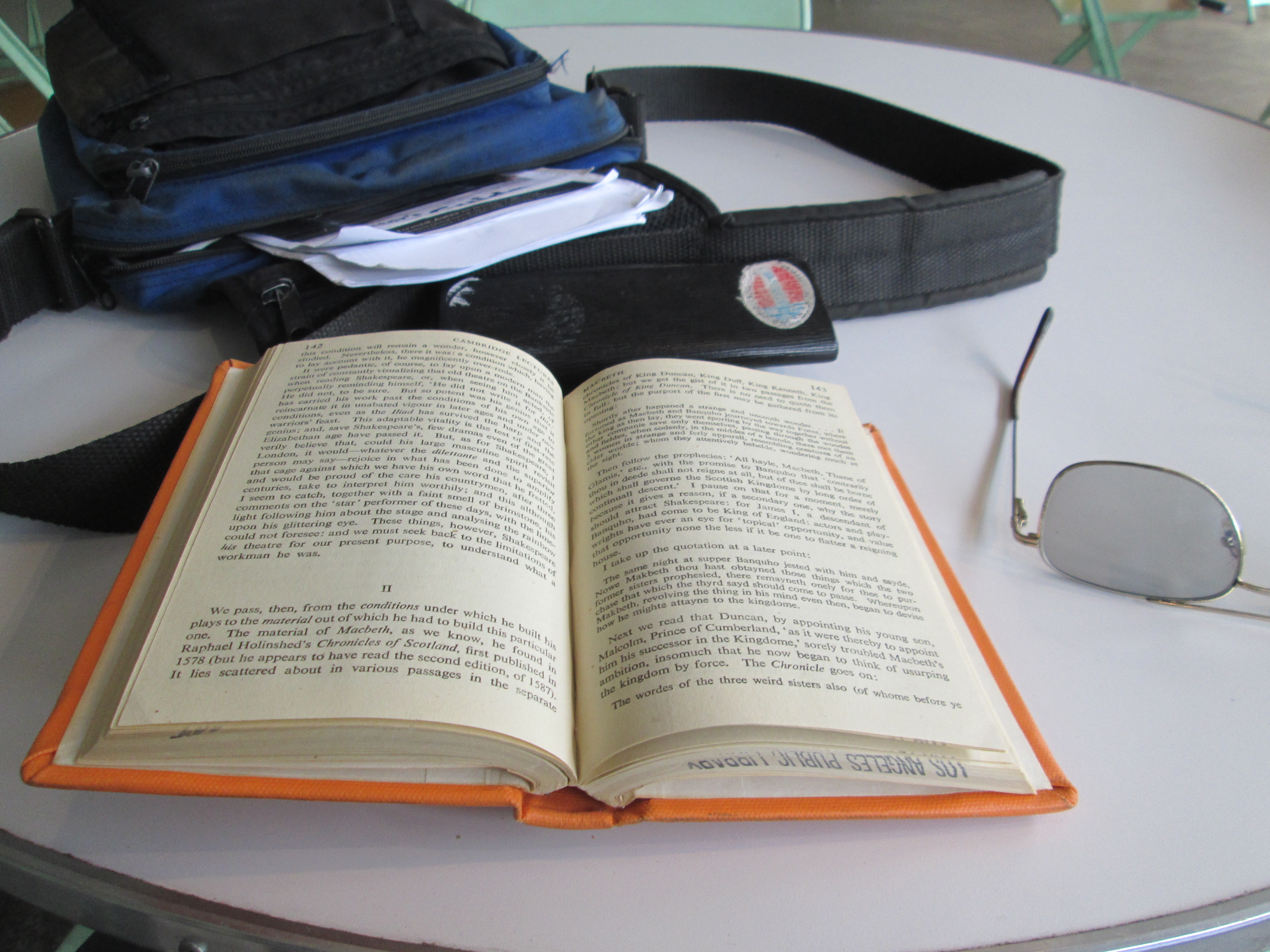
The Book Is Open to Sir Arthur Quiller Couch’s Cambridge Lectures

Today started with a visit to the dentist. Apparently, my teeth are continuing to be ground to powder by the action of my jaws. Within the next year, I will need three crown replacements, beginning next month, with one of my right bottom molars about to be crushed to smithereens. So it goes. After the appointment, I took the 720 bus to Wilshire and Fairfax and walked up to the “Original” Farmers Market at 3rd and Fairfax.

There, I finished reading Saul Bellow’s Ravelstein, which I loved, and dipped into the Cambridge Lectures of Sir Arthur Quiller Couch. I’ll probably give the latter another chance, butit’s not looking good. Too many untranslated quotations in Greek. I can usually tolerate Latin, but Greek, well, it’s Greek to me.

In a Cool Shady Corner of the Market

One of the things I love about the Farmers Market is that I could sit and read for hours without anyone bothering me. So what if all the chairs are of the folding variety. If I need variety, I can always get a nice cup of English Breakfast tea or a tasty Po’ Boy sandwich, which is what I had today. The variety of eateries at the Farmers Market is almost endless: American, Israeli, Chinese, Seafood, Malaysian, Louisiana Creole, Japanese, Mexican, Brazilian, Italian—you name it! And much of the food on offer is high quality.

The Farmers Market is full of European and Asian tourists on a typical day. This morning, a whole busload of French trooped past me while I was drinking a lemonade.

I like the idea that this place is not what the tourists expect when they think of Los Angeles. My guess is that their picture of my city is half a century or more old. The only stars in Hollywood today are on the sidewalks along Hollywood Boulevard.

At the Santa Barbara Zoo and Mission

Meerkat on Guard at the Santa Barbara Zoo

Today I rented a car to take Martine and me to Santa Barbara. My 1994 Nissan Pathfinder has a brake warning light and ABS warning light, requiring me to take it into the shop on Monday. (Even without the warning lights, I would have rented a car. It would be far cheaper than towing the Nissan great distances.)

It doesn’t take long to “do” the SB Zoo, which at 30 acres merits about two hours, more if you want to sit down and take in the atmosphere. It is only a few hundred yards from Cabrillo Beach, which makes it all the better. And today was a relatively cool day.

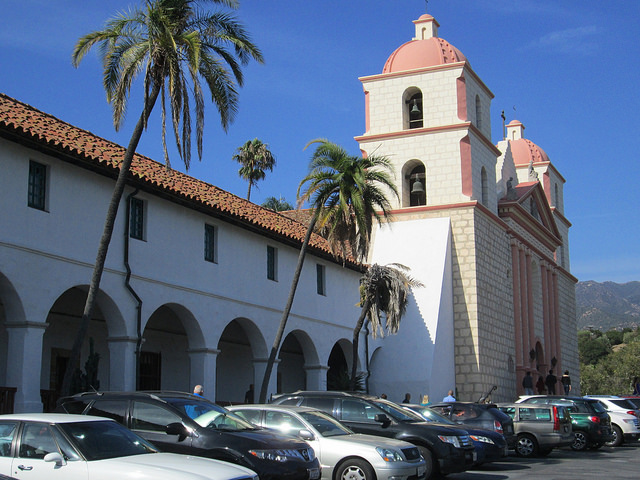
After the zoo, we had some extra time, so we revisited the Santa Barbara Mission—founded in 1789 by Padre Fermín Lasuén, who took over the entire chain of twenty-one missions for Padre Junípero Serra after the latter’s death. I know that the Spanish missions were involved in the suppression of the local Indian tribes, yet remain as so many islands of peace dotting the California landscape.

The Santa Barbara Franciscan Mission

As we were touring the mission’s museum, one of the old Franciscan padres introduced himself to us. He looked frail, probably in his eighties, but was friendly. We toured the old church and the adjoining small cemetery as well. According to a sign in the cemetery, there are some 800 Chumash Indians buried there, not to mention the Spanish conquistadors and subsequent American settlers and their families.

On the way home, we decided to skip the coastal route (there was serious construction on Route 1 in Santa Monica) and the even more crowded U.S. 101 in favor of Route 126 through Santa Paula and Fillmore. It added perhaps ten miles to our trip, but it was more restful driving through all that farm country. Plus, we stopped at Cornejo’s fruit stand near Fillmore to buy some white peaches and plums.

Los Angeles de Meso-America

Mayan Dancers at El Pueblo de Los Angeles

I was looking at some old pictures I had taken near Olvera Street several years ago. There was a Meso-American dance troupe dancing by what passes in L.A. for the city’s zocalo. This was the center of Los Angeles when it was founded in 1781.  There are several 19th century museums, including the Chinese-American Museum and the old firehouse; there is an old Catholic church, Our Lady Queen of Angels; and, of course, there is Olvera Street with its restaurants and Mexican handicrafts.

What I like about the Pueblo is its seeming lack of self-consciousness. There are some scheduled events, such as the annual blessing of the animals by the Catholic Archbishop of Los Angeles that takes place in April. But there is also a lot of spontaneity.

Walk across Alameda Street from the Pueblo, and you find yourself at Union Station, L.A. art deco railroad station, which has since been turned into a rail and bus transit hub. That’s where I first arrived in Los Angeles on the El Capitan in December 1966.

A block or two north, and you’re in Chinatown. Not far south is Little Tokyo, and a mile or two east begins the East Los Angeles barrio.

I find myself in love with the city’s endless variety.


“This Must Be Thursday”

The Richard Riordan Central Library in Downtown Los Angeles

The entire quote is from Douglas Adams, author of The Hitchhiker’s Guide to the Galaxy: “This must be Thursday. I never could get the hang of Thursdays.” And that’s the way I felt when I was working full time in an accounting office. I never did get along very well with my boss (nobody could), so when he cut me back to two days a week, I saw that as an opportunity. I said, “Okay, I’ll work on Tuesdays and Fridays.” Those were days when our late tax manager worked, so my boss couldn’t use me as a highly unqualified tax manager, which he was not above doing.

One Thursday in June 2016, I took the Expo Line downtown and hung out at the Central Library on Fifth Street. Just by chance, I noticed that there was a regular Mindful Meditation session conducted by the UCLA Mindful Awareness Research Center (MARC), and I attended.  And I’ve been attending ever since. I read for a couple of hours in the Literature and Fiction Department on the top floor, and usually check out a couple of books. Then I go to Meeting Room A on the ground floor where the sessions are held.

In more ways than one, the Central Library has become a part of my life. I feel energized by these meditation sessions. Afterwards, I go for lunch either to the Grand Central Market on Hill Street, Little Tokyo, Chinatown, or Olvera Street. Then I take the Big Blue Bus R10 freeway flier back home.

So now I can say I get the hang of Thursdays. It’s one of my favorite days of the week. That leaves Mondays and Wednesdays for doctors’ appointments and miscellaneous explorations of this gigantic city of which I am becoming more of a part as time passes.