
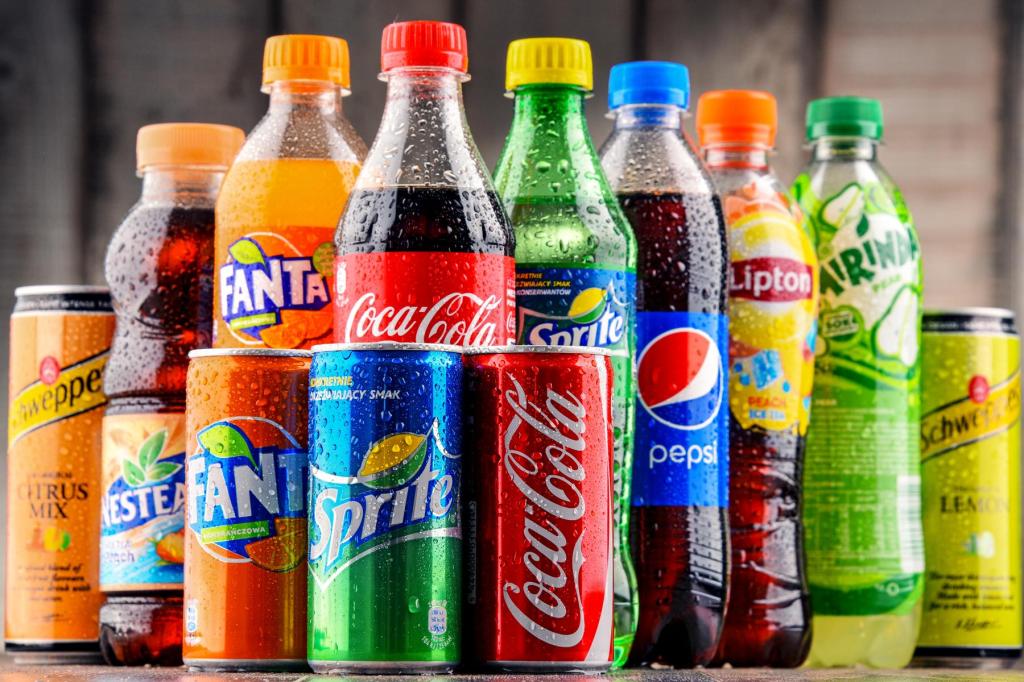
The Many Varieties of Sugar Water
Every time I visit the supermarket, I am amazed by the large variety of sugary drinks, both carbonated and non, and the high price of same. Every so often, I get suckered in to try one, but usually find myself disappointed.
When I travel in Latin America, my usual beverage of choice at restaurants is agua mineral con gas, which is widely available and doesn’t cost much. For some reason, in the United States the beverages are much more expensive, and not always so tasty. I’ve always wondered why this is so.
That’s why at home I usually drink either iced water or my own iced tea, which consists of what remains in my cheap Japanese metal teapot after my breakfast hot tea. Right now, it’s Darjeeling, which makes it much higher quality than the bottled iced teas on the supermarket shelves, and unsweetened to boot. (I am diabetic, so have reason to cut back on sugar at every opportunity.)
As a result, my grocery bill is light on beverages, except for Martine’s low fat milk and distilled water. On the other hand, when I see other supermarket patrons, their carts are loaded down with alcoholic beverages and sweet fizzy water. (For me, the predominant item consists of fruits and vegetables.)
It took many years to switch from the inevitable Coke or Ginger Ale to what I am drinking today. Fortunately, as a result, my blood sugar is manageable, and, I think, my health overall is better.

 Tarnmoor
You must be logged in to post a comment.