

Decaying Buildings in Ghost Town of Bodie, California
I have visited several ghost towns in California and Nevada, but by far the most impressive is Bodie in Mono County, California. Here you will find no Disney-esque reconstructions: The town is as it was in 1915, when most of its inhabitants decided to relocate elsewhere. And when they left, they left most of their goods behind, where they still are today.
And why shouldn’t they? The town sits at an altitude of 8,379 feet (2,554 meters). To reach its, one takes a washboarded gravel road thirteen miles (21 km) from the end of pavement roughly midway between Mono Lake and the town of Bridgeport. During the winter it is bitterly cold. In fact, the town’s founder, variously called William S. Bodey and Waterman S. Bodey, froze to death in an 1860 blizzard while riding to pick up supplies.

Tomb of the Founder of Bodie, in the Ghost Town’s Cemetery
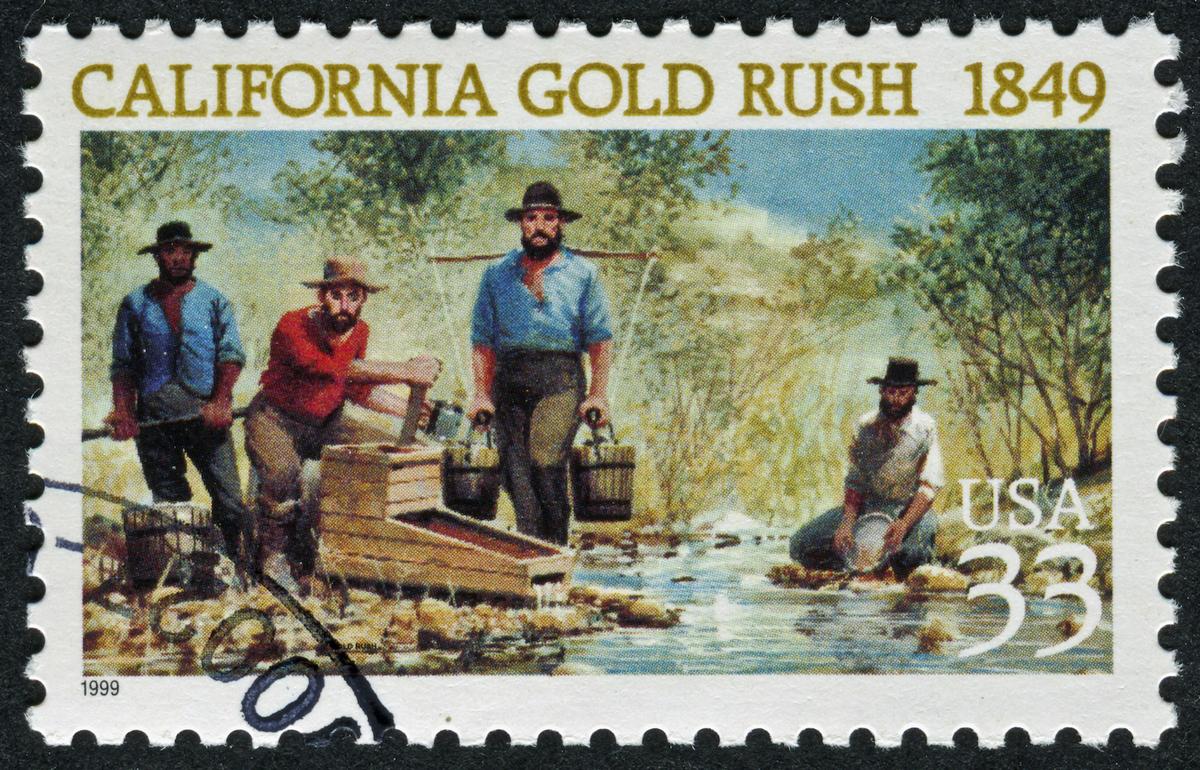
Bodie was a gold mining town. At its outskirts are the ruins of a large stamping mill which is off limits to tourists because of exposed mine shafts and rusting equipment. For a while around 1880, Bodie had a population of 7,000-10,000 people and was one of the largest cities in the State of California. Over the years, the mines there produced some $34 million in gold and silver (in 1986 dollars).
But like most boom towns, Bodie went bust. Today, the Bodie Historical District is a national and California historical landmark. The state had decided to let Bodie remain as it was when it took over in 1962. No attempt will be made to prop up falling buildings, of which there are many.

Buildings Are Allowed to Collapse
When you visit Bodie, you will see a real ghost town. There are no gunfight re-enactments. In fact there are no services, no cafés, no gift shops. There is a rest room in the parking lot, but little else.
 Tarnmoor
You must be logged in to post a comment.