An Embarrassment of Riches

Is This the Attic of Western Civilization?

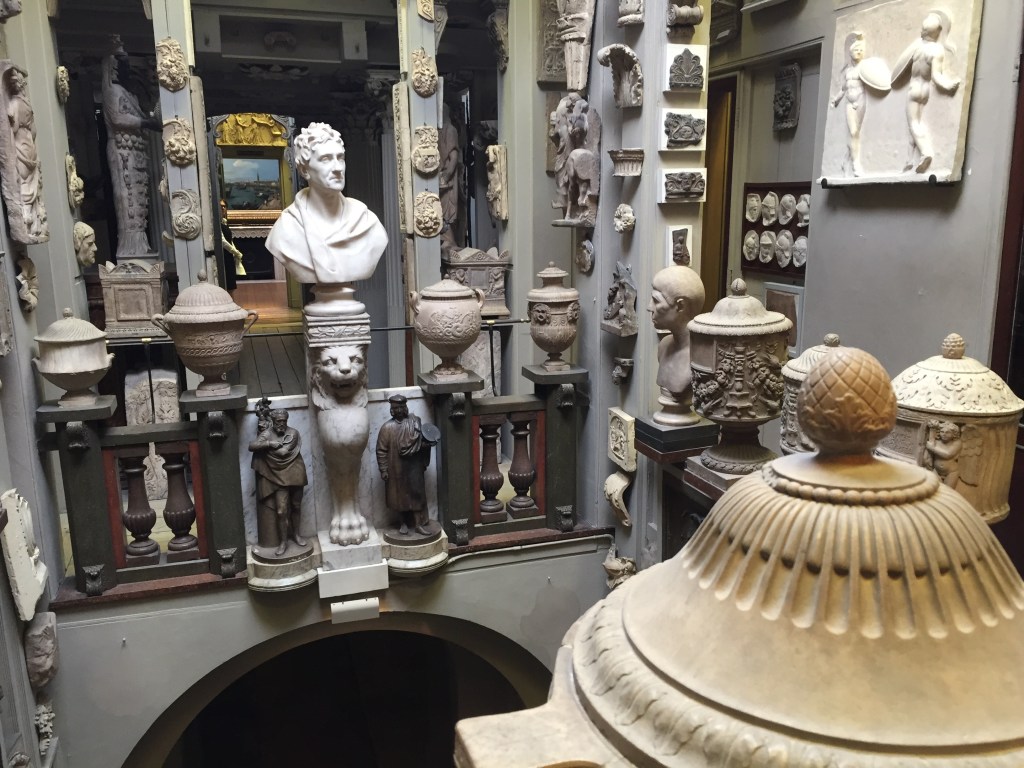
If I were asked to pick my favorite museum, I would have a hard time deciding; but I might very well end up by picking Sir John Soane’s Museum by Lincoln’s Inn Fields in London. Each time I have visited London, I have spent time marveling at the collections represented, whether of Egyptian, Greek, or Roman antiquities or 18th century paintings.

The original Sir John Soane (1753-1837) was the architect who designed the Bank of England, Not the present one, but the old one that was demolished in the 1920s. While I cannot comment on Soane’s skills as an architect, I am nothing short of amazed by Soane the art collector.

Walk through the museum, and it’s as if you were carefully edging your way through an overcrowded attic—except that Soane was no mere hoarder. He is, as it were, at the very pinnacle of a cultivated English artist circa 1800.

Paintings and Sketches Line the Walls from Floor to Ceiling

And I mean English with a vengeance. You would not find anything like this in France. The story of how the museum came to be is archetypally English (quoted from Wikipedia):

The museum was established during Soane’s own lifetime by a private Act of Parliament … in 1833, which took effect on Soane’s death in 1837. The act required that No. 13 [Lincoln’s Inn Fields] be maintained “as nearly as possible” as it was left at the time of Soane’s death, and that has largely been done. The act was necessary because Sir John had a living direct male heir, his son George, with whom he had had a “lifelong feud” due to George’s debts, refusal to engage in a trade, and his marriage, of which Sir John disapproved. He also wrote an “anonymous, defamatory piece for the Sunday papers about Sir John, calling him a cheat, a charlatan and a copyist.”

Oh, you can view the changing of the guards at Buckingham Palace, ride in giant Ferris Wheel in Greenwich, visit the British Museum, but nowhere else could you see the odd genius of a single human being—one who left us a Pisgah view of the 18th century.

Check out the museum’s website if you have a few minutes.

In Praise of Minor Writers

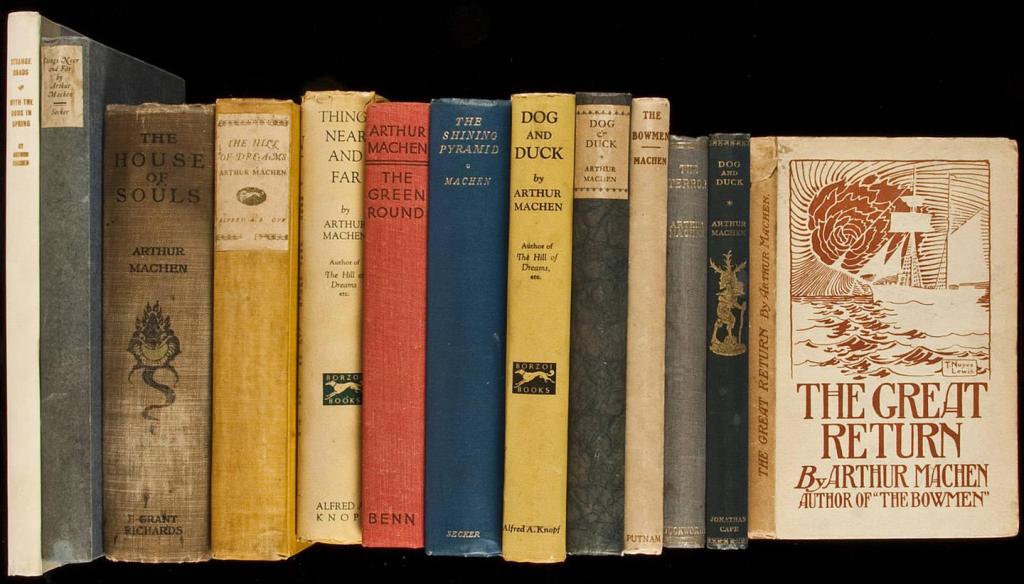
A Collection of Books by Arthur Machen (1863-1947)

Even if you have not read all the famous books by the universally acknowledged great writers, it is fun to root around the work of more minor writers. Such a one is Arthur Machen, born Arthur Llewellyn Jones in Caerleon-on-Usk in Wales. He is probably best known for his early horror stories, particularly The Great God Pan (1894), The Three Impostors (1895), and The Hill of Dreams (1907). You can read these with great enjoyment, but then, too, there are his essays, such as Dog and Duck (1924); his translations, such as The Memoirs of Casanova; and his three-part autobiography.

I have always found that if you cast your net widely, you will come up with a whole slew of interesting writers—and these will inevitably direct you to other works worth reading.

In addition to Arthur Machen, here are some of my other favorite minor British writers:

  • G. K. Chesterton is one of my favorite writers … period … for his novels, short stories, essays, and poems
  • Hilaire Belloc, friend of Chesterton, was born in France and wrote in a number of genres
  • Ernest Bramah, a tea merchant, author of stories starring the blind detective Max Carrados and the Chinese sage Kai Lung
  • Arthur Morrison wrote great mysteries and a very Dickensian novel The Hole in the Wall
  • Some great horror writers: W. W. Jacobs (“The Monkey’s Paw”); M. R. James (Ghost Stories of an Antiquary); Algernon Blackwood (“The Willows”); and Oliver Onions (Widdershins)
  • Richard Austin Freeman, author of the Dr. Thorndyke detective stories

I see that all the above authors were either late Victorian or Edwardian writers. And I notice that the list could have been at least five times as long had I tried harder. But then, I always thought that it was too tempting to go overboard on lists: no more than six bulleted items is best.

The Chiltern Hundreds

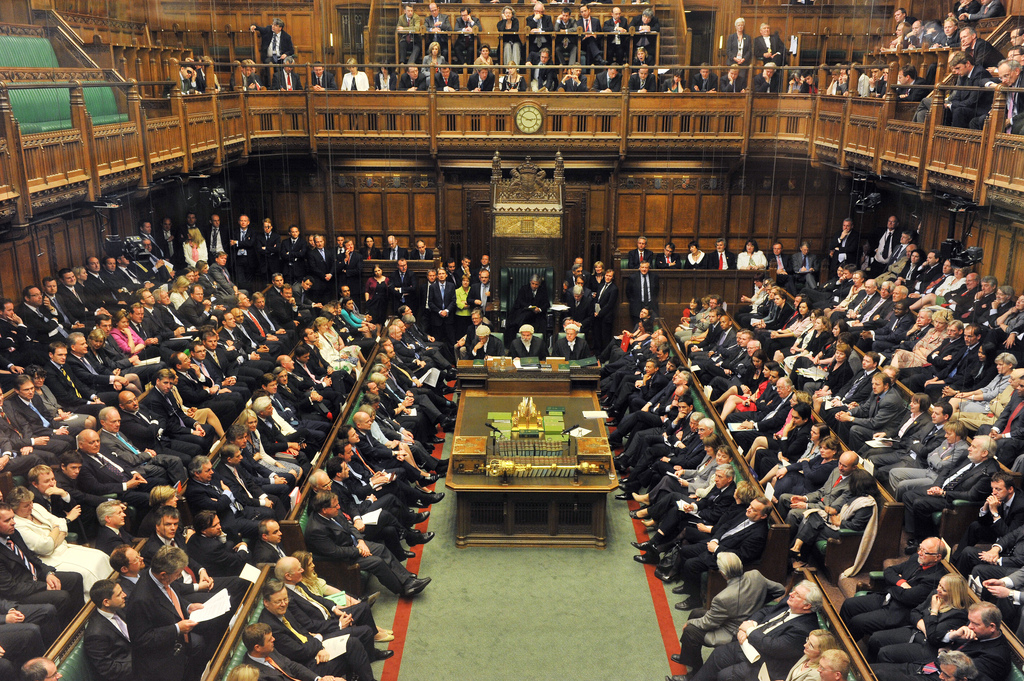
The House of Commons in Session

The House of Commons in Session

Let us say that you were a member of Britain’s House of Commons and wanted to quit your job. If it were anyplace other than the United Kingdom, it would probably be a no-brainer. But in Britain, you have to apply to quit, whereupon you are assigned to a royal stewardship from which you can ease out of office. The two stewardships available for this purpose are:

  • Crown Steward and Bailiff of the Three Chiltern Hundreds of Stoke, Desborough, and Burnham—located in Buckinghamshire.
  • Crown Steward and Bailiff of the Manor of Northstead—located in North Yorkshire.

The Chiltern Hundreds figure in two novels by Anthony Trollope, Phineas Finn and The Three Clerks.

In 1624, the House of Commons passed a measure making it illegal for an Member of Parliament to quit or willfully give up his seat. The Act of Settlement of 1701, amended by subsequent legislation, MPs were excepted who accepted an office of profit under the crown. (Originally, MPs were not paid.)

Over the years, there have been several other crown offices which served the same purposes, but only the Chiltern Hundreds and Northstead remain.

Islas Malvinas

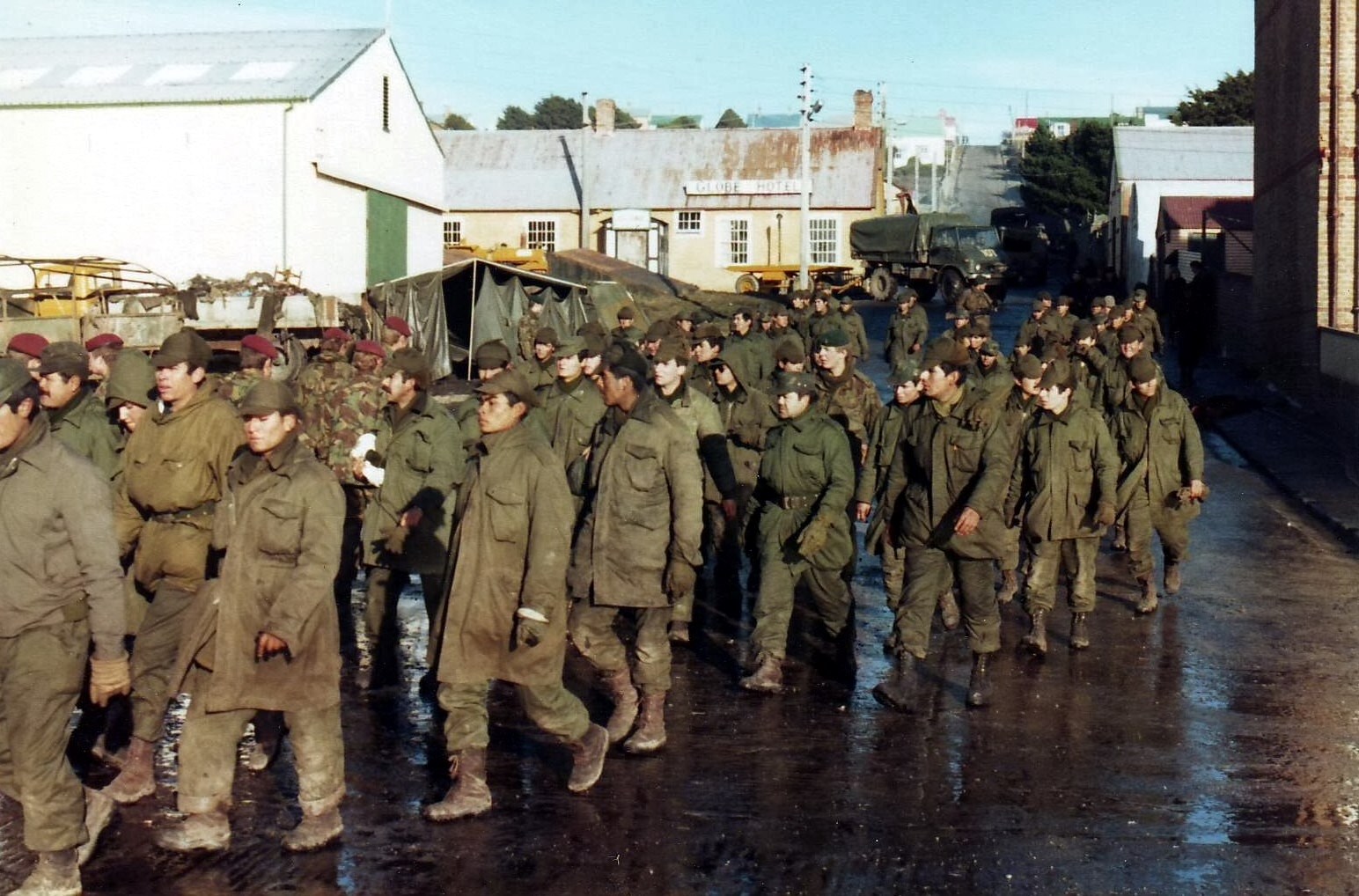
Argentine Prisoners of War in Port Stanley, 1982

Argentine Prisoners of War in Port Stanley, 1982

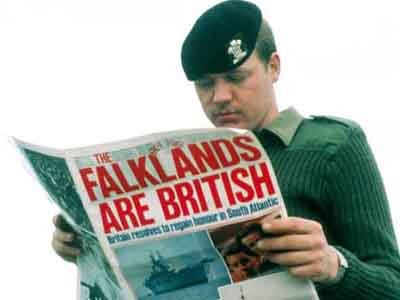
In 1982, Argentina invaded the Falkland Islands, which it had claimed ever since independence from Spain in 1810. However, England and France had also settled the archipelago, though France eventually abandoned their claims to Spain. Argentina could very well have won, except for one thing: Iron Lady Margaret Thatcher was in charge, and she was having none of it. A short but bloody conflict ensued, with the Brits coming out on top. The Argentine junta of General Galtieri promptly collapsed and was replaced by free elections.

To whom do the Falklands rightly belong? A British sea captain  named John Strong discovered the islands in 1690, and Louis Antoine de Bougainville started a French settlement in 1764. There were English, French, Spanish, and Argentinean gaucho settlers in the Falklands; but England decided to lay claim to the whole shooting match in 1833.

That has never sat well with Argentina, which calls the archipelago the Islas Malvinas. The airport in Tierra del Fuego’s Ushuaia is called Malvinas Argentinas International Airport. Streets throughout the Republic bear the name Malvinas. And now the new 50-peso note reiterates the Argentine claim. The country is full of monuments to the war dead, and woe betide any tourist who utters the name “Falklands.”

... for Now Anyhow

… for Now Anyhow

My friend Peter did some filming in the Falklands before the 1982 war, mostly of old sailing ship wrecks which had run aground there after Cape Horn storms. He told me that, although the Falklands are in some of the richest fishing waters on earth, the local English residents all prefer to eat mutton.

Who is right? England or Argentina? My preference goes to the Argeninians, though I doubt that the British would ever step down, especially as there is considerable oil exploration taking place.