
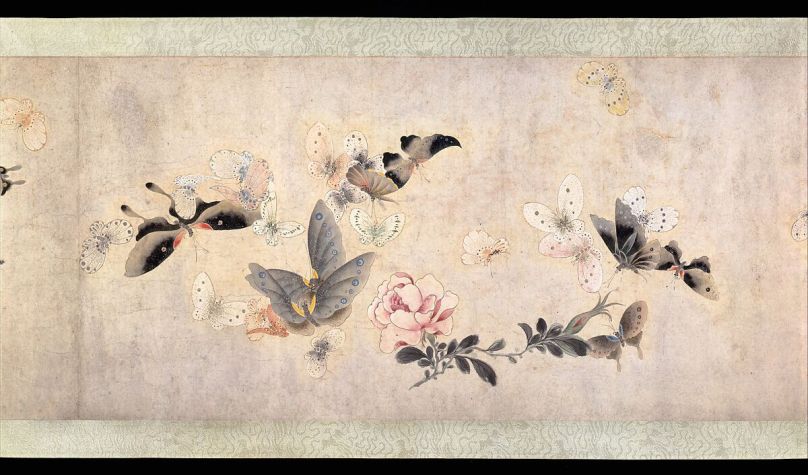
Chuang Tzu and the Butterfly

The two greatest poets of T’ang China were Tu Fu (712-770 CE) and Li Po (701-762 CE). The following poem by Li Po is one of the most profound he ever wrote. The Chuang Tzu (4th century BCE) referred to was the Taoist philosopher and follower of Lao Tzu. Forget all this detail: The following poem speaks for itself.

Chuang Tzu and the Butterfly

Chuang Tzu in dream became a butterfly,
And the butterfly became Chuang Tzu at waking.
Which was the real—the butterfly or the man ?
Who can tell the end of the endless changes of things?
The water that flows into the depth of the distant sea
Returns anon to the shallows of a transparent stream.
The man, raising melons outside the green gate of the city,
Was once the Prince of the East Hill.
So must rank and riches vanish.
You know it, still you toil and toil,—what for?
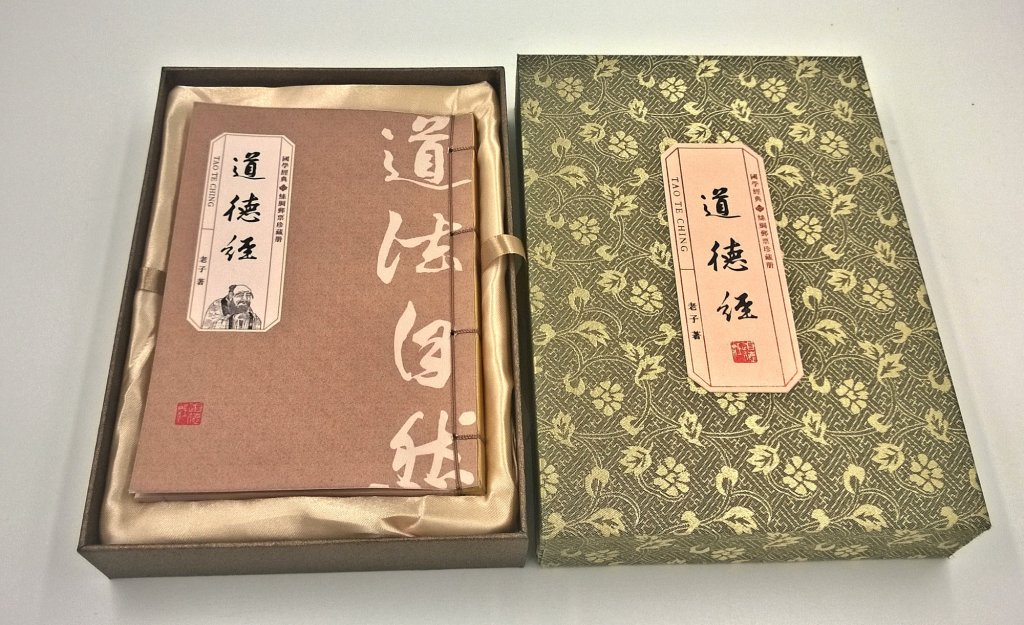
Tao Te Ching #2

The Taoist sage Lao Tzu (floruit BCE 500), author of the Tao Te Ching, is one of those figures at the nexus of three great religions: Taoism, Buddhism, and Confucianism. Below is Sam Hamill’s translation of the second section of the Tao Te Ching, as printed in the Shambala Library edition of The Poetry of Zen:

Beauty and ugliness have one origin.
Name beauty, and ugliness is.
Recognizing virtue recognizes evil.

Is and is not produce one another.
The difficult is born in the easy,
long is defined by short, the high by the low.
Instrument and voice achieve one harmony.
Before and after have places.

That is why the sage can act without effort
and teach without words,
nurture things without possessing them,
and accomplish things without expecting merit:

only one who makes no attempt to possess it
cannot lose it.

Is and Is Not

Scene from Sesshu Toyo’s Long Scroll

The following is from Sam Hammill’s translation of Lao Tzu’s Tao Te Ching written some 2,500 years ago:

Beauty and ugliness have one origin.
Name beauty, and ugliness is.
Recognizing virtue recognizes evil.

Is and is not produce one another.
The difficult is born in the easy,
long is defined by short, the high by the low.
Instrument and voice achieve one harmony.
Before and after have places.

That is why the sage can act without effort
and teach without words,
nurture things without possessing them,
and accomplish things without expecting merit:

only one who makes no attempt to possess it
cannot lose it.

Simplicity, Patience, Compassion

Simplicity, patience, compassion.
These three are your greatest treasures.
Simple in actions and thoughts, you return to the source of being.
Patient with both friends and enemies,
you accord with the way things are.
Compassionate toward yourself,
you reconcile all beings in the world.—Lao Tzu