
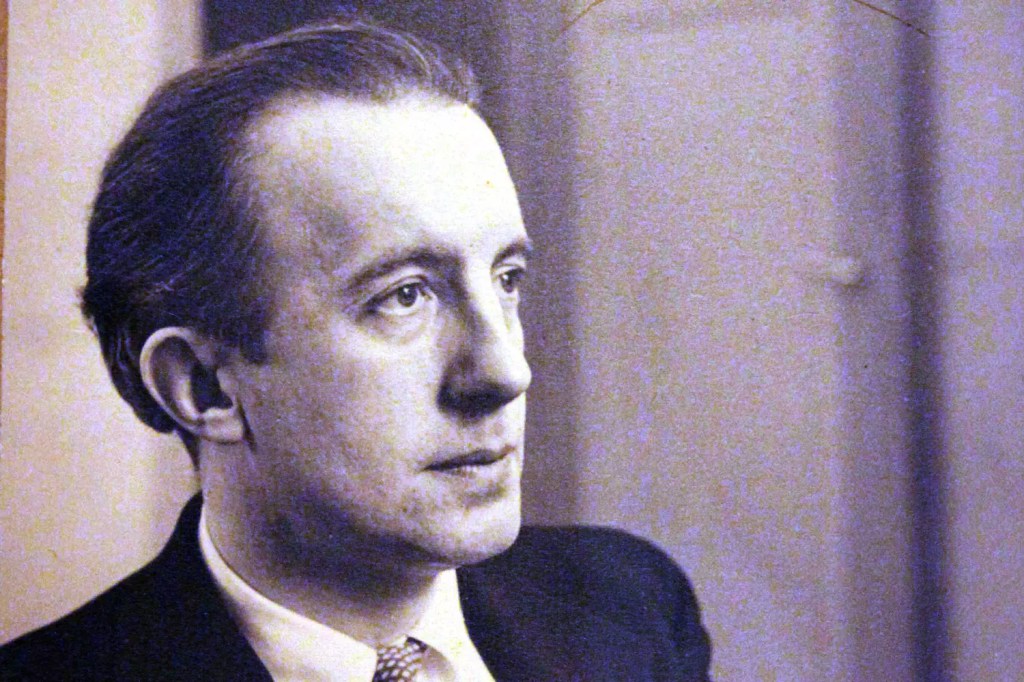
French Poet Paul Éluard (1895-1952)
When I was studying French literature at Dartmouth College, I fell in love with the poems of Paul Éluard. I could not find a good translation of my favorite poem, “Pour vivre ici,” and I was too lazy to translate it myself without doing an injustice to the poem. (Perhaps, some other time.) Here, however, is another of his poems that I loved:
Liberté
On my school notebooks
On my desk and on the trees
On the sands of snow
I write your name
On the pages I have read
On all the white pages
Stone, blood, paper or ash
I write your name
On the images of gold
On the weapons of the warriors
On the crown of the king
I write your name
On the jungle and the desert
On the nest and on the brier
On the echo of my childhood
I write your name
On all my scarves of blue
On the moist sunlit swamps
On the living lake of moonlight
I write your name
On the fields, on the horizon
On the birds’ wings
And on the mill of shadows
I write your name
On each whiff of daybreak
On the sea, on the boats
On the demented mountaintop
I write your name
On the froth of the cloud
On the sweat of the storm
On the dense rain and the flat
I write your name
On the flickering figures
On the bells of colors
On the natural truth
I write your name
On the high paths
On the deployed routes
On the crowd-thronged square
I write your name
On the lamp which is lit
On the lamp which isn’t
On my reunited thoughts
I write your name
On a fruit cut in two
Of my mirror and my chamber
On my bed, an empty shell
I write your name
On my dog, greathearted and greedy
On his pricked-up ears
On his blundering paws
I write your name
On the latch of my door
On those familiar objects
On the torrents of a good fire
I write your name
On the harmony of the flesh
On the faces of my friends
On each outstretched hand
I write your name
On the window of surprises
On a pair of expectant lips
In a state far deeper than silence
I write your name
On my crumbled hiding-places
On my sunken lighthouses
On my walls and my ennui
I write your name
On abstraction without desire
On naked solitude
On the marches of death
I write your name
And for the want of a word
I renew my life
For I was born to know you
To name you
Liberty.

 Tarnmoor
You must be logged in to post a comment.