Sick Again

Twice in the last eight days, I have come down with a combined attack of nausea and diarrhea complicated by a lack of adrenaline to fight them. Both times, I wound up lying on my back in bed while my intestines attempted to turn my body into a Niagara of something browner and more disgusting than Lake Ontario.

I felt almost too weak to make the occasional dash to the bathroom, and for a while, I had the chills.

There was no fever, however, and there was a very clear solution. I took 60 mg of Hydrocortisone and waited several hours for it all to go away. By 4 PM, I was up and about and even able to eat some crackers and plums.

The good thing about my lack of a pituitary gland in these situations is that the solution is increased Hydrocortisone or Prednisone. The illness departs in a few hours and leaves no trace behind.

Except, one of these days I will be alone and too sick to take the steroids, and I will slowly, peacefully, glide out of this life. It’s not a bad death as deaths go, but it is just as final as any other.

Sorry I had to leave you with this image, but it is an aspect of my life that I cannot ignore. Thanks to Martine’s kind nursing, I’m still kicking.

Puzzlement

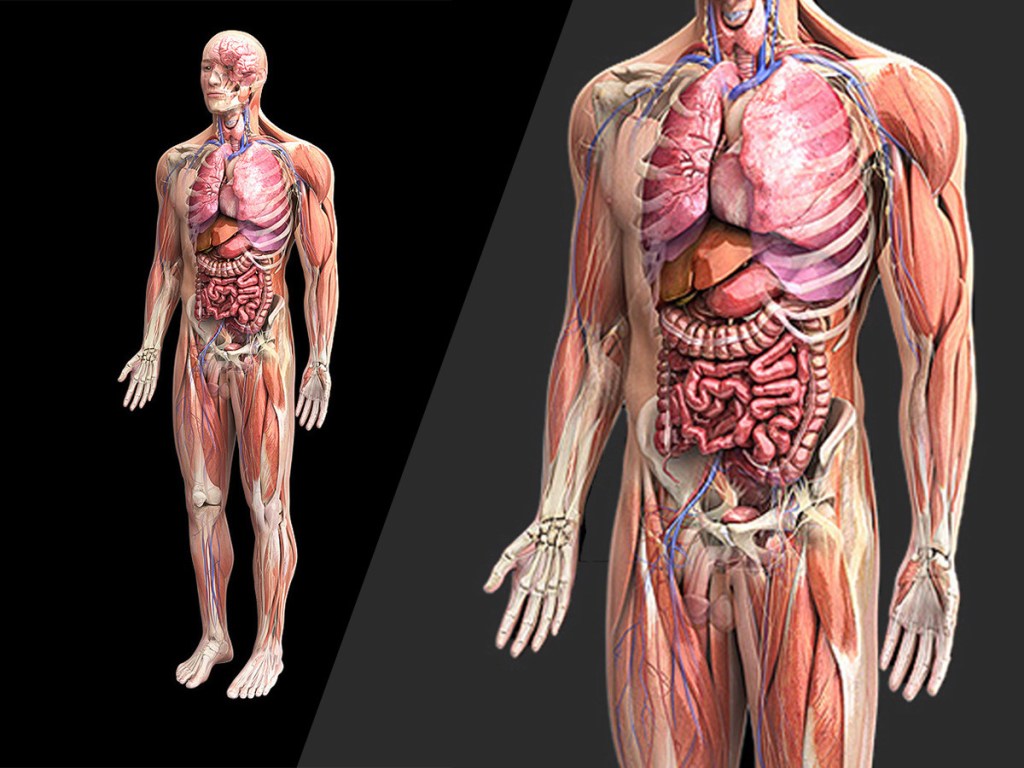
The Human Body Is an Endless Mystery

Yesterday I didn’t post because I had one of my periodic, mystery illnesses. The symptoms were weakness, diarrhea, and vomiting. This time, I did not go into the emergency ward because I knew that I would get better in a few hours, especially after taking four 10mg hydrocortisone pills.

As I no longer have a pituitary gland, that is meant to supply me with the adrenocorticotropic hormone (ACTH) my body no longer produced on its own. Apparently, when I get one of those episodes—with or without diarrhea and vomiting—it usually takes six to eight hours to return to normal.

Was it food poisoning that caused my illness? Was it low blood pressure (which was lower than usual when I measured it in the evening)? Was it high blood sugar (which was in fact running high when I measured it in the late afternoon)?

The thought suddenly came to me that we are so used to living in a digital world with its clearly demarcated boundaries that we tend to forget that we are primarily an analogue entity. My doctor thinks that what causes these incidents is an interaction involving the hormonal, circulatory, and digestive systems. Whatever the condition(s) that cause me to go out of whack, the treatment is the same: Hydrocortisone or Prednisone. Or 100mg Solu-Cortef injected into my bloodstream.

I will probably never find out what causes these bodily crises. I would be willing to bet that it may not even be determinable from an autopsy.

The health of the body is a mystery. I just have to be careful about eating, sleeping, pushing my body beyond its limits, and everything else. At the same time, I have to maintain a certain sense of humor about what is an endless conundrum.

In the Hospital Again

UCLA Santa Monica Medical Center

Ye gods, not again! On Sunday during the hour of the wolf (around 4 AM), my digestive system spewed waste with great force. While still in bed, I projectile vomited with such velocity that nothing within an eight foot radius was left unmarred by my effluvia. This was followed up what the doctors at UCLA Santa Monica Medical Center referred to in my discharge papers as “acute weakness.” It was more than weakness: I was too lethargic to get out of bed.

Unaffected was my brain function. Martine wanted to call an ambulance to take me to the hospital. I demurred. Then she called my brother in Palm Desert and got him into the act. At that point, I finally agreed. Martine cleaned me up as best she could. In no time at all, the Los Angeles Fire Department was there hoisting me up and strapping me in a device that took me down the apartment steps to the waiting ambulance that stood there with its lights flashing.

I asked to go to the UCLA Ronald Reagan Medical Center. Apparently, their emergency room was filled to capacity with the usual weekend accidents. Fortunately, there was an opening at the UCLA-owned Santa Monica Medical Center. If I were to go to a non-UCLA-affiliated emergency room, I would be poked, prodded, and tested for days for the simple reason that few if any hospitals could afford to keep an endocrinologist on hand at all hours. Probably not even Bellevue in New York or the Mayo Clinic in Rochester, Minnesota!

So, what happened? I am no longer possessed of a working pituitary gland in the center of my head (due to a benign tumor I had roughly between 1956 and 1966). No pituitary gland means no signal to my glands to produce hormones. So, no hormones at all—zilch. That means no thyroid, no testosterone, and—most important—no adrenaline.

Sometime in the early morning hours of Sunday, my body made a request for adrenaline due to something I ate. When it did not respond to that request, my body basically shut down. Fortunately, I was conscious the times I wasn’t snoozing.

And so what did they do at the hospital to make me better? Not a damned thing. Before the paramedics came, I asked Martine for a glass of water and five 10mg tabs of Hydrocortisone, which I was able to ingest. I was still weak for several hours, but that’s what made me feel able to get up and walk.

What the hospital staff did do was X-Ray me, start an IV, and take my vital signs. Fortunately, the hospital had access to previous hospital admissions which gave my medical history. When they finished poking and prodding me, they discharged me. Scram, Buddy, we need your space for other patients. So they called Martine, who was having back pains from having to clean the mess I made; and she grabbed my car keys and picked me up.

In the end, I wonder whether I should have gone to the hospital at all. I decided to mainly because Martine and my brother were bummed out by my condition. I’ll have to talk to my doctor about this when I see her.

How to Survive the ICU

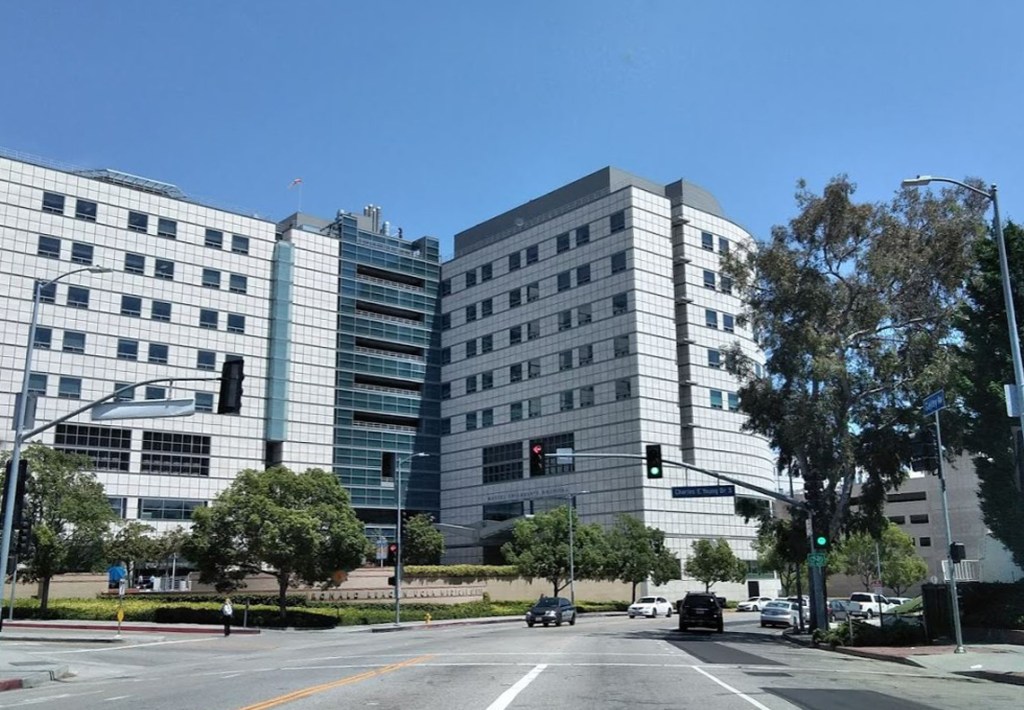
UCLA’s Ronald Reagan Medical Center

My recent stay at the Intensive care Unit (ICU) of UCLA’s Ronald Reagan Medical Center taught me some home truths about medical care in America today. If you are there because you show symptoms of one of the major diseases which could lead to death, you will likely be well cared for. I am talking about heart disease, cancer, Covid-19, preventable injury, stroke, respiratory disease, and so on.

But if your problem is of a more unusual nature, requiring a specialist to be on call that is not in the top ten leading causes of death, things can get a little dicey. The first time I showed up in an emergency room for an Addisonian Crisis was eighteen years ago in San Diego. I was admitted to the Tenet Hospital in that city and was assigned to a physician who insisted on testing me on bodily functions I no longer had. He repeatedly refused to talk to my endocrinologist in Los Angeles, Dr. Julia Sladek. Thereupon, Dr. Sladek urged me to check out of the hospital against the advice of Dr. X, who was not only incompetent, but willfully stubborn.

Even in Los Angeles, the first time I checked into the UCLA Medical Center with an Addisonian Crisis, I was kept there for several days being tested every which way by a team of cardiologists, oncologists, etc. until someone finally listened to me and called in an endocrinologist, who hailed from India. She knew at once what was happening, saw that I was over the crisis, and had me discharged from the hospital in record time.

Fortunately, that visit is now a matter of record and is consulted every time I am admitted to any UCLA hospital (there is also one in Santa Monica). I am no longer poked and prodded beyond my endurance for days while a series of well-meaning doctors who know little to nothing about panhypopituitarism (which is to say, complete lack of a pituitary gland).

In fact, I didn’t see an endocrinologist my last two visits. Thank God for those computer records!

I Dodge a Bullet

Wednesday, November 1, 6:00 AM

Life is strange when you don’t have a pituitary gland. Mine was removed by surgery in September 1966. On Wednesday I woke up early to go to the bathroom. After I did by business, I got up and … and … and …

B L A C K O U T

When consciousness returned, I was bleeding from a large bump on the left of my forehead and I felt as if one of my ribs was broken. Imagine Martine’s surprise when she woke up to go to the john about an hour later! There I lay, covered in blood and unable to raise myself due to (1) pain from my broken rib and (2) general weakness due to adrenal insufficiency.

Without a functioning pituitary, one has no thyroid function, no sex hormones, and—oh, yes—no adrenaline. All those have to be supplied from outside the body. Those early morning hours can be killers. Ingmar Bergman had a good reason to call it “The Hour of the Wolf.” At my request, Martine got me a glass of water and five 10mg tabs of Hydrocortisone.

Eventually Martine has to call 9-1-1 to get an ambulance. I couldn’t just lie on the bathroom floor forever. The emergency medical technicians took one look at me, hoisted me up, and trundled me of to the UCLA Medical Center, where I spent a couple of days in the intensive care unit and an observation ward.

I strongly suspect that this is how I will leave this world. At some point, the adrenal debt will be too high; and there will be a general system shutdown. Not a particularly painful exit.

For the time being, I’ll still be here. I hope.

Ach! Not Again!

UCLA’s Ronald Reagan Medical Center

Yesterday morning, I found myself being admitted to UCLA Hospital’s emergency room. That morning, I awoke around six in the morning to go to the bathroom. Coming back I found myself bumping into things. When I tried to get back into bed, I slipped and fell on the floor pinning my left shoulder between the bed and my nightstand. I was too weak to make a serious attempt to get up.

Martine heard my fall and frantically tried to help me. But how could she, with her right wrist in a cast from when she broke it the week before. For hours she tried to make me comfortable and gave me water to sip through a straw. Fortunately, she had the presence of mind to give me 30mg of Hydrocortisone, which, as it happened, is the cure for the symptoms I was experiencing.

Time and time again, she asked if I wanted an ambulance. My consciousness was improving from the Hydrocortisone Martine gave me, so I finally said yes. It seemed that the bedroom was crawling with Emergency Medical Technicians from the Fire Department within minutes. They hauled me out of my wedged position and dumped me on the bed. Their strongly recommended I be admitted to the hospital. I tried to resist their suggestion until I had the feeling that it was pretty much de rigeur in their profession.

So, as when I had my last serious Addisonian Crisis on December 30, 2017, I was trundled down the apartment steps, plunked into the ambulance, and driven to the UCLA Hospital emergency room (but without the sirens).

What was wrong with me? The scientific term is panhyopituitarism, which means I no longer have a pituitary gland. It all happened many years ago. To read the gory story of my near-death experience in 1966, click on this post from April 2015.

By the time I got to UCLA, I was feeling pretty good as the Hydrocortisone was doing its job; but I knew I would have to go through the medical profession’s equivalent of the death of a thousand cuts. I was wheeled from one clerk to another and asked for details which were entered into their system. Fortunately, In December 2017, I had roughly the same situation.

Still, it seems that emergency wards assume you have some internal organ problem such as a heart attack or cancer, so I was hooked up with little stickies all over my upper body and probed with needles until the doctors determined that, yes, I would not be likely to die on the spot. My problem was not a disease of an internal organ, but the fact that I was missing the body’s master gland and occasionally needed to have extra amounts of ACTH (adrenocorticotropic hormone) in lieu of natural adrenaline.

On at least two dozen times, I made the point that the problem was that I had no pituitary. I had to talk with an endocrinologist because my ailment was not a common one, certainly not one that a typical emergency room physician would grasp. Not only that, but the cure had been applied hours before when Martine gave me my medications. Back in 2017, the same hospital held me for three days until the resident endocrinologist strolled in with her hands in her pockets and, immediately understanding my situation, had me released.

Fortunately, I was released late that afternoon. Maybe it was the record of my 2017 experience that convinced them to let me go. Maybe it was because they had me walk to the bathroom and saw that I was fully mobile. And apparently, the doctors did talk to the endocrinologist who told them to let me go. I felt bad to be around all those persons who were really suffering. I kept telling the nurses I felt I was occupying space in their emergency room under false pretenses.

So I took a taxi home, and Martine was at the front of the apartment to give me my wallet so I could pay the driver.

The funny thing is, there is little advanced warning when one is about to suffer an Addisonian Crisis. In this case, I didn’t suspect something was wrong until I returned from the bathroom to go to bed. That was approximately a half-minute warning.

The Last Mexican Governor of Alta California

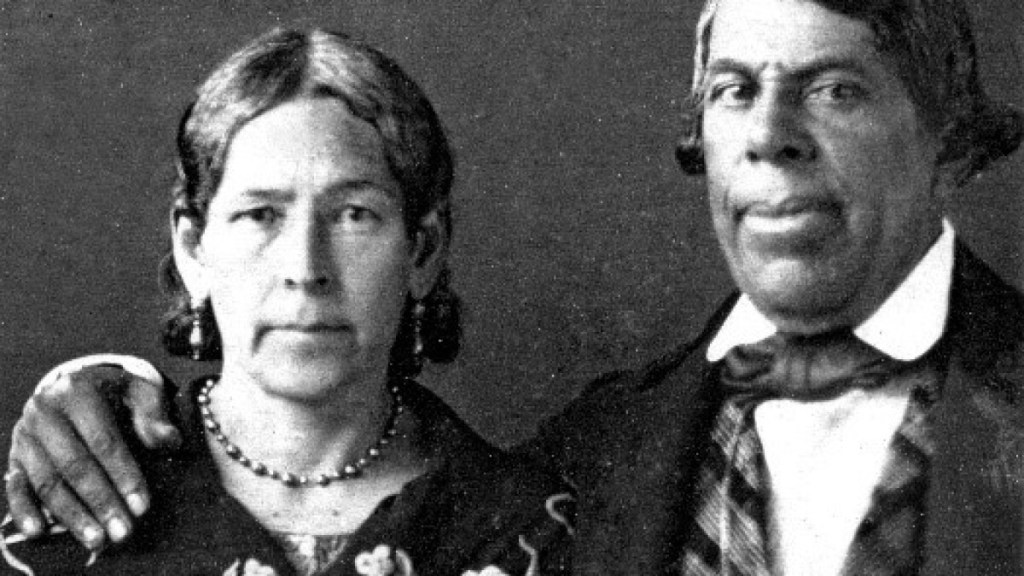
Pio Pico and His Wife Ignacia

Pio Pico lived in California under three flags: Spanish, Mexican, and the Stars and Stripes of the United States. One would think that he would not have fared well under the last of these. Actually, he had many friends among the American settlers who had moved to California earlier and adopted Mexican citizenship.

That did not prevent Pio Pico from being swindled. But then it seems that swindles were more the rule than the exception in early Southern Cal. Even his friends, the Workmans and Temples lurched from prosperity to disaster and back again. It seems everyone was in court suing one another. And justice did not always come out ahead.

As one who has lost his pituitary gland to a tumor, I feel for Pico, who also had a pituitary disorder: in his case, acromegaly. In the picture above, note the fleshy lips and the enlarged ears and nose. Acromegaly results when the pituitary gland produces too much human growth hormone during the adult years. Exactly the opposite of what I had.

When Pico died in 1894 at the age of 93, he was buried at Calvary Cemetery in the Elysian Hills. When several years later, the tomb of him and his wife was vandalized, Walter Temple, the grandson of William Workman, obtained permission from Pico’s family to re-inter the remains in a mausoleum he built on the grounds of the Workman-Temple Family Homestead Museum in the City of Industry. If you are interested in learning more on the subject, consult Museum Director Paul R. Spitzzeri’s blog on the ties between the Workmans, Temples, and Pio Pico, the last Mexican governor of Alta California.

Getting Sick While Traveling

The Acoma Cañoncito Laguna Service Unit of the Indian Health Service

Not for the first time, I came down sick on my travels. In 2006, I broke my right shoulder in Tierra del Fuego and received care for it at a clinic in Ushuaia. In 2015, I got food poisoning and had simultaneous diarrhea and vomiting: That time, I cured myself by taking extra Prednisone and managing to keep it down. On this trip, I got food poisoning in Acoma at the tribal Sky City Casino. It was the same diarrhea and vomiting with the addition of chills (though unaccompanied by fever). I wasn’t going to mess around this time. I asked Martine to drive me to the nearest hospital.

The front desk of the Cassino hotel directed us to the Acoma Cañoncito Laguna Service Unit of the Indian Health Service, which, luckily, was just down the street. I was very fortunate that the doctors who interviewed me listened to me and put me on an IV with Solu-Cortef and sulfur (to relieve the nausea). Within two or three hours, I was as good as new. Martine, however, was worried as she sat in the waiting room.

My guess is that I was seriously dehydrated, and that brought on an Addisonian Crisis. As I have no pituitary gland, I had to have an infusion of ACTH with the IV. Once that happened, recovery was quick. The ACL Service Unit did not have any beds, but offered to have me driven to one of the big Albuquerque hospitals an hour east. I thanked them, but refused their offer. Once they get me in a hospital, doctors like to prod and poke me for several days because of my interesting mix of endocrinological issues. I did not want to give them the opportunity, perhaps coming down with a super infection in the process.

The Indian Health Service personnel were very competent, which made me feel good that the Indians—together with one stray traveler—were getting good care.