Agenbite of Bookwit

I find myself rereading books more often, sometimes by design, but more often by accident. For instance, I am reading the L.A. Central Library’s copy of Lawrence Ferlinghetti’s Writing Across the Landscape: Travel Journals 1960-2010. As I started reading it yesterday, I noticed the same light pencil marks I used to mark passages. “A kindred spirit,” was the first thought that crossed my mind. Then, when I loaded Goodreads.Com, I noticed that I wrote a review of the book in 2023. The stray marks were, in fact, mine. A kindred spirit, indeed!

Here are the books that I have reread so far this year, with the ones I have accidentally reread marked with an asterisk:

  • Lawrence Durrell: Balthazar, Mountolive, and Clea (the last three volumes of The Alexandria Quartet)
  • Lope de Vega: Fuente Ovejuna
  • Tom Bissell: Chasing the Sea: Lost Among the Ghosts of Empire in Central Asia *
  • Joseph Wood Krutch: The Desert Year *
  • César Aira: The Famous Magician *
  • Clifford D Simak: A Choice of Gods *
  • Georges Simenon: Maigret and the Good People of Montparnasse
  • Carlos Castaneda: Tales of Power

The funny thing is that I have enjoyed the rereads as much as the first-time reads, even when they were accidental.

I keep a log of 99+% of the books I have read since 1972. When I choose a book to read, I don’t always check the three data files—one a PDF and the other two Excel spreadsheets—which log all several thousand books I have read in the interval. Sometimes, I notice when rereading a book that I have somehow changed in some small or large particular.

For instance, I used to be a big fan of Jules Verne, even some of his lesser-known works. But when I reread From Earth to the Moon and Round the Moon a few years ago, I was disappointed. Perhaps I’ll reread 20,000 Leagues Under the Sea—my favorite among his works—to see how it plays now.

One Ring To Rule Them All

Frodo and the Ring from Sir Peter Jackson’s Film

It was inevitable that I would re-read The Lord of the Rings for the third—or is it the fourth?—time. Too much of my memory of the volumes in the trilogy have been replaced by my memory of the masterful Sir Peter Jackson films. And a good thing, too! I was beginning to forget the Old Forest, Tom Bombadil, and the Barrow Wights, which were not represented in the film version of The Fellowship of the Ring (Volume I of The Lord of the Rings).

I first heard about J. R. R. Tolkien’s fantasy masterpiece from an exhibit at Dartmouth College’s Baker Library. A number of professors were asked to exhibit the books which most influenced them, and there, under glass, were first editions of the three volumes. I was enthralled before I ever read a word of it.

Only when I came to Los Angeles in the late 1960s did I find the trilogy being published in paperback. Naturally, I bought all three volumes and read them. I even read a very funny Harvard Lampoon parody called Bored of the Rings. (Do I still have it in my massive library?)

Now I am reading it in the glorious Folio Society hardbound edition, complete with glorious woodcuts and an Anglo-Saxon motif cover. Amazingly, I find myself being drawn into the story yet again, as if I were encountering it for the first time.

What a master story-teller Tolkien was! I must remember to also read The Silmarillion when I have finished re-reading the trilogy.

Repeat Performances

I Frequently Re-Read Books That Have Impressed Me

This year I have re-read ten books since the start of 2019, such as Joseph Conrad’s Lord Jim. It has been eleven years since I have read any Conrad, back when I had finally finished Under Western Eyes, which I had started back in college. The main reason I ever re-read a book is to see whether I have somehow changed in the intervening years. Very occasionally, I forget that I have read a particular work in the past and go through it a second time, not realizing my mistake until I check my reading log. Below is a list of 2019 re-reads:

  • Joseph Conrad: Lord Jim
  • Laurence Sterne: The Life and Opinions of Tristram Shandy, Gentleman
  • Sean O’Casey: Juno and the Paycock
  • Virginia Woolf: Monday or Tuesday, Eight Stories. I re-read this one by accident.
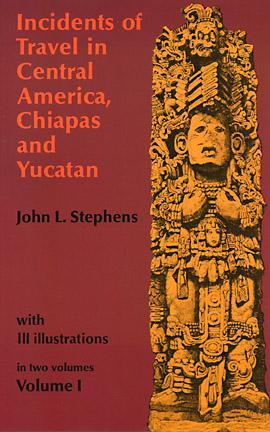
  • John Lloyd Stephens: Incidents of Travel in Central America, Chiapas and Yucatán and Incidents of Travel in Yucatán. I will probably re-read a number of other books about Mexico in the next few months, most of which I have not touched for over 30 years.
  • William Shakespeare: Hamlet. Multiple re-reads.
  • G. K. Chesterton: Robert Louis Stevenson and The Poet and the Lunatics. I frequently re-read Chesterton for sheer enjoyment.
  • J. E. Neale: Queen Elizabeth I

A Joy to Read Any Number of Times

As my Yucatán vacation draws close, I will probably re-read Fanny Calderón de la Barca’s Life in Mexico; Charles Macomb Flandrau’s Viva Mexico!; and Malcolm Lowry’s Under the Volcano and a few other books.


Serendipity: The Winds of Change

The Book Is the Same, Only the Reader Has Changed

The Book Is the Same, Only the Reader Has Changed

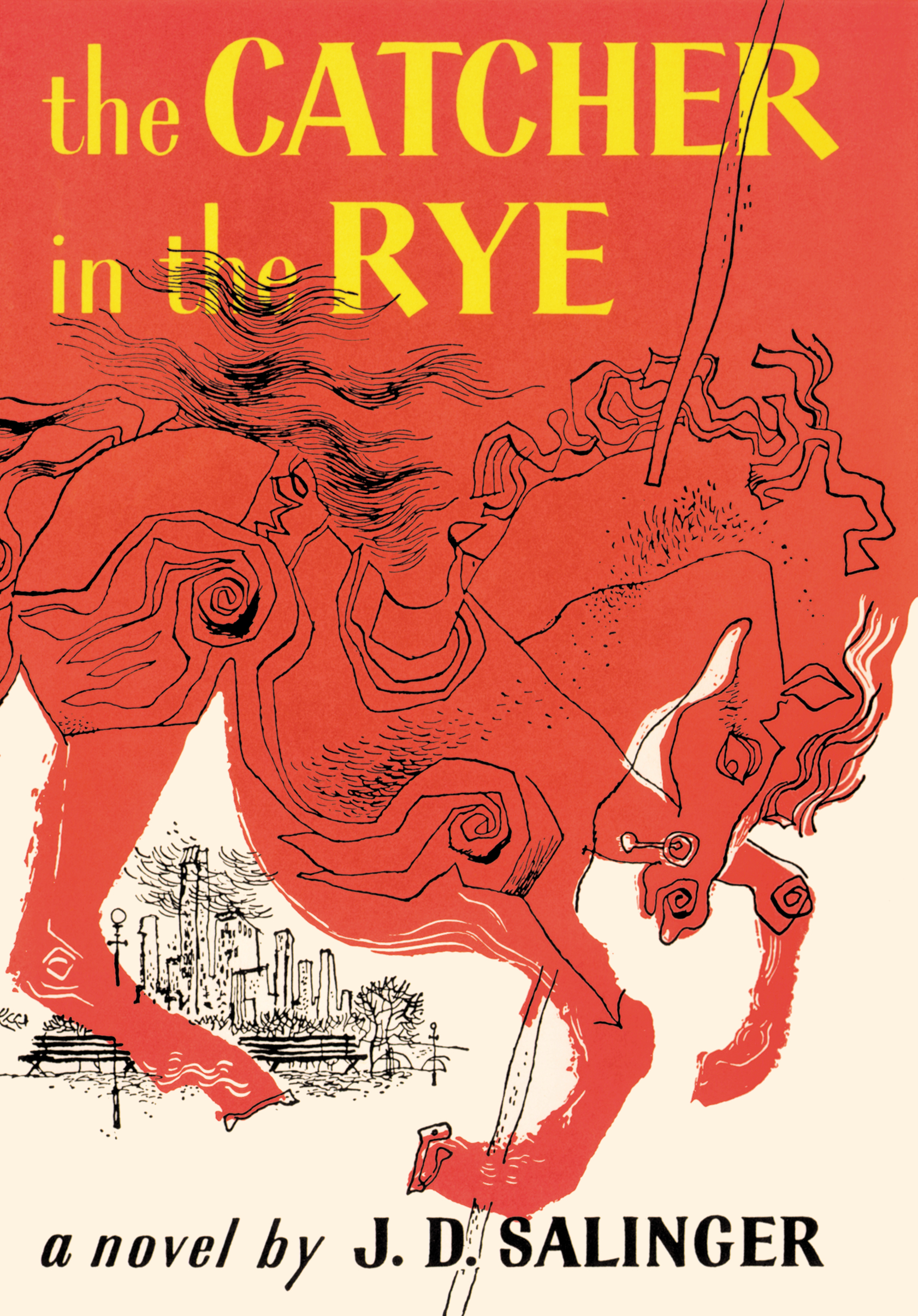
The thing about re-reading books you first encountered decades ago is to feel the winds of change in your life. When I first read J. D. Salinger’s The Catcher in the Rye, I was a high school student looking forward to leaving Cleveland to go to college. The book was a revelation to me, and re-reading it at this late stage in my life shows me sitting on the porch of our house at 3989 East 176th Street, turning the pages and marveling at a book written for kids like me. It’s a good feeling: I accept that 16-year-old kid. He was all right.

Following is a quote that pretty much describes my feeling at re-reading The Catcher in the Rye:

The best thing, though, in that museum was that everything always stayed right where it was. Nobody’d move. You could go there a hundred thousand times, and that Eskimo would still be just finished catching those two fish, the birds would still be on their way south, the deers would still be drinking out of that water hole, with their pretty antlers and their pretty, skinny legs, and that squaw with the naked bosom would still be weaving that same blanket. Nobody’d be different. The only thing that would be different would be you. Not that you’d be so much older or anything. It wouldn’t be that exactly. You’d just be different, that’s all. You’d have an overcoat on this time. Or that kid that was your partner in line last time had got scarlet fever and you’d have a new partner. Or you’d have a substitute taking the class, instead of Miss Aigletinger. Or you’d heard your mother and father having a terrific fight in the bathroom. Or you’d just passed by one of those puddles in the street with gasoline rainbows in them. I mean you’d be different in some way – I can’t explain what I mean. And even if I could, I’m not sure I’d feel like it.

Well, unlike Holden, I am in fact much older; but that’s okay. Better, in fact, than the alternative.


On Re-Reading

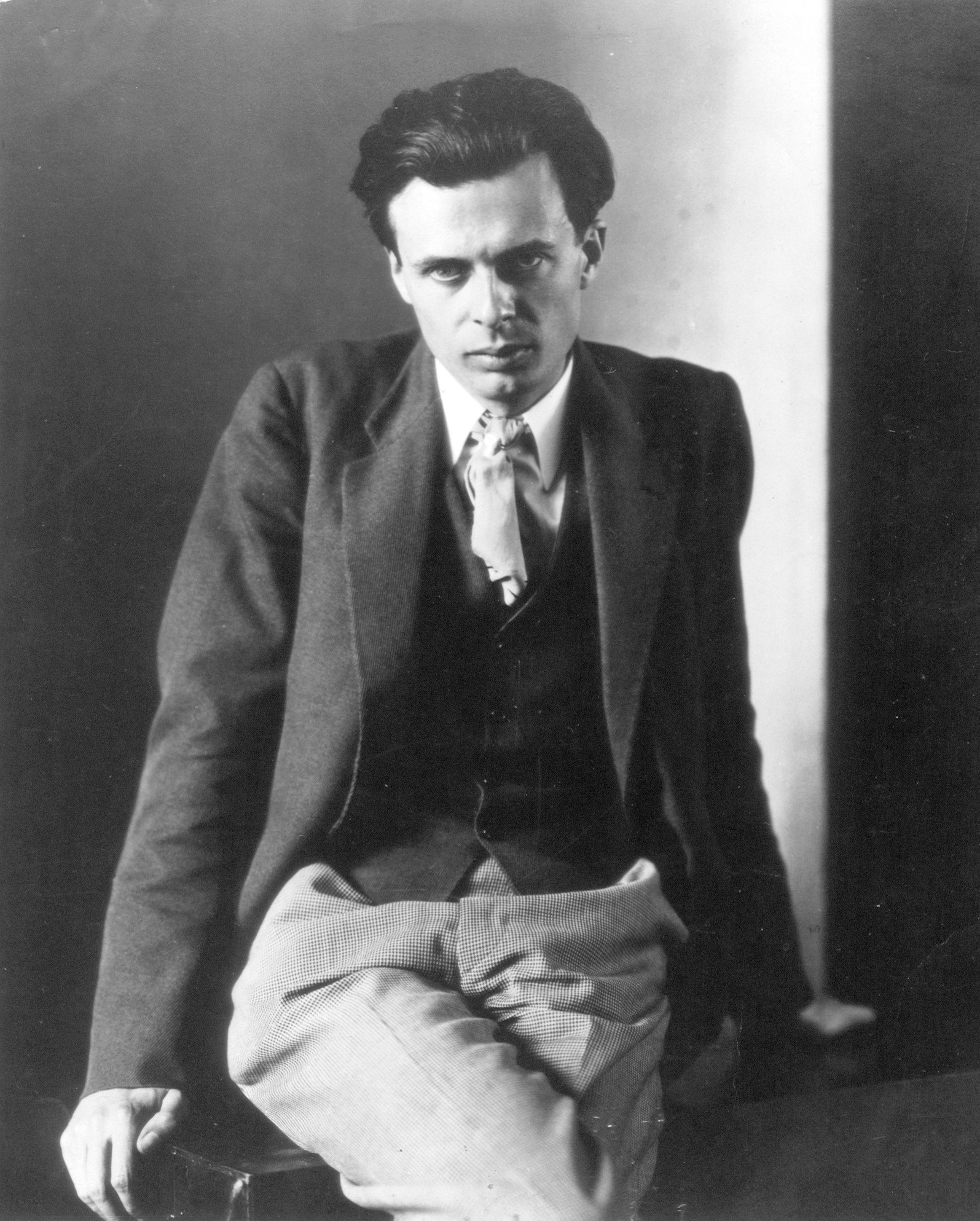
Aldous Huxley (1894-1963)

Aldous Huxley (1894-1963)

As Juan Vidal wrote for National Public Radio:

The best books are the ones that open further as time passes. But remember, it’s not because they changed. Every letter and punctuation mark is exactly where it always has been, and where it will remain forever. It’s you who are different; it’s you who’s been affected by the depth of your experience. And it’s you that has to grow and read and reread in order to better understand your friends.

I have just finished re-reading Aldous Huxley’s first novel, Crome Yellow, written in 1921 at the beginning of his career. In 1975, I was abashed by the romantic failures of Dennis Stone, the book’s narrator, with whom I identified because of my own experiences at that time. Now I see that Huxley not only was living through his own callow youth, but very neatly encapsulated for all time that obsessiveness with our own tactical failures can result in even more serious strategic failures in this life. Dennis fails with Anne Winbush, but his consciousness of failure prevents him from seeing Mary Bracegirdle, who is interested in him.

There are some books I re-read on a regular basis. Most notably: Marcel Proust’s In Search of Lost Time. I am now in my third reading of the seven-volume novel, and ready to start re-reading the third volume, The Guermantes Way. Then there are works like The Iliad and The Odyssey, Don Quixote, Dante’s Divine Comedy, Balzac’s Comédie Humaine, and any number of great books that I want to re-investigate because I have changed. To re-read is to measure that change.

When I was in my thirties, I loved Aldous Huxley and read many of his works. Now I think I’m about to check out his novels, stories, and essays again. The years have sped on, and we are all a work in progress.