
Much has been written about D. W. Griffith as the greatest early director. True, his very early films were revolutionary; and he had a great actress in Lillian Gish. But it is difficult to like a director who made the Ku Klux Klan into heroes in Birth of a Nation (1915), and to tolerate the Victorian sentimentality of his later films. At almost the same time that Griffith was working in Hollywood, Victor Sjöström was making great films in Sweden, films like A Man There Was (1917) and The Outlaw and His Wife (1918), both of which starred the filmmaker.
When Sjöström was brought to Hollywood by Louis B. Mayer of MGM, he made several silent masterpieces in quick succession:
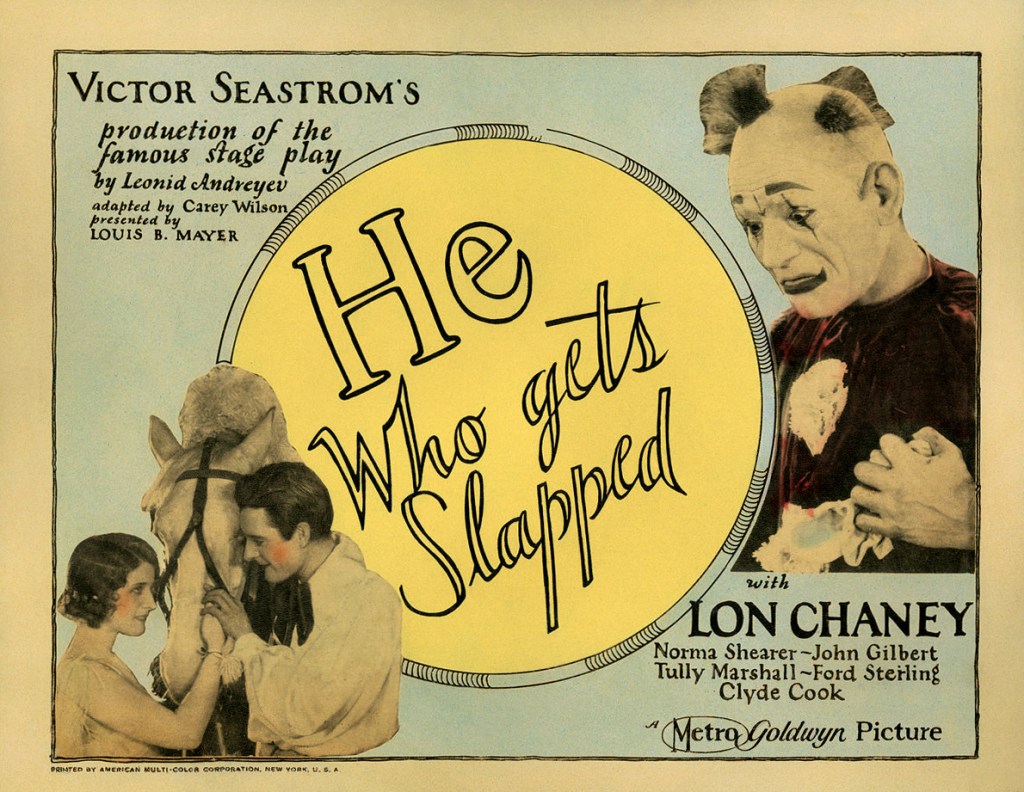
- He Who Gets Slapped (1924) starring Lon Chaney, Norma Shearer, and John Gilbert
- The Scarlet Letter (1926) with Lillian Gish and Lars Hanson
- The Wind (1928) with Lillian Gish and Lars Hanson
These three pictures are—all of them—in my list of the ten all-time best silent films made anywhere. And two of them star Griffith’s favorite star, Lillian Gish, who shines more in both films than she does in any of Griffith’s productions. And without all the ludicrous sentimentality.
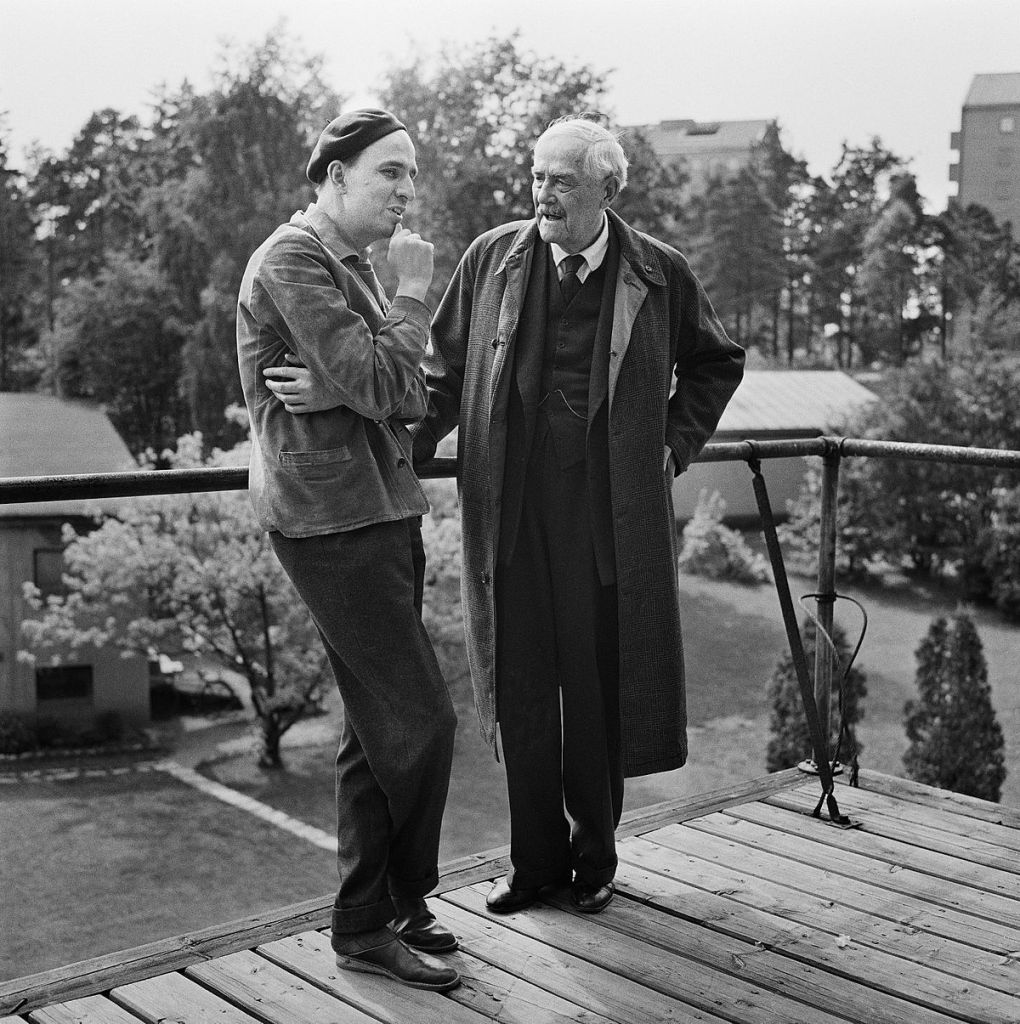
Sjöström went back to Sweden in 1930, supposedly because he was unwilling to be bound by the many restrictions of early sound films. After making three more films in Europe, he returned to the theater as well as acting. He can be seen in his role of Dr. Isak Borg in Ingmar Bergman’s Wild Strawberries (1957).
If he weren’t so sentimental, I would rate Griffith higher than I currently do, but I still think Sjöström was better.

 Tarnmoor
You must be logged in to post a comment.