
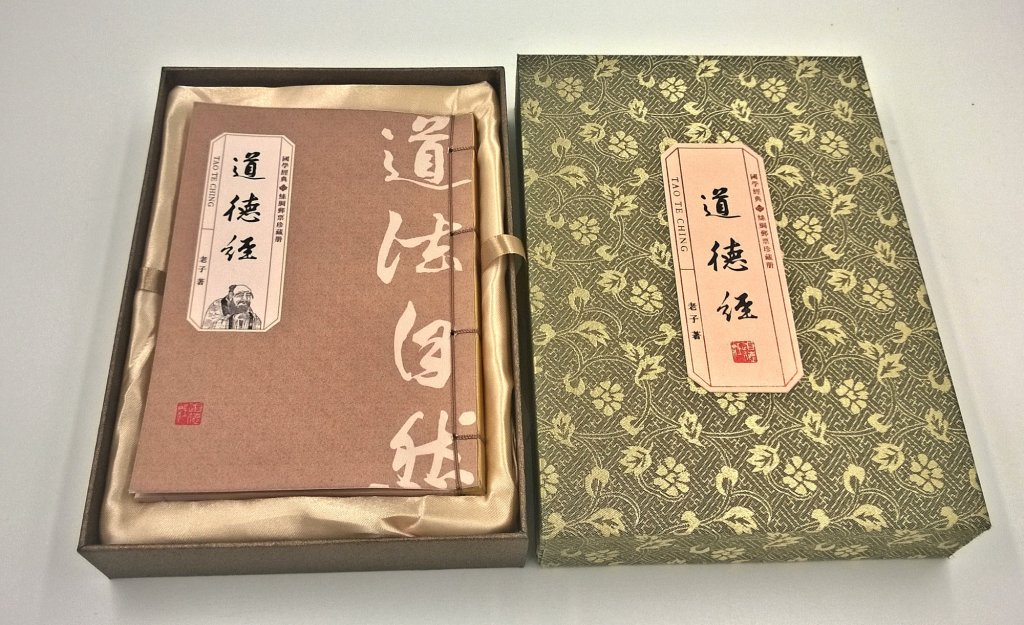
The Taoist sage Lao Tzu (floruit BCE 500), author of the Tao Te Ching, is one of those figures at the nexus of three great religions: Taoism, Buddhism, and Confucianism. Below is Sam Hamill’s translation of the second section of the Tao Te Ching, as printed in the Shambala Library edition of The Poetry of Zen:
Beauty and ugliness have one origin.
Name beauty, and ugliness is.
Recognizing virtue recognizes evil.

Is and is not produce one another.
The difficult is born in the easy,
long is defined by short, the high by the low.
Instrument and voice achieve one harmony.
Before and after have places.

That is why the sage can act without effort
and teach without words,
nurture things without possessing them,
and accomplish things without expecting merit:

only one who makes no attempt to possess it
cannot lose it.

 Tarnmoor
You must be logged in to post a comment.