Not-Doing

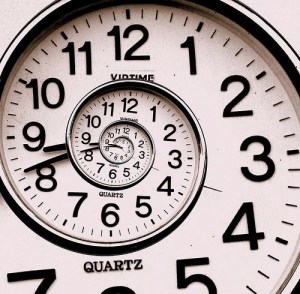
Until 2018, my life was ruled by the clock.

Around then, two things happened that changed my life for the better:

  1. The accounting firm for which I was working shut its doors when the boss retired.
  2. Around that time, I started attending guided mindful meditation sessions at the Central Library.

In the accounting profession, from New Years Day to Tax Deadline Day (April 15 or thereabouts) is sheer, unadulterated hell. By the middle of March, one had to work seven days a week. The stress was beginning to tell on me, particularly with my blood pressure and cholesterol.

The abrupt end to my working career was a blessing. I could read books, see films, and cook interesting meals. I did not find, upon retiring, that I no longer had a purpose in life. My entire working career was as a well-paid mercenary, writing computer programs, handling corporate communications, preparing taxes, and keeping a computer network in working order. My life was ruled by the clock, and I suffered for it.

After many years of doing, I was finding that there was much to be said for not-doing. I didn’t mind waiting at the doctor’s office. If the bus or train was late, what was that to me? I would sit concentrating on my breaths until such time as the train arrived or the doctor called me in. I was no longer worried about being late, as “lateness” no longer had any real urgency or even meaning. I even began to see it as an opportunity to meditate.

When I was in the hospital in January, the nurses could not understand why I didn’t care to watch television—especially as I knew that the selection of channels was not to my liking. All the other patients had to watch the boob tube lest they go stark raving mad.

As a result of my not-doing, I found my blood pressure and cholesterol dropping. I’m still working on my Type 2 Diabetes, but that is partly genetic. Everyone in my family had it, and I didn’t manage to escape the family scourge.

Even though there are a lot of things in my world not to my liking (Trump, MAGA), I feel confident that I can probably hold on for a while longer. Who knows?

All the Babes Are Leaving

Tawny Kitaen (1961-2021)

One way to tell you’re getting old is to see what happened to all the babes of the 1960s and 1970s. I was surprised to hear that Tawny Kitaen had passed away. Not that I was a big an of hers, but never was there such a moniker that screamed B-A-B-E in Neon All-Caps. She was one of a troupe that included actresses like Joey Heatherton and Ann-Margret and “celebrities” such as Prince Andrew’s main squeeze Koo Stark and Profumo Affair bad girls Christine Keeler and Mandy Rice-Davies.

I suppose it is inevitable if you live long enough. I still think of Sônia Braga, Jenny Agutter, Françoise Dorléac, Dominique Sanda, and Maria Schneider. They were beautiful, and they populated my dreams as a young man. Now that I am no longer a young man, I can see that all of us are on the same journey through life.

Enjoy It While You Can

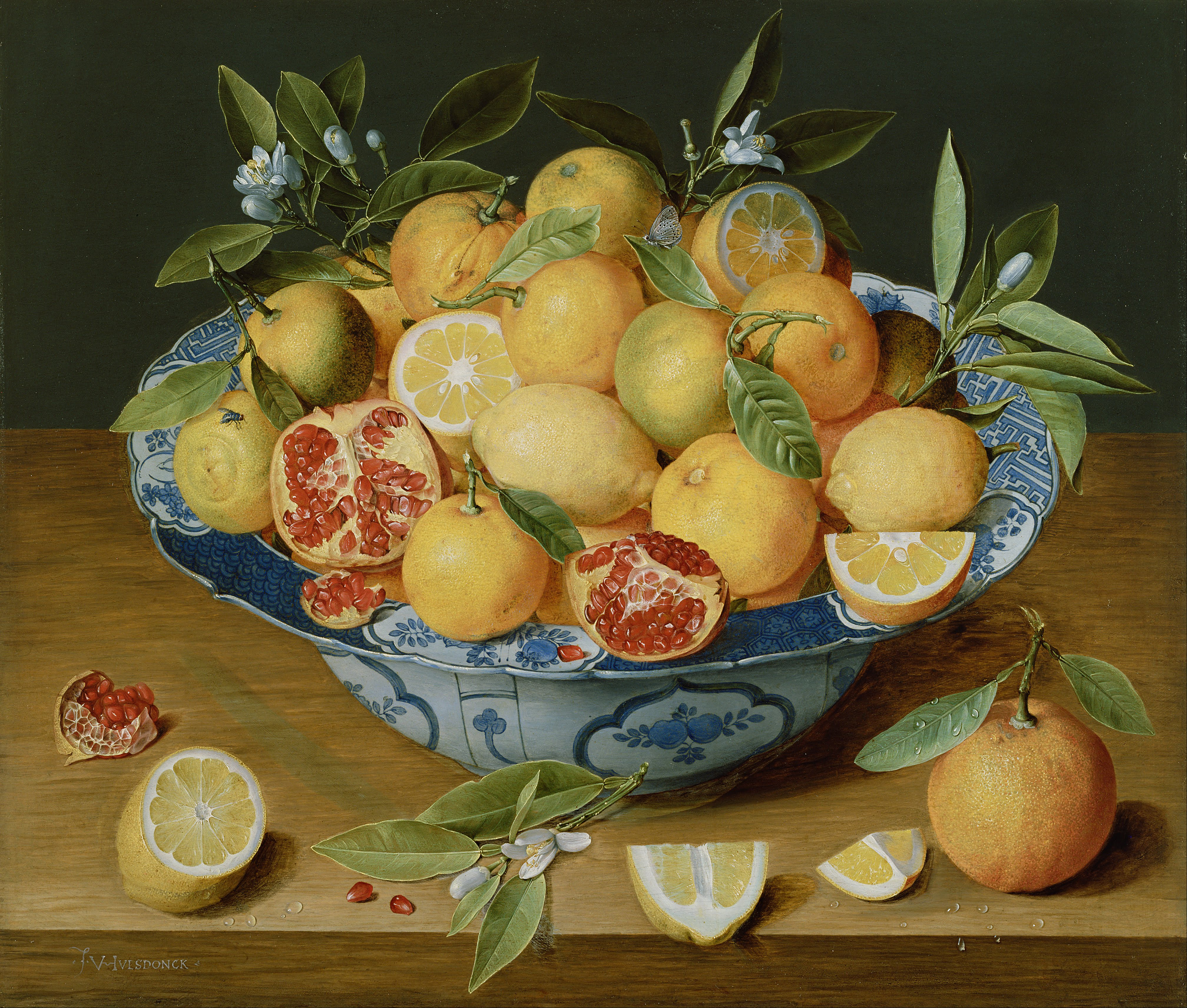
Jacob van Hulsdonck’s “Still Life with Lemons, Oranges and a Pomegranate”

Jacob van Hulsdonck’s “Still Life with Lemons, Oranges and a Pomegranate”

I have always been partial to Flemish still lifes, ever since I first saw “Still LIfe with Oysters and Grapes” (1653) at the Los Angeles County Museum of Art. See below for an image of the still life.

With both of these paintings, and with many Dutch and Flemish still life paintings of the Seventeenth Century, there is a strong moral dimension. According to Wikipedia:

Virtually all still lifes had a moralistic message, usually concerning the brevity of life—this is known as the vanitas theme—implicit even in the absence of an obvious symbol like a skull, or less obvious one such as a half-peeled lemon (like life, sweet in appearance but bitter to taste). Flowers wilt and food decays, and silver is of no use to the soul.

You can see this with the fly on the leftmost lemon in the plate, as well as the aging film showing on the cut pieces of fruit.

Jan Davidszoon de Heem’s “Still Life with Oysters and Grapes”

Jan Davidszoon de Heem’s “Still Life with Oysters and Grapes”


I had always thought of still life paintings are relatively innocuous. And so they are, but they also remind one that time is passing, and the food and flowers on display are the things of a moment.

Memory and Expectation

Obsessed with Time

Obsessed with Time

We are living in a culture entirely hypnotized by the illusion of time, in which the so-called present moment is felt as nothing but an infinitesimal hairline between an all-powerfully causative past and an absorbingly important future. We have no present. Our consciousness is almost completely preoccupied with memory and expectation. We do not realize that there never was, is, nor will be any other experience than present experience. We are therefore out of touch with reality. We confuse the world as talked about, described, and measured with the world which actually is. We are sick with a fascination for the useful tools of names and numbers, of symbols, signs, conceptions and ideas.—Alan Watts