
Martine Is Back!

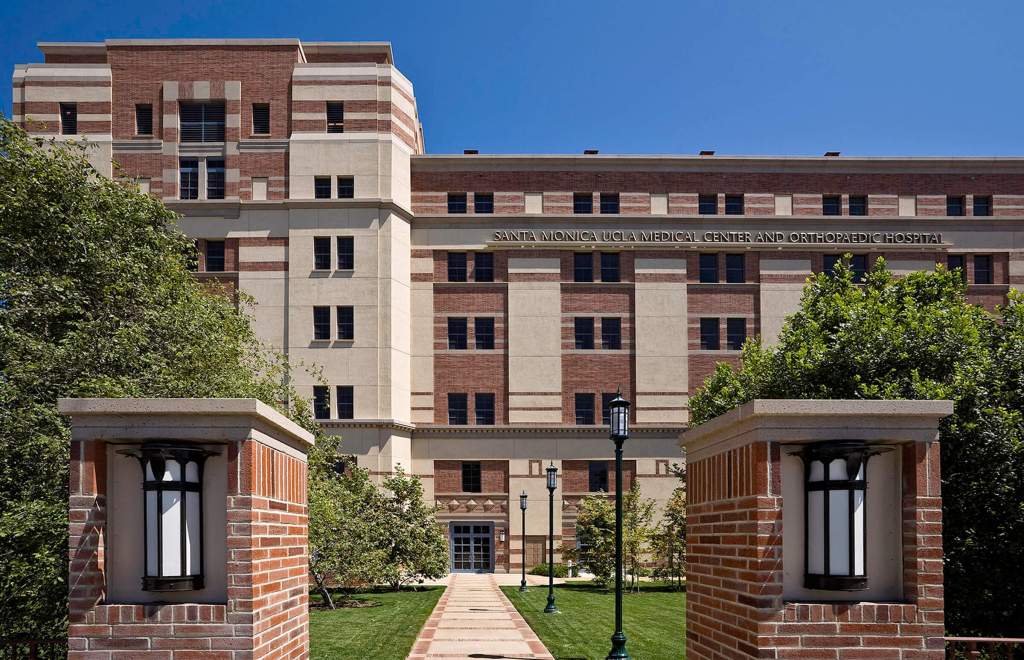
UCLA Santa Monica Medical Center

After spending some five days in a hospital room, Martine was finally discharged today. She feels good, and there is no longer an issue with low sodium levels in the blood. The medical name for this is hyponatremia. According to the Mayo Clinic website, signs and symptoms can include:

  • Nausea and vomiting
  • Headache
  • Confusion *
  • Loss of energy, drowsiness and fatigue *
  • Restlessness and irritability *
  • Muscle weakness, spasms or cramps *
  • Seizures
  • Coma

On Tuesday, Martine was suffering from four of these (marked above with asterisks). In the hospital, she was immediately put on intravenous electrolytes which, over the space of two days, restored her condition to normal. Then she was kept on for observation for a couple more days to make sure her blood levels were normal.

What caused this? Martine thought it was that she accidentally took a second dose of Pilocarpine 2% ophthalmic solution for glaucoma two hours after taking a first dose. Although one physician I talked to in the emergency room said this couldn’t be the cause, the literature accompanying the drug indicated that it was indeed possible.

Whatever the cause, I am convinced that the treatment was correct.

The human body is a strange and wonderful thing, and doctors are not infallible. We tread a narrow path over two abysses. Thankfully, Martine is okay for now.
How to Survive the ICU

UCLA’s Ronald Reagan Medical Center

My recent stay at the Intensive care Unit (ICU) of UCLA’s Ronald Reagan Medical Center taught me some home truths about medical care in America today. If you are there because you show symptoms of one of the major diseases which could lead to death, you will likely be well cared for. I am talking about heart disease, cancer, Covid-19, preventable injury, stroke, respiratory disease, and so on.

But if your problem is of a more unusual nature, requiring a specialist to be on call that is not in the top ten leading causes of death, things can get a little dicey. The first time I showed up in an emergency room for an Addisonian Crisis was eighteen years ago in San Diego. I was admitted to the Tenet Hospital in that city and was assigned to a physician who insisted on testing me on bodily functions I no longer had. He repeatedly refused to talk to my endocrinologist in Los Angeles, Dr. Julia Sladek. Thereupon, Dr. Sladek urged me to check out of the hospital against the advice of Dr. X, who was not only incompetent, but willfully stubborn.

Even in Los Angeles, the first time I checked into the UCLA Medical Center with an Addisonian Crisis, I was kept there for several days being tested every which way by a team of cardiologists, oncologists, etc. until someone finally listened to me and called in an endocrinologist, who hailed from India. She knew at once what was happening, saw that I was over the crisis, and had me discharged from the hospital in record time.

Fortunately, that visit is now a matter of record and is consulted every time I am admitted to any UCLA hospital (there is also one in Santa Monica). I am no longer poked and prodded beyond my endurance for days while a series of well-meaning doctors who know little to nothing about panhypopituitarism (which is to say, complete lack of a pituitary gland).

In fact, I didn’t see an endocrinologist my last two visits. Thank God for those computer records!