The following poem by Victor Hugo is relevant to today’s political situation with President Trump attempting to test:
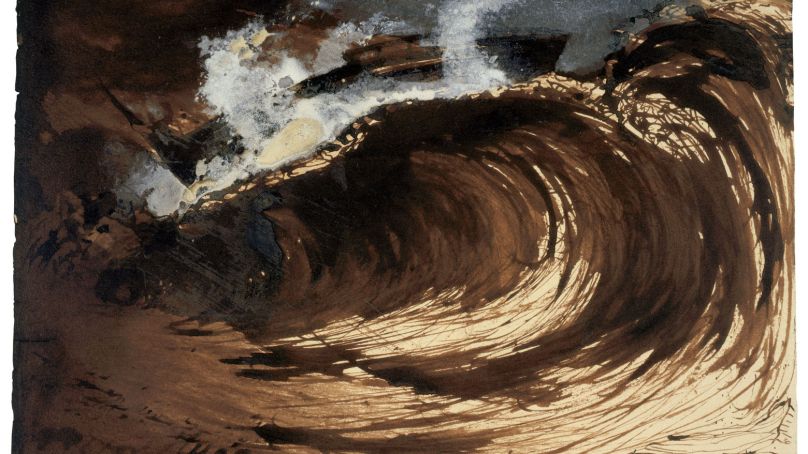
The Patience of the People
How often have the people said: “What’s power?” Who reigns soon is dethroned? each fleeting hour Has onward borne, as in a fevered dream, Such quick reverses, like a judge supreme— Austere but just, they contemplate the end To which the current of events must tend. Self-confidence has taught them to forbear, And in the vastness of their strength, they spare. Armed with impunity, for one in vain Resists a nation, they let others reign.
Conrad Veidt in Paul Leni’s Film The Man Who Laughs (1928)
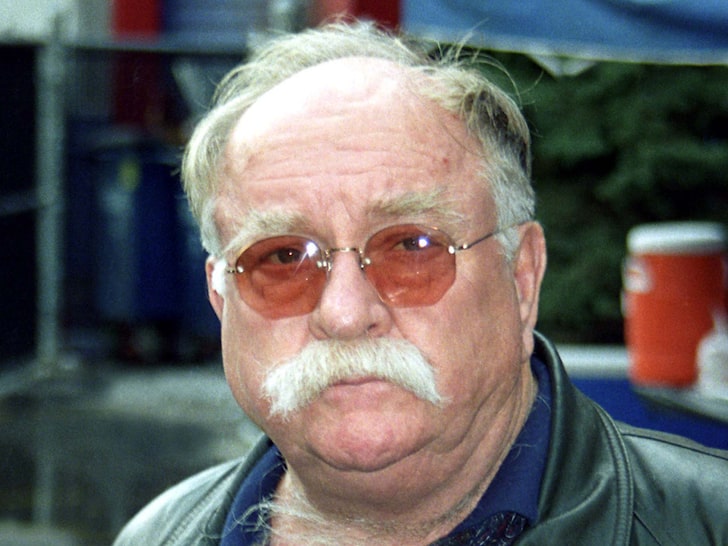
It all started in the elevator to the Trader Joe parking lot. Two odd women first commented that I looked like the actor Wilford Brimley, and then asked me why I didn’t smile. That set me off: I don’t particularly like to go around with a smile on my face, and I don’t think much of people who do. Were these frustrated dental assistants to go around accosting strangers for not airing their teeth?
Then I thought of one reason I didn’t like being all smiley. I remembered Victor Hugo’s novel The Man Who Laughs (1869), which was turned into a 1928 silent film by Paul Leni starring Conrad Veidt, better known as Major Strasser “of the Third Reich” in the film Casablanca (1942).
Well, anyway, the novel and film were about people called comprachicos who, as children, were mutilated to look pathetic so that their handlers can could use them for begging:
The Comprachicos, or Comprapequefios, were a hideous and nondescript association of wanderers, famous in the 17th century, forgotten in the 18th, unheard of in the 19th. They traded in children, buying and selling them, but not stealing them. They made of these children monsters. The populace must needs laugh, and kings too. The montebank is wanted in the street, the jester at the Louvre; the one is called a clown, the other a fool. By the artificial production of teratological cases the Comprachicos developed a science and practiced an art. They kneaded the features, stunted growth, and fashioned hunchbacks and dwarfs; the court fool was their specialty.
The Conrad Veidt character in the film was a child who was kidnapped and had a permanent smile carved on his face, which made him look pathetic. And that’s what comes to mind when people tell me to smile. I just don’t care to oblige them.
Wilford Brimley (1934-2020)
By the way, I look almost exactly like Wilford Brimley, except that his mustache was a little bigger than mine. Of course, I would prefer that strangers think I am a dead ringer for Brad Pitt, Robert Redford, Warren Beatty, or some other dolicocephalic heartthrob. But then, so it goes.
The low point of Napoleon’s retreat from Moscow was the crossing of the ice-choked Berezina River, after the Russians had destroyed the bridge. Curiously, that crossing was also a choke point in Charles XII of Sweden’s invasion a hundred years earlier—a fact that Napoleon was aware of as he carried with him Voltaire’s Histoire de Charles XII. Here is the scene as described in Patrick Rambaud’s The Retreat:
What Voltaire wrote of the Swedish troops could have been a description of this shadow of the Grande Armée: “The cavalry no longer had boots, the infantry were without shoes, and almost without coats. They were reduced to cobbling shoes together from animal skins, as best they could; they were often short of bread. The artillery had been compelled to dump all the cannon in the marshes and rivers, for lack of horses to pull them….” The Emperor snapped the book shut, as if touching it would put a curse on him. Slipping a hand under his waistcoat, he made sure that Dr Yvan’s pouch of poison [for possible suicide] was safely attached to its string.
And here is the beginning of Victor Hugo’s poem “Expiation,” part of his The Punishments, about the retreat from Russia (as translated by Robert Lowell):
The snow fell, and its power was multiplied.
For the first time the Eagle bowed its head—
Dark days! Slowly the Emperor returned—
Behind him Moscow! Its own domes still burned.
The snow rained down in blizzards—rained and froze.
Past each white waste a further white waste rose.
None recognized the captains or the flags.
Yesterday the Grand Army, today its dregs!
No one could tell the vanguard from the flanks.
The snow! he hurt men struggled from the ranks,
Hid in the bellies of dead horses, in stacks
Of shattered caissons. By the bivouacs
One saw the picket dying at his post,
Still standing in his saddle, white with frost
The stone lips frozen to the bugle’s mouth!
Bullets and grapeshot mingled with the snow
That hailed ... The guard, surprised at shivering, march
In a dream now, ice rimes the gray moustache
The snow falls, always snow! The driving mire
Submerges; men, trapped in that white empire
Have no more bread and march on barefoot.
They were no longer living men and troops,
But a dream drifting in a fog, a mystery,
Mourners parading under the black sky.
The solitude, vast, terrible to the eye,
Was like a mute avenger everywhere,
As snowfall, floating through the quiet air,
Buried the huge army in a huge shroud ...
That was the low point of Napoleon’s reign, unless you include Elba, Waterloo, and captivity under the English at St. Helena.



 Tarnmoor
You must be logged in to post a comment.