A Corvair Day

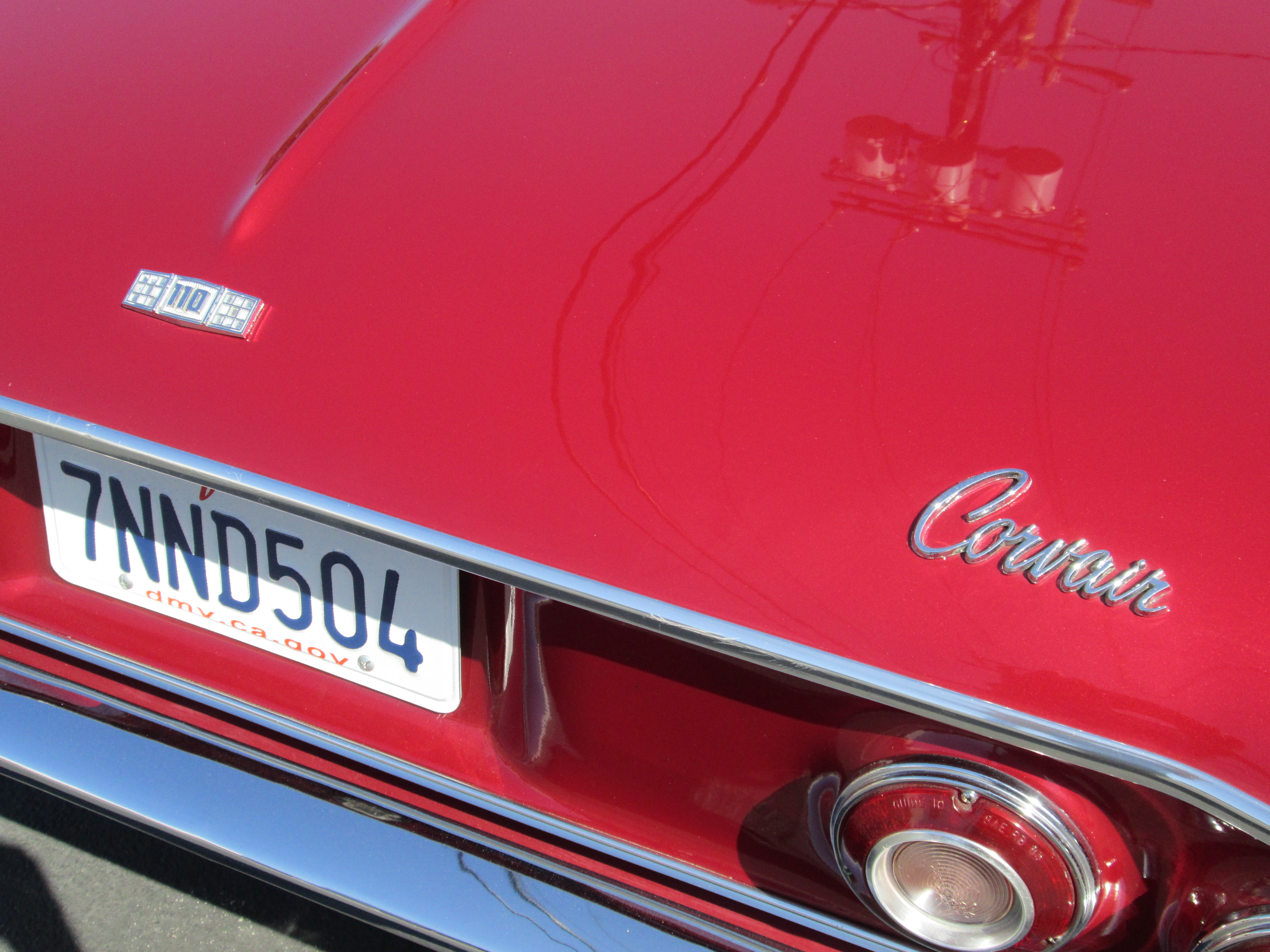
Cadmium Red Chevy Corvair

Martine is more devoted to her distant past than anyone else I know. Because during her childhood, at different times her mother owned two used Corvairs, a 1960 and a 1967, Martine wanted to visit a Corvair show at the Automobile Driving Museum in nearby El Segundo. We stayed the whole five hours of the show, from 10 am to 3 pm, and then we stayed a bit longer while Martine revisited the permanent collection of the museum.

I am not an automobile aficionado the way Martine is, so I was slightly bored. The high point for me was the Mexican street tacos that and aguas frescas that were sold by the Mexican food vendor. Other than that, I spent about an hour or two looking at the Corvairs before finding a bench and reading Jorge Amado’s 1984 Brazilian novel Jubiabá in translation.

Instead of rushing Martine through the show, I rather enjoyed her delight in revisiting the Corvairs of her youth. She was also on the lookout for Tony Dow, a Corvair enthusiast who played Wally Cleaver in the old “Leave It to Beaver” TV show. She thinks she may have seen him there, but he looks really different than he did some sixty years ago.

Martine Behind the Wheel of a 1960-Vintage Cadillac

One interesting thing about the Automobile Driving Museum is that visitors can sit behind the wheel of most cars in the museum’s collection. It was fun seeing Martine relive her childhood fantasies, even at the cost of some slight boredom on my part. So I guess it all balanced out.


The Day Life on Earth Almost Died

A Piece of the KT Boundary

Around the end of July, I wrote a post entitled Revisiting the Cretaceous Extinction. This week, I read a fascinating story entitled “The Day the Earth Died” in the April 8, 2019 issue of The New Yorker. The asteroid that collided with Earth around 65 million years ago was at least six miles wide and gouged a crater about eighteen miles deep and launched 25 trillion metric tons of debris into the atmosphere. The article goes on:

The damage had only begun. Scientists still debate many of the details, which are derived from the computer models, and from field studies of the debris layer, knowledge of extinction rates, fossils and microfossils, and many other clues. But the over-all view is consistently grim. The dust and soot from the impact and the conflagrations prevented all sunlight from reaching the planet’s surface for months. Photosynthesis all but stopped, killing most of the plant life, extinguishing the phyto-plankton in the oceans, and causing the amount of oxygen in the atmosphere to plummet. After the fires died down, Earth plunged into a period of cold, perhaps even a deep freeze. Earth’s two essential food chains, in the sea and on land, collapsed. About seventy-five per cent of all species went extinct. More than 99.9999% of all living organisms on Earth died, and the carbon cycle came to a halt.

This massive disaster left a signature layer across the entire surface of the planet referred to as the KT boundary, short for Cretaceous-Tertiary. (It is also referred to as the KPg boundary after the Tertiary was renamed the Paleogene by geologists.) This boundary layer is high in the rare element Iridium, which is most often found in meteorites and asteroids.

It is a sobering thought that an object from space only six miles across (10 km) could strike the Earth, which is eight thousand miles across (12,900 km) and end up killing virtually all life, and certainly annihilating the human race.

The asteroid collided with the Earth around Chicxulub on the Yucatán peninsula, which I plan to visit, hopefully with a geologist, early next year.

Serendipity: Poet and Savior

Russian Poet Maximilian Voloshin (1877-1932)

I have been reading Memories: From Moscow to the Black Sea by Nadezhda Lokhvitskaya (1872-1952), better known by her pen name, “Teffi.” It is the story of her last months in Russia and the Ukraine, desperately trying to escape the Red Terror of Lenin’s security forces. The following tale of a Russian poet by the name of Voloshin is a living testimony to the place of poetry in Russian culture.

Around the beginning of spring, the poet Maximilian Voloshin appeared in the city. He was in the grip of a poetic frenzy. Wherever I went, I would glimpse his picturesque silhouette: dense, square beard, tight curls crowned with a round beret, a light cloak, knickerbockers, and gaiters. He was doing the rounds of government institutions and people with the right connections, constantly reciting his poems. There was more to this than was at first apparent. The poems served as keys. To help those who were in trouble Voloshin needed to pass through certain doors—and his poems opened these doors. He’d walk into some office and, while people were still wondering whether to announce his presence to their superiors, he would begin to recite. His meditations on the False Dmitry [a monk who falsely claimed to be the son of Ivan the Terrible] and other Russian tragedies were dense and powerful; lines evoking the fearful burden of history alternated with soaring flights of prophecy. An ecstatic crowd of young typists would gather around him, ooh-ing and aah-ing, letting out little nasal squeals of horrified delight. Next you would hear the clatter of typewriter keys—Voloshin had begun to dictate some of his longer poems. Someone in a position of authority would poke his head around the door, his curiosity piqued, and then lead the poet into his office. Soon the dense, even hum of bardic declamation would start up again, audible even through the closed door.

On one occasion I too received a visit of this nature.

Voloshin recited two long poems and then said that we must do something at once on behalf of the poetess Kuzmina-Karavayeva, who had been arrested (in Feodosya, I think), because of some denunciation and was in danger of being shot.

“You’re friends with Grishin-Almazov [a local politico], you must speak to him straightaway.”

I knew Kuzmina-Karavayeva well enough to understand at once that any such denunciation must be a lie.

“And in the meantime,” said Voloshin, “I’ll go speak to the Metropolitan [a high Orthodox church prelate]. Karavayeva’s a graduate of the theological academy. The Metropolitan will do all he can for her.”

I called Grishin-Almazov.

“Are you sure?” he responded. “Word of honor?”

“Yes.”

“Then I’ll give the order tomorrow. All right?”

“No, not tomorrow,” I said. “Today. And it’s got to be a telegram. I’m very concerned—we might be too late already!”

“Very well, I will send a telegram. I emphasize the words: I will.”

Kuzmina-Karavayeva was released.


Journeying Toward the Zodiacal Light

Life’s a Journey…

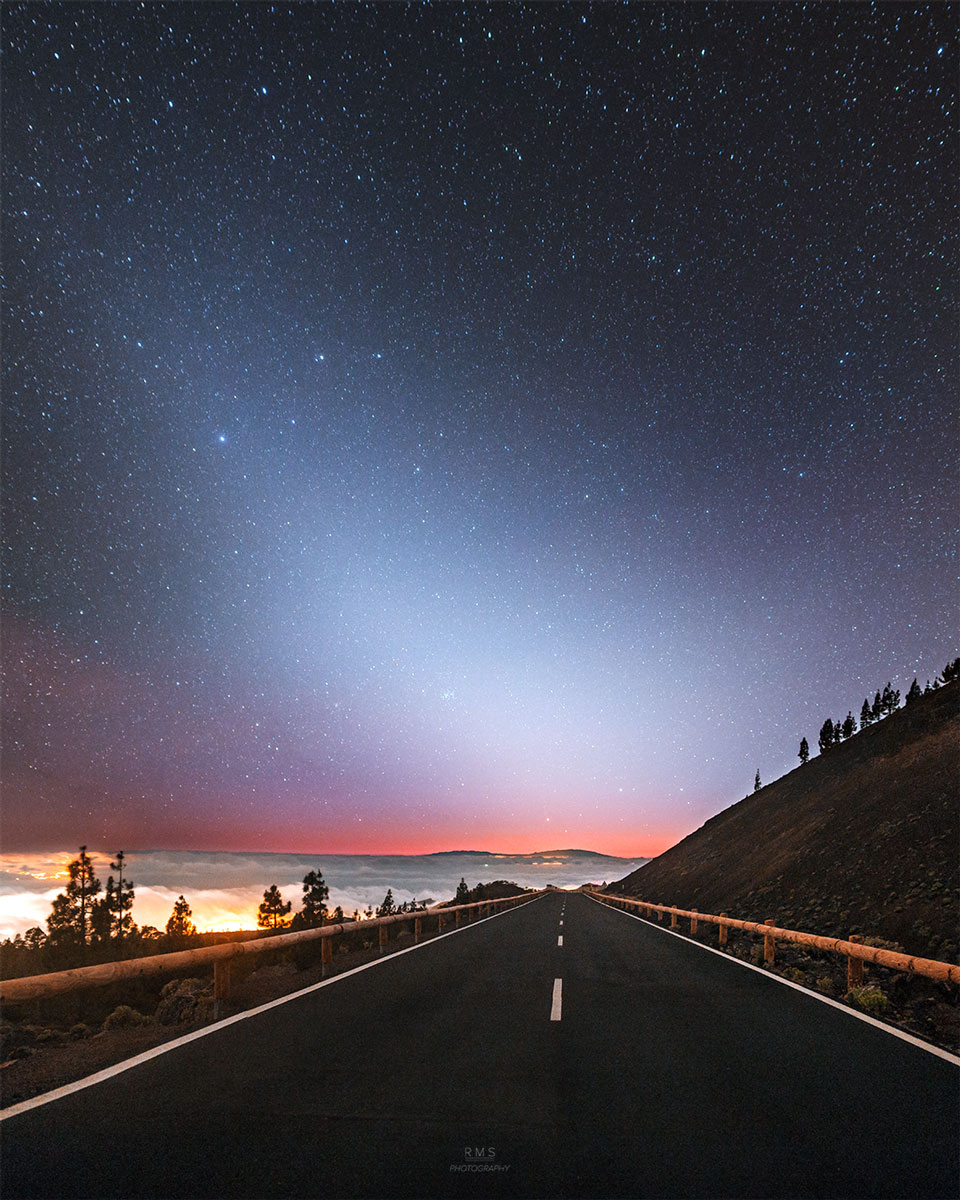
I love this picture from the Astronomy Picture of the Day website. The description of the photo from the website is very technical:

What’s that strange light down the road? Dust orbiting the Sun. At certain times of the year, a band of sun-reflecting dust from the inner Solar System appears prominently just after sunset—or just before sunrise—and is called zodiacal light. Although the origin of this dust is still being researched, a leading hypothesis holds that zodiacal dust originates mostly from faint Jupiter-family comets and slowly spirals into the Sun. Recent analysis of dust emitted by Comet 67P, visited by ESA’s robotic Rosetta spacecraft, bolster this hypothesis. Pictured when climbing a road up to Teide National Park in the Canary Islands of Spain, a bright triangle of zodiacal light appeared in the distance soon after sunset. Captured on June 21, the scene includes bright Regulus, alpha star of Leo, standing above center toward the left. The Beehive Star Cluster (M44) can be spotted below center, closer to the horizon and also immersed in the zodiacal glow.

Actually, the picture means more to me than that. Whenever I travel, I like to leave around sunrise. I imagine the road stretching out before me on the way to my destination. The journey itself is meaningful, almost irrespective of the destination. If I am flying, I make a point to get to the airport hours before the flight, and I make the airport into an intermediate destination, with surprises of its own.

If I am driving, I like the idea of getting out of Los Angeles traffic before most people have woken up. When the sun rises, I like to be in open country, which in the context of Southern California, usually means the desert.

To me, life is travel. It is something of a truism that life’s a journey … but it really is. It is a journey on which we have little notion of the destination. So I resolve to enjoy the journey as much as possible. Who knows what wonders may await us?


Four Travel Classics About Mexico

Fanny Calderón de la Barca’s Life in Mexico (1843)

There are four books written by foreigners over a hundred year period about their encounters with Mexico. They are all beautifully written classics of the travel genre. I present them below by order of publication.

Life in Mexico (1843)

Frances Erskine Inglis was a Scotswoman, herself of noble birth, who married the first Spanish ambassador to Mexico and became the 1st Marquise of Calderón de la Barca. She traveled extensively throughout the Republic and became enamored of the people and their culture. Even now her book is a delight to read and a major influence on writers who followed.

Charles Macomb Flandrau’s Viva Mexico! (1908)

Viva Mexico! (1908)

Next is a book of essays by an American author and essayist named Charles Macomb Flandrau. After a visit to a Mexican coffee plantation run by his brother William, Flandrau wrote Viva Mexico! about Mexico under the rule of dictator Porfirio Díaz who ruled for most of the years between 1876 and 1911. (He is famous for the following quote: “Poor Mexico! So far from God and so close to the United States!) Flandrau’s book is still quite readable today.

D. H. Lawrence’s Mornings in Mexico (1927)

Mornings in Mexico (1927)

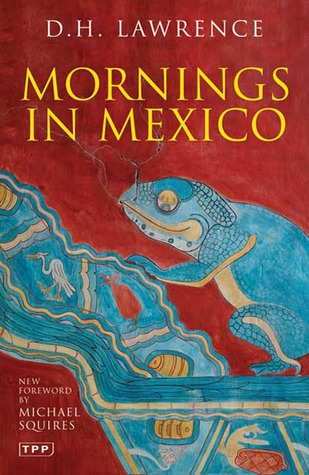
British novelist D. H. Lawrence has a mixed record when it comes to Mexico. His travel essays in Mornings in Mexico are among his best nonfiction, while his bloated novel The Plumed Serpent, written the previous year, is one of his worst works, showing no understanding of Mexican Indio culture.

Sybille Bedford’s A Visit to Don Otavio (1953)

A Visit to Don Otavio: A Mexican Journey (1953)

Finally, there is German/British writer Sybille Bedford’s account of a year spent in Mexico, mostly around Lake Chapala, just south of Guadalajara. The Don Otavio of the title is a charming Criollo host who makes the stay of Sybille and her companion at their lakeside estate an idyl. Whenever Sybille attempts to travel to most other destinations (including Acapulco, Mazatlan, Puebla, Mexico City, and Oaxaca), she runs into difficulties. Don Otavio’s estate is like a refuge in a country where travel (at least in the 1940s) was problematical at best.

Interestingly, Bedford is aware of and discusses the other three books mentioned above.


Inspiration for the “Space Force”

Now We Know What Our President Would Read (If He Could Read)

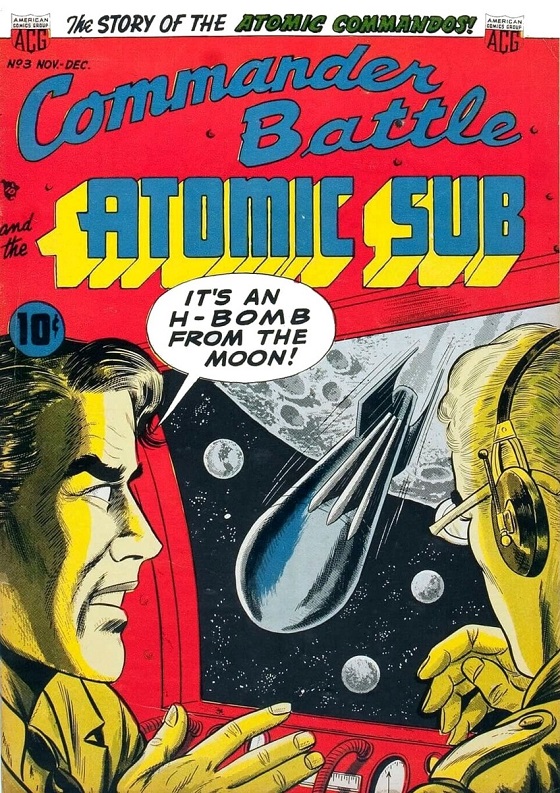
I strongly suspect that this comic is the source for our Presidente’s notion of a “Space Force” to protect us from Inter-Galactic Baddies. Since I happen to know that he can’t read, the source must have been one of his staff, perhaps Mike Pence, who has been looking quite spacey lately—especially since the scuttlebutt is that our next Vice-Presidente may be Ivanka. (She would look particularly good in a space suit, to match the spaciness of her usual facial expression.)

Where Is the “Mission Accomplished” Sign?


Blood on the Bayou

Mystery Writer James Lee Burke

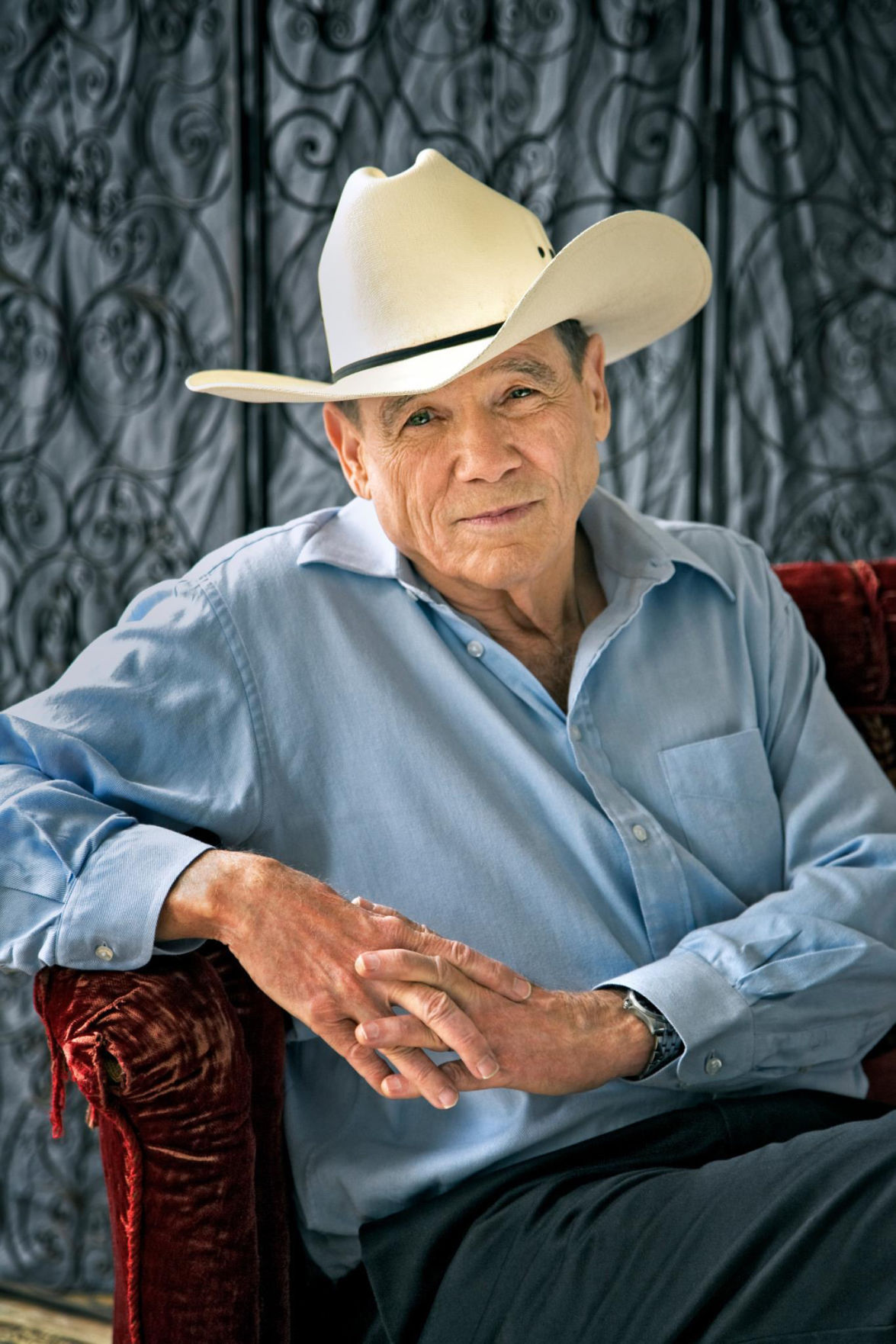
I have been reading occasional mystery novels by James Lee Burke over the years. Having just finished the first novel in the Dave Robicheaux series—Neon Rain (1987)—I now know why I like him so much.

Dave Robicheaux is the hero of most of Burke’s novels. After a traumatic stint in Vietnam, he joins the New Orleans Police Department. He has had a problem with alcoholism and a history with Twelve-Step programs, as well as a distrust of authority. At one point in Neon Rain, he says:

Like many others, I learned a great lesson in Vietnam: Never trust authority. But because I had come to feel that that authority should always be treated as suspect and self-serving.

His pictures of the Southern Louisiana landscape sometimes wax on the poetic:

Clouds of fog swirled off the bayou through the flooded woods as I banged over an old board road that had been cut through the swamp by an oil company. The dead cypresses were wet and black in the gray light, and green lichen grew where the waterline touched the swollen bases of the trunks. The fog was so thick and white in the trees that I could barely see thirty feet ahead of the car. A rotted plank snapped under my wheel and hanged off the oil pan. In the early morning stillness the sound made the herons and egrets rise in a sudden flapping of wings toward the pink light above the treetops. Then to one side of the road, in a scoured-out clearing in the trees, I saw a shack built of Montgomery Ward brick and clapboard, elevated from the muddy ground by cinder blocks and cypress stumps, with a Toyota jeep parked in front.

And:

Somewhere down inside him, he knew that his fear of death by water had always been a foolish one. Death was a rodent that ate its way inch by inch through your entrails, chewed at your liver and stomach, severed tendon from organ, until finally, when you were alone in the dark, it sat gorged and sleek next to your head, its eyes resting, its wet muzzle like a kiss, a promise whispered in the ear.

There is a great deal of violence in the plot as Robicheaux fights his police force and various Federal agencies at the same time as he tracks down a set of murderous thugs, one by one.


“On the Extinction of the Venetian Republic”

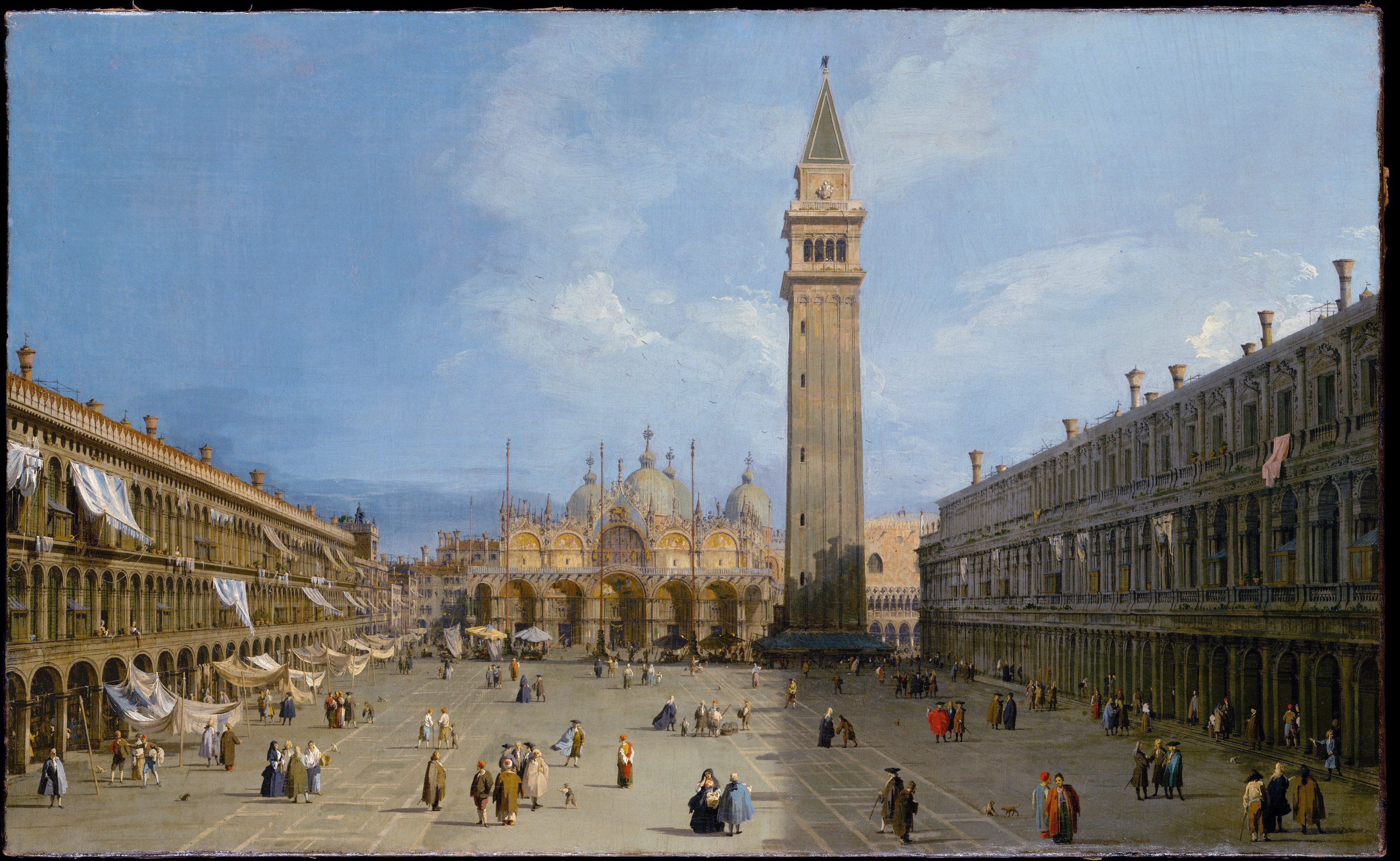
St Marks Square in Venice by Canaletto

I cannot read this sonnet by Wordsworth without thinking of the plight of the United States, which has fallen so low after its postwar high. In 1797, Napoleon took Venice and apportioned her territory between Austria and France, putting an end to a once-powerful empire that had lasted almost a thousand years.

On the Extinction of the Venetian Republic

Once did She hold the gorgeous east in fee;
And was the safeguard of the west: the worth
Of Venice did not fall below her birth,
Venice, the eldest Child of Liberty.
She was a maiden City, bright and free;
No guile seduced, no force could violate;
And, when she took unto herself a Mate,
She must espouse the everlasting Sea.
And what if she had seen those glories fade,
Those titles vanish, and that strength decay;
Yet shall some tribute of regret be paid
When her long life hath reached its final day:
Men are we, and must grieve when even the Shade
Of that which once was great is passed away.

That final couplet packs a real punch.

War All the Time

Ball Court at Maya Ruins in Copán, Honduras

I have just finished reading Maya Cosmos: Three Thousand Years on the Shaman’s Path by David Freidel, Linda Schele, and Joy Parker. It was not an easy book to read, and it was a bit on the speculative side, but it brought forth a highly original interpretation of the fall of Classical Maya Civilization (approximately AD 250-800):

In their own way, the Maya thus acknowledged the terrible truth of war as statecraft: the authority of a small number of people over the many who must suffer and die in combat. But unlike our leaders, Maya rulers themselves went to war with the men they sent; and Maya kings and their noble vassals put not only their bodies but also their souls in jeopardy every time they clashed. It is no exaggeration to say that they lived for those moments of truth, those trials of the strength of their spirits. Every major political activity in their lives—the dedication of every public text, image, and building of royal and community importance—required the capture and sacrifice of rival peers. Only in this way could the proper rituals of sanctification be fulfilled, the gods nourished, and the portals of communication opened between the human and the divine.

When the Maya stopped inhabiting their ceremonial centers around AD 800, it wasn’t because they had disappeared: They found that there was too high a price to pay to maintain the god/kings in their position of rule. My personal belief was that certainly was one of the reasons why the Classical Civilization fell, but not the only reason

Macaw Markers from the Copán Ball Court

Intimately connected with the endless wars were a serious of gladiatorial combats in the form of … a ball game. Ball courts were scattered throughout Mesoamerica. At times, the games were friendly and/or ceremonial, but often they were played with the god/kings and nobles of other cities. The losing side was sacrificed to the gods. During the game, the ball could not be hit by the hands or feet: Only the thigh or hip could be used. The ball, made of rubber, was bounced against the sides of the ball court—but at no time was it allowed to touch the ground. If it did, game over—and lost.

Many a Maya god/king was sacrificed in this way, including the great 18 Rabbit of Copán, who was sacrificed at Quiriguá, which was a much smaller Maya polity.


Two English Poets in Iceland

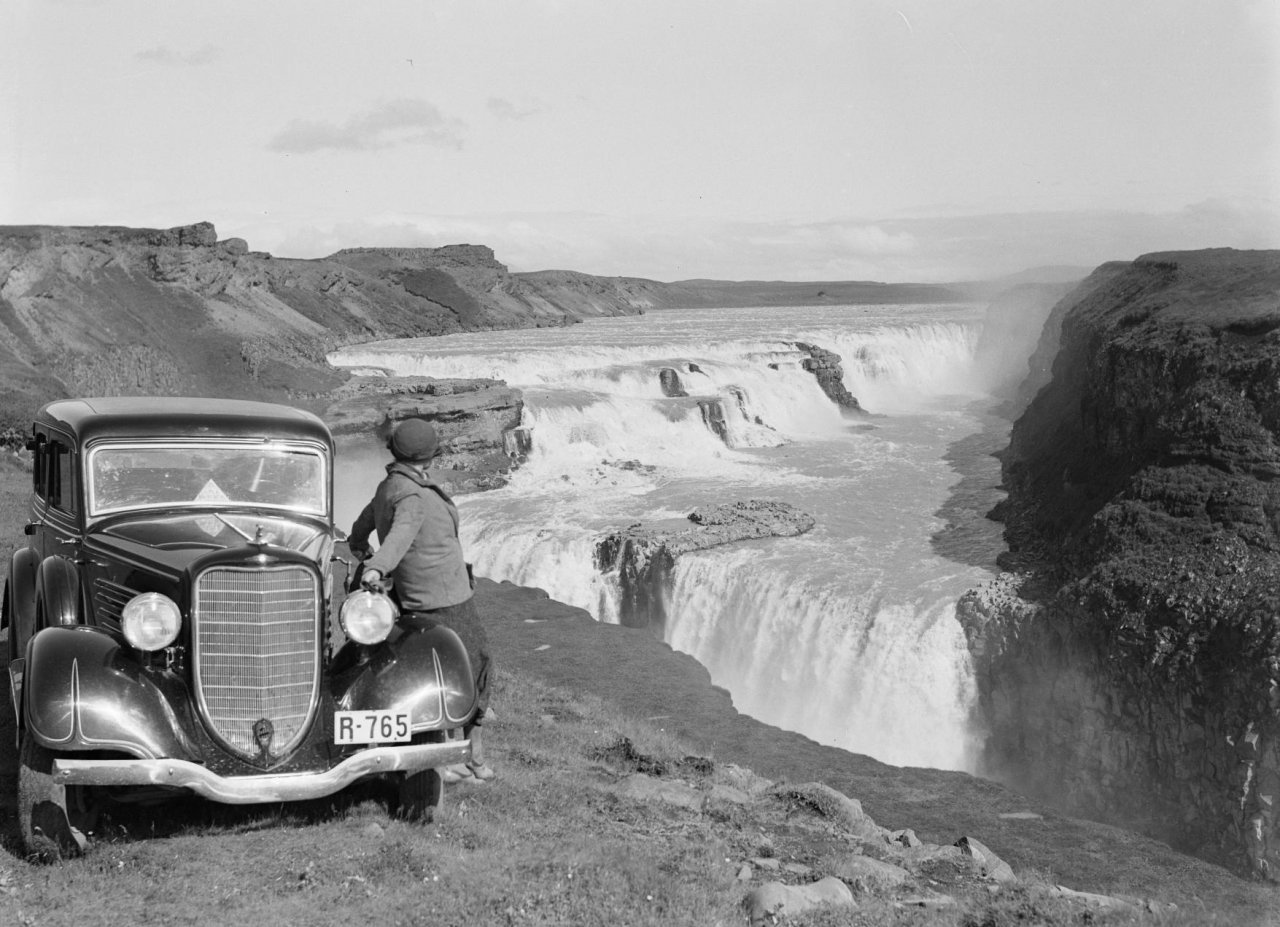
The Falls at Gullfoss Around the Time of Auden and MacNeice’s Visit

Around 1936, W.H. Auden and his companion Louis MacNeice visited Iceland, which resulted in a delightful travel-cum-poetry book entitled Letters from Iceland. Here are a few excerpts from the poetic “Letter to Graham and Anne Shepard” signed by MacNeice:

So I came here to the land the Romans missed,
Left for the Irish saint and the Viking colonist.
But what am I doing here? Qu’allais-je faire
Among these volcanic rocks and this grey air.
Why go north when Cyprus and Madeira
De jure if not de facto are much nearer?
The reason for hereness seems beyond conjecture,
There are no trees or trains or architecture,
Fruits and greens are insufficient for health
And culture is limited by lack of wealth,
The tourist sights have nothing like Stonehenge,
The literature is all about revenge.
And yet I like it if only because this nation
Enjoys a scarcity of population
And cannot rise to many bores or hacks
Or paupers or poor men paying Super-Tax.

Later in the poem, he becomes more reflective:

Here is a different rhythm, the juggled balls
Hang in the air—the pause before the soufflé falls,
Here we can take a breath, sit back, admire
Stills from the film of life, the frozen fire;
Among these rocks can roll upon the tongue
Morsels of thought, not jostled by the throng,
Or morsels of un-thought, which is still better….

Harðfiskur

Both the prose and the poetry are worth reading. For instance, here is Auden’s opinion on the cuisine of the island:

Dried fish [harðfiskur] is a staple food in Iceland. This should be shredded with the fingers and eaten with butter. It varies in toughness. The tougher kind tastes like toe-nails, and the softer kind like the skin off the soles of one’s feet.