Nightmare in Quito

The Center of Quito, Ecuador

Roughly four years ago today, I had the worst night of my life. Curiously, I was on the last night of my vacation in Ecuador at the time. It was election night in the USA, and I made the mistake of tuning in on CNN for the voting coverage. Big mistake!

I could not believe my eyes that Trump was winning. Not that I liked Hillary Clinton, but I thought her opponent was—at best—a total buffoon. There I was at the Hotel Viejo Cuba in the relatively posh La Mariscal district, waking up every few minutes and compulsively turning on the television.

When I finally stumbled out of bed in the morning, I knew I had to get a cab to the airport—but I didn’t want to return to the United States! That night, I had lost faith in my fellow Americans. How could they do such a thing to themselves, acting against their own interests.
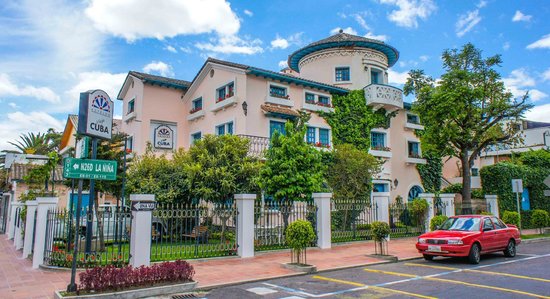
The Hotel Viejo Cuba in Quito

It is now 9:20 PM in Los Angeles, and I don’t have any idea how the final count will go. But I still distrust the American voter—even more, if that is possible. There are some Trump-voting states that I would never want to visit, such as West Virginia and North Dakota. And I feel somewhat queasy about some of the rural areas in California.

Whatever happens tonight, I am not the same person I was before the 2016 results came in.

Todos Somos Calaveras

Statue of Skeletal Woman at Mérida’s Hotel La Piazzetta

At some time in the 1980s—I disremember the year—I was on a long bus ride between Mazatlán and Durango over the mountains. It was November 2, the Day of the Dead, and the bus was crowded with men, women, and children headed toward distant cemeteries with baskets of food. A young mother with a baby and numerous packages sat down next to me taking the aisle seat. I helped her by holding the child or various packages for a while, until she disappeared at some small town to hold a picnic by the grave of one of her loved ones. Was it her husband? her mother? I never knew.

The following quote is from Elizabeth Sayers and Chloe Sayer’s book The Skeleton at the Feast. It throws some light on the feast day:

In Mexico—to quote Ms Sayer—the first and second of November belong to the dead. According to popular belief, the deceased have divine permission to visit friends and relatives on earth and to share the pleasures of the living. To an outsider the celebrations might seem macabre, but in Mexico death is considered a part of life. A familiar presence, it is portrayed with affection and humor by artists and crafts workers. For the Aztec, as for other ancient peoples, death signified not an end but a stage in a constant cycle. Worship of death involved worship of life, while the skull—the symbol of death—was a promise of resurrection…. The death of the individual was seen as a journey, for which numerous offerings were needed. Life is a fleeting moment—a dream—from which death awakens us.

It is all summarized in the Mexican saying “Todos somos calaveras”—“We are all skeletons.” The candy stores are full of confections shaped like skulls and skeletons. All the energy that we Gringos put into Halloween is directed toward La Dia de los Muertos. I suspect that, perhaps, the Mexican holiday is, all told, more healthy than our Halloween.

10,000+ Saints

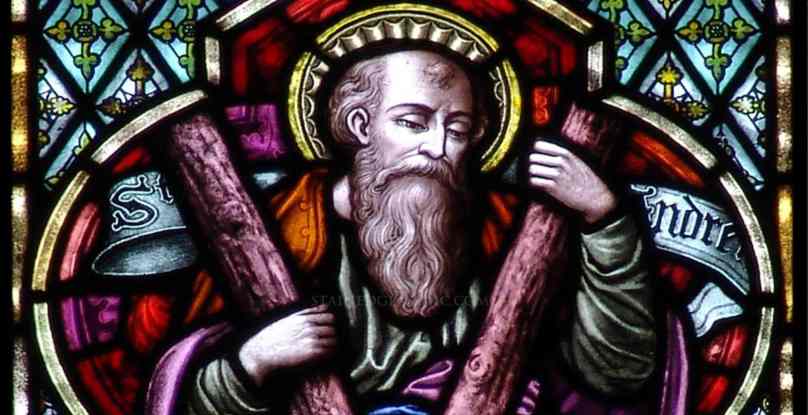
Saint Andrew, Patron Saint of Scotland

Today is All Saints Day, which neatly occupies a space between Halloween and the Day of the Dead (All Souls, or the Dia de los Muertos in Mexico). It is one of the Catholic “Holy Days of Obligation,” when the observant believer was required to attend church services, even if they didn’t fall on the Sabbath.

It is said that there are more than 10,000 saints recognized by the Catholic Church. Just one grouping consists of St Maurice and the entire Roman legion he commanded, the garrison of Thebes in Egypt, consisting of over 6,000 souls, who had converted to Christianity and were martyred by decimation in AD 286 by order of the Emperor Maximian. I’m not even sure the Church knows the names of the members of that garrison.

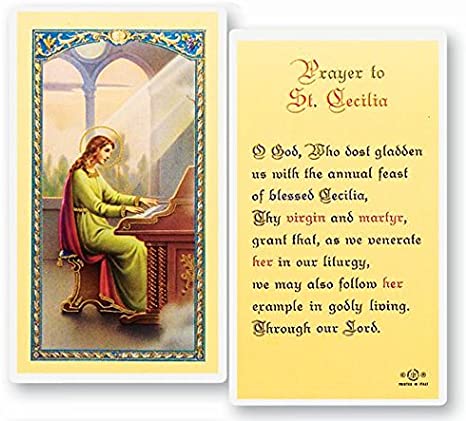
When I was in grade school at St Henry (himself the Holy Roman Emperor Henry II who ruled from AD 1004 t0 1024), the Dominican nuns would reward us for good behavior with what we called holy cards, which are now called prayer cards. They’re still around:

Prayer Card for St Cecelia, Patron of Music

I remember once visiting San Cristobal de Las Casas (named after St Christopher, who is no longer officially venerated) during the Feast of St Cecelia held around the local church named after her. It was one of the best Mexican fiestas I ever attended.

When I visit Christian churches that are not richly decorated with statues, stained glass windows, and paintings depicting the saints, I feel that there is something missing. I often think the bare white walls could do with a few saints. After all, the Bible was written two or more thousand years ago: I see the saints as manifestations that the Christian God did not simply go on vacation after the Crucifixion to work on His tan.

In Lima, Peru, I visited the burial of three New World saints of the 16th century, one of whom, St Martin de Porres, was African-American. His feast day is celebrated on November 3, Election Day this year.

St Martin de Porres in the Chapel Dedicated to Him

If it seems strange to you that a non-practicing Catholic such as myself feels the way I do about the saints, I see it as part of the richness of the Catholic (and Eastern Orthodox) religion that appeals to me. In their own way, the saints update Christianity.

I may not be a good Catholic, but I prayed to St Martin de Porres when I visited his chapel and saw where he was buried.

Happy Halloween!

In this truly ghastly year of 2020, I sincerely wish all of you a happy—and safe—Halloween. It happens to be one of the more meaningful holidays on my own calendar. Unlike Memorial Day, the 4th of July, Columbus Day, Thanksgiving, or even Christmas. I mean all of us are on a journey, and the holiday commemorates the destination of that journey, for all of us, even for “billionaires” like Trump.

It’s followed on November 1 by All Saints Day and on November 2 All Souls Day, known in Mexico as the Dia de los Muertos.

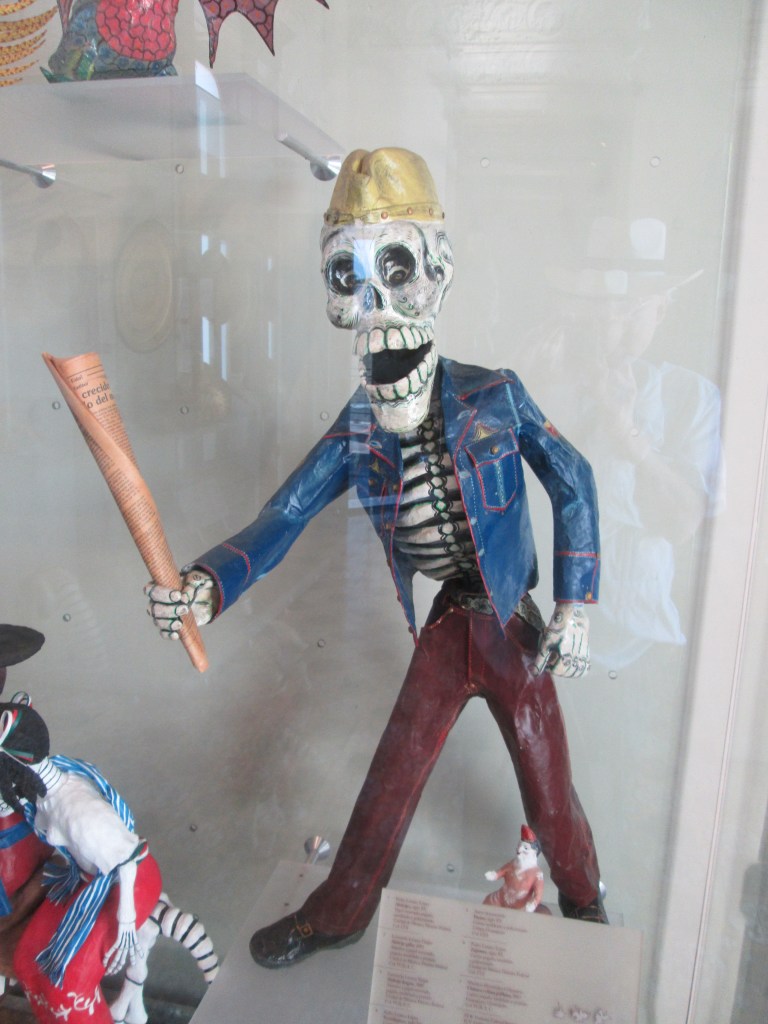
Mexican Folk Art with Skeleton

Although no kids have come Trick or Treating at my place for over thirty years, I’ve always liked Halloween. (Kids don’t like to climb stairs, even though I’m only on the second floor.)

The Halloween 2020 Book List

A Canadian Adaptation of LeFanu’s Carmilla (2017)

Every October, I usually read several novels and short stories in the horror genre. I do not care that much for the current stuff, like Stephen King or Dean Koontz. My preference is for the classics, and those tend to be concentrated in the late 19th century.

The books I read this month were:

  • Shirley Jackson’s Dark Tales
  • Joseph Sheridan LeFanu’s In a Glass Darkly, which included the short novels Carmilla and The Room in the Dragon Volant
  • Arthur Machen’s The Great God Pan and Other Horror Stories, a new collection edited by Aaron Worthy

Shirley Jackson is most famous for her short story “The Lottery,” but she also wrote such novels as We Have Always Lived in the Castle and The Haunting of Hill House.

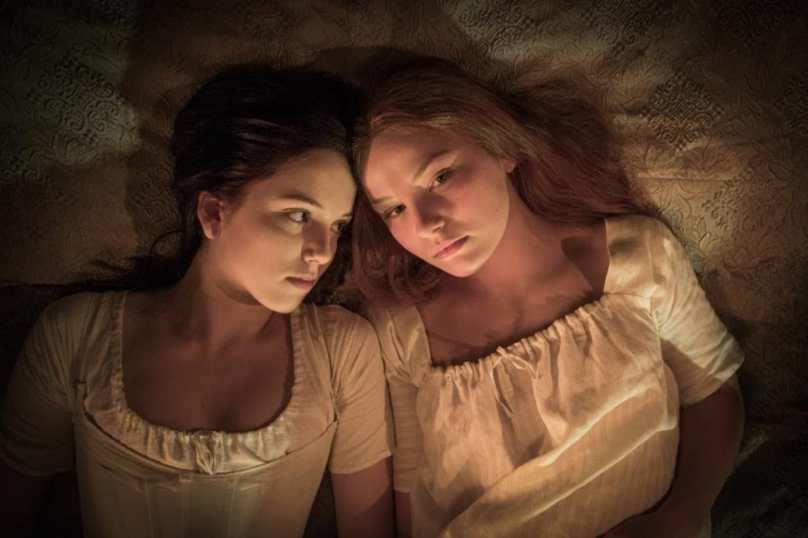
Sheridan LeFanu (1814-1873) was an Irish author who wrote some classic tales of horror, especially Carmilla, a tale of a lesbian vampire who predated Bram Stoker’s Dracula by some twenty years. In 1960, it was made into a film by Roger Vadim entitled Blood and Roses (in France: Et mourir de plaisir). At the time I attended college, it was the most popular film showed by the Dartmouth Film Society.

Welsh Horror Tale Author Arthur Machen

Finally, there was a delightful collection of novellas and tales by Arthur Machen (1863-1947). Most of Machen’s best work was composed up to the late 1920s and included the classic The Great God Pan (1894), which tells of what happened when a young woman who, upon being exposed to the Greek god Pan, created a trail of destruction that spanned several continents.

Women Walking Away

They Walk Away From Me, So To Hell With ’Em

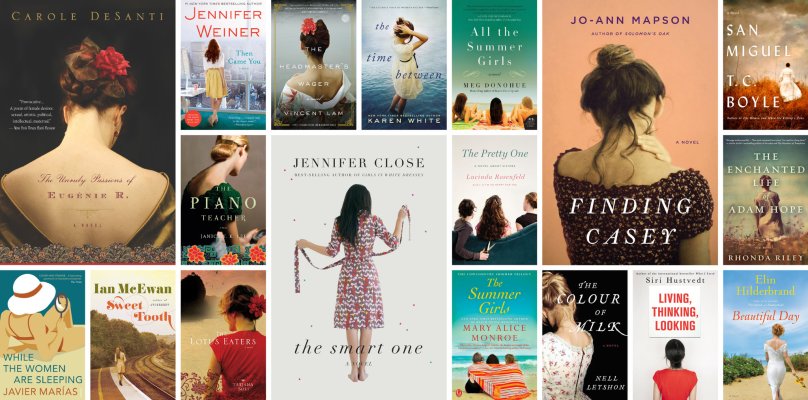
Today I stopped in at Barnes & Noble at The Grove (adjacent to the original L.A. Farmers Market at 3rd and Fairfax). I never cease to be amazed at the lack of variety in the cover designs of paperbacks meant for the women’s market. Here are the basic elements:

  • Women walking away with their faces infrequently shown
  • Extra points for wearing fashions of bygone days
  • Or: Back mostly bare

The above photograph shows a montage of women’s titles circa 2013. Now, seven years later, it’s still the same.

This monotony does perform a useful function for me: With rare exceptions, I wouldn’t select one of those “women walking away” books. I would expect to find that their contents are mostly what I call excessively “relationshippy,” and mostly from a parochial feminine perspective.

No offense meant, but most fiction targeted primarily at female readers is not my cup of tea.

One exception:

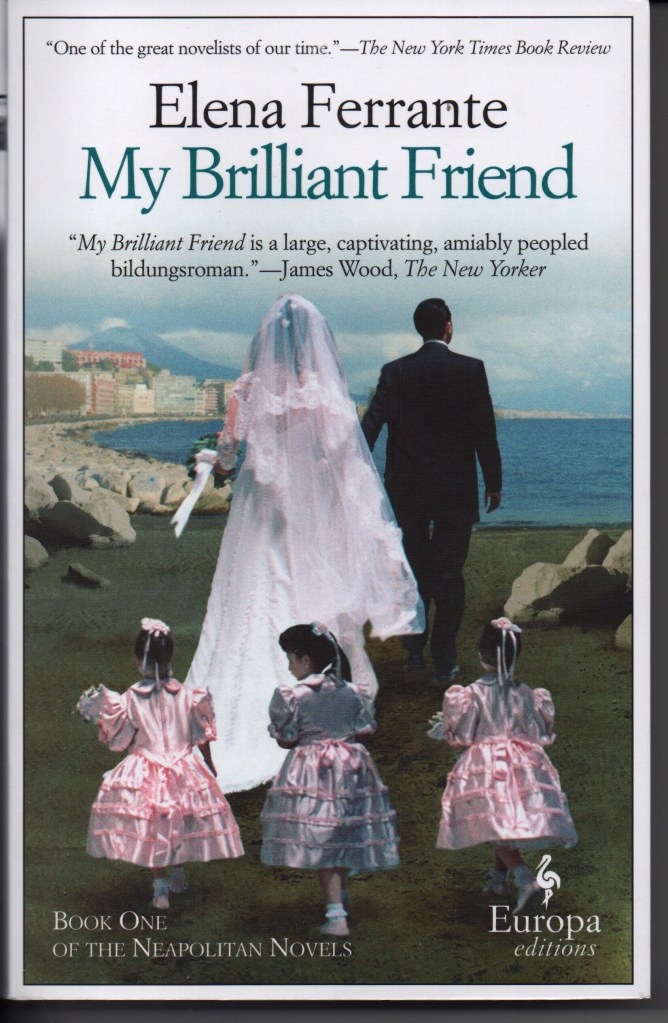
Omigosh! Four Women Walking Away—and One Guy!

Elena Ferranate’s My Brilliant Friend was an excellent novel about a girlhood in Naples, Italy. Eventually, I’ll tackle the sequels in the trilogy.

More on That Wind

Ontario CA Airport Terminal

The day before yesterday, I posted a description of driving back to L.A. from the desert in a big wind. In yesterday’s Los Angeles Times, I discovered just how strong those winds were:

The powerful winds, which included gusts that topped 80 mph in at least one location, toppled big rigs in the Inland Empire [San Bernardino and Riverside Counties] and forced officials to briefly close Ontario International Airport. Don Gregorio, meteorologist for the National Weather Service in San Diego, said gusts at the airport on Monday had clocked in as high as 70 mph.

I was just south of Ontario Airport on Archibald Avenue when I encountered the worst of the winds.

Breaking Quarantine

California Fan Palms Growing from Sulfurous Ponds

This last weekend, I spent a long weekend with my brother and sister-in-law in Palm Desert. Atypically, the weather was perfect. Dan mentioned that until I arrived, the temperature had risen to over 100° Fahrenheit (38° Celsius) for over 100 days in a row. While I was there, the high was closer to 80° (27° Celsius).

It felt good to see my brother again after 7 months of close quarters in West Los Angeles. We went swimming three days in a row, and even re-visited a couple of local sites.

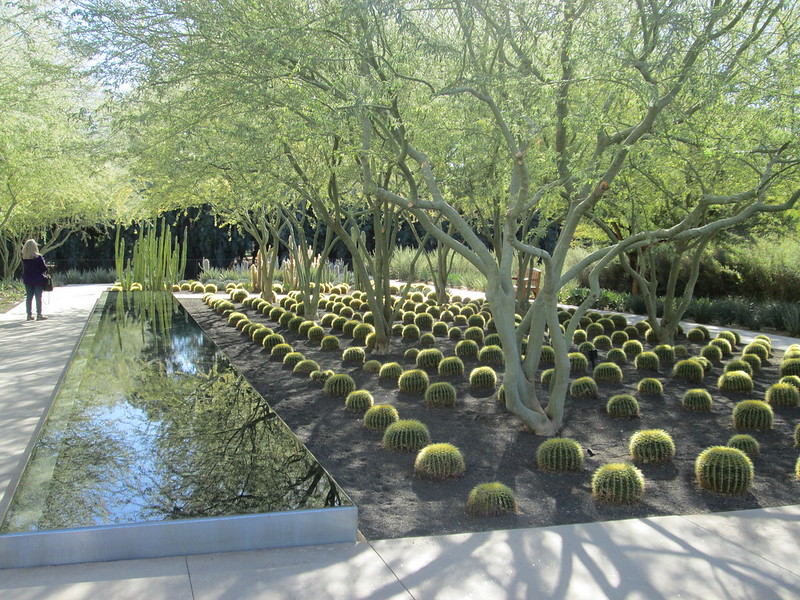
These included the lovely Thousand Palms oasis and the Sunnylands park on the Annenberg Estate in Rancho Mirage.

One of the Cactus Gardens on the Annenberg Estate

Not all the facilities at both locations were open due to the coronavirus outbreak, but seeing anything beautiful these days is a rare pleasure—especially during a particularly ugly election year.

“How Close to the Edge We Are”

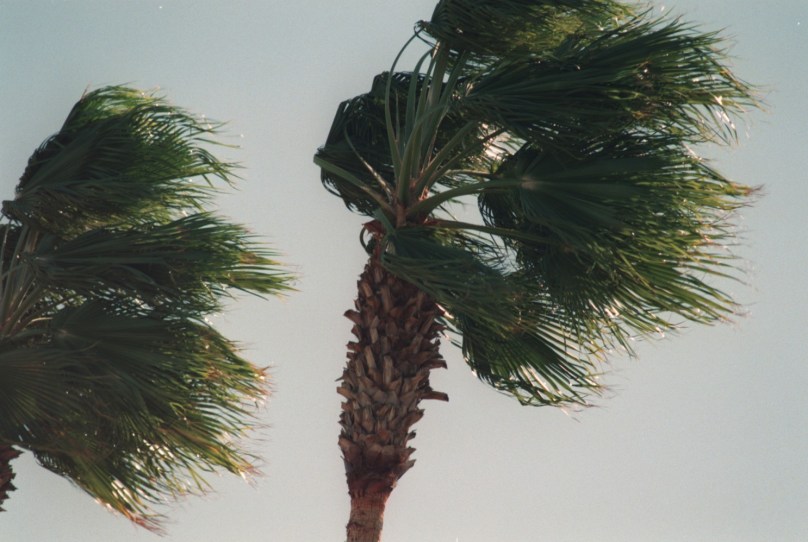
Desert Wind Bending Palms

It was L.A. author Joan Didion who said, “The wind shows us how close to the edge we are.”

After spending a weekend in the desert with my brother, I drove back to Los Angeles in a veritable windstorm. The worst of it was in Ontario, where I pulled off the freeway to pump gas and use the bathroom, the rest area at Calimesa being closed.

When the wind blows from the north, it whips through Cajon Pass and pummels the communities adjacent to Interstate 15 with an intensity which at times could be frightening.

So it was for me at the Shell Station off California 60 on Archibald Road. I had difficulty opening the driver-side door: It was as if the wind had nailed it shut. I knew better than to try to wear my cap and end up chasing it to San Diego, but little did I suspect that my eyeglasses were in the process of being yanked off my head and sent swirling into the blowing leaves and dust.

As I got back on the road to the freeway on-ramp, I had difficulty keeping my Subaru in my lane, driving as I did between 18-wheelers.

The worst of the wind was there, but it was also pretty wild at Cabazon, which sits on the low pass connecting San Jacinto Peak with Mount San Gorgonio.

My brother made a point of calling me around noon to see whether I was able to navigate the gusts without mishap. He said that it had gotten equally intense in Palm Desert, where he lived.

The Indian Canyons at Palm Springs

California Fan Palms at Palm Canyon

The area around Palm Springs is dominated by the huge mass of Mount San Jacinto. Nowhere else in California is there such a precipitous ascent from base to peak, 8,000 feet (2,438 meters).

While much of the surrounding landscape is bone dry, there are a number of lush canyons on Indian reservation land around the mountain. The Indians in question are the Agua Caliente Band of Cahuilla Indians, who own a crazy quilt of checkerboarded land in and around Palm Springs.

I have visited Palm and Andreas Canyons, and would welcome a chance to see Tahquitz Canyon (below) which was out of bounds to visitors for decades after having been desecrated by hippies in the 1960s. I have never been to Murray Canyon.

Waterfall at Tahquitz Canyon

There is also a Visitor Center (closed during the coronavirus outbreak) near Palm Canyon, where the Cahuillas sell books and souvenirs. Please note there is an admission charge to visit the Indian Canyons.

Because the area is bone dry most of the year, the tribe requires that visitors come equipped with between 16 and 48 ounces of drinking water.