High Rise Hell

Manhattan: Esplanade Apartments and Lake Shore Drive Apartments

American urban architecture is, for the most part, a series of rectangular Kleenex boxes fronted by rows of large glass windows, requiring scandalous amounts of electricity for air conditioning. When Mies van der Rohe and other postwar architects pioneered their glass towers, they little thought that they were creating unhealthy environments for companies and their workers, and even more so for the dwellers of apartments and condominiums built in that style.

For a quarter of a century, I worked in two such glass towers in the Westwood neighborhood of Los Angeles, just south of the University of California Los Angeles (UCLA). They were right across Westwood Boulevard from each other, and both had what I feel is a baneful effect on my health.

It was only when I retired that I discovered I was not always coming down with colds and headaches. The way that air is circulated in these towers reminds me of giant free-standing Petri dishes.

With global warming, it is becoming more expensive than ever to cool these buildings, at a time when the air outside is requiring even more juice for the HVAC (heating, ventilation, and air conditioning) system. In Los Angeles during the frequent heat waves, I remember dreading going down to the parking lot to get my car. It was almost like crawling through a sewer.

All these architectural fads are based on what seems cheap and feasible at the time they are introduced.
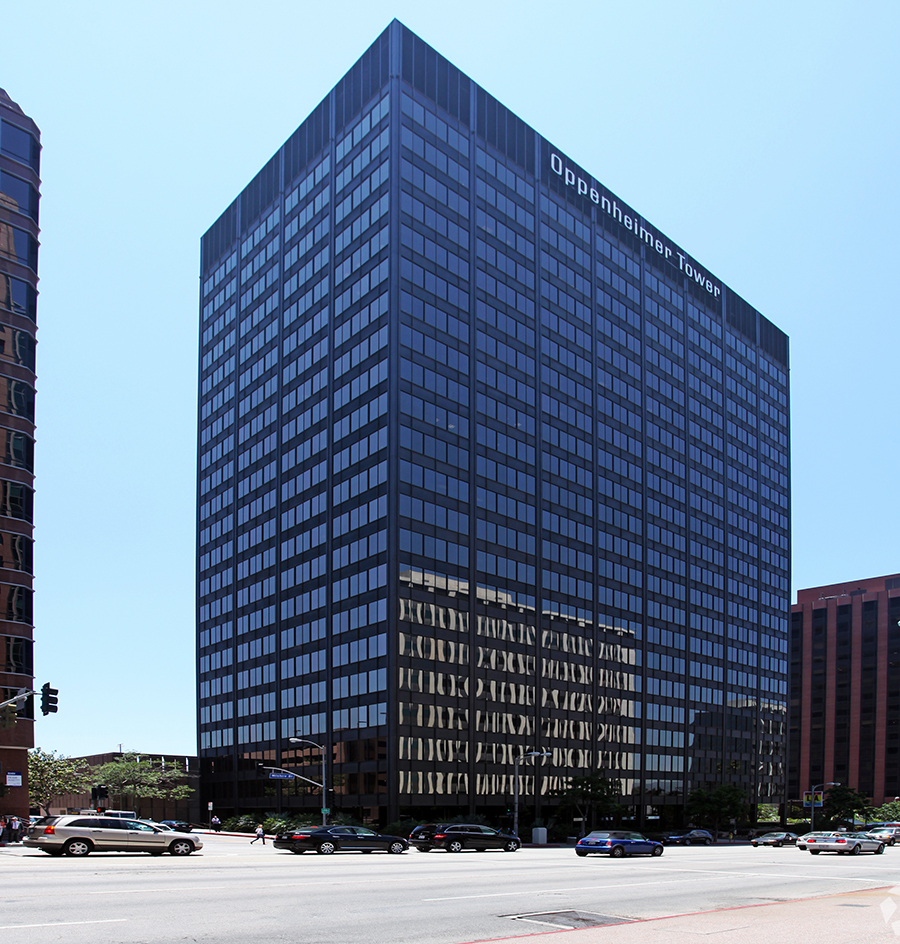
I Spent 16 Years Here

I remember once taking a course in commercial real estate at UCLA. One of the things I learned is that building owners could request—and get—higher rent for suites which have corner offices. Just the sort of thing for a CEO with a swelled head! And that’s one of the reasons for all the Kleenex boxes.
Boy Jeezus, That’s a Pissah!

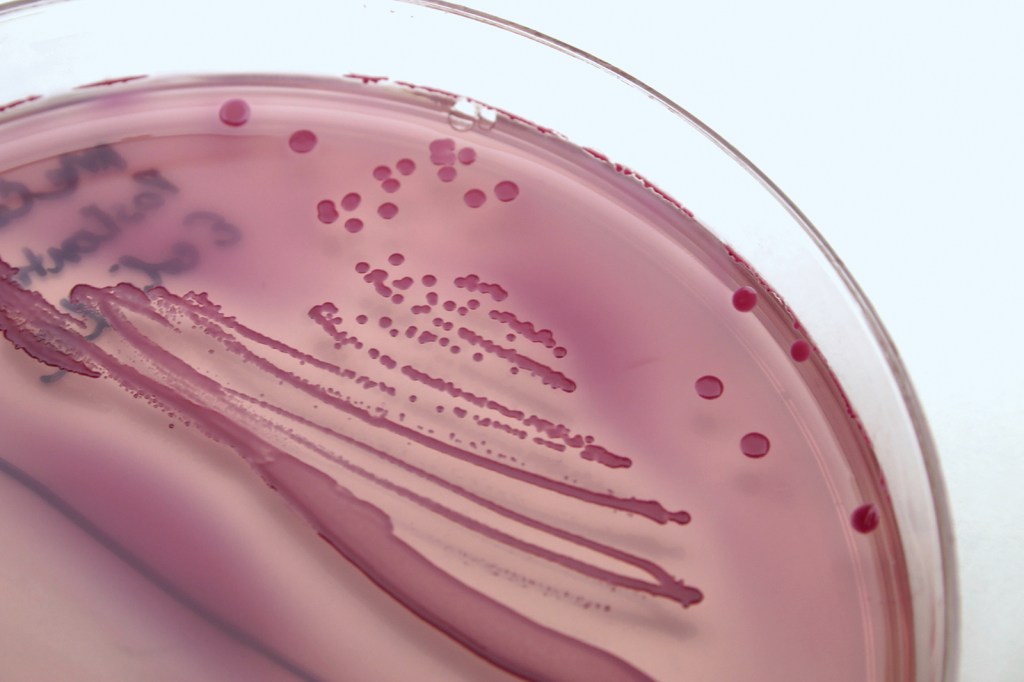
Bacteria in a Urinary Tract Infection

When I was a student at Dartmouth, we all made fun of the local New Hampshire employees, whom we called emmets. The most typical speech mannerism was the same as the title of this posting. At the time, I never realized the irony of that phrase.

After I graduated from college, and days before I was to head out for graduate school in Los Angeles, I got the mother of all headaches and lapsed into a coma. It turns out that I had a pituitary tumor, called a chromophobe adenoma. Making the right diagnosis in 1966 was a flipping miracle: Remember that MRIs and CAT Scans weren’t around then. All they had to go on were fuzzy X-Rays, and sheer deduction based on miscellaneous hard-to-interpret factors.

With luck, I not only survived, but I made medical history. The only problem is that I paid for it with a scarred urethra caused by some ICU staffer who forced a catheter up my urethra at a time when, groggy with drugs, I thought I was being attacked and resisted what I perceived was violence.

Well, boy Jeezus it was a pissah! For several years, my scarred urethra tended to shut down, forcing a procedure variously called a dilation or a cystogram tray. I have undergone that procedure about eight times over the last fifty-five years, and I’m going to have to undergo it again on Tuesday because I currently am recovering from a urinary tract infection.

This weekend, I leaked so bad I went around in Depends adult diapers. I either peed into the diaper, or had to carefully aim my instrument at the toilet while the stream tried to go in every which direction. The dilation will be a sort of quick fix, but it will result in copious if painful urination for about two weeks until the urethral scars tend to close up again.

There is no pain I have endured in this life compared to a dilation. It’s like fifteen or twenty minutes of being whipped with a cat-o-nine tails.

With luck, the pain will eventually go away, and the urethra will open up slightly … until the next time.

Now, wasn’t that fun?

A Modest FODMAP Success

Here’s the Skinny on What You Must Avoid If You Have IBS

Although Martine keeps telling me not to worry about cooking for her, I feel challenged by the difficulty of preparing a meal that she can eat without triggering her IBS. So I made a ground sirloin and fusilli dish with celery, sweet red pepper, Chinese eggplant, fresh tomatoes, and tomato sauce with basil.

Missing were onions and garlic, which are two baddies. I naturally thought that without onions, the dish would be as yucky as last week’s ghastly FODMAP stew, consisting of ingredients that just didn’t belong with one another. I actually didn’t miss the onions, and I added garlic powder to my portion.

The big surprise was the quinoa pasta that actually tasted pretty good. I’ve had quinoa soup in Peru and Ecuador and liked it. This pasts contained no wheat or rice or corn, yet it was acceptable.

I can’t guarantee that all my FODMAP cookery will please Martine. At least, it shouldn’t disgust either of us.

FODMAP

Foods To Be Avoided If You Have IBS (Irritable Bowel Syndrome)

Martine has suffered for years with a digestive disorder known as Irritable Bowel Syndrome (IBS ). According to the Mayo Clinic’s website:

Irritable bowel syndrome (IBS) is a common disorder that affects the large intestine. Signs and symptoms include cramping, abdominal pain, bloating, gas, and diarrhea or constipation, or both. IBS is a chronic condition that you’ll need to manage long term.

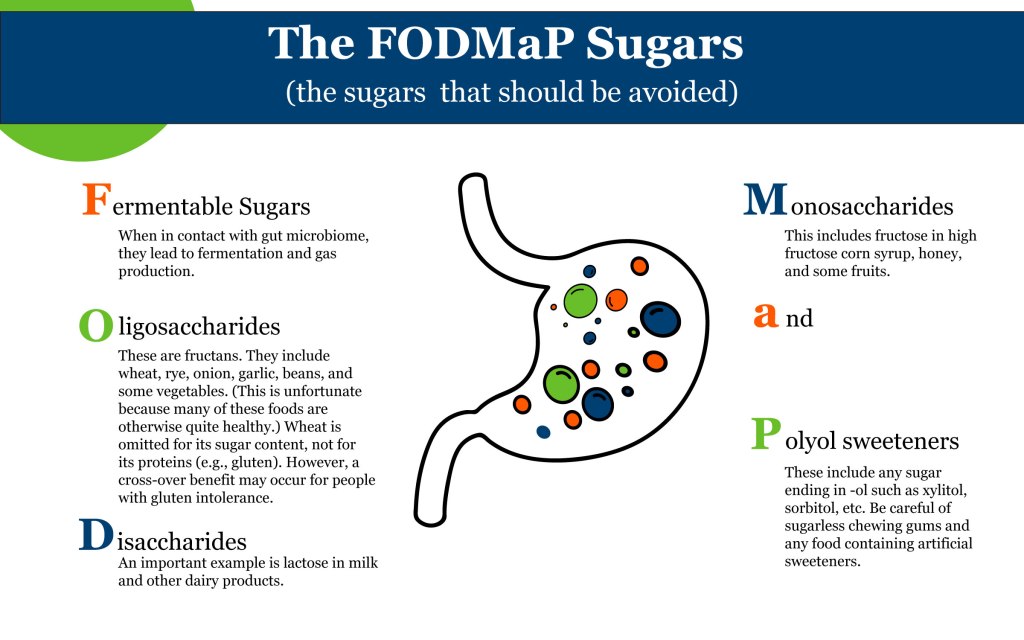
Part of that long-term management is a special diet known by the abbreviation FODMAP. It stands for fermentable oligo-, di-, mono-saccharides and polyols. (That doesn’t exactly flow trippingly off the tongue, does it?)

Unofficially, as the person who does the cooking in the household, I define FODMAPs as foods that don’t have any vowels in their names.

As you can see from the above list, there are some very basic foods that a person with IBS is urged to avoid. This includes any onion or garlic, which of itself cuts my cooking choices by more than half. Other no-nos include wheat, milk (except lactose-free), all cheeses except cheddar and colby, most pastas, beans, and about half of all fruits and vegetables.

If you are interested in learning more about this condition and how to combat it, I urge you to check out this Healthline website entitled FODMAP 101: A Detailed Beginner’s Guide.

This method of controlling the bloating and diarrhea of IBS was largely discovered by researchers at Monash University located near Melbourne, Australia.

The upshot is that I will probably have to cook separately for Martine, which, as I am retired, I can do now.

Social Distancing Follies

The Adventist Health.White Memorial Medical Plaza in East Los Angeles

Today, I drove Martine for an ophthalmologist appointment in East Los Angeles. I went up to the waiting room with her, but was asked to leave because of social distancing requirements. So what happened? I had to stand in the corridor, which was full of other family members who weren’t really social distancing. And there wasn’t any seating to be had.

There is a bridge over César Chavez Boulevard (visible in the above photo), which would be an ideal place to sit—except it was posted all over with signs saying that, because of social distancing, no one may sit down there.

Perhaps one cannot catch the ’Rona when one is on one’s feet. At least, that seems to be the prevailing assumption. If the medical receptionist can’t see you in the corridor, then presumably you are, by definition, social distancing. ¡Que idiota!

Diamond Princess

The USS Petri Dish, I Mean the USS Diamond Princess

I have just watched a brief HBO documentary about the cruise ship Diamond Princess, whose passengers had the unenviable role of being the first people outside of China to come down with the coronavirus. It was called “The Last Cruise” (which it was for the 14 passengers who died of the virus).

In all my travels, I have avoided cruise ships—not because of the spread of infectious diseases, but because I don’t like to be in the position of having to be nice to the same bunch of wealthy strangers for multiple days in a row and because I don’t like my vacations to be highly regimented.

Another reason: I remember a cartoon in the New Yorker a number of years ago in which we saw a cruise ship whose name was S.S. All You Can Eat. Even under normal conditions, I’m fighting the “Battle of the Bulge” and certainly don’t need unlimited access to calorific foods.

The documentary consisted largely of cell phone videos taken by passengers and crew. It was evident that the filmmakers were aghast at the conditions of the crew, who were forced to associate with one another in close quarters while an epidemic ranged throughout the ship.

The ship sailed between Yokohama and several ports in Southeast Asia including Okinawa, Hong Kong, and a Vietnamese port not named. As the ship was homeward bound to Yokohama, it was discovered that a passenger boarding in Hong Kong had come down with Covid-19. When the ship reached Yokohama, it was put on quarantine for over a month, as cases spread like wildfire through the ship, infecting some 700+ passengers and an unspecified number of crew members. Passengers who had come down with the virus were carted off to Japanese hospitals.

Eventually, most of the American passengers were put on a military aircraft and returned to the U.S.

I Might As Well Be Back in Cleveland

Southern California Is Being Buffeted by Winds

When I lived in Cleveland and in New Hampshire, I was the plaything of various seasonal allergies. There was the sneezing (and the bloody noses), the itching eyes, and borderline asthma. Now with the Winterspring Complex we are now experiencing, it’s back again. Not only do my eyes itch, but the discharge is sticky, such that I have to open my eyes with my fingers in the morning. And I am going through handkerchiefs like they’re going out of style. (I don’t use Kleenex because I feel bad about destroying trees just so I can blow my nose in them.)

As my friend Bill Korn says, these winds are usually accompanied by winter rainstorms, but we have had precious few of those. The current rainy season, which will end soon, is another bad one—just a few inches of mostly occasional showers and only one thorough wetting.

California is well on its way to becoming the next Atacama Desert, which is the world’s driest desert, clocking in at less than 3 mm of precipitation a year. That’s not even as big as one of my sneezes.

The Atacama Desert of Chile and Peru

When the weather starts getting hot, my allergies will gradually disappear. But then I’ll start complaining about the heat.

Vaccinated!

My Covid-19 Vaccination Card (with Date of Birth Obliterated)

Yesterday I finally got my second Pfizer Covid-19 second dose. As my doctor predicted, I came down this morning with a slight fever, some chills, and achy shoulders. I hated to think that I would die of the ’rona after all the quarantining I did over the last year. I went all the way out to Kaiser Permanente Hospital in Baldwin Park, where it all went down like clockwork.

Allergy

What It Looks Like When You Don’t Cover Up a Sneeze

When I was a child, I was an allergic mess. I would both look forward to and dread visits to my uncle and aunt, because they not only had a dog, but cats as well. My eyes would start to itch and swell up, I would sneeze, and I would constantly blow my nose into one of the two handkerchiefs I always had on my person. I even saw an allergist named Myron Weitz once a week for the better part of a year. He performed numerous scratch tests on me, indicating that I was allergic to tomatoes, oatmeal, tobacco, and a few other things. Then I would get a shot each week which was supposed to make me immune to allergens. It never did.

In the end, I think I was allergic to Cleveland. Once I moved to Southern California after graduating from college, my allergies lessened—especially after I learned to stay far away from cats. There was a time in the 1970s when I developed asthma and had to take a horrible medication called Tedral which kept me awake all hours.

Now I come down with allergic reactions for only a few days each year. Unfortunately, this is one of those times. Something is in bloom that disagrees with me. My nose is stuffed up, I’m sneezing, and my eyes feel as if I had sandpapered them. It could be that the winds are blowing something in from the desert. I just don’t know.

I checked the pollen reports, and supposedly there currently is no major threat. Yeah, but tell my nose and eyes that!

Living With Type 2 Diabetes

I Always Knew I Was Going to Become Diabetic

It seems that all the older people in my family were diabetic: my father, my mother, and even my great grandmother. Now even my younger brother is borderline.

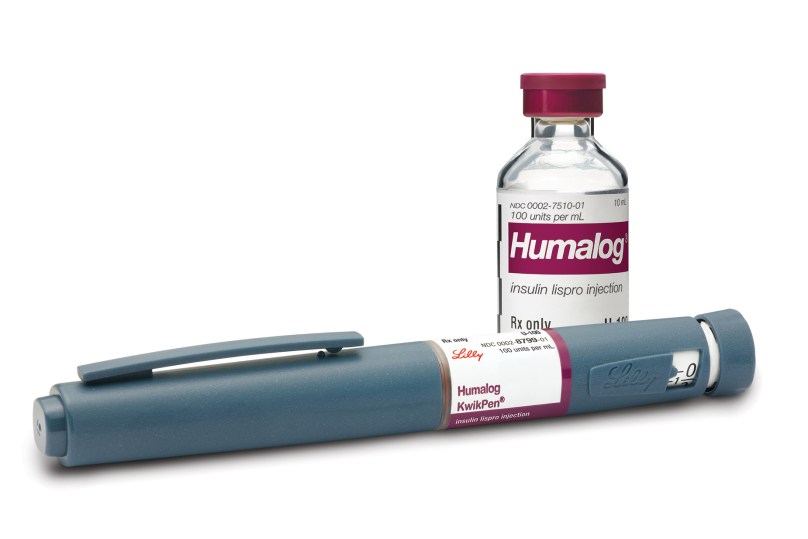
Each day, I have to give myself three shots of Humalog (Lispro) and one shot of Lantus (Glargine). The Humalog shots all come before or immediately after meals, and the Lantus just before going to sleep. That’s not so bad, because both types of insulin use a KwikPen with an extremely skinny needle. I administer the insulin either in my gut or my thigh, with only occasionally a bad stick that hits a nerve.

What is worse are the finger sticks, which I have to do three times a day before meals. I have to poke a lancet into my fingertips and squeeze out a bead of blood so that I can tap it with a test strip connected to a device that reads the glucose level of my blood at that point. The problem is that I have trouble getting enough blood to give me a reading. Sometimes I have to poke the same fingertip as much as three times to draw enough blood.

As if that weren’t bad enough, some of my fingers (left thumb and right thumb) require a thicker lancet in order to get blood. My left forefinger has sustained some damage from all the finger sticking, so I usually skip it altogether. So I do a 9-finger rotation over a three-day period.

I don’t mind going with pen needle, nibs, and insulin to a restaurant, but I refuse to also prick my fingertips at the same meal. After all, the finger sticks are for measuring, whereas the insulin keeps my blood sugar low.

The good news is that what I’m doing is working for me. My last A1C reading was 6.5; and my finger stick readings tend to be in the low 100s.