
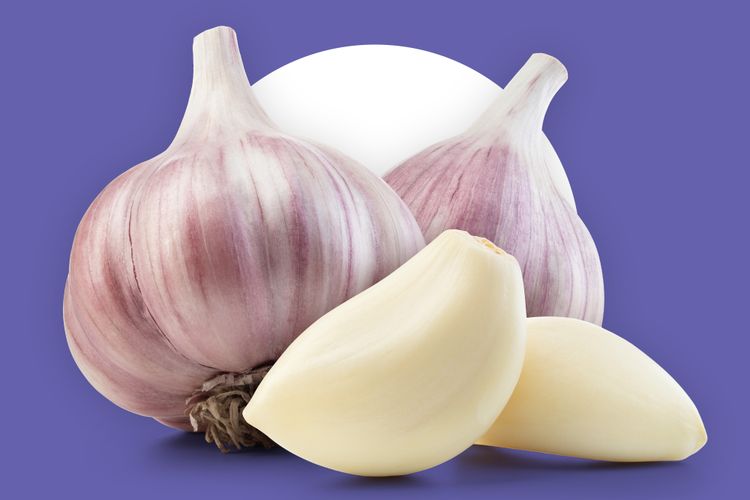
Treat Garlic With Love

Garlic Bulbs and Cloves

Until relatively recently, I found garlic to be very annoying to handle. It didn’t peel easily, and it was too much of a pain to mince the peeled cloves. Then, quite suddenly, I underwent a change a few months ago. I said to myself, “I love the taste of garlic, so I should change the way I work with it.”

A few months ago, I purchased a hollow rubber tube from an Italian food store. I would put one unpeeled clove of garlic into it and apply pressure while rolling it on a cutting board. After pressure has been applied, it’s easy to strip off the outer papery protective skin with my fingers.

The next step was suggested to me by Martin Scorsese’s film Goodfellas (1990), in which we see the imprisoned mafiosi slicing the cloves of garlic with a single-edged razor blade. Then, I read Anthony Bourdain’s Kitchen Confidential, in which he comes out against using a garlic crusher, recommending instead slicing the cloves fine. Now this is what I do. In my favorite Spanish rice dish, I use eight cloves of garlic prepared this way. (BTW, I now use eight cloves of garlic in my recipe, and I don’t crush the cloves.)

One thing I do not recommend is using garlic powder or bottled garlic cloves. Garlic is an amazing spice with numerous health benefits, and nowhere have I enjoyed the flavor of garlic as in the dishes I prepare using the s-l-o-w method described above.

Today’s Spanish rice was the best yet. I owe the taste to the way I process the garlic, and by using fire-roasted Hatch chiles from New Mexico for a good burn.

If you want a device to help you peel the garlic, check out these on Amazon.Com.
A Modest FODMAP Success

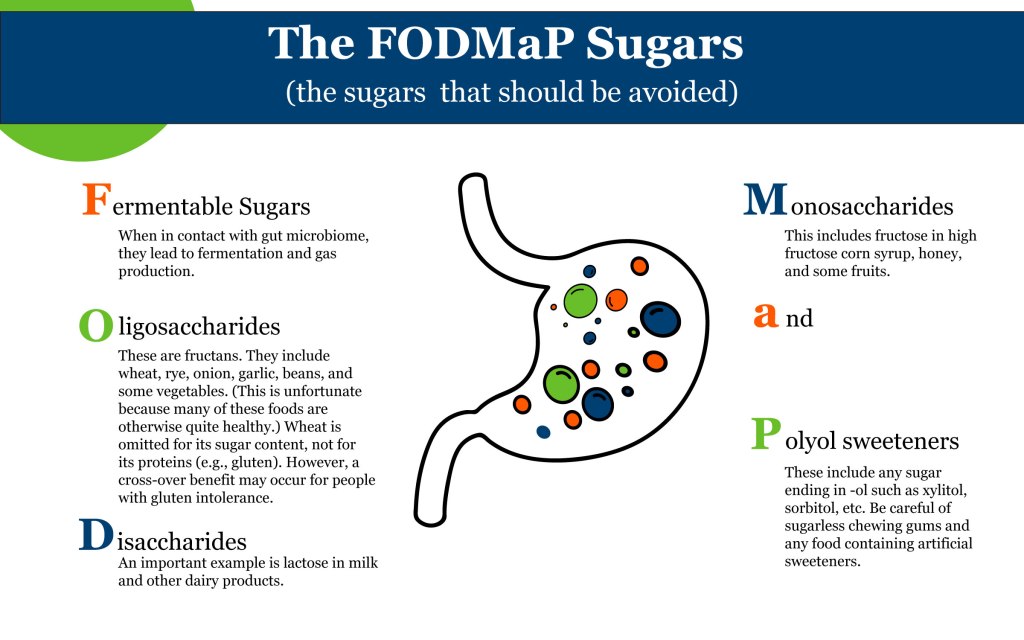
Here’s the Skinny on What You Must Avoid If You Have IBS

Although Martine keeps telling me not to worry about cooking for her, I feel challenged by the difficulty of preparing a meal that she can eat without triggering her IBS. So I made a ground sirloin and fusilli dish with celery, sweet red pepper, Chinese eggplant, fresh tomatoes, and tomato sauce with basil.

Missing were onions and garlic, which are two baddies. I naturally thought that without onions, the dish would be as yucky as last week’s ghastly FODMAP stew, consisting of ingredients that just didn’t belong with one another. I actually didn’t miss the onions, and I added garlic powder to my portion.

The big surprise was the quinoa pasta that actually tasted pretty good. I’ve had quinoa soup in Peru and Ecuador and liked it. This pasts contained no wheat or rice or corn, yet it was acceptable.

I can’t guarantee that all my FODMAP cookery will please Martine. At least, it shouldn’t disgust either of us.

The FODMAP Follies

Big No-Nos on the FODMAP Regimen

With the very best intentions in mind, I tried to prepare a beef and vegetable stir-fry for Martine as a first attempt at creating a FODMAP-free dish. It consisted of shredded beef, eggplant, zucchini, tomatoes, and a yam. But no onions, garlic, or chiles to give it flavor.

Never before had I cooked a dish that I didn’t want to taste. For myself, I just had buttered corn on the cob, while Martine bravely confronted the tasteless muck I prepared for her. I called it FODMAP Stew. I will never make it again.

I realize now that seasonings are important in a dish with multiple ingredients, and that the best seasonings are expressly forbidden.

I think that in future, when Martine needs to adhere to this regimen, she should have a piece of meat (most are OK) plus a steamed vegetable, such as carrots, squash, and some rare Himalayan herb that can only be found on the northern slope of Mount Everest.

If you haven’t read yesterday’s post, which explains what this is all about, I urge you to click here.