Chiclayo and Sipán

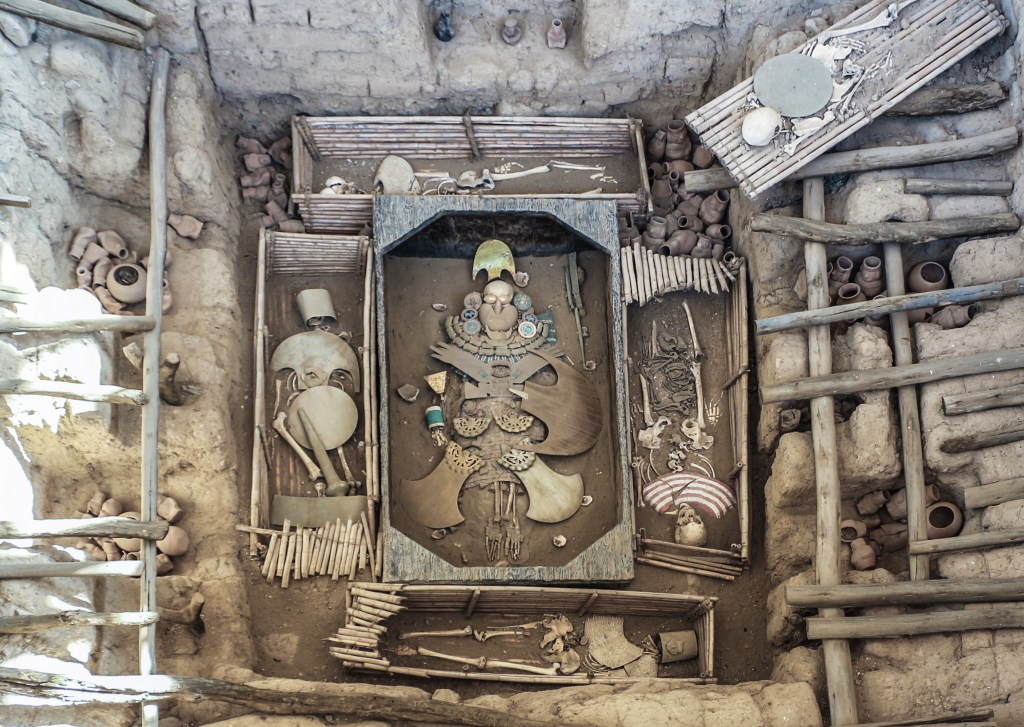
Tomb of the Lord of Sipán

After Chachapoyas, my Northern Peru has one more destination to its farthest point, back to the coast to Chiclayo. The bus ride to Chiclayo is nine hours. Nine easy hours. No two mountain passes at Himalayan-like altitudes to cross on a dicey road hovering at the edge of a precipice like the one between Cajamarca and Chachapoyas.

Also, we are in the land of the Moche, whose lifelike sculptures I have noted in an earlier post. As with Trujillo, there are numerous ruins, particularly those of Sipán, and museums to visit at Lambayeque, Ferreñafe, and Túcume.

And then it will be time to return to Lima. Chiclayo has an airport, but it is not an international one, so I will have to fly out of Lima’s Jorge Chávez Airport. So I could fly to Lima via Avianca or LATAM. Or I could even take a 12-14 hour bus trip arriving in Lima with a burst bladder.

What will I have accomplished with this trip, should I decide to eventually take it? Peru, Guatemala, and Southern Mexico were the homes of great urban civilizations—none of which had managed to invent the wheel. The Maya of Mexico and Central America did, however, develop a form of hieroglyphic writing. The civilizations of Peru did not, but they were nothing short of amazing with all their closely packed mountain civilizations. In the end, there is far, far more to Peru than just the Inca. They were just the final pre-Columbian civilization before the Spanish Conquistadores rode into town and took over.
The Road to Chachapoyas

The Road from Cajamarca to Chachapoyas

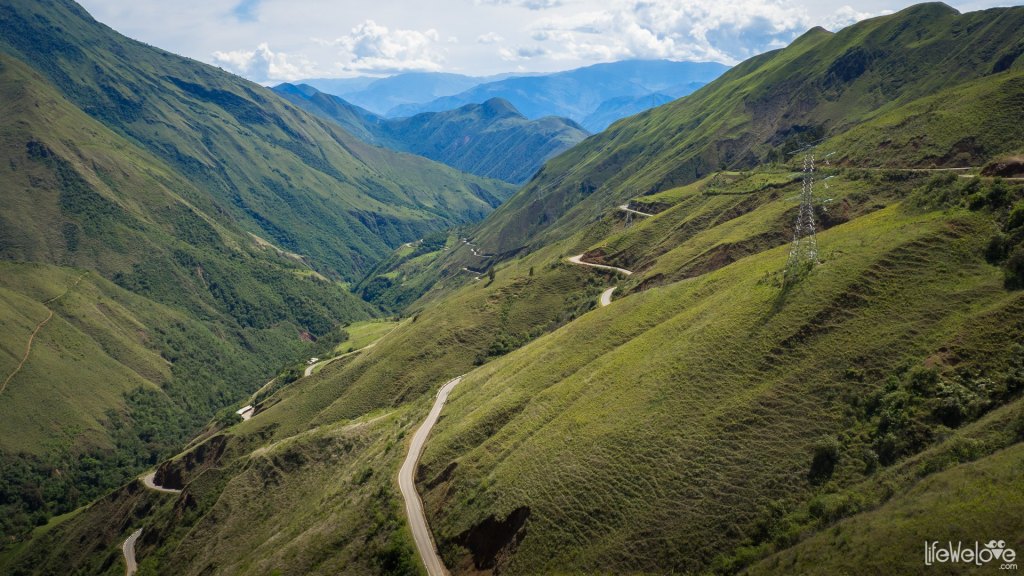
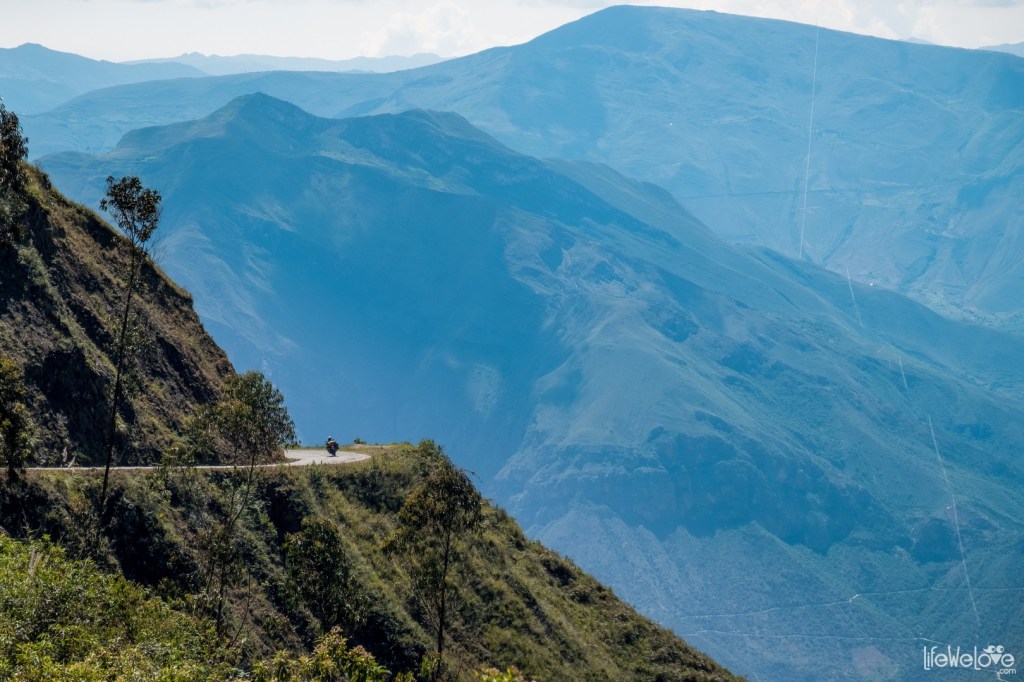
In my perhaps pipe dream (perhaps actual) plans to visit the pre-Columbian ruins of Northern Peru, the one big question is the side trip to Chachapoyas. The Andes at that point consist of a number of parallel mountain ranges. From Cajamarca (at 2,750 meters or 9,022 feet), one goes over a mountain pass of 3,085 meters (or 10,121 feet) to Balsas before tackling Abra de Barro Negro (“Black Mud Pass”) at 3,678 meters or 12,067 feet. From there, one can see the Rio Marañon, which is a tributary of the Amazon. A quick look at the map for this part of the trip will give you a general idea:

The Wiggly Line of Route 88

An even more specific look at the route:

Yup, It’s the Same Road

From what I understand, Route 88 is paved all or most of the way, but there are frequent floods and landslides during the rainy season, which runs from November to April. There is, I believe, one bus per day along this route from Cajamarca to Chachapoyas at 4 :00 AM using the Virgen del Carmen bus line.

This road is by no means the end of my troubles, as you shall see when the discuss the ruins of Kuelap. In fact, I will probably overnight at Leimebamba on the way, visiting their famous museum. My nerves will be plenty jangled by then, especially if I sit on the left hand side of the bus.

Cajamarca

Back to the World of the Inca: Cajamarca, Peru

On my imaginary Northern Peru trip, I head inland from the coast to Cajamarca, which is 2,750 meters (9,022 feet) above sea level. It was near here at Francisco Pizarro and his Conquistadores captured Atahualpa, the Inca ruler, on November 15, 1532 while he was enjoying himself at the nearby Baños del Inca thermal baths.

At that time the Incas were engaged in a civil war, with Atahualpa ruling the north and Huascar the south. Atahualpa had just defeated Huascar at Cuzco when he decided to take his ill-advised spa treatment. Cajamarca is even today a major gold mining area, so Pizarro imprisoned Atahualpa and held him for ransom. And what was the ransom? A whole roomful of gold from floor to ceiling. Even though the Incas kept their side of the bargain, Pizarro had the Inca leader executed.

The building where Atahualpa was imprisoned still exists, though it is mistakenly called El Cuarto del Rescate (the Ransom Chamber).

From Trujillo, it is a seven hour bus ride to the heights of Cajamarca. From here, I have two choices:

  1. Return to Lima by air (or take a sixteen-hour bus ride).
  2. Take a dangerous bus route to Leimebamba, Chachapoyas, and the ruins of Kuelap, returning by bus to Chiclayo, from which I fly back to Lima.

In my next post, I will discuss this second option.