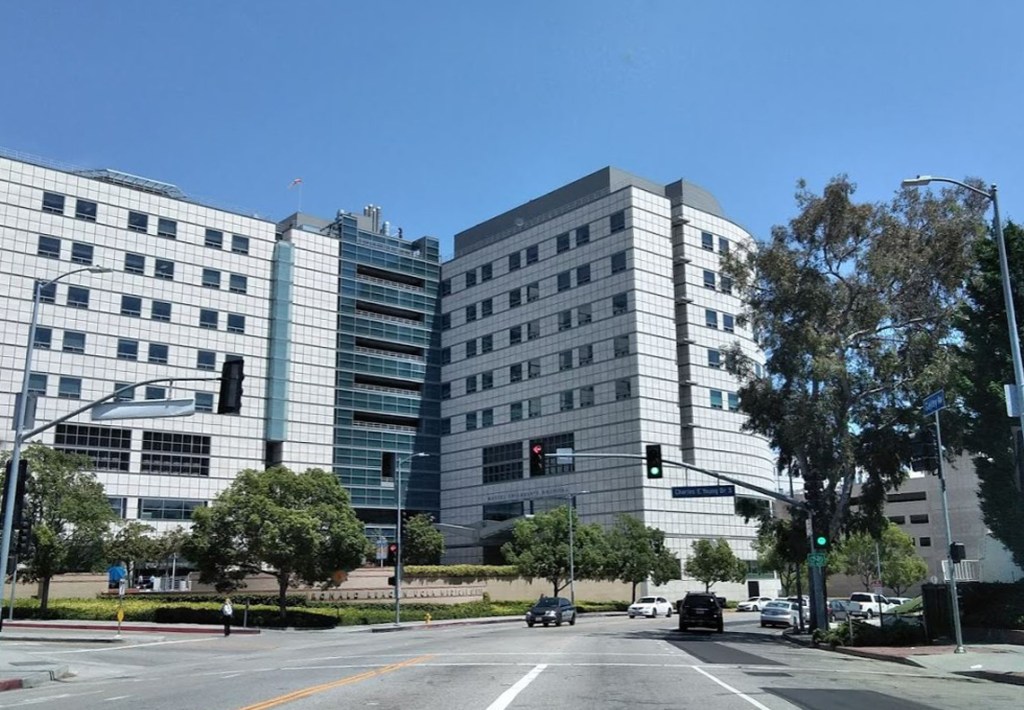
If I have not been posting much lately, it is because I have been ill. The month started with an Addisonian Crisis (lack of adrenaline). No sooner did I get discharged from UCLA Ronald Reagan Hospital than Los Angeles damned near burned down. Then I started feeling week with a severe pain around my sternum. That turned out to be acid reflux.
As a result, I lost nineteen pounds because it was just to painful to eat. Even when I put myself on the BRAT diet (Bananas, Rice, Applesauce, Toast), any food make my stomach hurt for hours.
Finally, my doctor put be on a drug that relieved the pain. Now I have to be able to build up my strength after lying on the couch for weeks.
Hopefully, I’ve seen the worst and am on the mend. Wish me luck!
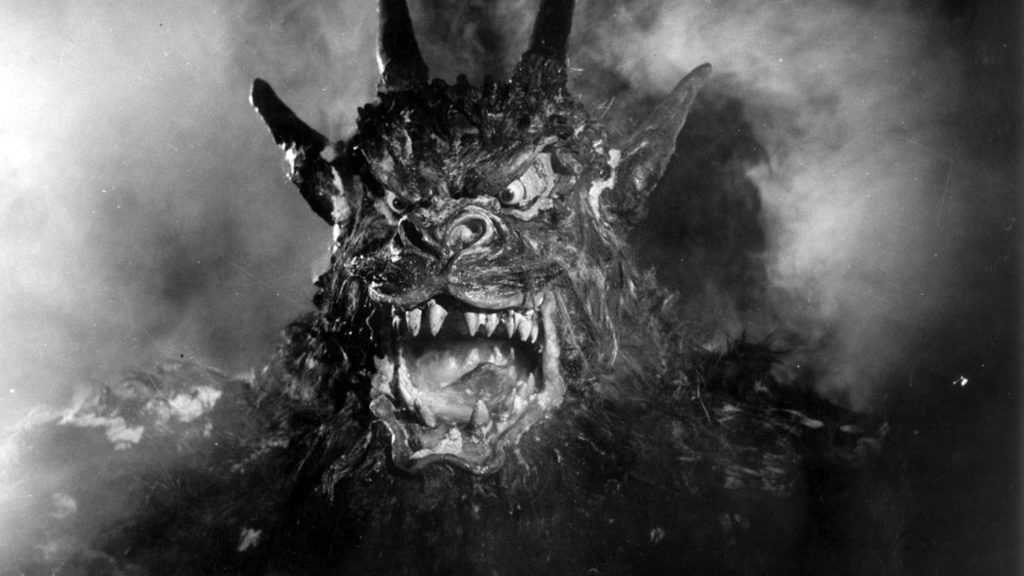
Still from Jacques Tourneur’s Night of the Demon (1949)
I was in the hospital until a few days ago—and that wasn’t even the worst thing that happened at the start of this inauspicious New Year. What affects me more are the wildfires that are destroying the city of Los Angeles.
One of my best friends has lost his house, his church, and his neighborhood from the Eaton Fire in Altadena. To this point, I have not been affected, but in the nearby city of Santa Monica, just two miles to the northwest, residents are being warned they may have to evacuate.
The hurricane-force winds buffeting the area are sending flaming embers for miles, each one of which is capable of burning down a house, place of business, school, apartment building, or church. I have never experienced such powerful wind gusts in the sixty years that I have lived in Southern California.
First Responders at the Palisades Fire
Over the decades, I have come to love Los Angeles. What is happening to it now is tearing me apart.
After spending some five days in a hospital room, Martine was finally discharged today. She feels good, and there is no longer an issue with low sodium levels in the blood. The medical name for this is hyponatremia. According to the Mayo Clinic website, signs and symptoms can include:
Nausea and vomiting
Headache
Confusion *
Loss of energy, drowsiness and fatigue *
Restlessness and irritability *
Muscle weakness, spasms or cramps *
Seizures
Coma
On Tuesday, Martine was suffering from four of these (marked above with asterisks). In the hospital, she was immediately put on intravenous electrolytes which, over the space of two days, restored her condition to normal. Then she was kept on for observation for a couple more days to make sure her blood levels were normal.
What caused this? Martine thought it was that she accidentally took a second dose of Pilocarpine 2% ophthalmic solution for glaucoma two hours after taking a first dose. Although one physician I talked to in the emergency room said this couldn’t be the cause, the literature accompanying the drug indicated that it was indeed possible.
Whatever the cause, I am convinced that the treatment was correct.
The human body is a strange and wonderful thing, and doctors are not infallible. We tread a narrow path over two abysses. Thankfully, Martine is okay for now.
Martine at the Zimmerman Automobile Driving Museum
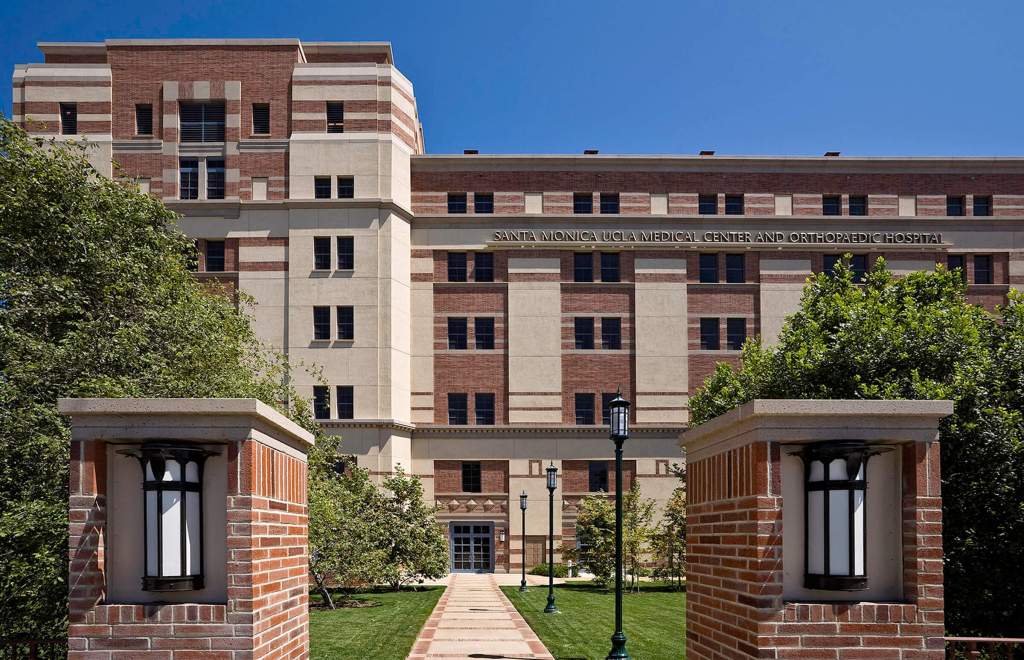
I have not posted any blogs during the last three days because Martine was hospitalized on Tuesday. By accident she took a second dose of powerful glaucoma eye drops instead of the medication she intended on taking. The result was weakness, dehydration, and a host of other symptoms that required an ambulance trip to the UCLA Santa Monica Hospital where blood tests revealed that the sodium levels in her blood were dangerously low.
For two days, Martine was literally non compos mentis—not in her right mind. On Tuesday night, as she was waiting in a temporary patient treatment area for a hospital bed to be assigned to her, she was shaking like a leaf and was barely able to recognize me.
When I returned home, I was shattered. Was this the beginning of something critical, or possibly fatal? On Wednesday, she was slightly better as the hospital worked at raising the sodium level in her blood. But she was still not quite right in her mind: She kept attempting to get up to go to the bathroom while multiple tubes were connected to her body. She kept insisting “This is a free country!”
In the end, a licensed vocational nurse was delegated to keep her safely in bed. I visited her twice, but she forgot that I was there. Fortunately, yesterday and today saw a return to the Martine I knew and loved. Essentially, she is still in the hospital mainly for observation to make sure that her blood work stabilizes.
At home, I was too upset to read or write; so I have just watched the Paris Olympics endlessly.
It looks as if Martine will probably be discharged tomorrow. I hope so: I desperately want to return to our normal lives.
As I recall, I was about ten years old when I first had to give a blood sample from the crook of my elbow. My mother drove me to Saint Luke’s Hospital close by the old Buckeye Road Hungarian neighborhood where we had lived until 1951. When I found out that a nurse wanted to stick a needle in my arm, I took the only reasonable course. I bolted down the corridor until a couple of orderlies deputed to drag me back got hold of me.
I thought it hurt like hell. And ever since, it has not been easy to draw my blood. The veins around my elbow run deep and are not terribly visible. The person drawing my blood has to be very experienced with patients who veins like to hide. There have been times when I was punctured three or four times before a big enough vein was found. Sometimes, they just stuck the needle in the back of my hand, where my veins are more prominent.
Saint Luke’s Hospital from an Old Postcard
The only thing that’s changed is that I no longer resist getting by needles. In fact, I have to administer an insulin shot into my abdomen or thigh four times a day. Even when there is some pain, I know that it won’t be long-lasting. It’s one of those things you get used to as you age.
Ye gods, not again! On Sunday during the hour of the wolf (around 4 AM), my digestive system spewed waste with great force. While still in bed, I projectile vomited with such velocity that nothing within an eight foot radius was left unmarred by my effluvia. This was followed up what the doctors at UCLA Santa Monica Medical Center referred to in my discharge papers as “acute weakness.” It was more than weakness: I was too lethargic to get out of bed.
Unaffected was my brain function. Martine wanted to call an ambulance to take me to the hospital. I demurred. Then she called my brother in Palm Desert and got him into the act. At that point, I finally agreed. Martine cleaned me up as best she could. In no time at all, the Los Angeles Fire Department was there hoisting me up and strapping me in a device that took me down the apartment steps to the waiting ambulance that stood there with its lights flashing.
I asked to go to the UCLA Ronald Reagan Medical Center. Apparently, their emergency room was filled to capacity with the usual weekend accidents. Fortunately, there was an opening at the UCLA-owned Santa Monica Medical Center. If I were to go to a non-UCLA-affiliated emergency room, I would be poked, prodded, and tested for days for the simple reason that few if any hospitals could afford to keep an endocrinologist on hand at all hours. Probably not even Bellevue in New York or the Mayo Clinic in Rochester, Minnesota!
So, what happened? I am no longer possessed of a working pituitary gland in the center of my head (due to a benign tumor I had roughly between 1956 and 1966). No pituitary gland means no signal to my glands to produce hormones. So, no hormones at all—zilch. That means no thyroid, no testosterone, and—most important—no adrenaline.
Sometime in the early morning hours of Sunday, my body made a request for adrenaline due to something I ate. When it did not respond to that request, my body basically shut down. Fortunately, I was conscious the times I wasn’t snoozing.
And so what did they do at the hospital to make me better? Not a damned thing. Before the paramedics came, I asked Martine for a glass of water and five 10mg tabs of Hydrocortisone, which I was able to ingest. I was still weak for several hours, but that’s what made me feel able to get up and walk.
What the hospital staff did do was X-Ray me, start an IV, and take my vital signs. Fortunately, the hospital had access to previous hospital admissions which gave my medical history. When they finished poking and prodding me, they discharged me. Scram, Buddy, we need your space for other patients. So they called Martine, who was having back pains from having to clean the mess I made; and she grabbed my car keys and picked me up.
In the end, I wonder whether I should have gone to the hospital at all. I decided to mainly because Martine and my brother were bummed out by my condition. I’ll have to talk to my doctor about this when I see her.
Life is strange when you don’t have a pituitary gland. Mine was removed by surgery in September 1966. On Wednesday I woke up early to go to the bathroom. After I did by business, I got up and … and … and …
B L A C K O U T
When consciousness returned, I was bleeding from a large bump on the left of my forehead and I felt as if one of my ribs was broken. Imagine Martine’s surprise when she woke up to go to the john about an hour later! There I lay, covered in blood and unable to raise myself due to (1) pain from my broken rib and (2) general weakness due to adrenal insufficiency.
Without a functioning pituitary, one has no thyroid function, no sex hormones, and—oh, yes—no adrenaline. All those have to be supplied from outside the body. Those early morning hours can be killers. Ingmar Bergman had a good reason to call it “The Hour of the Wolf.” At my request, Martine got me a glass of water and five 10mg tabs of Hydrocortisone.
Eventually Martine has to call 9-1-1 to get an ambulance. I couldn’t just lie on the bathroom floor forever. The emergency medical technicians took one look at me, hoisted me up, and trundled me of to the UCLA Medical Center, where I spent a couple of days in the intensive care unit and an observation ward.
I strongly suspect that this is how I will leave this world. At some point, the adrenal debt will be too high; and there will be a general system shutdown. Not a particularly painful exit.
Yesterday morning, I found myself being admitted to UCLA Hospital’s emergency room. That morning, I awoke around six in the morning to go to the bathroom. Coming back I found myself bumping into things. When I tried to get back into bed, I slipped and fell on the floor pinning my left shoulder between the bed and my nightstand. I was too weak to make a serious attempt to get up.
Martine heard my fall and frantically tried to help me. But how could she, with her right wrist in a cast from when she broke it the week before. For hours she tried to make me comfortable and gave me water to sip through a straw. Fortunately, she had the presence of mind to give me 30mg of Hydrocortisone, which, as it happened, is the cure for the symptoms I was experiencing.
Time and time again, she asked if I wanted an ambulance. My consciousness was improving from the Hydrocortisone Martine gave me, so I finally said yes. It seemed that the bedroom was crawling with Emergency Medical Technicians from the Fire Department within minutes. They hauled me out of my wedged position and dumped me on the bed. Their strongly recommended I be admitted to the hospital. I tried to resist their suggestion until I had the feeling that it was pretty much de rigeur in their profession.
So, as when I had my last serious Addisonian Crisis on December 30, 2017, I was trundled down the apartment steps, plunked into the ambulance, and driven to the UCLA Hospital emergency room (but without the sirens).
What was wrong with me? The scientific term is panhyopituitarism, which means I no longer have a pituitary gland. It all happened many years ago. To read the gory story of my near-death experience in 1966, click on this post from April 2015.
By the time I got to UCLA, I was feeling pretty good as the Hydrocortisone was doing its job; but I knew I would have to go through the medical profession’s equivalent of the death of a thousand cuts. I was wheeled from one clerk to another and asked for details which were entered into their system. Fortunately, In December 2017, I had roughly the same situation.
Still, it seems that emergency wards assume you have some internal organ problem such as a heart attack or cancer, so I was hooked up with little stickies all over my upper body and probed with needles until the doctors determined that, yes, I would not be likely to die on the spot. My problem was not a disease of an internal organ, but the fact that I was missing the body’s master gland and occasionally needed to have extra amounts of ACTH (adrenocorticotropic hormone) in lieu of natural adrenaline.
On at least two dozen times, I made the point that the problem was that I had no pituitary. I had to talk with an endocrinologist because my ailment was not a common one, certainly not one that a typical emergency room physician would grasp. Not only that, but the cure had been applied hours before when Martine gave me my medications. Back in 2017, the same hospital held me for three days until the resident endocrinologist strolled in with her hands in her pockets and, immediately understanding my situation, had me released.
Fortunately, I was released late that afternoon. Maybe it was the record of my 2017 experience that convinced them to let me go. Maybe it was because they had me walk to the bathroom and saw that I was fully mobile. And apparently, the doctors did talk to the endocrinologist who told them to let me go. I felt bad to be around all those persons who were really suffering. I kept telling the nurses I felt I was occupying space in their emergency room under false pretenses.
So I took a taxi home, and Martine was at the front of the apartment to give me my wallet so I could pay the driver.
The funny thing is, there is little advanced warning when one is about to suffer an Addisonian Crisis. In this case, I didn’t suspect something was wrong until I returned from the bathroom to go to bed. That was approximately a half-minute warning.
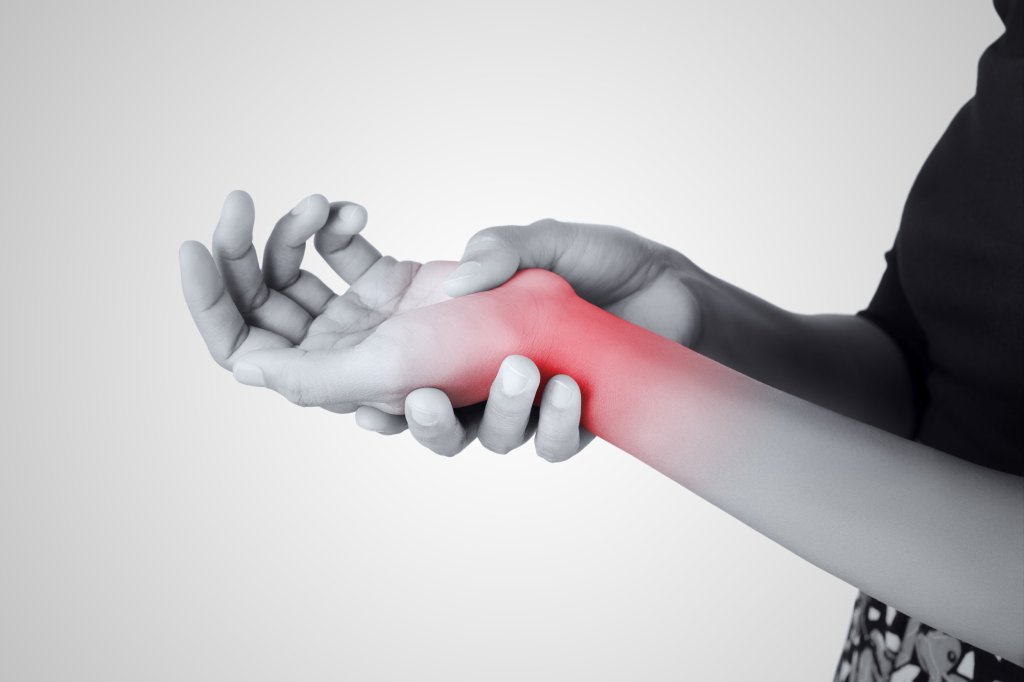
Today, Martine slipped on a rug in the bathroom and, grabbing for the wall, broke her right wrist in two places. She was in such excruciating pain that she was not able to communicate with me for upwards of a half hour. As soon as she was able to move, I drove her to UCLA Santa Monica Hospital’s emergency room. It was only by clutching a largish container of blue ice that she was able to endure the agony.
We were in the ICU for over six hours while she was X-Rayed, injected with Lidocaine, and bandaged with a splint (twice, after her thumb became numb the first time). For the whole time that I was waiting next to Martine’s gurney, a homeless woman tried to use me as her private nurse while she loudly threatened to check herself out of the hospital if she didn’t get her oatmeal instanter.
It looks like there will be some changes to my schedule as Martine is unable to wash dishes or wet her bandaged splint. I had been planning to visit my brother in Palm Desert this weekend, but we’ll have to reschedule.
My goal is to see Martine through this difficult period, just as she helped me through two broken shoulders and three cracked ribs. That kind of support is an effective way of showing love.
Above is an aerial view of Highland View Hospital in Warrensville Township, Ohio circa 1965. For a number of years, my mother worked there as an occupational therapy assistant; and I spent several summers in high school as a volunteer in the occupational and physical therapy departments.
At the time I volunteered there, I thought of Highland View as a hospital for the terminally ill, because most of the patients were seriously ill. The average length of stay per patient was 67 days. I don’t have any statistics about what percent of patients died there vs. were released.
As a volunteer for occupational therapy, I helped bring bed- and wheelchair-ridden patients from their rooms to an auditorium where a visiting volunteer named Harry Zasz screened movies from a 16mm projector onto a screen. After the show, I helped take the patients back to their rooms. The movies were standard Hollywood fare: I remember Pocketful of Miracles (1961) and Seventh Cavalry (1956) as two films that were shown several times over the years.
I remember one ambulatory patient who had a very visible dent one or two inches deep in his forehead.
Probably what impressed me was something that happened toward the end of my volunteer gig. I played chess with an elderly Puerto Rican patient named Manuel. I was proud to have defeated him, but chagrined to find he had passed away that night. So much for triumph!
Later, my mother moved on to Saint Vincent Charity Hospital near downtown Cleveland. I had a very short stint there as a volunteer in surgery. First they had been clean up a very bloody operating room after a surgery. Then they had me shave around the genitals of a man scheduled to have a hernia operation. I just didn’t have the stomach for surgery and didn’t go back.
Incidentally, Saint Vincent Charity was the hospital that appeared in Billy Wilder’s film The Fortune Cookie (1966) with Jack Lemmon and Walter Matthau. My Mom appeared in one shot, but the scene didn’t make it into the final cut.






 Tarnmoor
You must be logged in to post a comment.