
Thoughts at Midnight

Thomas Hardy (1840-1928)

Even as I read one Dorsetshire author (John Cowper Powys), my mind goes to another who gave up writing novels and wrote nothing but poems for the rest of his life. I am thinking of Thomas Hardy. Here is a short poem by him:

Thoughts at Midnight

Mankind, you dismay me
When shadows waylay me! —
Not by your splendours
Do you affray me,
Not as pretenders
To demonic keenness,
Not by your meanness,
Nor your ill-teachings,
Nor your false preachings,
Nor your banalities
And immoralities,
Nor by your daring
Nor sinister bearing;
But by your madnesses
Capping cool badnesses,
Acting like puppets
Under Time’s buffets;
In superstitions
And ambitions
Moved by no wisdom,
Far-sight, or system,
Led by sheer senselessness
And presciencelessness
Into unreason
And hideous self-treason. . . .
God, look he on you,
Have mercy upon you!
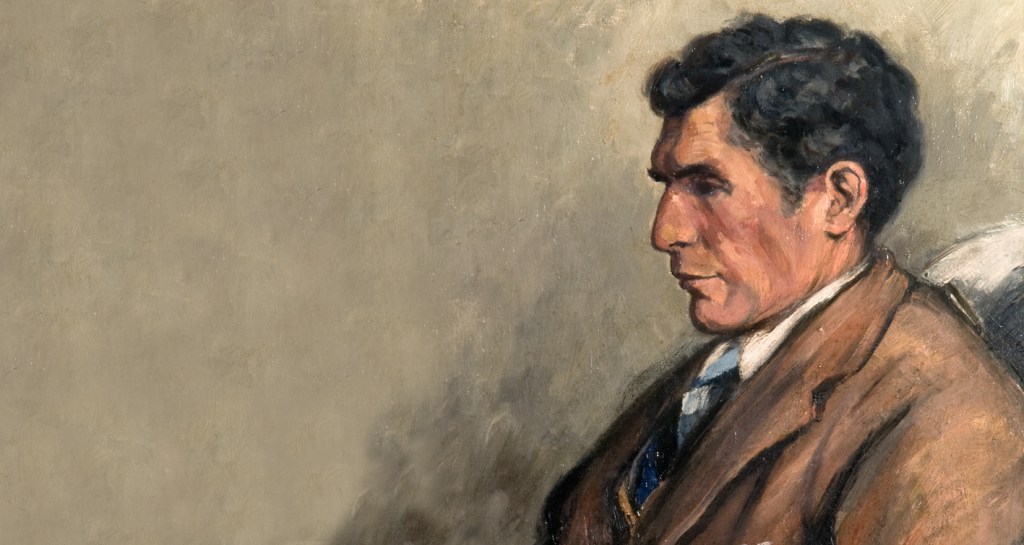
The Necessity of Opposites

John Cowper Powys (1872-1963)

I am in the middle of reading a great novel by British author John Cowper Powys, namely Wolf Solent (1929). In 1960, he added a preface to the Macdonald & Company edition which summarizes what I am coming to see as one of the preeminent works of the last century:

What might be called the purpose and essence and inmost being of this book is the necessity of opposites. Life and Death, Good and Evil, Matter and Spirit, Body and Soul, Reality and Appearance have to be joined together, have to be forced into one another, have to be proved dependent upon each other, while all solid entities have to dissolve, if they are to outlast their momentary appearance, into atmosphere. And all this applies to the difference between our own ego, the self within us, the being of which we are all so vividly aware as something under the bones and ribs and cells and vessels of our physical body with which it is so closely associated. Here we do approach the whole mysterious essence of human life upon earth, the mystery of consciousness. To be conscious: to be unconscious: yes! the difference between these is the difference between life and death for the person, the particular individual, with whom, whether it be ourself or somebody else, we are especially concerned.