

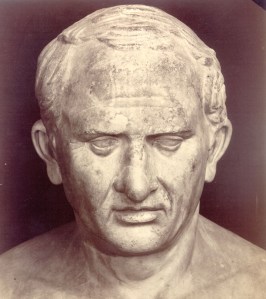
The Emperor Marcus Aurelius (121-180 AD)
Ever since I was a high school student, I pictured myself as studying philosophy and thereby improving my life. Very early on, I learned that most philosophers were too abstruse for the likes of me. I ran up against the likes of Kant, Heidegger, Sartre, Wittgenstein, and Hegel—and found myself considerably less smart than I thought. (However, I liked Sartre’s fiction and plays).
Recently I found myself drawn to the philosophers of ancient Greece and Rome. Now it seems that philosophy is several removes from everyday life. Read A. J. Ayer and Wittgenstein, and you’ll have no idea how to live your life. But read the ancient Stoics, and you can indeed feel better about your life.
Particularly interesting are the following Roman philosophers:
- Lucius Annaeus Seneca (4 BC to 65 AD) practically ran the Roman Empire while he helped to educate the young Nero. Unfortunately, his pupil did not turn out well; and Nero ordered his tutor to commit suicide. Read in particular his Letters of a Stoic.
- Epictetus (50-135 AD) was a former slave who wrote a very readable treatise entitled The Enchiridion.
- Marcus Aurelius (121-180 AD) was the last of the benevolent Antonine emperors. (As great a philosopher as the father was, his son Commodus was one of the worst emperors.) The Meditations are a highly readable journal of Marcus Aurelius’s thoughts while ruling a large part of the known world.
The amazing thing about the works of these Stoic philosophers is that they are relevant and highly readable today. Much more so than most of the present day philosophers.


 Tarnmoor
You must be logged in to post a comment.