The Etruscan Smile

A Smile That Shines Across Millennia

Here’s a post from ten years ago this month. I’ve always meant to read up on the Etruscans, as I admire what I know of their view of life—even though I’m not known for smiling.

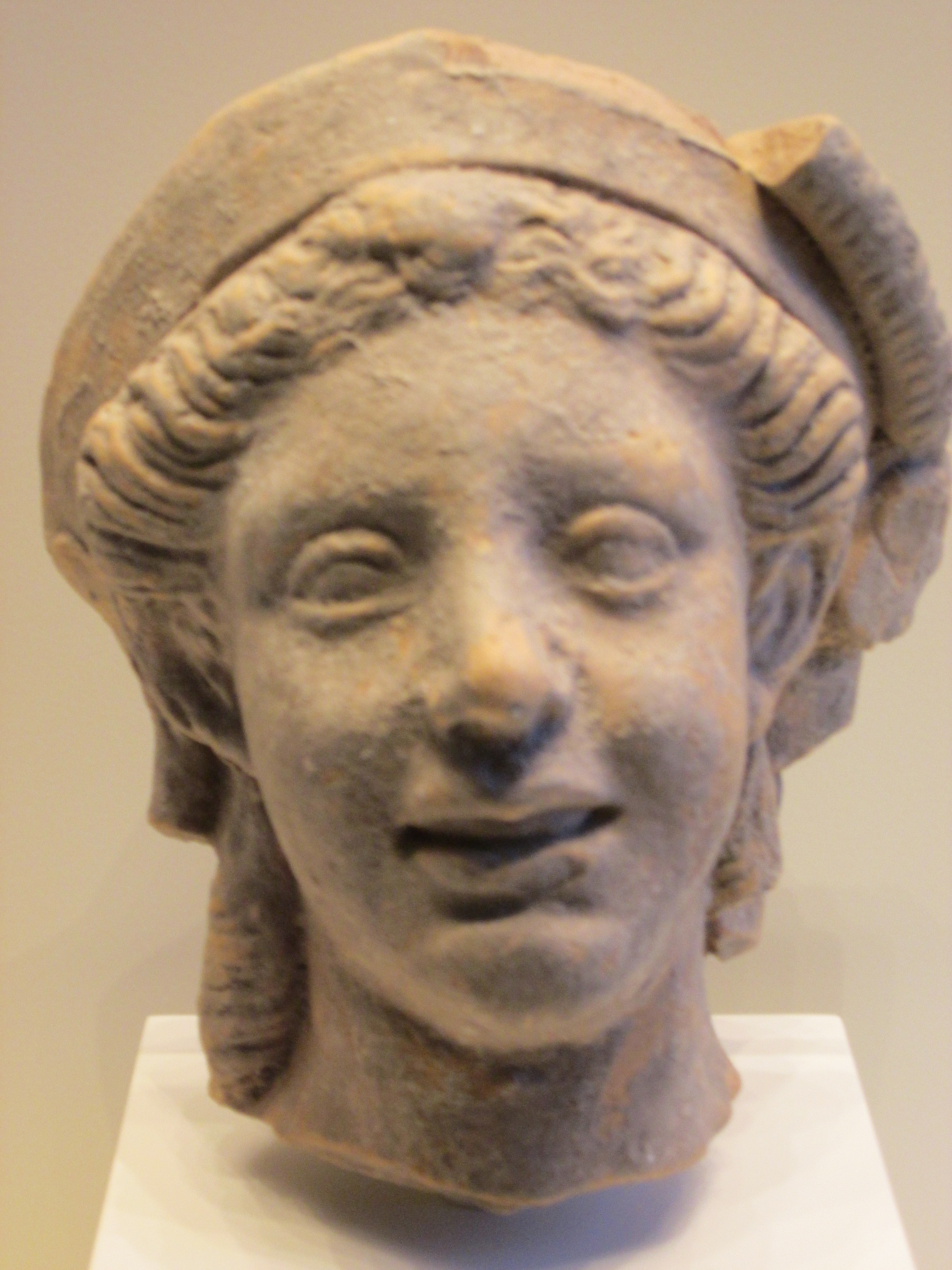
The whole world of the smiling girl in he above photo is long gone, but her smile still speaks to us. It tells us that, even in Ancient Rome, there was something to laugh about. When I took the picture on Friday, I did not note the provenance of the figurine, but I wonder if it was Etruscan. This ancient people is the only one that has allowed itself to be depicted as wreathed in smiles—very contrary to the picture we have of the dour Romans.

Below is a hollow funerary urn from the Banditaccia Necropolis showing a married couple, whose ashes are presumably commingled therein:

I guess my little figurine is not Etruscan.Their images always show them as having sharp features and almond eyes. The girl above is definitely Roman.

Not to change the subject, but it reminds me somewhat of the following poem by Robert Browning:

My Last Duchess

That’s my last Duchess painted on the wall,
Looking as if she were alive. I call
That piece a wonder, now: Frà Pandolf’s hands
Worked busily a day, and there she stands.
Will ‘t please you sit and look at her? I said
‘Frà Pandolf’ by design, for never read
Strangers like you that pictured countenance,
The depth and passion of its earnest glance,
But to myself they turned (since none puts by
The curtain I have drawn for you, but I)
And seemed as they would ask me, if they durst,
How such a glance came there; so, not the first
Are you to turn and ask thus. Sir, ‘t was not
Her husband’s presence only, called that spot
Of joy into the Duchess’ cheek: perhaps
Frà Pandolf chanced to say, ‘Her mantle laps
Over my lady’s wrist too much,’ or ‘Paint
Must never hope to reproduce the faint
Half-flush that dies along her throat:’ such stuff
Was courtesy, she thought, and cause enough
For calling up that spot of joy. She had
A heart—how shall I say?—too soon made glad,
Too easily impressed; she liked whate’er
She looked on, and her looks went everywhere.
Sir, ‘t was all one! My favour at her breast,
The dropping of the daylight in the West,
The bough of cherries some officious fool
Broke in the orchard for her, the white mule
She rode with round the terrace—all and each
Would draw from her alike the approving speech,
Or blush, at least. She thanked men,—good! but thanked
Somehow—I know not how—as if she ranked
My gift of a nine-hundred-years-old name
With anybody’s gift. Who’d stoop to blame
This sort of trifling? Even had you skill
In speech—(which I have not)—to make your will
Quite clear to such an one, and say, ‘Just this
Or that in you disgusts me; here you miss,
Or there exceed the mark’—and if she let
Herself be lessened so, nor plainly set
Her wits to yours, forsooth, and made excuse,
—E’en then would be some stooping; and I choose
Never to stoop. Oh, sir, she smiled, no doubt,
Whene’er I passed her; but who passed without
Much the same smile? This grew; I gave commands;
Then all smiles stopped together. There she stands
As if alive. Will ‘t please you rise? We’ll meet
The company below then. I repeat,
The Count your master’s known munificence
Is ample warrant that no just pretence
Of mine for dowry will be disallowed;
Though his fair daughter’s self, as I avowed
At starting, is my object. Nay, we’ll go
Together down, sir. Notice Neptune, though,
Taming a sea-horse, thought a rarity,
Which Claus of Innsbruck cast in bronze for me!

That line about “all smiles stopped together” is grimly humorous.

Comprachicos

Conrad Veidt in Paul Leni’s Film The Man Who Laughs (1928)

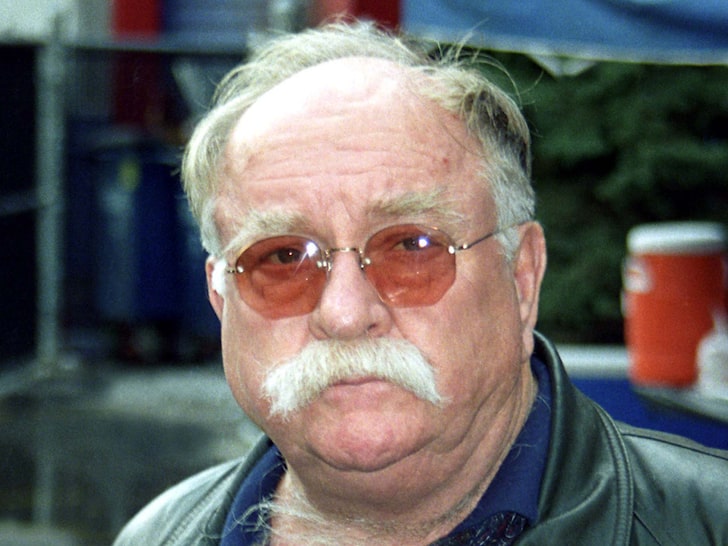
It all started in the elevator to the Trader Joe parking lot. Two odd women first commented that I looked like the actor Wilford Brimley, and then asked me why I didn’t smile. That set me off: I don’t particularly like to go around with a smile on my face, and I don’t think much of people who do. Were these frustrated dental assistants to go around accosting strangers for not airing their teeth?

Then I thought of one reason I didn’t like being all smiley. I remembered Victor Hugo’s novel The Man Who Laughs (1869), which was turned into a 1928 silent film by Paul Leni starring Conrad Veidt, better known as Major Strasser “of the Third Reich” in the film Casablanca (1942).

Well, anyway, the novel and film were about people called comprachicos who, as children, were mutilated to look pathetic so that their handlers can could use them for begging:

The Comprachicos, or Comprapequefios, were a hideous and nondescript association of wanderers, famous in the 17th century, forgotten in the 18th, unheard of in the 19th. They traded in children, buying and selling them, but not stealing them. They made of these children monsters. The populace must needs laugh, and kings too. The montebank is wanted in the street, the jester at the Louvre; the one is called a clown, the other a fool. By the artificial production of teratological cases the Comprachicos developed a science and practiced an art. They kneaded the features, stunted growth, and fashioned hunchbacks and dwarfs; the court fool was their specialty.

The Conrad Veidt character in the film was a child who was kidnapped and had a permanent smile carved on his face, which made him look pathetic. And that’s what comes to mind when people tell me to smile. I just don’t care to oblige them.

Wilford Brimley (1934-2020)

By the way, I look almost exactly like Wilford Brimley, except that his mustache was a little bigger than mine. Of course, I would prefer that strangers think I am a dead ringer for Brad Pitt, Robert Redford, Warren Beatty, or some other dolicocephalic heartthrob. But then, so it goes.

Another Tooth Bites the Dust

Teeth Are Not Always What They’re Cracked Up To Be

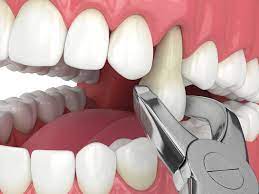
It started about a month ago. One of my upper bicuspids felt loose with several millimeters of give. I toyed with the notion of grabbing the tooth and yanking it out by main strength, but I decided to seek professional help instead. Of course, a visit to the dentist is bound to cost big bucks, so I had to take a pension distribution in preparation.

This afternoon, I finally went in to see Dr. Sakurai. She took one look at my wiggly tooth and, knowing my mouth from past experience, said she suspected the tooth was cracked. So she x-rayed it and, sure enough, there was a horizontal crack halfway down. It came out in two pieces.

Most people would just get a denture, but it seems I’ve inherited a special sensitivity to any pressure on the roof of my mouth from my father. Many times I remember him stopping in the middle of a meal, turning purple, and ejecting his dentures by force across the dinner table. (But then, of course, my parents got their dentures for free courtesy of the Peoples’ Republic of Hungary.)

The other option is super expensive: to get dental implants. Unfortunately, it would be even more expensive for me, as I would have to have an anesthesiologist handy in case I didn’t come out of the anesthetic properly. That is because, lacking a pituitary gland, my body does not produce adrenaline; and sometimes I need adrenaline to come out of the anesthetic.

Fortunately, my missing teeth are to the side, so I don’t yet have a jagged smile. Unfortunately, I may yet; as extractions frequently cause problems to the adjacent healthy teeth. So it goes.

The Etruscan Smile

A Smile That Shines Across Millennia

A Smile That Shines Across Millennia

The whole world of the smiling girl in he above photo is long gone, but her smile still speaks to us. It tells us that, even in Ancient Rome, there was something to laugh about. When I took the picture on Friday, I did not note the provenance of the figurine, but I wonder if it was Etruscan. This ancient people is the only one that has allowed itself to be depicted as wreathed in smiles—very contrary to the picture we have of the dour Romans.

Below is a hollow cinerary urn from the Banditaccia Necropolis showing a married couple, whose ashes are presumably intermingled therein:

Hi, We’re Dead. Why Don’t You Come and Join Us?

Hi, We’re Dead. Why Don’t You Come and Join Us?

I guess my little figurine is not Etruscan.Their images always show them as having sharp features and almond eyes. The girl above is definitely Roman.

Not to change the subject, but it reminds me somewhat of the following poem by Robert Browning:

My Last Duchess

That’s my last Duchess painted on the wall,
Looking as if she were alive. I call
That piece a wonder, now: Frà Pandolf’s hands
Worked busily a day, and there she stands.
Will ‘t please you sit and look at her? I said
‘Frà Pandolf’ by design, for never read
Strangers like you that pictured countenance,
The depth and passion of its earnest glance,
But to myself they turned (since none puts by
The curtain I have drawn for you, but I)
And seemed as they would ask me, if they durst,
How such a glance came there; so, not the first
Are you to turn and ask thus. Sir, ‘t was not
Her husband’s presence only, called that spot
Of joy into the Duchess’ cheek: perhaps
Frà Pandolf chanced to say, ‘Her mantle laps
Over my lady’s wrist too much,’ or ‘Paint
Must never hope to reproduce the faint
Half-flush that dies along her throat:’ such stuff
Was courtesy, she thought, and cause enough
For calling up that spot of joy. She had
A heart—how shall I say?—too soon made glad,
Too easily impressed; she liked whate’er
She looked on, and her looks went everywhere.
Sir, ‘t was all one! My favour at her breast,
The dropping of the daylight in the West,
The bough of cherries some officious fool
Broke in the orchard for her, the white mule
She rode with round the terrace—all and each
Would draw from her alike the approving speech,
Or blush, at least. She thanked men,—good! but thanked
Somehow—I know not how—as if she ranked
My gift of a nine-hundred-years-old name
With anybody’s gift. Who’d stoop to blame
This sort of trifling? Even had you skill
In speech—(which I have not)—to make your will
Quite clear to such an one, and say, ‘Just this
Or that in you disgusts me; here you miss,
Or there exceed the mark’—and if she let
Herself be lessened so, nor plainly set
Her wits to yours, forsooth, and made excuse,
—E’en then would be some stooping; and I choose
Never to stoop. Oh, sir, she smiled, no doubt,
Whene’er I passed her; but who passed without
Much the same smile? This grew; I gave commands;
Then all smiles stopped together. There she stands
As if alive. Will ‘t please you rise? We’ll meet
The company below then. I repeat,
The Count your master’s known munificence
Is ample warrant that no just pretence
Of mine for dowry will be disallowed;
Though his fair daughter’s self, as I avowed
At starting, is my object. Nay, we’ll go
Together down, sir. Notice Neptune, though,
Taming a sea-horse, thought a rarity,
Which Claus of Innsbruck cast in bronze for me!

That line about “all smiles stopped together” is grimly humorous.