My Toy Story

White Plastic Building Blocks

When I was young, I did not have many toys. My father worked in a factory as a machine tool builder, and my mother held various jobs including supermarket checker and assistant occupational therapist. We didn’t have much money.

Perhaps the fanciest toy I had was a Lionel O-Gauge model train I received for Christmas 1949. It ran on tracks with three rails and had several freight and passenger cars. My Dad must have felt financially secure that year to spend so much money on me. That train was used by my brother and me for approximately fifteen years.

1950s Vintage Lionel O-Gauge Train Set

What I probably played with more than anything else was a set of white pre-Lego plastic building blocks such as the ones illustrated above. I would build all kinds of structures and use them in conjunction with my pirate and military figurines.

I had a rich imagination as a boy and could play for hours imagining different situations. Do children whose toys are mostly electronic in nature have the same imagination? I think not.

Tarnmoor in Toyland

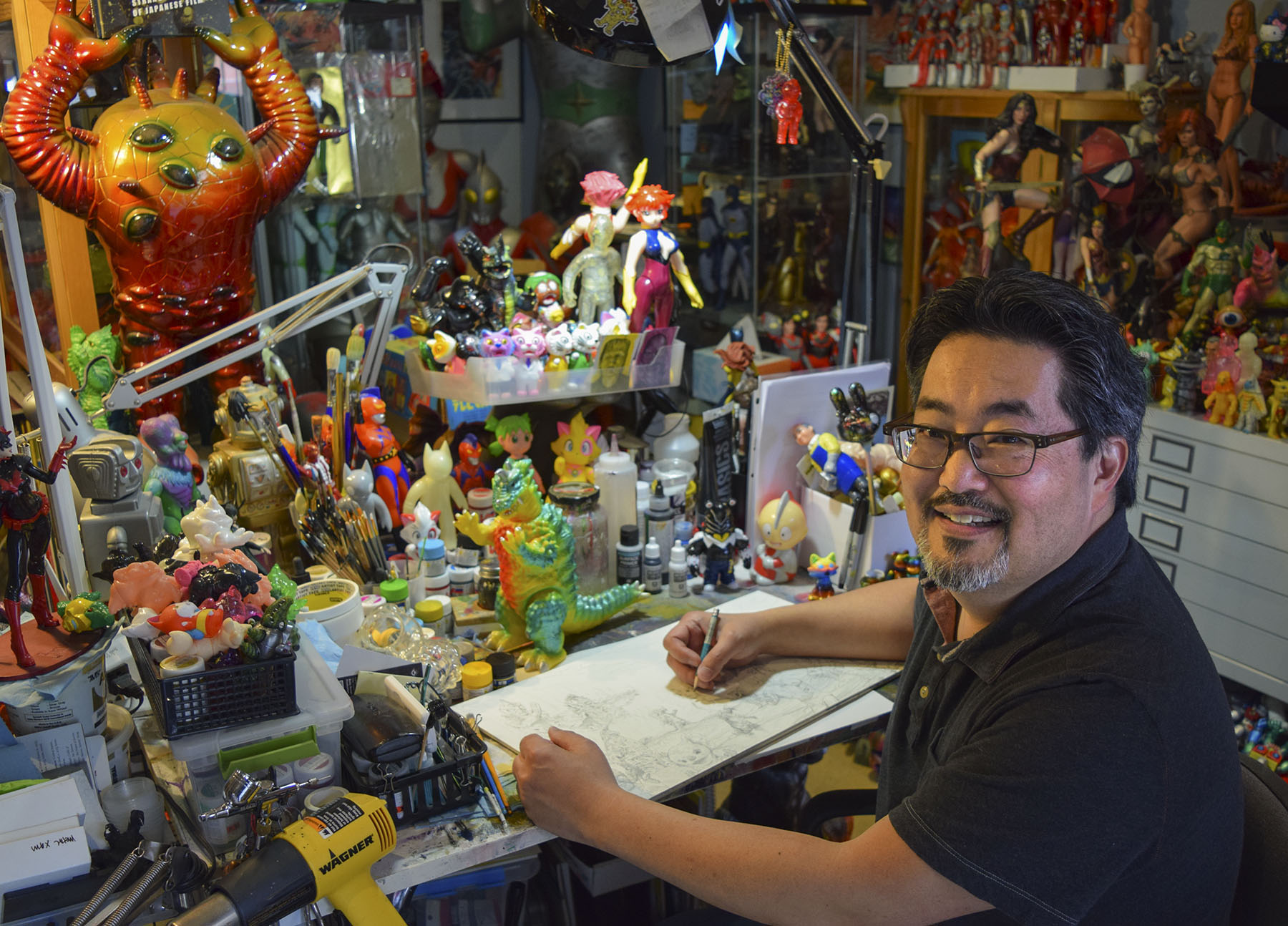
Mark Nagata Surrounded by His Collection

On Sunday, Martine and I drove downtown to visit a museum that was closed because of the Memorial Day Holiday. So instead, we headed for the Japanese American National Museum (JANM) in Little Tokyo. There was the standard (permanent) exhibit about the forced relocation of Japanese-Americans to concentration camps in the desert; but there was also something diferent.

I am not a toy collector, but I have always been impressed by the Japanese superheroes and monsters (known as kaiju). However powerful the kaiju were, there was something almost appealing about them. American toy villains are somehow more evil. The Japanese ones are almost cuddly.

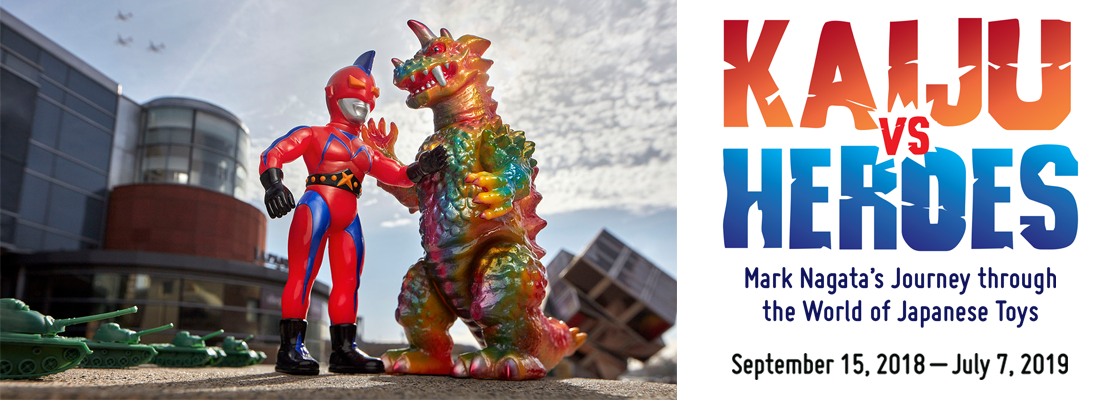
At JANM,there was an exhibit entitled “Kaiju vs Heroes: Mark Nagata’s Journey Through the World of Japanese Toys.” It was scheduled to end in March, but was held over through July 7, 2019. I was enthralled.

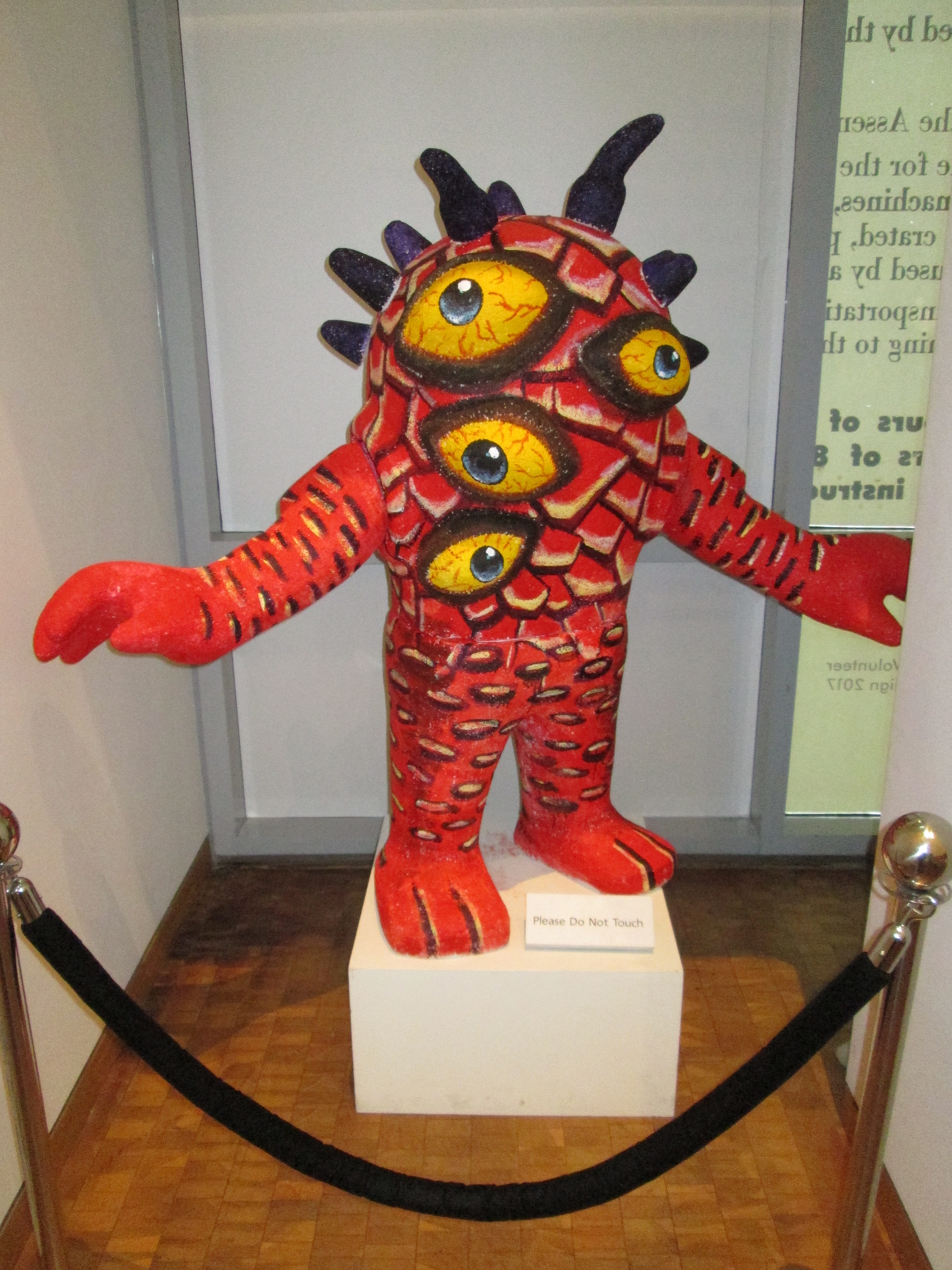
The Kaiju Eyezon, Created by Mark Nagata

Mark started as a collector, then became an illustrator and a creator of Japanese toys. The exhibit was so interesting that I resolved to visit it again on Thursday so that my thoughts on the nature of his art would somehow jell. I( thought back to my response to Ishiro Honda’s horror films for Toho of the 1960s, such as Godzilla (1954), Rodan (1956), Mothra (1961), and all the other Japanese monster films that were to follow. There was a definite difference in these monsters compared to the ultimate evil that is Dracula or Frankenstein or the Nightmare on Elm Street.

Poster for the JANM Exhibition

I am still thinking over in my mind what I will ultimately conclude about this exhibit and Nagata’s artistry, other than that I am strongly drawn to it. Stay tuned to this space for further developments.

.

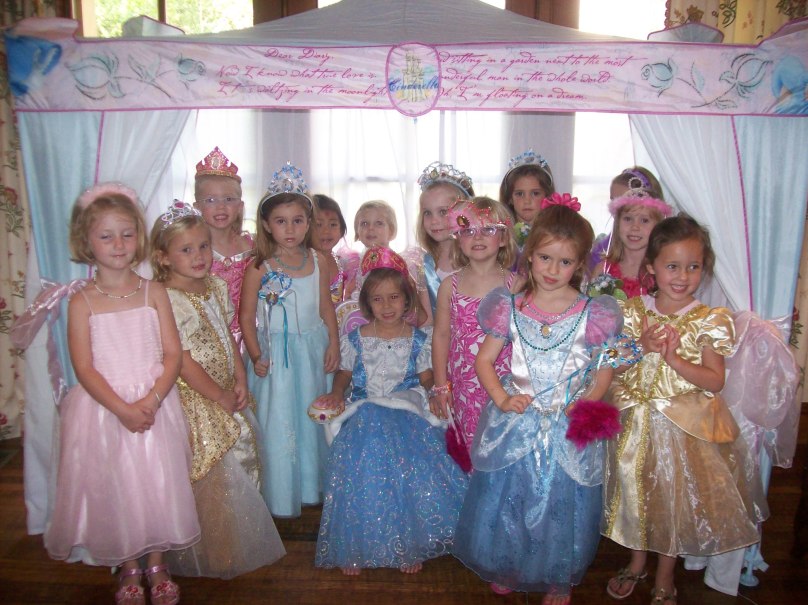
Little Princesses

Possibly the Wrong Paradigm

Possibly the Wrong Paradigm

Today, Martine and I spent the afternoon at the L.A. Greek Fest near downtown. Because the temperature was well into the Nineties, we spent most of our time in the school gym, which was air-conditioned and supplied with large tables. Around the edges of the room were merchants selling various gift items, including tiaras and shiny accessories to make little girls’ dresses resemble the costumes of fairy princesses. One even resembled an Egyptian headdress with a snake like the crown we imagine Cleopatra as sporting. Several little girls were prancing around the room with the sense of entitlement that a princess costume bestows on its wearers.

Really, what is a princess if not a girl who is entitled from birth? What does one do to become a princess? Simple: One is born to royal parents. And when a little girl grows up thinking she is a princess, what are her chances of happiness in a world in which a sense of entitlement will only carry one so far? Really, what is a true-life princess born into except the dynastic pursuit of a [preferably] male heir? In Westwood, near the UCLA campus, there are legions of little princesses who are now in their twenties. In lieu of fairy wands, they carry smart phones , but they still dress fancifully in other ways. Not a pretty sight.

And then I wonder: Am I carrying this too far? After all, little boys are drawn to violent fantasies of battle which are carried forward into the teen years with video games. Even I played cops and robbers and [shudder] cowboys and Indians. But what I really loved more than anything else were my plastic bricks. I would not only use my toy soldiers for going into battle: I actually created little cities for them, with more officers’ titles to go around than I had toy soldiers. Then, too, there was my Lionel O-Gauge electric train, which I played with for over a decade. Again, as with my toy soldiers, I made up series of towns connected by the railroad, complete with schedules. I remember that was a great deal of fun, and constructive, too, in the long run, because it gave play to my imagination.

But thank God I never wanted to be a little princess. Maybe a prince… I had dreams of being visited by people from Hungary who declared I was to be the new monarch of the ex-Communist satellite. That would have been dicey, because my father and my uncle were identical twins.