
Signs

Bronze Chinese Bells

Here is a poem by Jorge Luis Borges of Argentina that mentions the butterfly dream by Zhuangzi that I wrote about in yesterday’s post.

Signs

for Susana Bombal

Around 1915, in Geneva, I saw on the terrace
of a museum a tall bell with Chinese characters.
In 1976 I write these lines:

Undeciphered and alone, I know
in the vague night I can be a bronze
prayer or a saying in which is encoded
the flavor of a life or of an evening
or Chuang Tzu’s dream, which you know already,
or an insignificant date or a parable
or a great emperor, now a few syllables,
or the universe or your secret name
or that enigma you investigated in vain
for so long a time through all your days.
I can be anything. Leave me in the dark.

About that last line: Remember that for the last thirty or forty years of his life, Borges was blind.
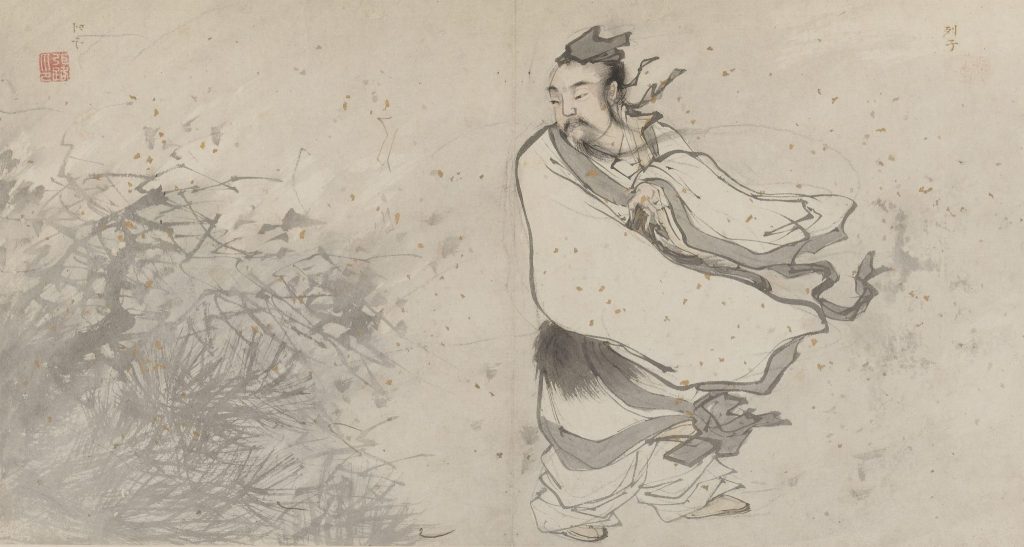
The Butterfly Dream

Zhuangzi, also known as Chuang Tzu, was a Chinese sage who lived around the 4th Century BC. There is a famous parable of his in which he talks about dreaming he was a butterfly. It is a simple parable that requires no explanation:

Zhuangzi’s Butterfly Dream Parable

Once upon a time, I, Zhuangzi, dreamt I was a butterfly,
fluttering hither and thither,
to all intents and purposes a butterfly.

I was conscious only of my happiness as a butterfly,
unaware that I was Zhuangzi.

Soon I awakened,
and there I was,
veritably myself again.

Now I do not know whether I was then a man dreaming I was a butterfly,
or whether I am now a butterfly,
dreaming I am a man.

Between a man and a butterfly,
there is necessarily a distinction.

The transition is called the transformation of material things.

Probably the only line that requires an explanation is the last one. I rather like the translation of the last line shown on this website: “This is called ‘Things Change.´”