
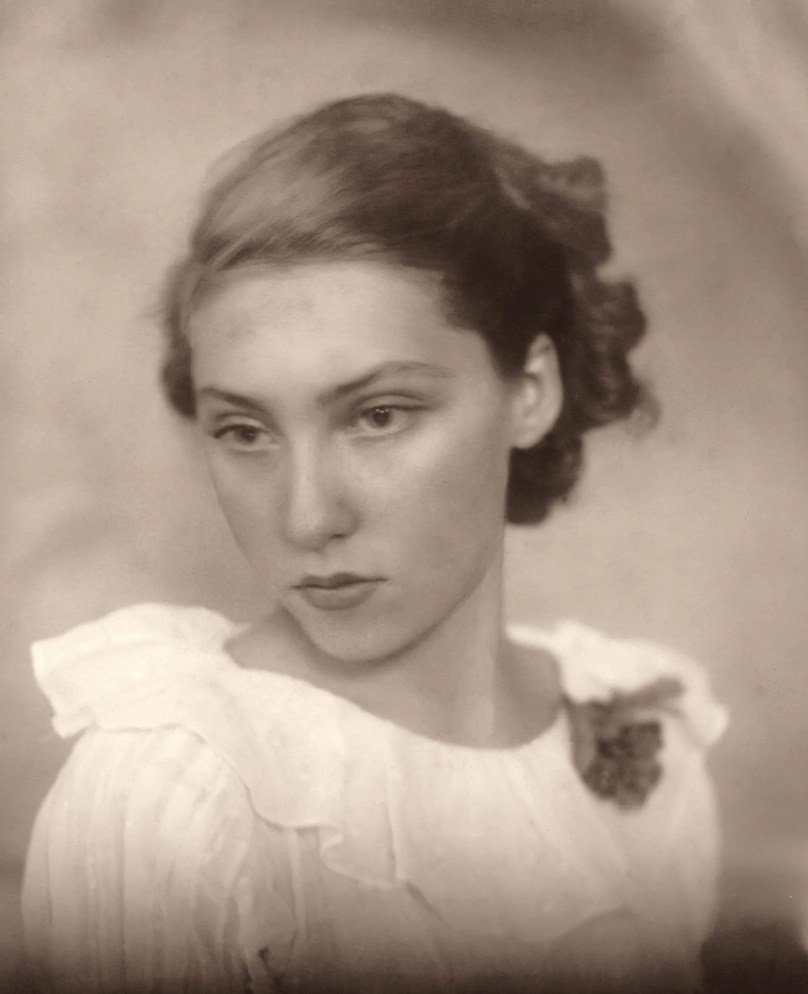
Ukrainian/Brazilian/Jewish Author Clarice Lispector
As much as I like her work, I think that Clarice Lispector is ultimately unknowable. Then why do I like her? Is it that I like living in her somewhat troubled (but ultimately sane) mind for several hundred pages? Her main character in <b>The Chandelier</b>, Virginia, is undistinguished. But she draws me in and makes me care for her. Her strange family, especially her brother Daniel and sister Esmeralda, her on-again off-again boyfriend Vincente—don’t really exist as persons outside Virginia’s field of vision, but Virginia, on the other hand, exists in spades.
At one point near the end of the novel, Lispector writes:
She’d always observed in old people something that couldn’t be summed up, that wasn’t exactly lack of desire, or satisfaction, or experience, ah, never experience—something that only the imponderable living of all the incomprehensible instants of sleep and wakefulness seemed to grant. So strange and imperceptible were the power and fecundity of the rhythm. Nothing would seem to escape the the continuous sequence, the intimate spherical movement, inhaling, exhaling, inhaling, exhaling, death and resurrection, death and resurrection. Anyway everything was the way it was, she thought almost brightly, almost cheerful—and that was meaning her deepest sensation f existence as if things were made of the impossibility of not being what they were.
As I read the book, I felt mesmerized, inhabiting for a short while the brain of a likeable woman, of no particular intellectual attainment, but of an honesty that never fails.

