Ruin to Ruin

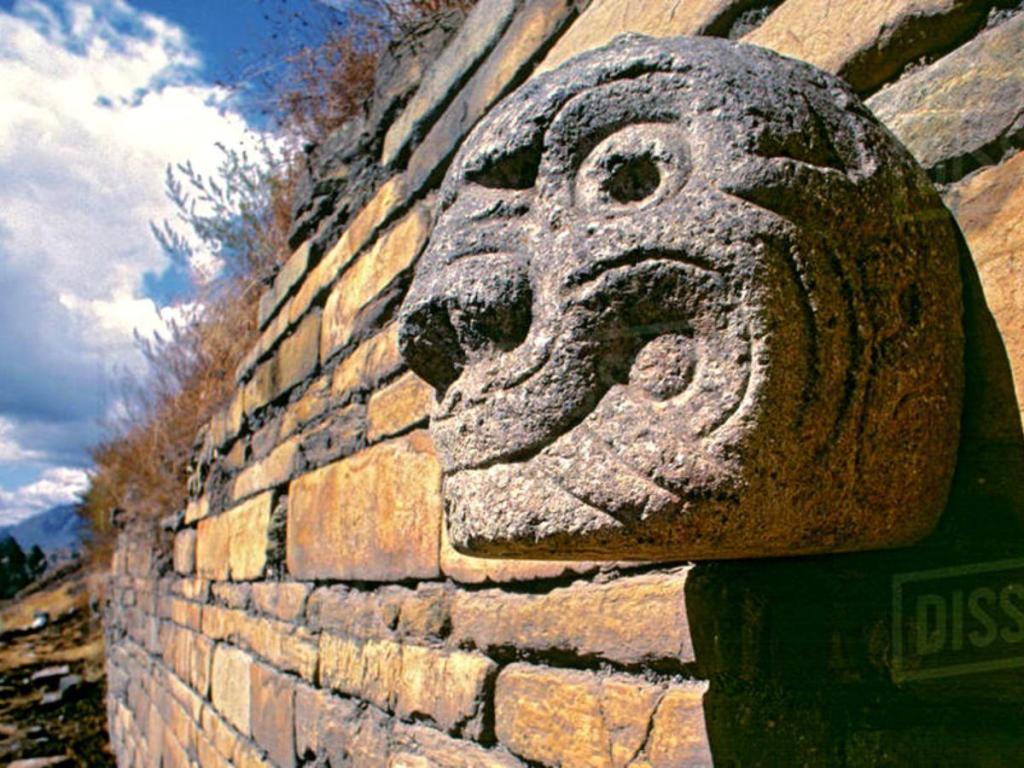
The Chavin Ruins of Chavin de Huantar in Northern Peru

On my dining table is a pile of Lonely Planet and Moon travel guides to countries that I have visited and want to visit again. Since Martine suffers from Irritable Bowel Syndrome, our meals are not too well coordinated, which leaves me going over these guidebooks with a look of wild surmise and planning travel itineraries which may just be pipe dreams. But maybe not!

I have already written about my idea of visiting the pre-Columbian ruins of Northern Peru. The idea is beginning to take shape:

First, I would need to fly to Lima, Peru, and spend several days there visiting museums and old Spanish-built churches—and eating great food, for which Lima is famous.

It’s an eight hour bus ride to Huaraz on high ground in the Andes, which there are called the Cordilleras. It’ll take several days to get accustomed to the 3,091 meter (10,141 feet) elevation. There are plenty of jagged snowy peaks to look at, though at my age I dare not trek.

From Huaraz, it’s a two and a half hour bus ride to Chavin, where the ruins of Chavin de Huantar, a UNESCO World Heritage Site, are situated.

Then I head back to the coast at Trujillo, which is a seven-hour bus ride. Tomorrow, I will write about the many ruined cities in the vicinity of Trujillo.

Before the Incas

Moche Pottery at Lima’s Museo Larco

As powerful as the Incas were, they were Johnny-Come-Latelies on the Peruvian scene, much as the Aztecs were in Mexico. It was only in the early 15th century that they formed an empire with its capital in Cuzco. Less than a hundred years later, two invaders put an end to the Incas: First there was measles, which spread like wildfire from the Spanish in the Caribbean. Then there were the Spanish conquistadores themselves led by Francisco Pizarro.

The Incas were only the last chapter in the Pre-Columbian world of Peru. Before them came the Huaca Prieta, Chavin, Moche, Sicán, Chimu, Wari, Chachapoyas, Paracas, Tiwanaku, Nazca, and Cajamarca—to name just a few. And that excludes the various peoples of the Peruvian Jungle.

Except for the archeologists, we seem to have forgotten all the peoples who preceded the Inca. Visit Peru, and you will see the ruins of the cities all the Inca predecessors left behind, cities like Pachacamac, Chan Chan, Kuélap, Chavin de Huantar, Huaca Pucllana, Sipán, and Sillustani.

Paracas Culture Funerary Bundle

Although I am getting a bit long in the tooth, I conceived this idea of heading north from Lima to view many of these ancient ruins. It would involve a couple of trips to high ground to visit the ruins around Huaraz and Chachapoyas, including some scary mountain bus rides; but it would prove that there is a good deal more to Peru than Machu Picchu.

Earthquake-Proof

Inca Stonework on Calle Hatunrumiyoc in Cuzco, Peru

The Inca were, to my mind, most eminent for their stonework. Look at this wall in Cuzco. It was built almost 700 years ago, before a number of major earthquakes, particularly the ones of 1650 and 1950, shook most of the Spanish buildings to rubble. The remaining Inca walls did not budge. Interestingly, they were constructed without mortar, with each block trimmed to fit exactly atop the stones beneath it and to either side.

Best-known is the famous Twelve-Angle stone, not more than a few feet away from the above view:

The Famous Twelve Angle Stone

Now imagine trying to get a modern-day stonemason to do something like that. This stone is so revered that it is forbidden by law to even touch it. Yet it has withstood centuries of tremors and hard usage.

Today this wall forms part of the Archbishop’s Palace, which the Spanish wisely incorporated into the present structure.

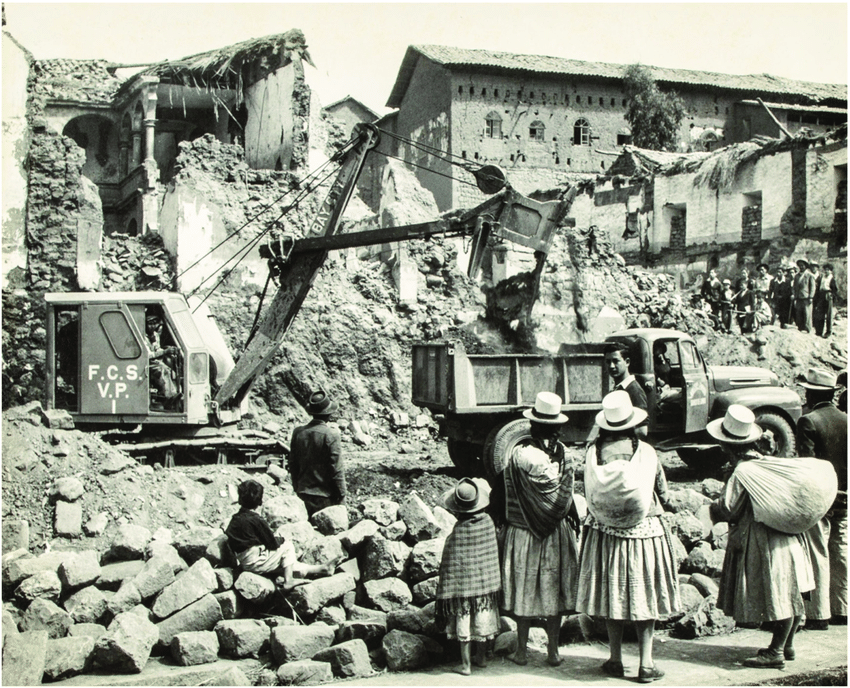
Below is an image of some of the damage after the 1950 earthquake:

Cuzco After the 1950 Earthquake

As good as the Inca were at being stonemasons, it is amazing to think that:

  1. They had no system of writing, though they did have a system of saving numerical data using a system of knotted cords known as quipu.
  2. They did not have the wheel to help them move all those heavy stones. But then they had no draft animals that could pull heavy carts, either,

Surrounded by Volcanoes

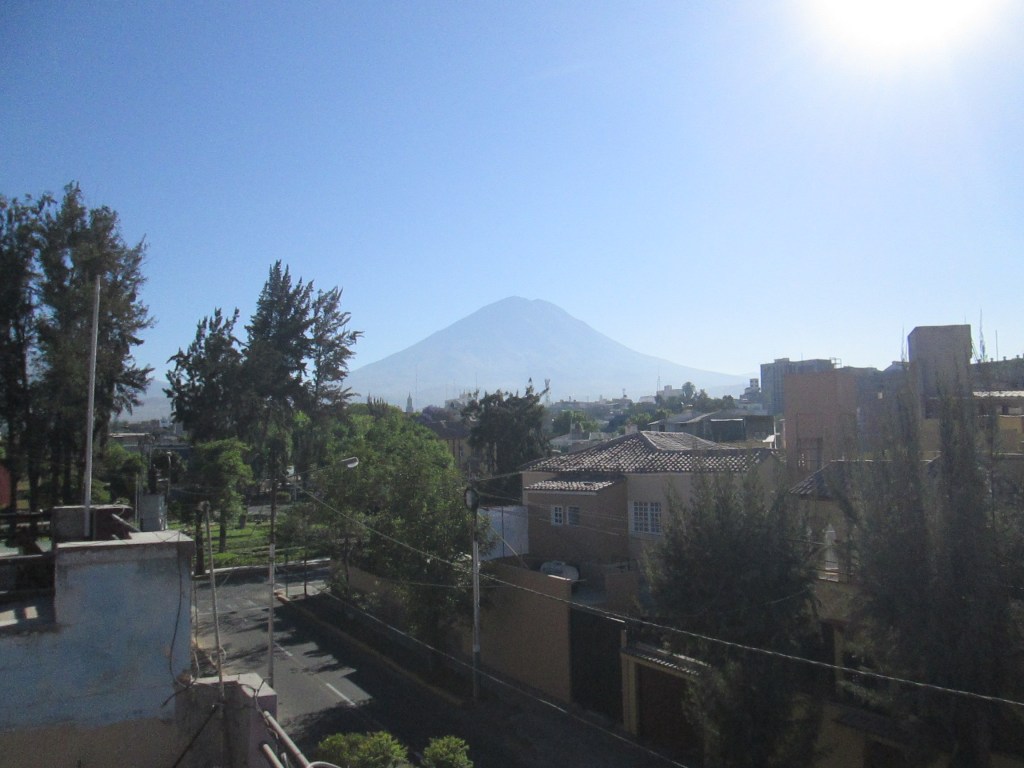
View of Volcan El Misti from Arequipa, Peru

Going back over my old Lonely Planet guidebooks, I am more and more impressed by my visit to Peru ten years ago. One of the places I loved most was the city of Arequipa, which I visited just to accustom my body to the altitudes I was to encounter at Colca Canyon, Puno, and Cuzco. Arequipa’s altitude was 7,660 feet (2,335 meters). Probably the highest altitude I reached was at Patopampas on the road to Chivay at Colca Canyon, which stood at 16,007 feet (4,879 meters).

It turns out that what was to have been primarily an exercise to avoid getting acute mountain sickness turned out to be a great destination.

Arequipa is surrounded by three volcanoes: El Misti, Chachani, and Pichu Pichu. Not surprisingly, the city has suffered major earthquakes that seem to go hand in hand with active volcanoes. Fortunately, the gods were not agitated when I was there late in 2014.

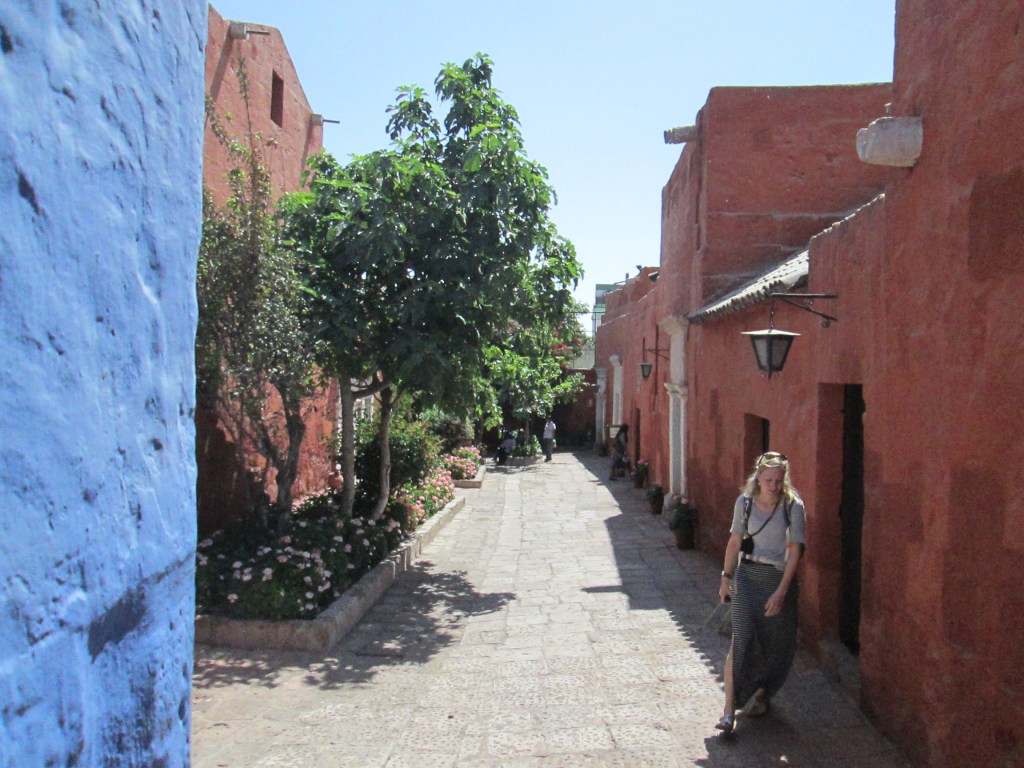
Of the city’s sights, I most enjoyed the monastery of Santa Catalina de Siena, which was itself city-sized. I spent a whole day from morning to late afternoon wandering through the monastery’s many streets, such as the one illustrated below:

Monastery of Santa Catalina in Arequipa

Running a close second and third are the Museo Sanctuarios Andinos, featuring the mummy of a 12-year-old girl sacrificed on Nevado Ampato around 1450 to stop the Volcan Sabancaya from erupting (it’s still erupting today) and the picturesque suburb of Yanahuara.

I would give my eye teeth to return. Maybe even more.

Barrancas del Cobre

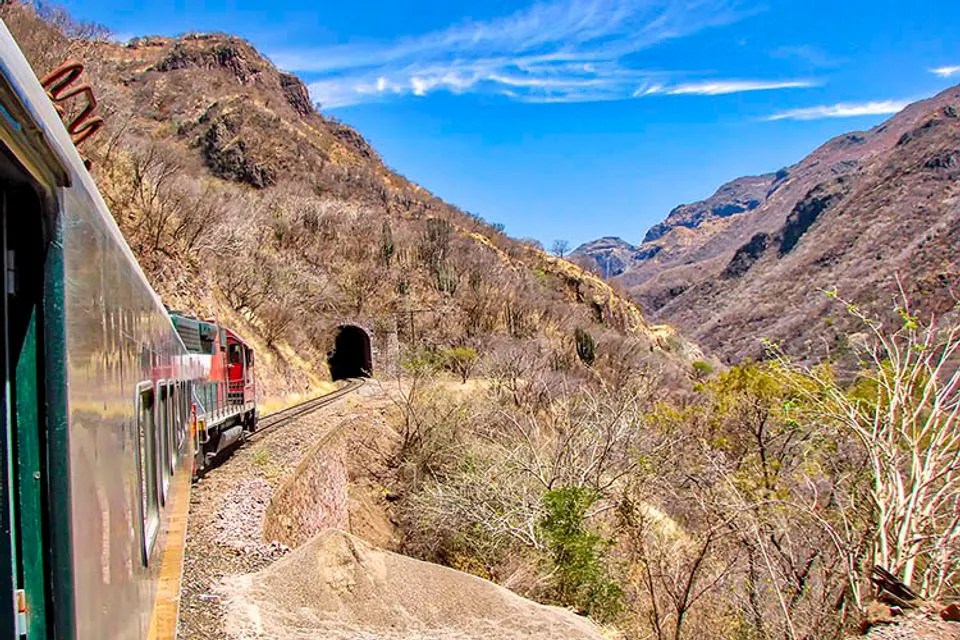
One of Many Tunnels on the Copper Canyon Route

It has been almost forty years since i took the Ferrocarril Chihuahua al Pacifico (now known as El Chepe) from Los Mochis in Sinaloa to Divisadero high in the Sierra Madre Occidental. It was one of the most fantastic train rides of my life, going where there are no roads other than a single track between Chihuahua and Los Mochis.

American engineers were consulted by the Mexican government to map out a rail route over the Sierra Madre Occidental, but they came back and said it just wasn’t feasible. So Mexican engineers went and built it anyway, all the way from Constitutión across the Rio Grande from Presidio, Texas, to the port of Topolobambo on the Sea of Cortez. Now the train runs a shorter route, but it includes 100% of the fantastic mountain scenery.

I went only as far as Divisadero, where at the time a lone motel stood next to the edge of a junction of three canyons, each of which was reputedly as deep as Arizona’s Grand Canyon. And there wasn’t just Copper Canyon, but altogether six canyons along the route.

One Slip and You’re Toast

Standing at the edge by Divisadero, I was amazed to see eagles flying over a thousand feet below me.

Altogether I spent two nights at Divisadero, and on the return trip spent a night at Bahuichivo. That was only the beginning of a long trip which included Mazatlán, Durango, Guanajuáto, Querétaro, Patzcuaro, Uruapán, Guadalupe, and Puerto Vallarta. As I recall, I was traveling around by bus and train for a whole month on that trip.

Land of Waterfalls

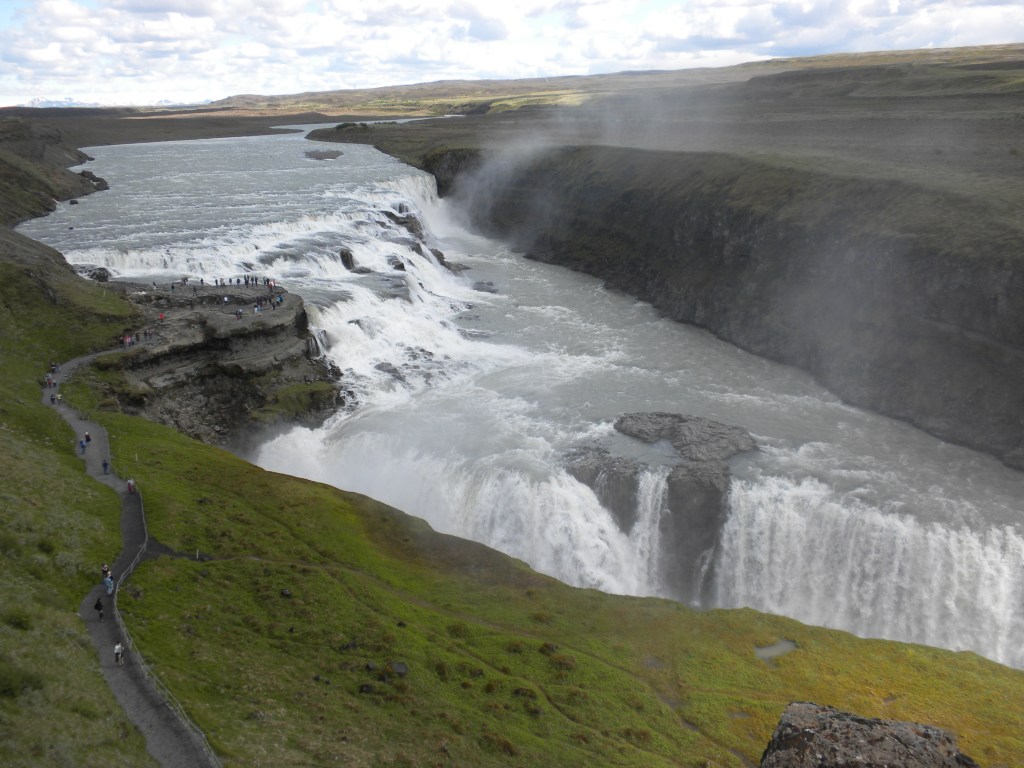
Gullfoss in Southwest Iceland

In my two vacations in Iceland (2001 and 2013), I have seen literally hundreds of waterfalls. Some, like Gullfoss above, were utterly spectacular. I am sure that the snow melt that occurs during the Icelandic summer, when I visited, displayed the force of the falls at their height.

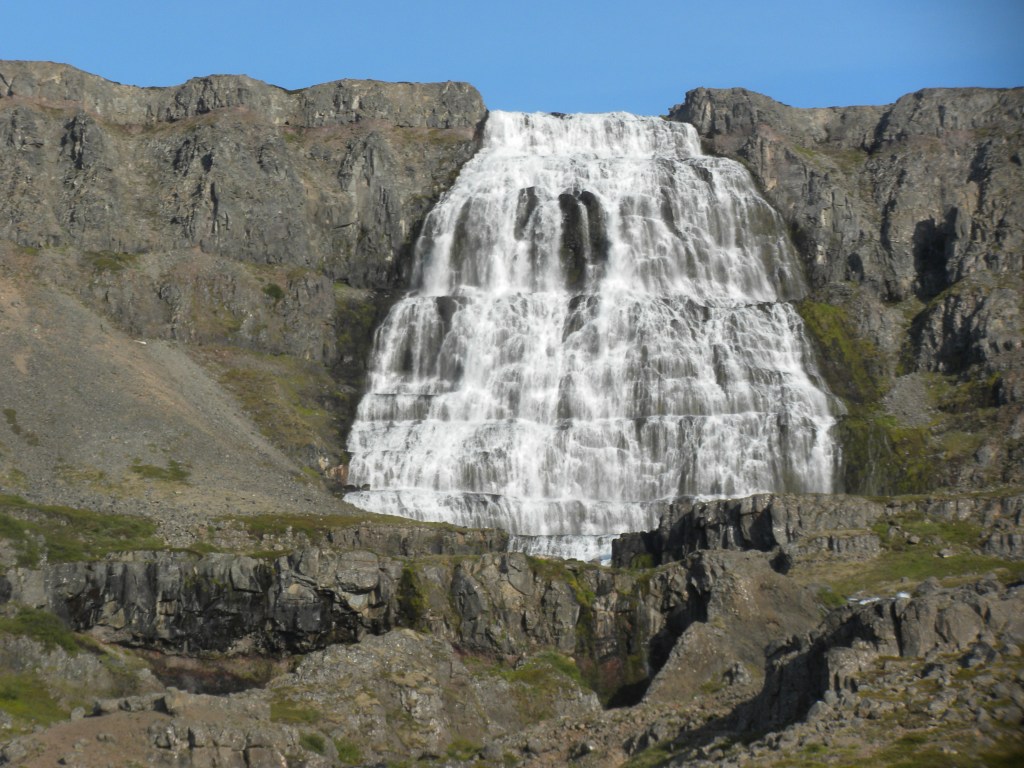
Below is one waterfall that is not visited so frequently, as it is in the remote Westfjords. I am referring to Dynjandi, illustrated below:

Dynjandi Falls in the Westfjords

The most powerful falls on the island is Dettifoss on the Jökulsá á Fjöllum River which flows north from the Vatnajökull Glacier to the Greenland Sea. I visited in during my first trip, in August 2001.

Dettifoss From the East Bank of the Jökulsá á Fjöllum River

I will never forget the roar of that mighty 144-foot (44-meter) plunge of the falls. That was an incredible trip, which began at Lake Myvátn and took us along the Jökulsá á Fjöllum River to the forest at Ásbbyrgi Canyon, then on to Husavík and back to the Lake.

Death Valley

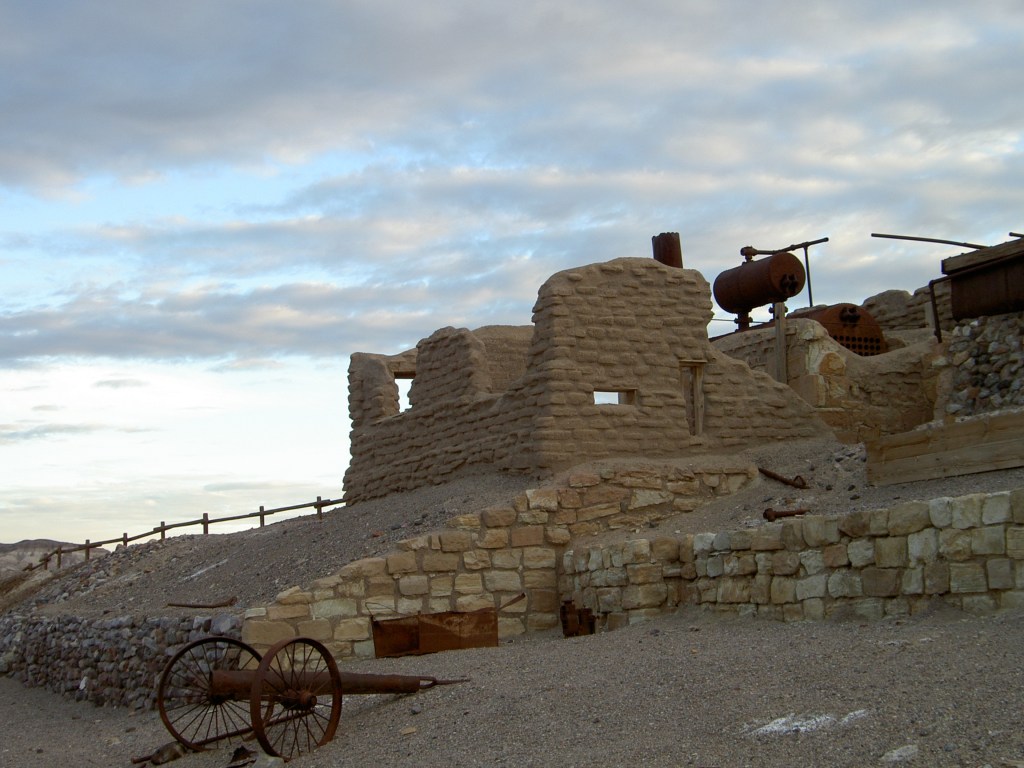
The Harmony Borax Works in Death Valley

One of the fiercest deserts on Earth is only about five hours northeast of where I live. I am referring to Death Valley. It’s not actually a valley despite its name: It’s actually a graben, referring to a piece of the Earth’s crust that is shifted downward in comparison to adjacent pieces of crust which have shifted upwards.

Dry and desolate though it may be, it is also strangely beautiful. But only if you visit it at the right time of year, namely winter. If you visit in summer, the temperatures push upwards of 120-130° Fahrenheit (49-55° Celsius).

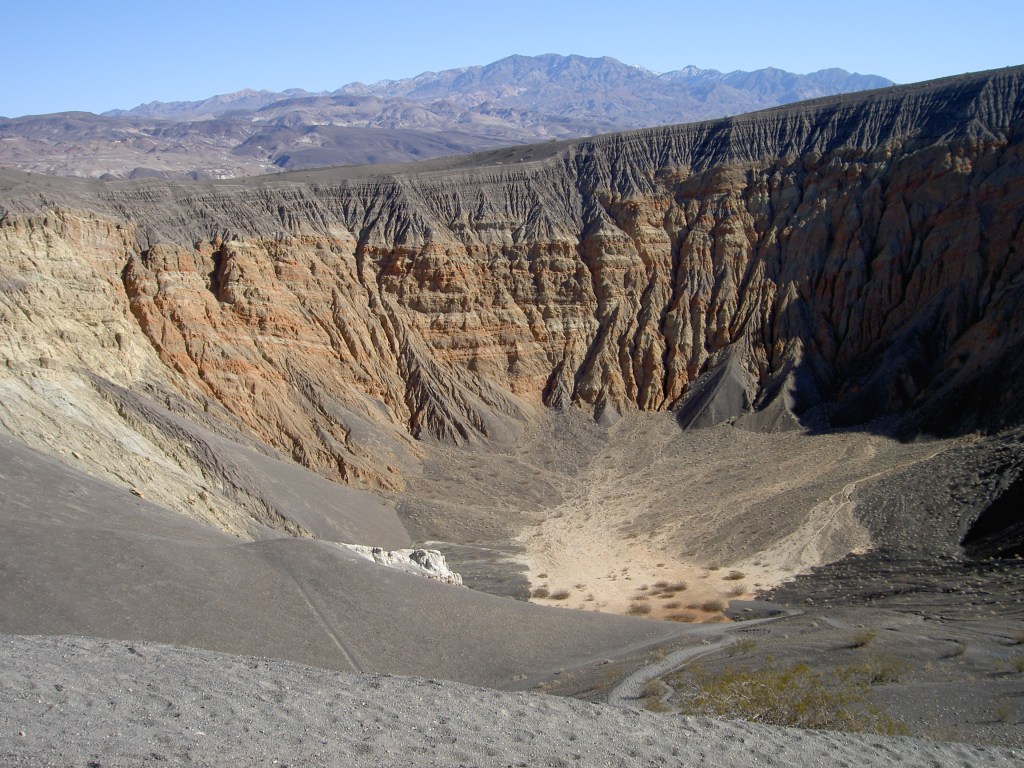
Martine and I visited in 2008, when these pictures were taken. We stayed at the motel at Stovepipe Wells in January 2008. The rooms were excellent, but the food in the restaurant was pretty dreadful. Who ever thought of dumping old gravy into the soup?

Ubehebe Crater

I would love to go back to Death Valley sometime, perhaps this time staying at Furnace Creek rather than Stovepipe Wells.

We could also visit Lone Pine, one of my favorite towns along U.S. 395, where there is a museum of film westerns and some surprisingly good places to eat.

On To O’ahu

Tomorrow Martine and I are headed off to Honolulu for a week in the sun. The last few days, both of us have had a low-level flu. I am getting better, but Martine has a real problem with insomnia. Some years ago, she got too used to taking prescription sleeping pills and is dismayed to find that they don’t work as well as they used to. The best thing would have been not to get hooked on them in the first place, but that boat has sailed.

We’ll be staying at the same hotel we stayed at last year. It may not be on he beach, but we would prefer not to hang out at the beach. We prefer the hotels on Kuhio Avenue, one or two blocks makau (inland) from the beachfront properties on Kalakaua Avenue.

Tonight I don’t expect to get much sleep. And because of the time zone difference, tomorrow will be a 27-hour day. I expect both of us will get a good night’s sleep tomorrow.

Look for this blog to resume on Wednesday or Thursday of next week. Until then, aloha!

A Royal Palace on American Soil

Honolulu’s Iolani Palace (Built 1879)

Not far from the Hawaii State Capitol sits the Iolani Palace, home of the monarchs of the Kingdom of Hawai’i from Kamehameha III in 1879 until the overthrow of the monarchy under Queen Lili’uokalani by a group of American merchants in 1893.

As I prepare to go to Hawaii in a week or so, I am conscious once again that the United States ruthlessly stepped on the rights of the Hawaiian people just so that a cabal of American merchants could have their way. On this trip, I plan to read Queen Lili’uokalani’s autobiography. For eight months, the Queen was imprisoned in one of the second floor bedrooms until she was tried by a military tribunal on some trumped-up charge.

It was like the U.S. and the American Indians all over again. Fortunately, there were no massacres by the cavalry in this instance, though the takeover was no less final—and unjust.

Third Time’s a Charm

Martine at Kapiolani Park in September 2022

As I mentioned in my post yesterday, Martine and I are headed back to Honolulu for another visit. Looking back at last year’s pictures, I noticed that Martine looked genuinely happy in most of them. Returning to L.A., Martine has had a difficult year—especially when she broke her wrist in two places after a fall at home. And recovery has been painfully slow, especially since the cast which she war was too tight and affected her ability to bend her fingers once it was removed.

Although I would probably be happier traipsing off to Latin America, Martine’s happiness matters to me; and I can certainly enjoy myself in Hawaii provided I stay away from most mainland tourists of the luau-frequenting variety.

We will be staying at the same hotel we stayed in last year, the Malia. Last year, it was a hotel in the Outrigger chain; now, it is the Waikiki Malia, apparently no longer part of a chain. It is not exactly on the beach, but that is no matter to us as we are not beach types. We prefer the corner of Kuhio and Lewers because of its convenient access to public transportation.

The big success story of last year’s trip was our discovery of the Honolulu bus system, the best we have seen in any American city. As senior citizens, we picked up a Senior Citizens discount Holo card, which enables us to unlimited rides for the entire month of September for $20.00 US for each of us. Compare that with high car rental fees and hotel parking rates of up to $50-60 US per night.

Amazingly, the Honolulu buses go not only all around the city, but along the Southeast (Hanauma Bay, Hawaii Kai), the Windward Coast (Kailuka, Kaneohe, La’e), the North Shore (Waimea, the Banzai Pipeline), and Central O’ahu (the Dole Pinapple Plantation). Where we would need a car would be the Leeward Coast (Ko Olina) and certain trailheads on mountain trails. If you’re thinking of going to Hawaii on a budget, I firmly recommend the public transportation and a non-luxury-priced hotel, preferably on Kuhio Avenue.

We booked our trip through the Southern California Auto Club, which I also recommend.