Under Four Flags

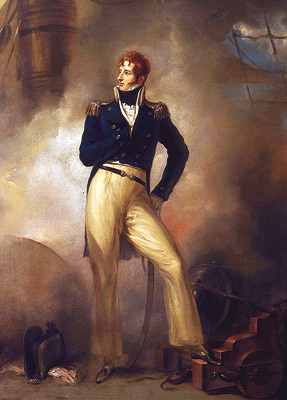
Lord Thomas Cochrane (1775-1860)

Lord Thomas Cochrane (1775-1860)

He must have been an amazing sight to his enemies, towering over six feet with red hair. Lord Thomas Cochrane, 10th Earl of Dundonald, was an impoverished Scot of noble birth who was a brilliant attacking sea captain. Because of various circumstances, mostly relating to his problems with authority, he was perhaps the most brilliant naval strategist who did not actually command a fleet. Had the Admiralty not been so venal and corrupt, he could have shortened the Napoleonic Wars by incursions against the mainland of France, forcing Napoleon back from Russia ahead of schedule. But that was not to be.

Some people are not meant to get along well with politicians. (I am one such myself, though not with one thousandth the talent of the Scotsman.) Cochrane developed a whole slew of enemies, hobnobbing as he did with Radicals as William Cobbett and Sir Francis Burdett. He even spent time at King’s Bench Prison for stock fraud—a mostly bogus charge cobbled together by his enemies with a complaisant and corrupt judge on the bench.

Stripped of his Order of the Bath and drummed out of the Navy, Cochrane accepted an offer the command the navy of the emerging Republic of Chile. He fought a number of sharp naval actions until the Spanish Pacific Fleet was driven off. Then he assisted Dom Pedro I of Brazil fight for that country’s independence from Brazil.

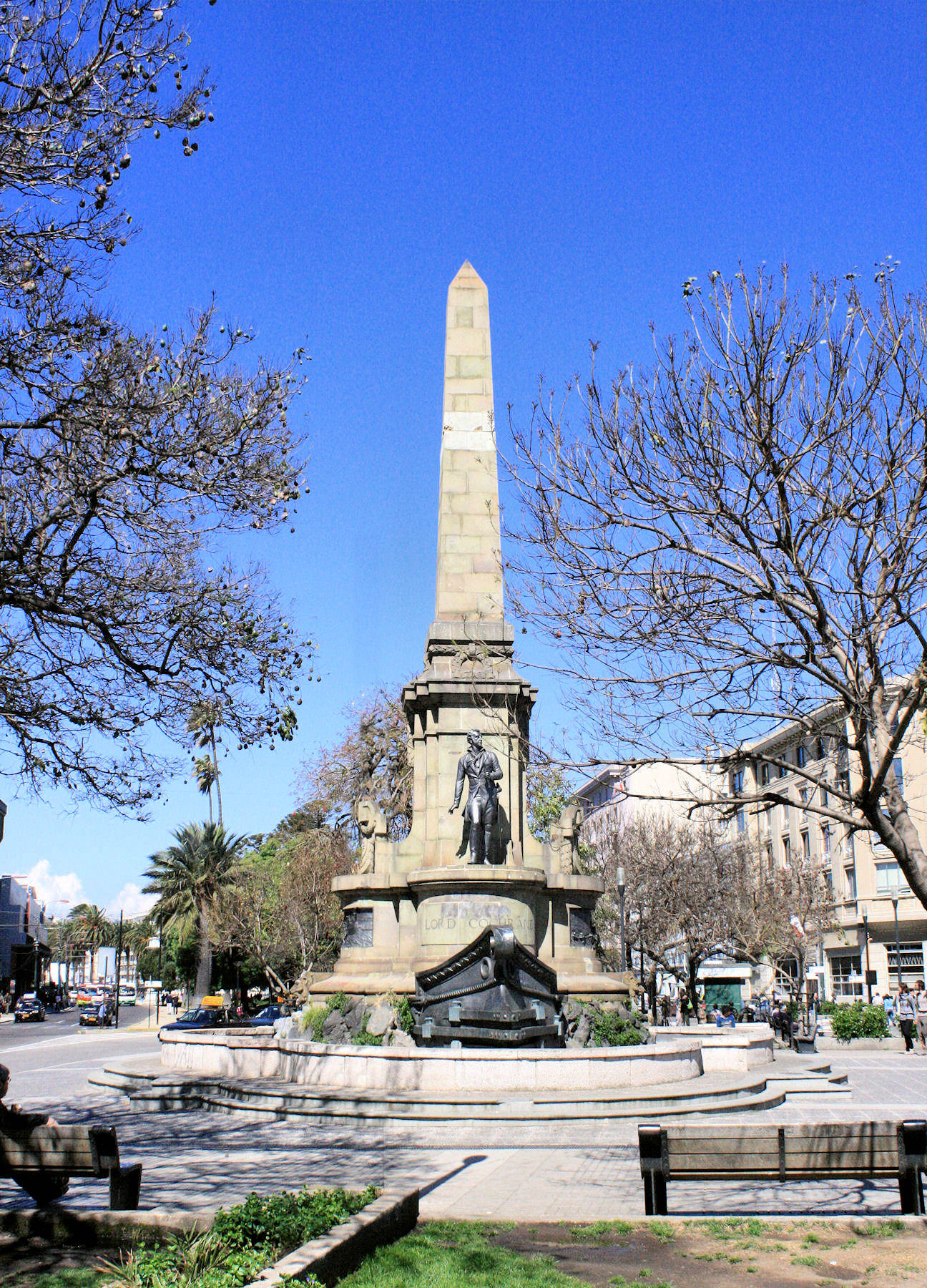
Memorial to Cochrane in Valparaiso, Chile

Memorial to Cochrane in Valparaiso, Chile

Finally, he ended up commanding the fleet of the Greeks who were then fighting to free themselves from the Ottomans. Here he was least effective, largely because of the rampant factionalism of the Greeks. According to Donald Thomas in his excellent biography Cochrane, “he wrote to the Chevalier Eynard of the Philhellenic Committee in Paris, describing the government of Greece as depending on ‘bands of undisciplined, ignorant, and lawless savages.’” This was a far cry from the well-trained British and Chilean sailors he had commanded.

Eventually, Greece won her independence, but only after the British, Russians, and French combined to dictate terms against the Turks.

Cochrane reminds me of General George Patton, another brilliant military leader who paid a heavy price for refusing to kiss the butts of military administrators.

Felix Culpa

I Profit from My Booking Error

I Profit from My Booking Error

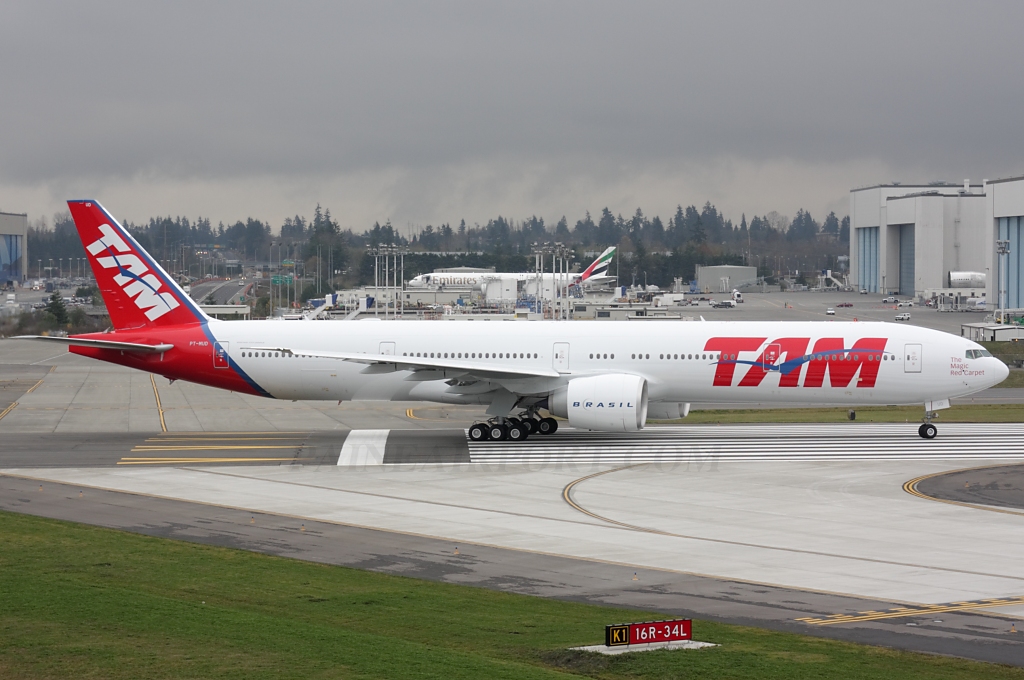
Until a few days ago, I thought my flight to and from South America was going to set me back slightly over $2,200. That’s mostly because flights from Santiago, Chile to Los Angeles are not cheap. Poring over my ticket confirmation, I find that the $900 for my flight to Buenos Aires via São Paolo is actually a round trip flight. Instead of forking over $1,300 for a flight from Santiago, I just need a much cheaper flight (about $300) from Santiago to Buenos Aires—provided I fly back on Thanksgiving Day via TAM Airlines, again via São Paolo.

I’m not sure how this all happened, but I have verified that my TAM ticket is round trip, and that I will have almost one thousand dollars more to spend on my vacation. Of course, I will have to loll around for six hours at São Paolo’s Guarulhos International Airport, but that’s all right with me. I will have my two Kindles fully charged and can sample some tasty Brazilian chow at my leisure.

As far as missing out on some turkey on Thanksgiving, too bad. Don’t like it much anyhow.


Ytinerary: Iguazu Falls

Rainbow Over the Falls

Rainbow Over the Falls

My doctor suggested I see it, my niece suggested I see it, my friends suggested I see it; so I decided to add Iguazu Falls to my itinerary. It is considered by some to be the most spectacular waterfalls on earth. It lies at a point where the borders of three countries meet: Argentina, Brazil, and Paraguay. About 20% of the falls are on Brazilian territory, and 80% on Argentinian territory. Nearby Paraguay gets 0%. To see the best long-distance view, I have to pay the $140 visa reciprocity fee to Brazil, even if I just sneak across the border for an hour or two. (I have already paid the Argentinian fee in 2011, which is good for ten years.)

I plan to spend two nights at Puerto Iguazu on the Argentinian side. To get there from Buenos Aires, I plan to take a Via Bariloche bus with their tutto letto service with 180º degree reclining bed/seats. The trip takes upwards of eighteen hours, though I get the chance to see a lot of countryside. On the way back, I will take a plane—carefully avoiding Aerolineas Argentinas to the maximum extent possible. (We had horrendous luck with them back in 2011.)

Whether I will spend $140 to see the Brazilian side of the falls for a few hours is still a moot point. My doctor said it’s worth it, but a lot of tourists have written that once you get close up to the Garganta del Diablo (the Devil’s Throat), everything else is secondary.

As I have written earlier, I have avoided the falls on earlier trips because of my hatred of mosquitoes. I will take a 100% DEET insect repellent with me and avoid spending too much time in the jungle areas around dusk. Instead, I will read a book in air conditioned comfort.


Stopovers

If I Can’t Fly Nonstop, I Can at Least Look Around

If I Can’t Fly Nonstop, I Can at Least Look Around

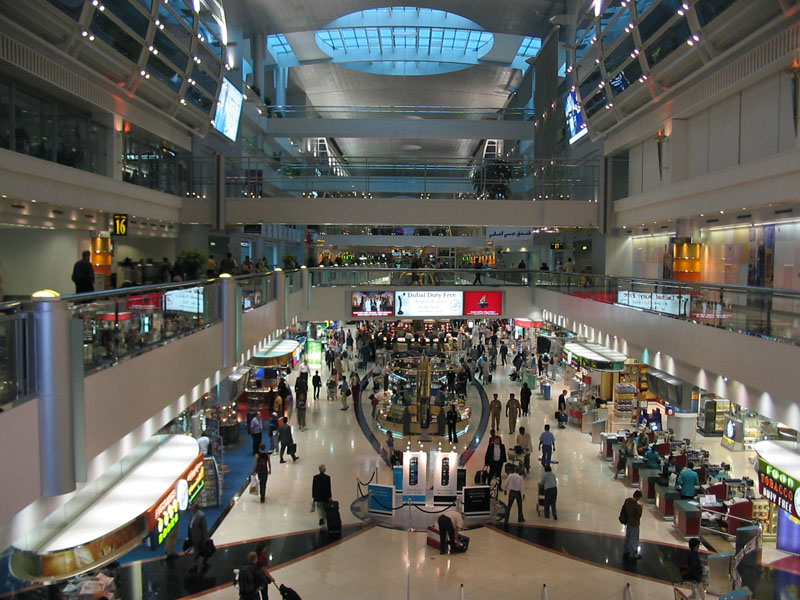
Above is a view of São Paolo’s new air terminal. There is no way I can fly nonstop from Los Angeles to Buenos Aires, so I picked a bargain flight with TAM Airlines, which recently merge with my favorite South American carrier: LAN. My flight lets me wander around the new International Terminal for three and a half hours before boarding another flight to Buenos Aires’s Ministro Pistarini airport, better known by its neighborhood: Ezeiza.

From Santiago, I have an even more interesting route back. I will take Colombia’s national carrier Avianca to Bogota, where I will spend three hours. Then I hop on a TACA flight (owned by Avianca) to San Salvador in El Salvador, where I quickly change planes to a LACSA (owned by Avianca) flight to Los Angeles.

Why don’t I fly on a U.S. carrier, you might ask? The answer is simple: I don’t like being treated like garbage, eating swill, and paying richly for the privilege.

Look at that airport above. Then compare it to the aging slum that is Los Angeles International. It’s almost as if we just didn’t care any more.

Deep, Deep in the Heart of Dixie

The Stars and Bars Still Flies in a Corner of ... Brazil?

The Stars and Bars Still Flies in a Corner of … Brazil?

The Civil War ended a century and a half ago, but it is still being celebrated—strictly on the Rebel side, however—by descendants of the Southerners who emigrated to Brazil rather than submit to the indignation of Yankee Carpetbaggers. I was amused by a story on the NBC News website entitled “Confederate Roots Extend Far South … of the Equator.”

In an area near a place called Americana in the State of São Paulo, there is an annual Festa Confederada by descendants of the 10,000 Secessionists who were lured further south by Emperor Dom Pedro II to establish a successful cotton growing economy. Apparently, it worked.

Apparently Brazil was the last country in the Western World to abolish slavery, as late as 1888. So the first Confederados in Brazil were able to hold on to their slaves for some twenty years. As one can see from pictures taken at the Festa in Santa Barbara D’Oeste, the same symbols that would raise controversy in North America are celebrated openly in Brazil.

Although I am an enemy of all manifestations of the Confederacy in the United States, where the wounds of the Civil War are still bleeding, I find the South American recrudescence to be innocuous, as it appears to be unconnected with the type of race hatred which still rages in our country.