The Threat of Calamity

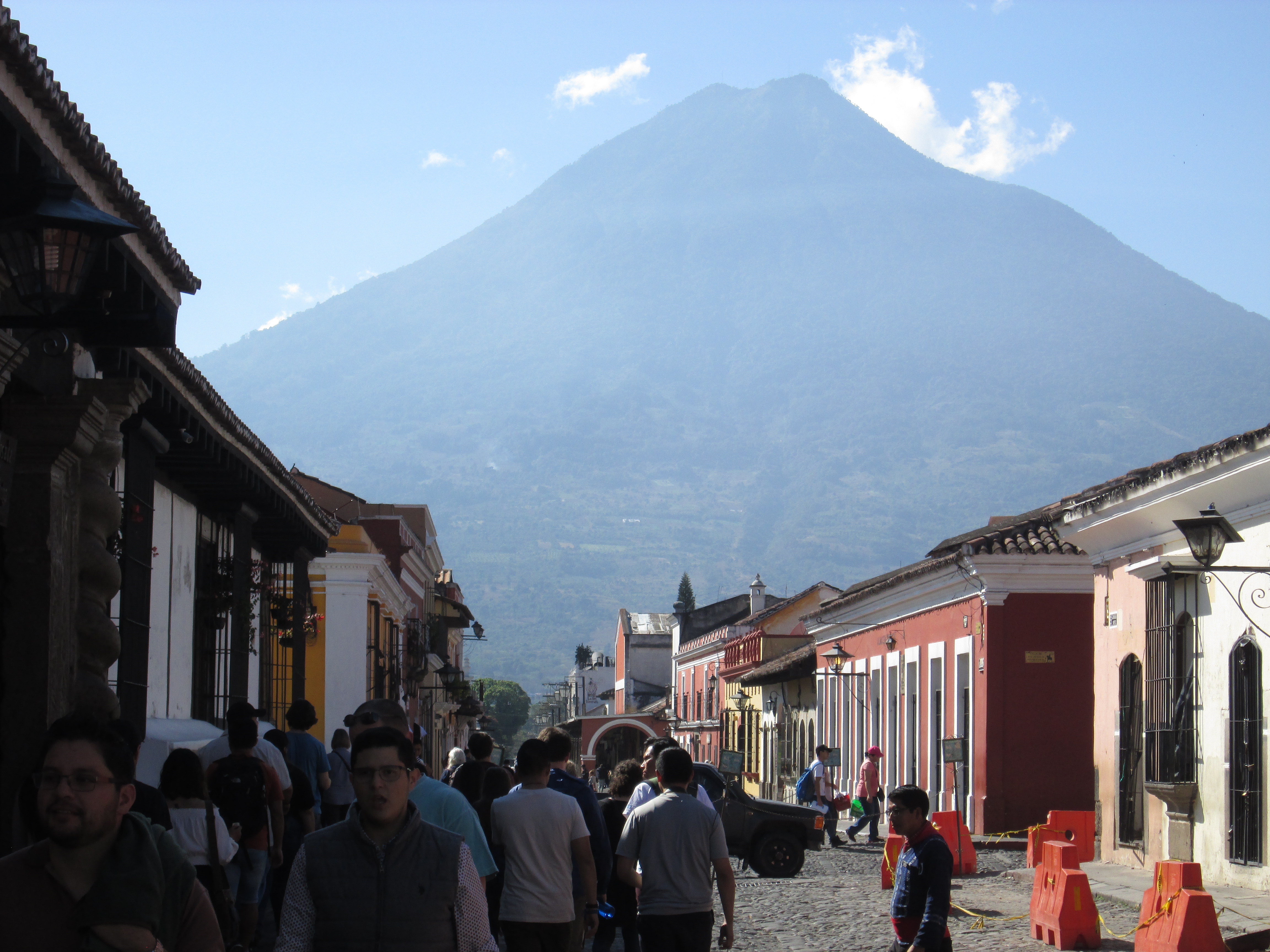
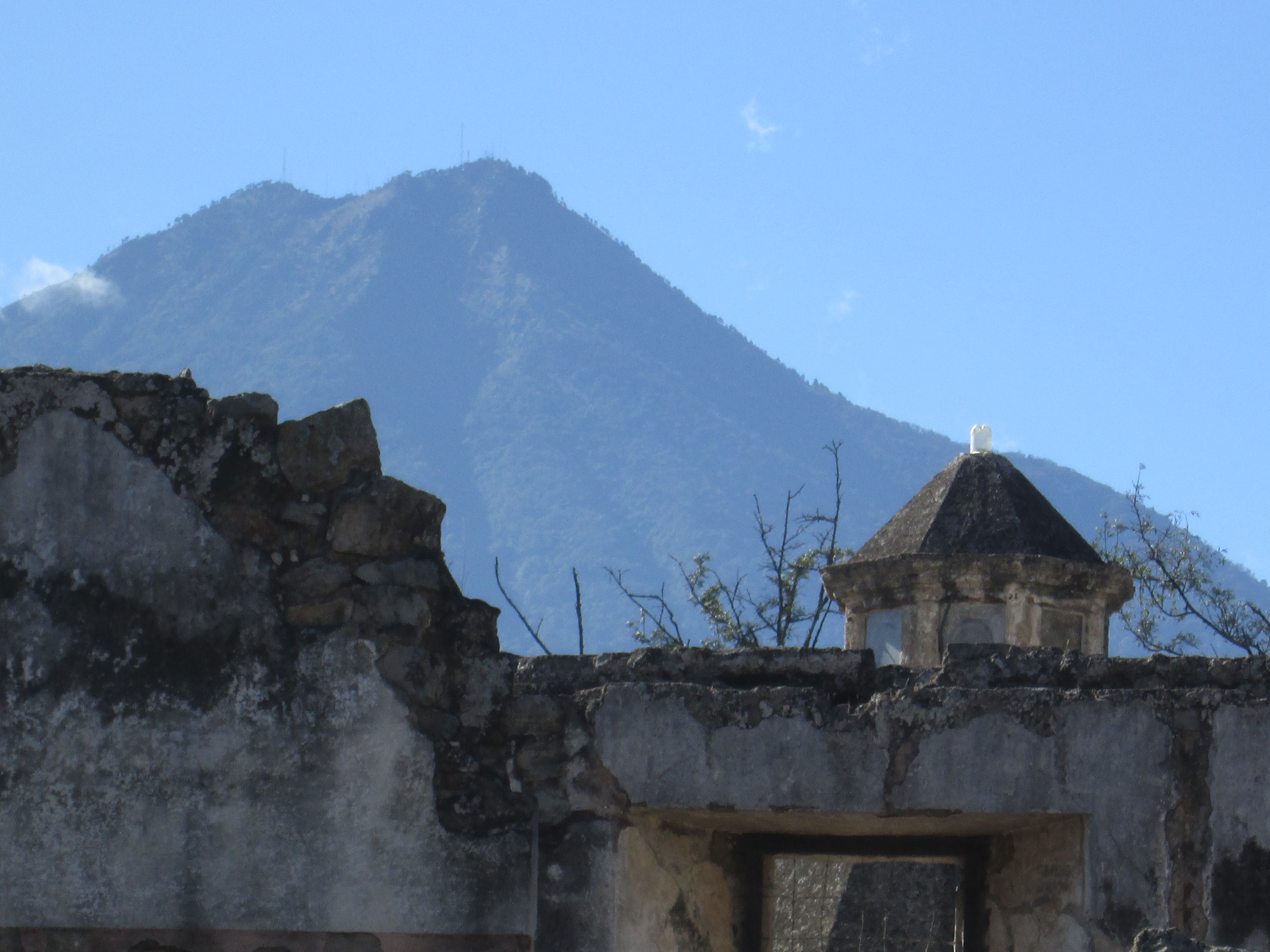
Volcán Agua Seen from Antigua

One thing my visit to Guatemala in January convinced me of is that certain places—perhaps all places—are susceptible to calamity. These include floods, earthquakes, tsunamis, volcanic eruptions, tornadoes, hurricanes, avalanches, and typhoons. In the highlands of Guatemala, there were several times that I was within sight of three volcanoes. One of them, Fuego, had erupted twice in 2018, causing 159 deaths and 256 missing persons, not to mention thousands of evacuations.

I frequently think back to the Sylmar Earthquake of 1971 and the Northridge Earthquake of 1994 and to the fear that both events caused me to feel. After the 1971 quake, we were screening Alfred Hitchcock’s 1936 film Sabotage at UCLA’s Melnitz Hall showing a London power plant being attacked by a terrorist. At the same time, we felt an aftershock of the main quake followed by a power outage. The entire audience erupted in nervous laughter, with some feeling genuine alarm.

Although I have complained numerous times of drought in California, a bigger danger is a hundred year flood. In December-January 1861-62, there was a massive flood which, if repeated, woulod cause death and destruction on a scale large enough to challenge California’s aura of prosperity:

Beginning on December 24, 1861, and lasting for 45 days, the largest flood in California’s recorded history occurred, reaching full flood stage in different areas between January 9–12, 1862. The entire Sacramento and San Joaquin valleys were inundated for an extent of 300 miles (480 km), averaging 20 miles (32 km) in breadth. State government was forced to relocate from the capital in Sacramento for 18 months in San Francisco. The rain created an inland sea in Orange County, lasting about three weeks with water standing 4 feet (1.2 m) deep up to 4 miles (6 km) from the river The Los Angeles basin was flooded from the San Gabriel Mountains to the Palos Verdes Peninsula, at variable depths, excluding the higher lands which became islands until the waters receded. The Los Angeles basin lost 200,000 cattle by way of drowning, as well as homes, ranches, farm crops & vineyards being swept-away. [Wikipedia]

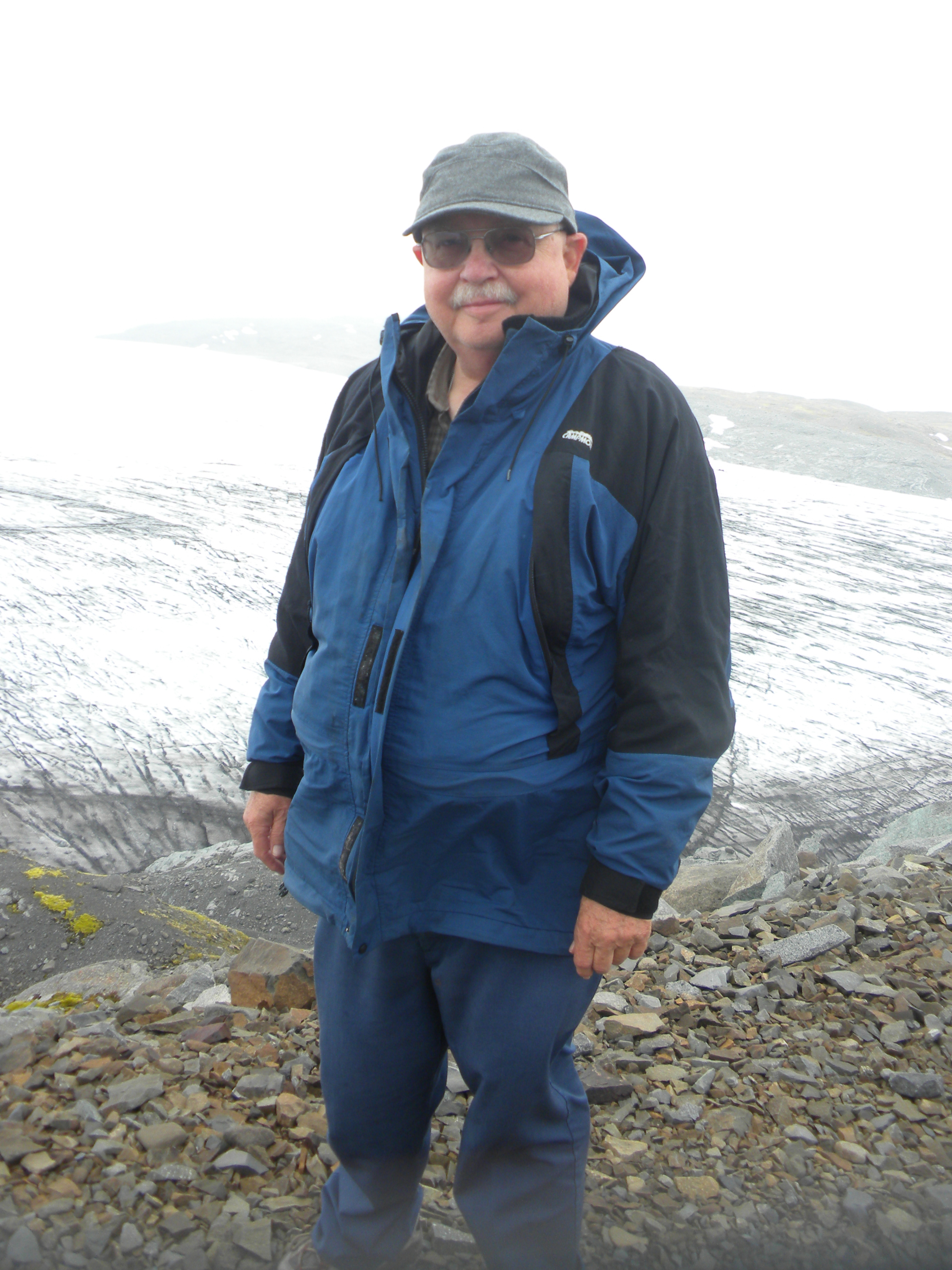
Me Atop the Icelandic Glacier Vatnajökull, the Largest in Europe, Under Which Sits the Volcano Grimsvötn

Iceland is one country I have visited which has come close to being destroyed several times in the last thousand years. The Vatnajökull glacier sits atop a massive volcano which, when it erupts, causes a massive flood rushing to the North Atlantic. That’s in addition to the lava, of course. Nearby Lakagigar erupted over an eight-month period beginning in June 1783, pouring out some 42 billion tons of poisonous hydrofluoric acid and sulfur dioxide that led to a famine in which a quarter of the island’s population lost their lives.

We all live under the threat of calamity of some sort, much of it caused by our fellow man. Sometimes it feels like a bloody miracle that we survive at all.


Time and Chance

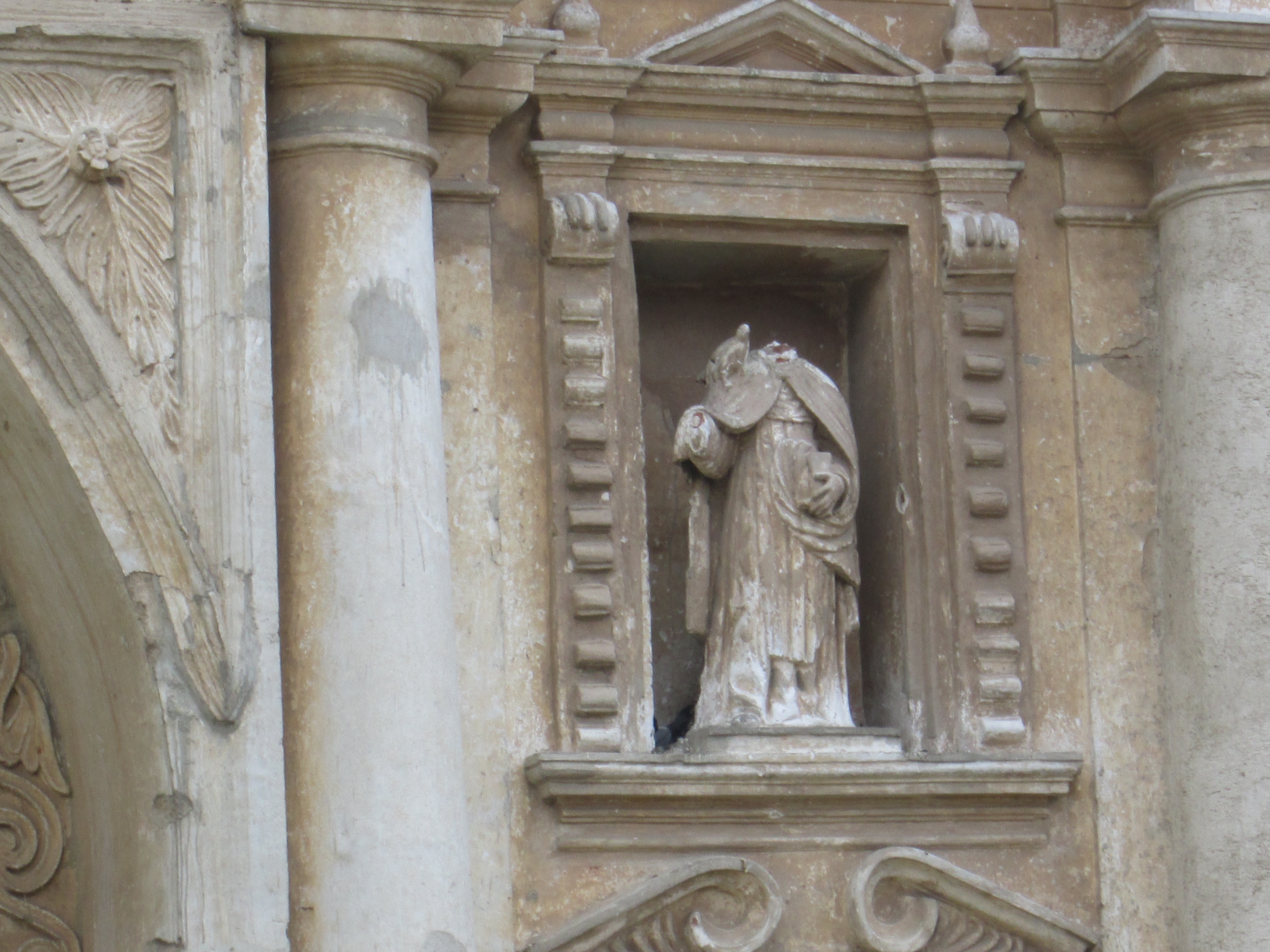
Statue Beheaded by the Santa Marta Earthquake of 1773

At 3:45 PM on July 29, 1773, a Richter 7.5 temblor struck the third capital of Guatemala, then called the Ciudad de Santiago de los Caballeros de Goathemalan. The city was filled with churches, monasteries, and convents. Half of the city’s religious were killed by the quake, and within a couple of years, the capital moved to its present-day location in the Valle de la Ermita, where it is known as Guatemala City.

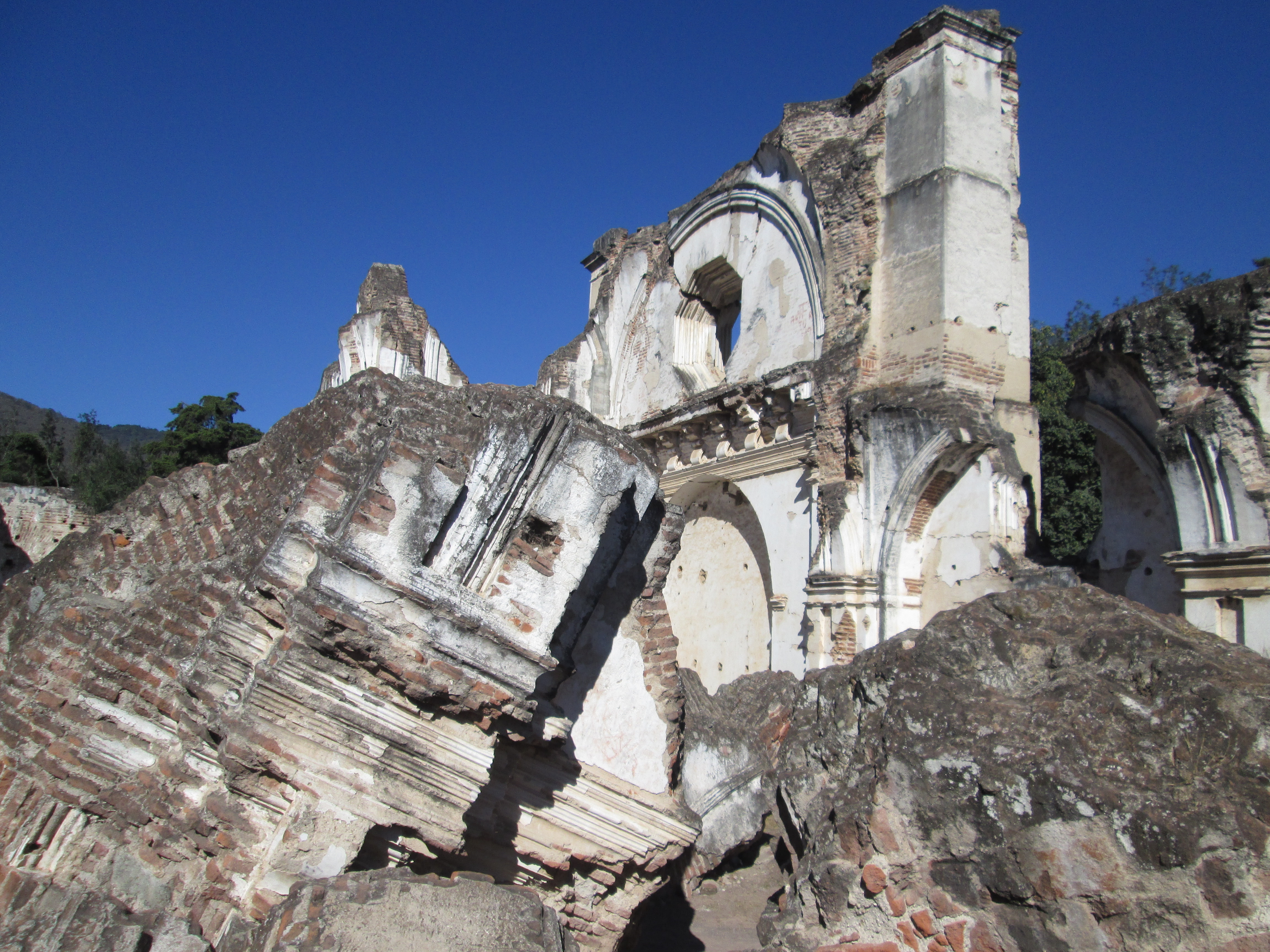
Nowhere was the devastation more apparent than the churches in the western half of the city now known as Antigua, especially the Church of the Recollects on 1a Calle Poniente. During my five-day stay in the city, I visited approximately a dozen ruined churches. None, however, made quite the impression on me as La Recolección.

Ruins of La Recolección in Antigua

The roof of the church had completely caved in, sending huge multi-ton masses of brick and concrete crashing to the floor. If any services were being held at the time, I find it hard to believe that there were any survivors. For all I know, there may still be skeletons under the masses of rubble.

While in Antigua, I called my brother in Palm Desert, California and described the chaos to him. Dan Paris, who has spent years building in earthquake country, told me that much of the disaster could have been avoided if only the Spanish had mixed straw with the concrete. The Maya, whose own houses were built based on a racial memory of thousands of years of shaking earth, did not suffer quite so much.

Not all the churches in Antigua were flattened by the Santa Marta quake of 1773. La Merced and San Francisco were two of the churches that managed to survive more or less intact, though the convent attached to La Merced was heavily damaged.

Ruins of La Recolección with Volcan Fuego in Background

It felt odd for me—who had traveled to Guatemala to see the ruins of ancient Maya cities—should have started my trip visiting the more recent ruins of Christianity. It made me feel as if the Christian ruins were, in their own way, equivalent to the Maya ruins, and that we are all subject to the vagaries of time and chance.


In the Blast Furnace

I Am Dreading the Next Few Days

As a giant high pressure area is setting up over the Southwest, we are expecting two days of high nineties (36-37º Celsius). Although the weather forecasts show a ten degree drop for Sunday, I am predicting the heat will probably persist, as it is wont to do. Santa Ana weather conditions almost always last longer than predicted, sometimes even for weeks.

Oh, but then there’s always the ocean, no? Not in this case. The winds blow the heat and smog westward toward the ocean. Sometimes we can see the smog hovering a few miles off the shore, waiting to be blown back over Southern California. Not only is it ungodly hot at the beach, but one’s feet burn in the superheated sand. Not a pleasant experience?

What to do? I will try to find a movie I can see during the afternoon. My comfort will depend on the theater’s air-conditioning system remaining in good working order. As for our apartment, we have no air conditioning. If there is a power outage (and our little area is subject to at least one or two a year), I will just have to go to bed early.

There are two bad aspects to living in Southern California: heat waves and earthquakes.

In Dubious Terrain

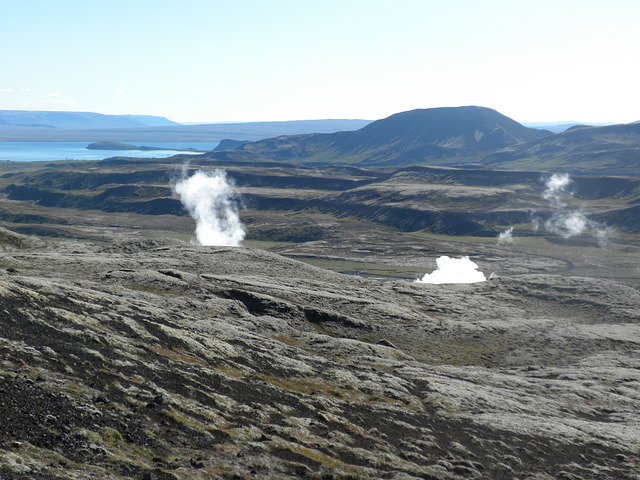
Volcanic Steam Vents Near Þingvellir Iceland

It is almost five years since I last set foot in Iceland. Curiously, most of the vacations I have had since then have been in earthquake and volcanic zones. It is almost as if being in highly dubious terrain has become a metaphor for my life. All those Icelandic steam vents, all those fumaroles—they are a handy symbol for the curve balls that life can throw at you. I am reminded of John Bunyan’s Pilgrim’s Progress, in which Pilgrim must walk a straight and narrow path from the City of Destruction to the Celestial City, which is Heaven.

My first memory of Iceland, going back to my first visit in 2001, was of all the steam vents on the Reykjanes Peninsula between Keflavík Airport and Reykjavík. Then, too, there were those fields of geysers where one had to stay on the path if one didn’t want to fall through the crust and end up boiled to death within seconds.

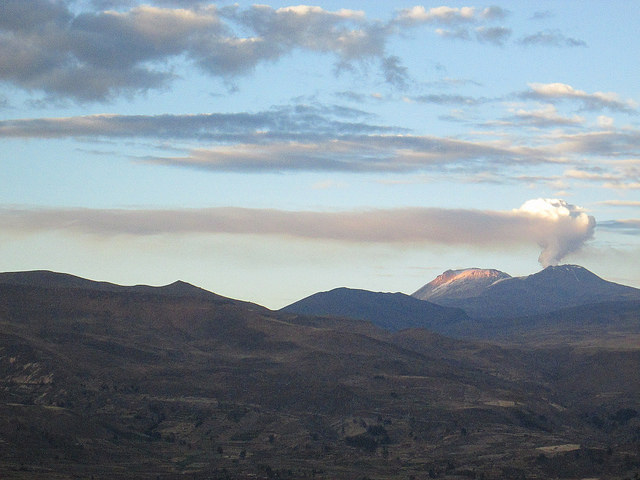
The Volcano Sabancaya in Eruption Near Arequipa, Peru

In my seventy-third year on this earth, I find I must walk on the straight and narrow path lest I fall by the wayside. Living with Martine was a pleasant distraction—one I would gladly suffer again—but on my own, there are more things that can happen to me. I am determined to take good care of myself, insomuch as that is possible.

As you read these little squibs of mine, I should not be surprised if you could tell that something is wrong before I can inform you of the details.

In the meantime, I continue to plan for my vacation later this year in Guatemala, another land of earthquakes and volcanoes.


Tophet

Sky Full of Ash: The View from My Front Door

The wildfires to the north of us have filled the sky with ashes. When I wake up in the morning, I have to blow my nose to lessen the irritation. The air smells burnt.

According to Wikipedia:

In the Hebrew Bible Tophet or Topheth (Hebrew: תוֹפֶת‎; Greek: Ταφεθ; Latin: Topheth) was a location in Jerusalem in the Gehinnom where worshipers influenced by the ancient Canaanite religion engaged in the human sacrifice of children to the gods Moloch and Baal by burning them alive. Tophet became a theological or poetic synonym for hell within Christendom.

The traditional explanation that a burning rubbish heap in the Valley of Hinnom south of Jerusalem gave rise to the idea of a fiery Gehenna of judgment is attributed to Rabbi David Kimhi’s commentary on Psalm 27:13. He maintained that in this loathsome valley fires were kept burning perpetually to consume the filth and cadavers thrown into it.

In any case, it doesn’t sound very appetizing. There are times when Los Angeles is beautiful and fresh, but that’s only after a rare rain. Other times, it’s like a slow oven. And it could even be cold. When there’s a major earthquake, it feels that you can slide at any moment into a deep crevice near to the fires at the center of the earth.

But, still, it’s better than Cleveland.


The Summer of Our Discontent

Earthquakes. Hurricanes. What’s Next?

The last several weeks have seen some serious damage done to North America: hurricanes in Texas, Florida, and the Caribbean; then earthquakes in Mexico. There was even a small quake a few days ago whose epicenter was only two miles from me. I shouldn’t be surprised if a volcanic cone started pushing up through the ground the way Paricutín did in Michoacán back in 1943.

Of course, the one really, really serious volcanic event on this continent would be for the Yellowstone Caldera to blow, the way it has three times before: 2.1 million years ago, 1.3 million years ago, and 630,000 years ago. Each explosion made major changes to the map of North America. If Yellowstone did in fact blow, the only good news is that it would take out Washington, DC, along with everything else east of it.

I’ve already written about Nibiru, though I disbelieve most Christian projections of doom. I merely think it’s wishful thinking on the part of Evangelicals, who, just perhaps, may be realizing that they’ve f*cked up really bad this time. They want to be raptured up quickly so they don’t have to take any more blame for destroying what once was a perfectly viable country.


My Los Angeles

Tree on Ocean Avenue in Venice

I guess that by now I’m officially an Angeleno. It was late in December 1966 that I took a train to arrive at L.A.’s Union Station and was met by former neighbors from Cleveland, Ohio. It was the first time I had ever been west of Chicago, so all I saw was new to me. All that pastel stucco instead of the sooty red brick of Northeastern Ohio. The plants were all different. The climate was strange. Even the people were somewhat odd. Fortunately, I was rooming on Sunset Boulevard with a friend from Dartmouth College days, with whom I am still a close friend.

Mind you, I did not take to the place at once. For years, I thought of myself as an Easterner. It was only by slow degrees that the light of Southern California, with those beautiful sunsets over the Pacific, started to work a sea change in me. There were some things that repulsed me. Numero Uno: Earthquakes. The Sylmar quake of 1971 hurled me out of my bed and scared the stuffing out of me. Last night, while I was recording a Max Ophüls film—The Earrings of Madame de … (1953)—on videotape, I felt a sharp jolt. Even after all these years, I felt a moment of terror. Should I run for the bedroom hallway, where I would be safe from falling building parts? Should I just shrug my shoulders? I opted to go to bed.

Martine is even more nonchalant about temblors than I am—probably because she never felt one of the big ones, such as the ones in 1971 and 1994. Ah, well, she’ll learn!

I still don’t think much of L.A. drivers. They tend to be lazy about following the law, such as signalling lane changes and crashing red lights and stop signs. But then, it could be that way in most other big cities, too. I seem to remember not liking to drive in Miami, Calgary or Las Vegas either.

Some things I really like about Los Angeles are:

  • The food. California looks South (Latin America) and West (Asia) for its cuisine.
  • The politics. As a determined Trumpf-hater I feel in good company in this very Blue State.
  • The mountains. There are some mountains in Los Angeles County that are 10,000 feet high, a far cry flat flat Ohio.
  • The deserts. So we don’t get much rain, but the deserts of the Southwest are beautiful, so long as you don’t make the mistake of visiting them at the wrong time.
  • The coast. Driving along the Pacific can be gorgeous, especially in the early morning before the Beemer bozos get out of bed.

You’ll notice that I didn’t mention the weather. I’ve never liked really hot weather: And every year we get about 20 days of horrendously torrid weather. Fortunately, Martine and I live only two miles inland from the coast, so we can usually catch a few breezes, but not always.

In the Right Place at the Right Time

This Overpass on SR 14 Collapsed in Both 1971 and 1994

Assembling California is the fourth volume of John McPhee’s geology tetralogy, the other volumes of which are Basin and Range, In Suspect Terrain, and Rising from the Plains. I delayed finishing the quartet because, as a California resident, I relished the enjoyment I would get from reading Assembling California. My only disappointment is that, being an Easterner, McPhee was mostly enthralled by Northern California, especially the area around I-80. Oh, well, it happens.

Assembling California is all about a fact that the geology, in its own way, replicates how the people of California came together from everywhere. So, too, did the pieces of rock that form the state migrate from all over the world and stick together—a process which will continue over millions of years to take the start apart just as it put it all together. Geologist Eldridge Moores writes:

People look upon the natural world as if all motions of the past had set the stage for us and were now frozen. They look out at a scene like this and think, It was all made for us—even if the San Andreas Fault is at their feet. To imagine that turmoil is in the past and somehow we are now in a more stable time seems to be a psychological need. Leonardo Seebler, of Lamont-Doherty, referred to it as the principle of least astonishment. As we have seen this fall, the time we’re in is just as active as the past. The time between events is long only with respect to a human lifetime.

I, for one, have been through two major quakes—the Sylmar Quake of 1971 and the North Hills Quake of 1994.

There are times when I stop and listen, waiting for the earth to rise up again and send me into paroxysms of terror. Whether I live or die will depend if “I am in the right place at the right time.” I can pretend that I will never experience another earthquake, but the chances are good that I will.

How To Explain a Disaster

Why Can’t Our News Media Do Such a Good Job?

Why Can’t Our News Media Do Such a Good Job?

At regular intervals I read the Ecuador Times website for news of my next vacation destination. Their English is execrable (“Weekly addresses will continue to be broadcast despite President Correa’s offering”), but they have access to some graphic genius who can, in a small space, explain something as complicated as the 7.8 earthquake that hit the Manabi region of that country.

Even though the above illustration is in Spanish, it is 99% clear to me. It even describes a family earthquake kit and what measures to take when the earth begins to shake.

I could only wish the Los Angeles Times would hire their graphic artist so that maybe I will be able to understand why people would vote for Donald Trump and why the culprits of the 2008 Recession are not in prison.

Not the Worst of Men

Hugo Chavez, the late President of Venezuela

Hugo Chavez, the late President of Venezuela

Not all dictators are uniformly bad. Okay, there were Hitler, Stalin, Pol Pot, and Mao—not to mention the horrendous Kim dynasty of North Korea. But think for a second: Would the world be in this ISIS/ISIL/Daesh mess if Saddam Hussein were still alive? We hanged him for being a bad dude, but worse dudes were to follow.

If there is any country in the Western Hemisphere that is an abysmal basket case, that country would be Haiti. After the 2010 earthquake that leveled half the country, all the NGOs moved in with their shiny SUVs and their air of moral superiority. One country, however, donated money to Haiti—admittedly much of which went into the wrong hands—but the recipients did not have to grovel for it. That was Venezuela, which at the time was basking in oil wealth. Through its Petrocaribe alliance with several other states, Hugo Chavez gave millions to the devastated country.

Now Venezuela is in dire straits and Hugo Chavez is dead of cancer. As much as his regime bad-mouthed the U.S., I salute Chavez for having a heart that was often in the right place.