Honoring the Ancestors

Non-Japanese Participants in the Obon Dances

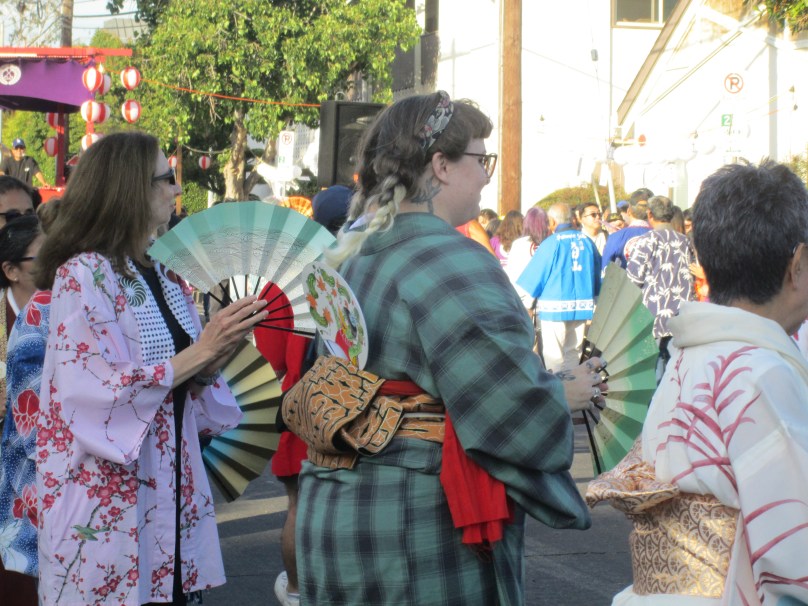
For the first time since before the Covid-19 closures, Martine and I attended the West Los Angeles Buddhist Temple’s Obon celebration yesterday. In Southern California, the various Buddhist temples take turns in offering an Obon celebration. Many of the participants that we saw included families from the Venice, Nishin (downtown L.A.), Gardena, Orange County, San Fernando Valley and various other hongwanjis that spend weekends traveling from one celebration to the next—as the celebrations are designed not to interfere with one another.

Again, the Men’s Club at WLA provided their superior udon noodle soup, which I enjoyed with some Japanese chili powder (togarashi) for extra flavor. Missing was the sushi booth, which I patronized in previous years.

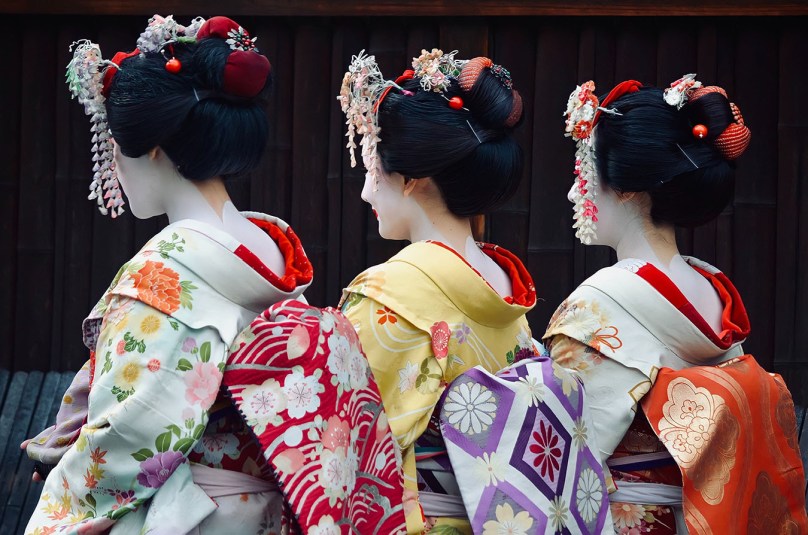
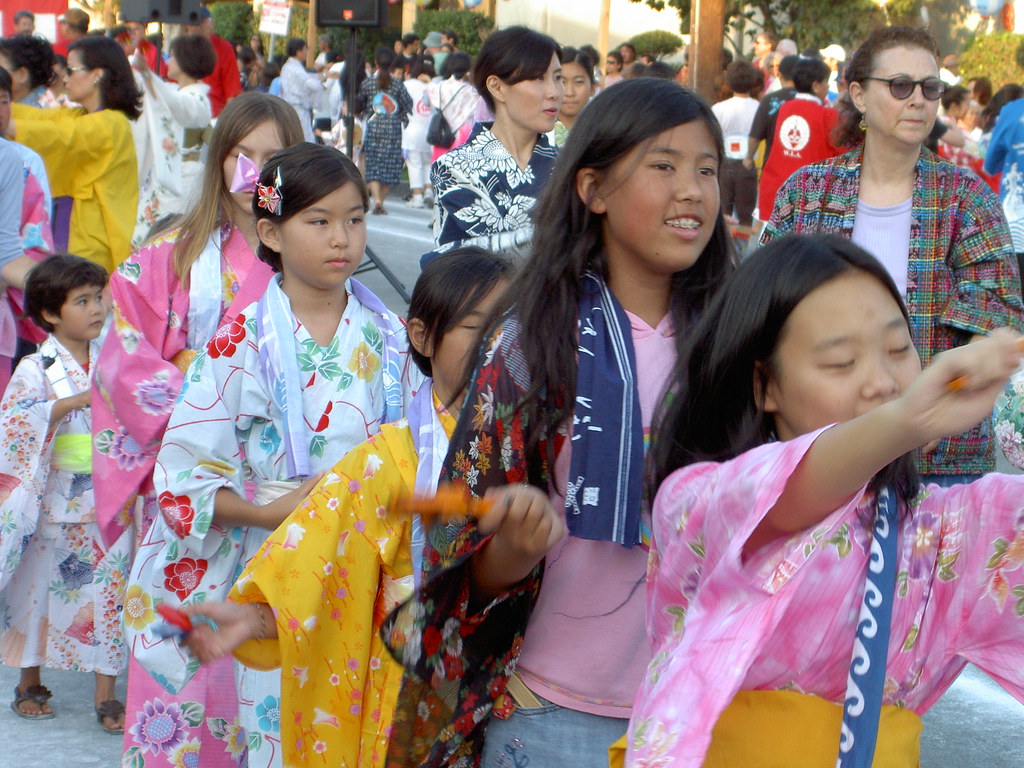
In many of the posts I have written about ethnic festivals, I have rued the steady decline as various ethnicities become more attenuated to the hamburger and french fry mainstream of American culture. This does not seem to be the problem with the Obon festival we attended. Many of the participants dancing and wearing kimonos and happi coats represented either mixed families or all white families.

Apparently, the WLA Buddhist temple is very attractive to refugees from some of the nastier Christian denominations. According to their website:

We are a Jodo Shinshu Pure Land Buddhist temple located in the heart of Sawtelle Japantown in the West Los Angeles area of Southern California. We are an inclusive community welcoming of all people, regardless of age, ethnicity, gender, sexual orientation, etc.

That inclusive attitude seems to have borne fruit. I’m happy, at any rate, at least as long as the Men’s Club continues cooking up their udon soup.

Sawtelle Days

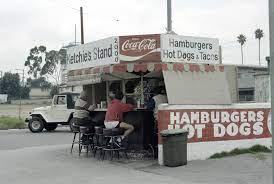
Ketchie’s Stand at Sawtelle and Missouri

The third place I lived in Los Angeles was the first that I had picked out for myself. The apartment on Sunset Boulevard was picked by my roommate and best friend, Peter; and my father picked out the hot-box on Darlington where I sweltered from a total lack of ventilation.

In the fall of 1967, I was diagnosed with idiopathic aseptic necrosis of the left femoral head. My orthopedist at UCLA thought I would be placed in traction for months, so I hightailed it back to Cleveland to stay with my parents. It turned out that the treatment was for me to be on crutches for a couple of years.

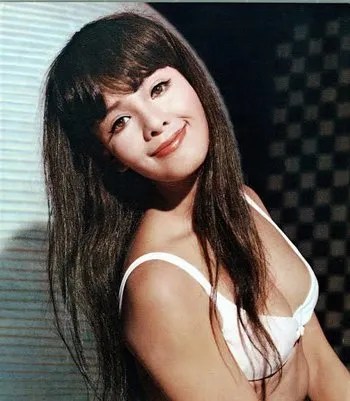
Around New Years of 1968, I returned to L.A. and, with the help of my friend Norm, found a studio apartment on Mississippi Avenue a half block west of Sawtelle Boulevard. It was and, to some extent, still is a Japanese neighborhood. And this was at a time that I was gaga over Japanese films and cuisine and culture. I dreamt of meeting some Nisei cutie who looked like Toho film star Mie Hama.

Toho Film Cheesecake Star Mie Hama

Of course, I didn’t—and, besides, what kind of dating scene can a guy on crutches have who doesn’t have either a car or a driver’s license? For me, that was still in the future….

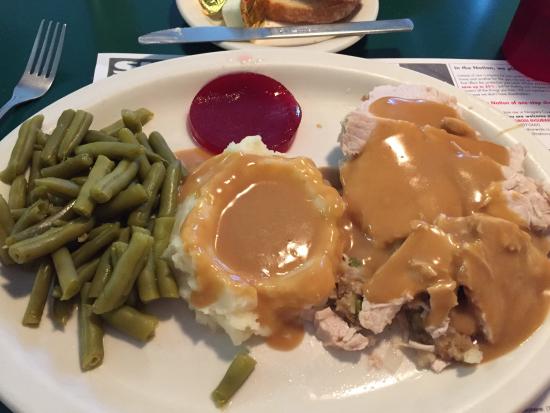
But it was interesting living in a Japanese neighborhood and eating teriyaki and donburi regularly at the O-Sho Restaurant and the Futaba Café, which were right around the corner on Sawtelle. And there was Ketchie’s Stand at Missouri and Sawtelle where the friendly Okie chef cooked up some very creditable hamburgers and tacos.

I was still attending graduate school in film at UCLA and wound up taking two Santa Monica buses to and from classes, unless I just decided to walk the five blocks from Santa Monica Boulevard and Sawtelle.

Around this time, I joined my film friends from UCLA in making regular treks to the Japanese movie theaters in town. At the time, there were five of them: the Toho La Brea, which showed films from Toho; the Kokusai and Sho Tokyo, from Daiei Studio; the Kabuki, from Shochiku; and the Linda Lea, from Tohei. At the time, I think the Japanese film industry was consistently making the best films anywhere. Needless to say, those theaters are no more.

I lived in the Mississippi apartment for about a year before moving to the first of my two Santa Monica apartments on 12th and 11th Streets respectively. But that is a story for another time.

Jidaigeki

Posters for The Seven Samurai (1954) and Harakiri (1962)

When I first came to Los Angeles in 1967, it didn’t take long for me to fall in love with everything Japanese. That included Japanese films, Japanese food, Japanese literature, and Japanese women. My first long RTD (Rapid Transit District) ride was on the old #83 Wilshire Boulevard route from West L.A. to La Brea Boulevard, where the Toho LaBrea theater was located a couple blocks south. I even remember the film: It was Part One of Hiroshi Inagaki’s Samurai trilogy.

Here I was, a Hungarian kid from Cleveland, finding a kind of home in the Japanese community of L.A. I even moved to Mississippi Avenue in the Sawtelle Japanese district, where there were two Japanese restaurants, the O-Sho and the Futaba Café. They were my first introduction to the cuisine. I was pretty raw at the time: When I had my first cubes of tofu in miso soup, I thought, “I’ll bet these are cut-up shark fins!”

I used to hate seafood. I thought the fish there was picked up from floating debris atop polluted Lake Erie. Now on my own in Southern California, I found myself trying (and loving) sushi after five short years.

What I loved most, however, were Japanese jidaigeki (period films), particularly those set in the samurai era. My friends Alain Silver and Jim Ursini (who collaborated on the first book on samurai films to be published in the U.S.) and I would regularly go to one of the five Japanese movie theaters then existing in Los Angeles:

  • The Toho LaBrea screened films from the Toho Studio
  • The Kokusai and Sho Tokyo theaters played Daiei films—probably my favorite
  • The Kabuki played films from Shochiku
  • The Linda Lea (my least favorite) played films from Tohei

They are all gone now. It’s all part of the growing Americanization of Japanese-Americans.

The Kokusai Theater on Crenshaw South of Adams

In fact, Alain, Jim, an I wrote a column for the UCLA Daily Bruin called “The Exotic Filmgoer.” The articles were all signed Tarnmoor (which, curiously, is the name I go under for this blog). We wrote about the Japanese and other ethnic cinemas that existed back around 1970.

I still love jidaigeki, though they’re not usually to be found around town playing in movie theaters. I have a large collection of DVDs of samurai films, and watch the Japanese films on the Turner Classic Movies (TCM) channel when they are playing.

And I still love Japanese food, though sushi is getting to be priced beyond my means.

A Traitor at the Dinner Table

My Taste in Foods Is Positively Un-American

It all started with Hungarian food. That’s what I was raised on, good Magyar chow cooked by my mother and my great-grandmother Lidia Toth. Along the way, I also started to like American food, particularly hamburgers and hot dogs.

But then something happened when I came out to Southern California. It started with Mexican food. When I lived in Santa Monica, there was a Mexican buffet around Wilshire and 12th Street called Castillo’s. One of the girls behind the steam table was quite cute, and I remember eating there and ogling her.

That was only the beginning. Then I moved to Mississippi Avenue between Sawtelle and Corinth, which was in the middle of a small Japanese neighborhood. I dined regularly at the Osho Restaurant and the Futaba Cafe. When my miso soup has tofu in it, I naively thought they were cut-up shark fins. Before long, I was eating sushi—despite the fact that, while I lived in Cleveland, I saw fish only as dead things that floated on the surface of polluted Lake Erie.

When I worked at Urban Decision Systems at Santa Monica Blvd and Barrington Avenue, we frequently ate Chinese food at the Sun Kwong Restaurant, which was a very high quality Cantonese place. But then Szechuan cuisine invaded, plus I became a chili-head whereas before I went for bland foods. My tastes kept developing to such an extent that my parents—God rest their souls!—thought that I had betrayed my Hungarian heritage.

Well, it’s still with me, along with a whole lot of other cuisines. I drive poor Martine crazy with the weird spices and condiments I introduce into my cooking. At the same time, I try to make sure she gets plenty of the foods she particularly favors. These can usually be described as bland American food.

So it goes.


Manzanar Revisited

White Racism at Its Ugliest

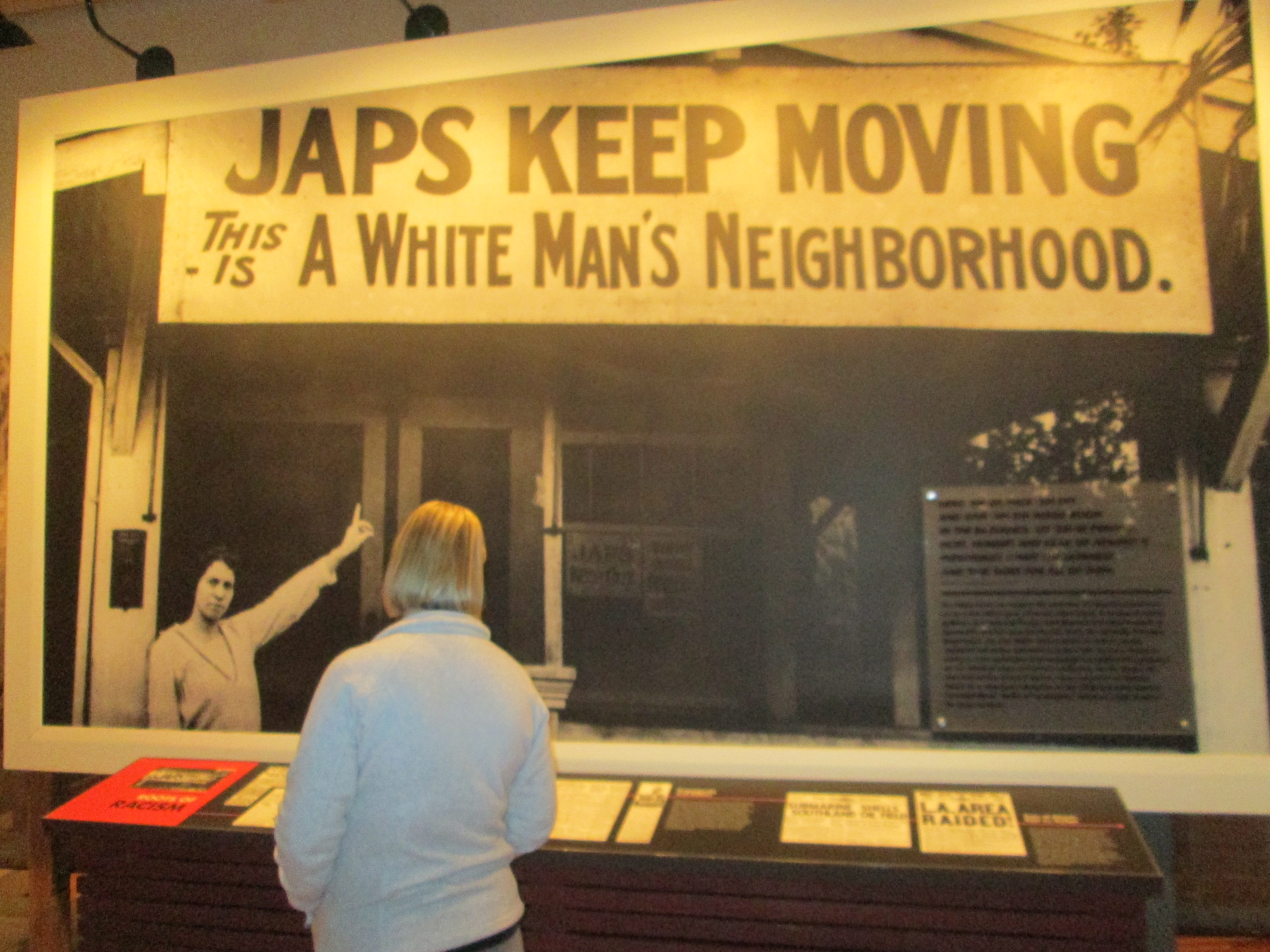
Living in Los Angeles as I have for over half a century, I have lived and worked with many Japanese whom I regard as my friends. They are also as American as apple pie—if not more so. So it strikes me as one of America’s crimes that 112,000 Japanese Nisei and issei were interned in some ten concentration camps scattered across the Western States.

The most famous of these camps is Manzanar, located midway between Lone Pine and Independence in the Eastern Sierras. The former camp is now the Manzanar National Historic Site, managed by the National Park Service (NPS). Martine and I had visited it in the past, perhaps as much as three times. Last week, we visited it again. We were happy to see that the NPS had reconstructed four buildings in Block 14 of the camp: two barracks, a women’s latrine, and a mess hall. (Beware of dinner on Tuesdays, when the infamous Slop Suey was served.)

In the crazy divided political world of today, it is nice to see a park whose reason for existence is an indictment of American racism during World War II. Yes, the Japanese were our enemy; but so were the Germans, and we didn’t intern any of them. More’s the pity: Perhaps our current Presidente might never have been born.

If you are driving up (or down) Highway 395, it is worth spending an hour or two visiting Manzanar. And be sure to see the 22-minute video shown every half hour.


Attenuation of Ethnicity

Picture from the West L.A. Buddhist Temple Obon Festival 2007

I have been attending the West Los Angeles Buddhist Temple’s Obon Festival for many years now, going back to the 1970s. Now Martine joins me and takes as much pleasure in the festivities as I do.

One thing that both of us noticed was that the festival was less Japanese. It was also not so well attended, and most of the dancers wore ordinary casual clothes. Only a few of the men and women wore kimonos, where in the past most of the participants were more traditionally dressed.

As a Hungarian-American who was born in a rich ethnic tradition in a Hungarian neighborhood in Cleveland, I am constantly aware that our ethnic traditions are being gradually attenuated over time. When I first came to L.A., there were a number of Hungarian restaurants. Now the count is down to zero. The same thing is happening to other ethnicities, such as the Japanese and even the Mexicans.

I suppose it is only natural that over time we are becoming more homogeneous. Even though the Obon Festival was a bit less Japanese, those of us who were present enjoyed it nonetheless. The Men’s Club udon noodle soup was delicious: This year it even had fish cakes with the barbecued pork.

In a way, one of the reasons I am no longer interested in belonging to a Hungarian group is that, in the long run, it will inevitably become a shadow of what it once was. If there are no Hungarian restaurants in town, I have some old Hungarian cookbooks and can make the dishes myself.


Monsters: American vs. Japanese

Mark Nagata’s Kaiju Eyezon

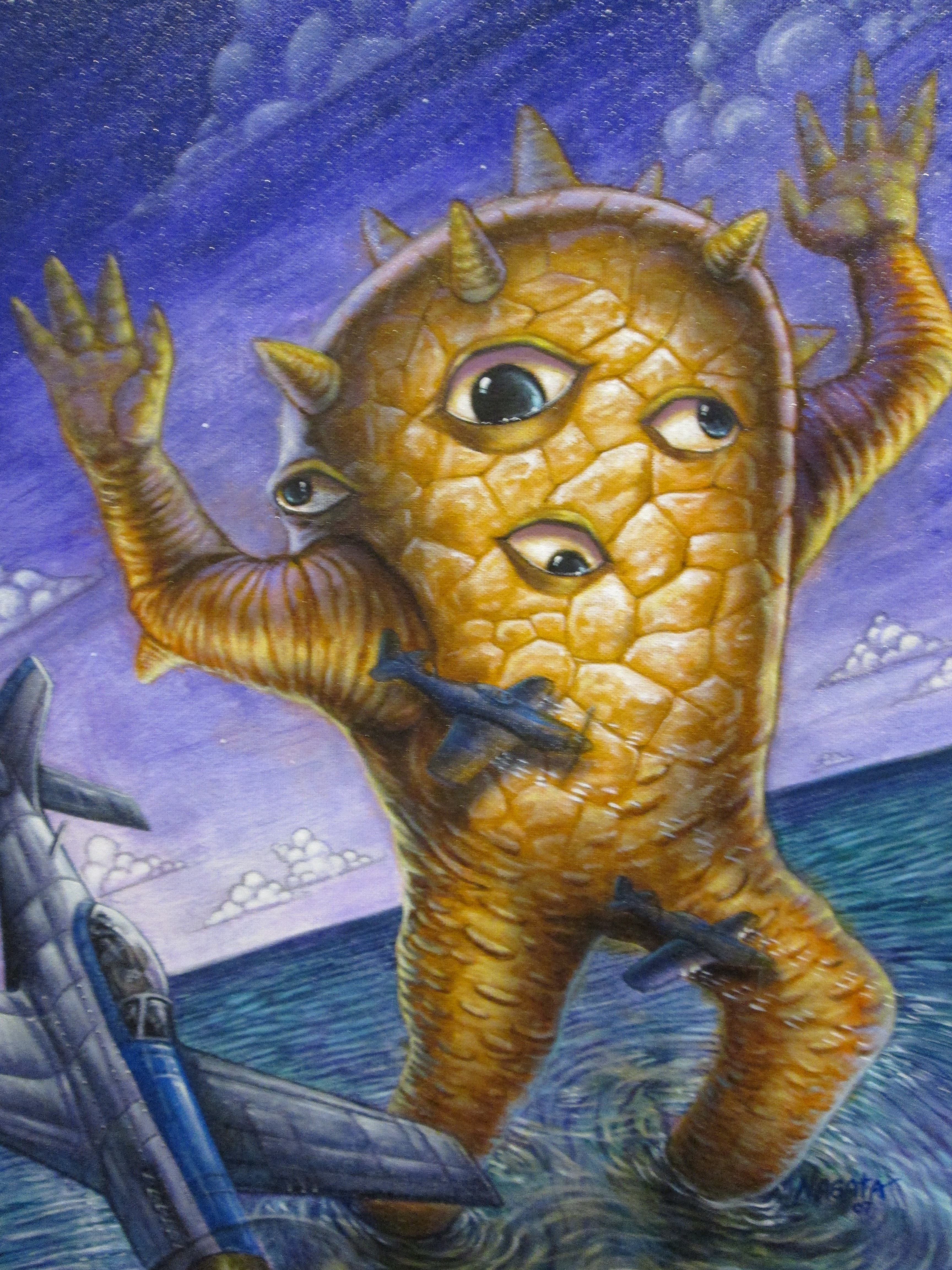
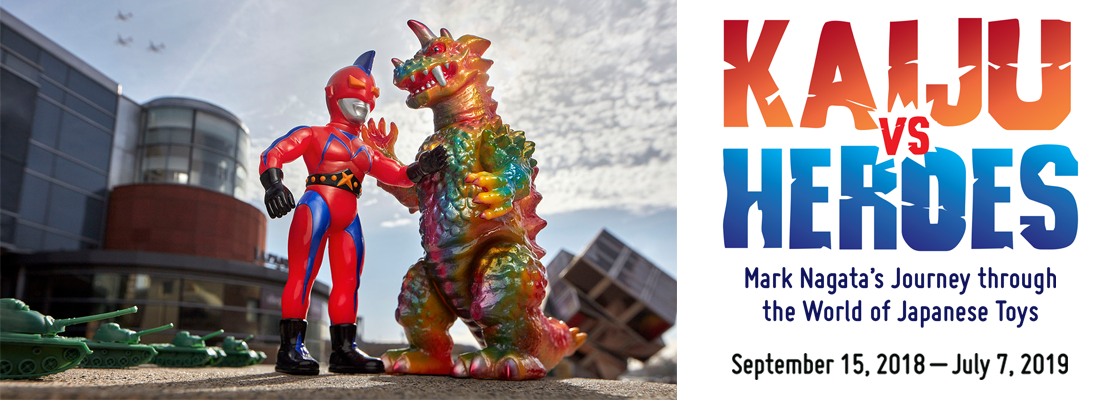
As I promised, I stopped in again at the Japanese American National Museum (JANM) in downtown L.A. to take a second look at the “Kaiju vs Heroes: Mark Nagata’s Journey Through the World of Japanese Toys” exhibit. (To refresh your memory, the term kaiju refers to Japanese monsters, like Godzilla, Mothra, and Rodan.) Looking at the kaiju in the exhibition, I noticed that the Japanese monsters were picturesque, bordering on the cute. Even Eyezon in the above illustration, dangerous as he appears, would probably arouse as much amazement as terror.

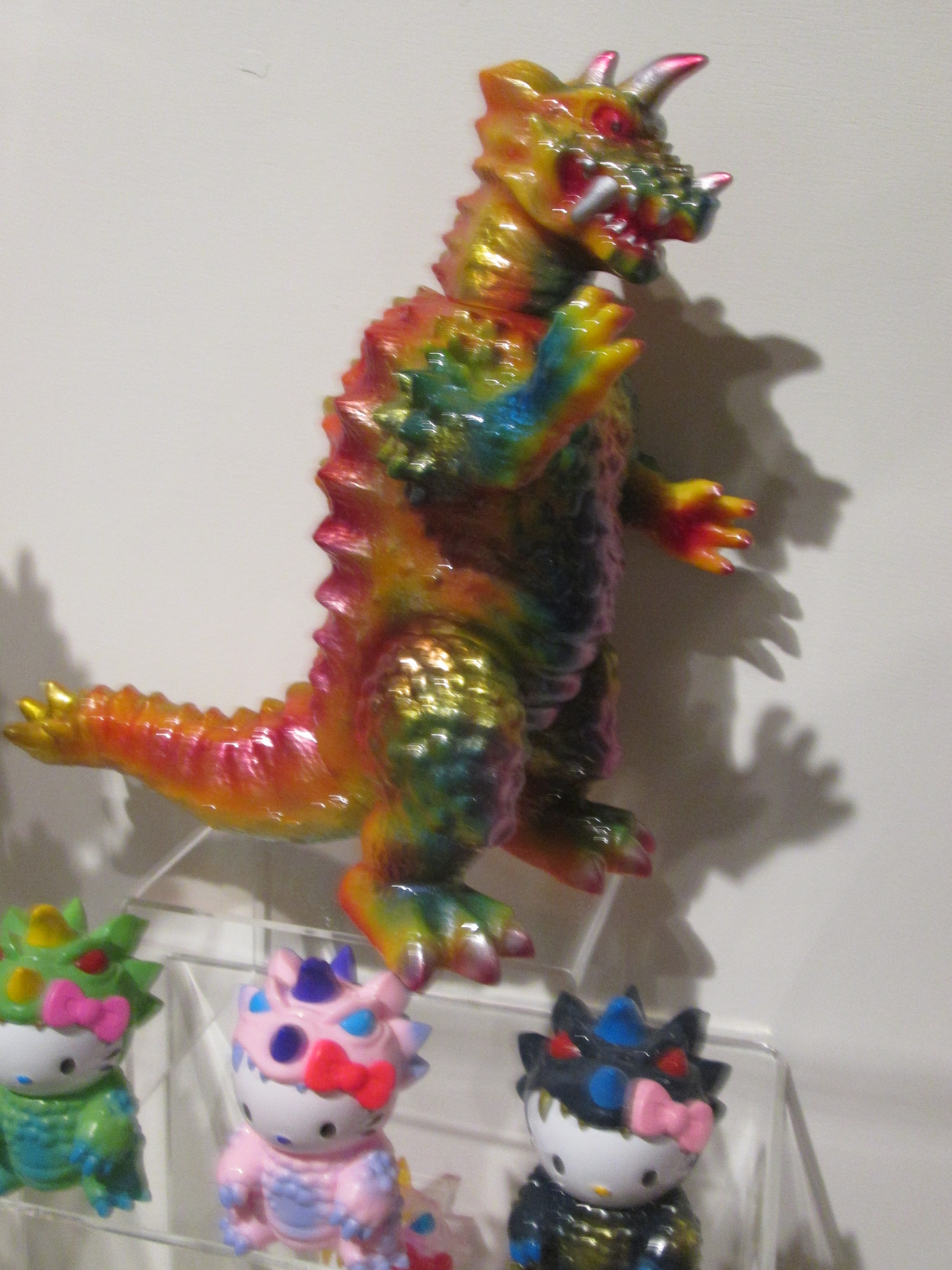
Another of Nagata’s Kaiju, an Iridescent Giant Lizard

I keep thinking back to the Ishiro Honda’s Toho horror films of the 1950s and 1960s. There was an element of wonder, which was emphasized by the presence of child actors. Look, for instance, at the cute figurines in the above photo below the giant lizard.

What came to mind as I saw these kaiju was the role of the wrathful deities in The Tibetan Book of the Dead. By being frightened of the wrathful deities in the bardo state following death, the decedent is reborn. Only by not being afraid can the soul attain Nirvana.

Contrast the kaiju with American monsters, whose goal is to frighten the bejeezus out of you, like Boris Karloff in The Mummy below:

Boris Karloff in The Mummy (1932)

The aim of American and Western European horror films is to scare you to the maximum extent possible. If you don’t grasp the arms of your theater seatmate, the film is reckoned a failure.

Now maybe if Boris Karloff were iridescent, and children were brought into the picture, we would have something resembling the kaiju figurines I saw at the JANM.


Tarnmoor in Toyland

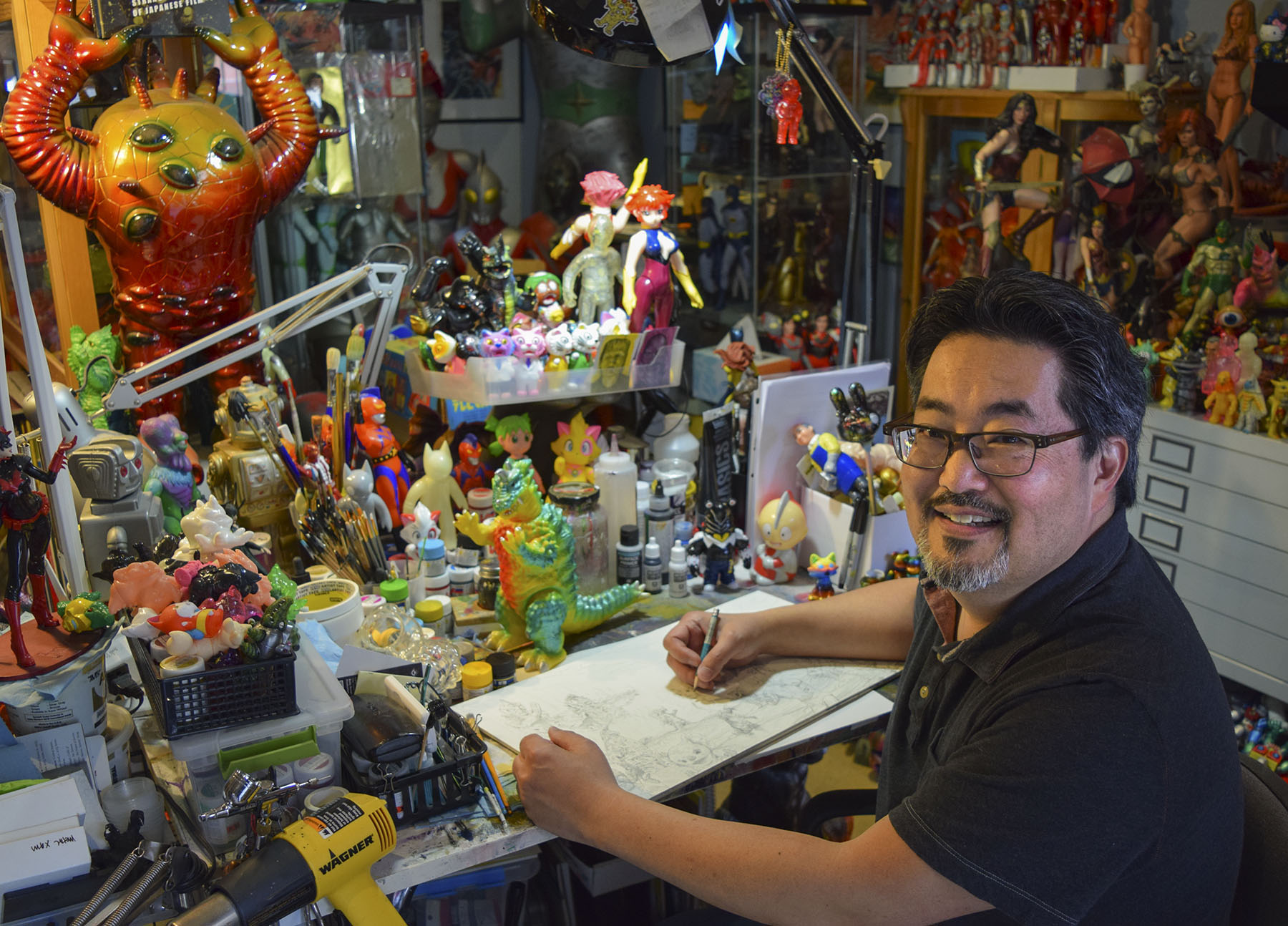
Mark Nagata Surrounded by His Collection

On Sunday, Martine and I drove downtown to visit a museum that was closed because of the Memorial Day Holiday. So instead, we headed for the Japanese American National Museum (JANM) in Little Tokyo. There was the standard (permanent) exhibit about the forced relocation of Japanese-Americans to concentration camps in the desert; but there was also something diferent.

I am not a toy collector, but I have always been impressed by the Japanese superheroes and monsters (known as kaiju). However powerful the kaiju were, there was something almost appealing about them. American toy villains are somehow more evil. The Japanese ones are almost cuddly.

At JANM,there was an exhibit entitled “Kaiju vs Heroes: Mark Nagata’s Journey Through the World of Japanese Toys.” It was scheduled to end in March, but was held over through July 7, 2019. I was enthralled.

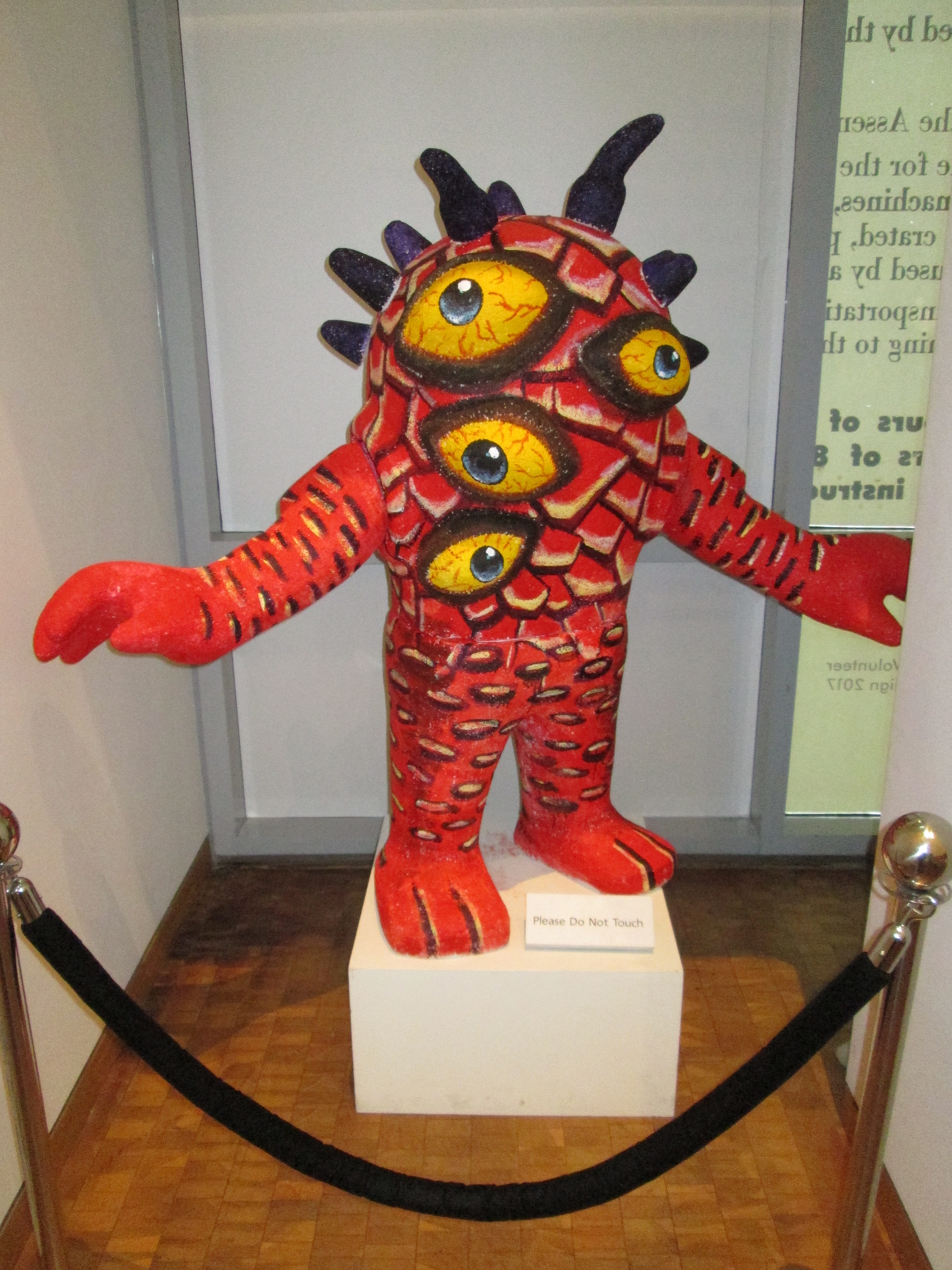
The Kaiju Eyezon, Created by Mark Nagata

Mark started as a collector, then became an illustrator and a creator of Japanese toys. The exhibit was so interesting that I resolved to visit it again on Thursday so that my thoughts on the nature of his art would somehow jell. I( thought back to my response to Ishiro Honda’s horror films for Toho of the 1960s, such as Godzilla (1954), Rodan (1956), Mothra (1961), and all the other Japanese monster films that were to follow. There was a definite difference in these monsters compared to the ultimate evil that is Dracula or Frankenstein or the Nightmare on Elm Street.

Poster for the JANM Exhibition

I am still thinking over in my mind what I will ultimately conclude about this exhibit and Nagata’s artistry, other than that I am strongly drawn to it. Stay tuned to this space for further developments.

.

Koizumi Yakumo

Lafcadio Hearn (1850-1904)

Martine is gone, and the terrible heat of the last ten days is slowly beginning to abate. I find that I am reading more than ever. (How much more can I read than I’m reading now, I do not know. So far eighteen books this month.) The most recent is by an American who became a Japanese. I refer to Lafcadio Hearn, who went under the Japanese name of Koizumi Yakumo. He married a Japanese wife, raised four children with her. It appears that I have many of Hearn’s books about Japan, which were published by Charles E. Tuttle & Company of Rutland, Vermont and Tokyo, Japan in paperback editions during the 1970s.

When I was traveling to and from Dartmouth College, I took a White River Coach from Hanover to White River Junction, and from hence another White River Coach to Rutland. At Rutland, I would wait for the Vermont Transit bus that would take me to Albany, New York, where I would board the New York Central night train to Chicago, which let me off in Cleveland. There, my parents waited for me.

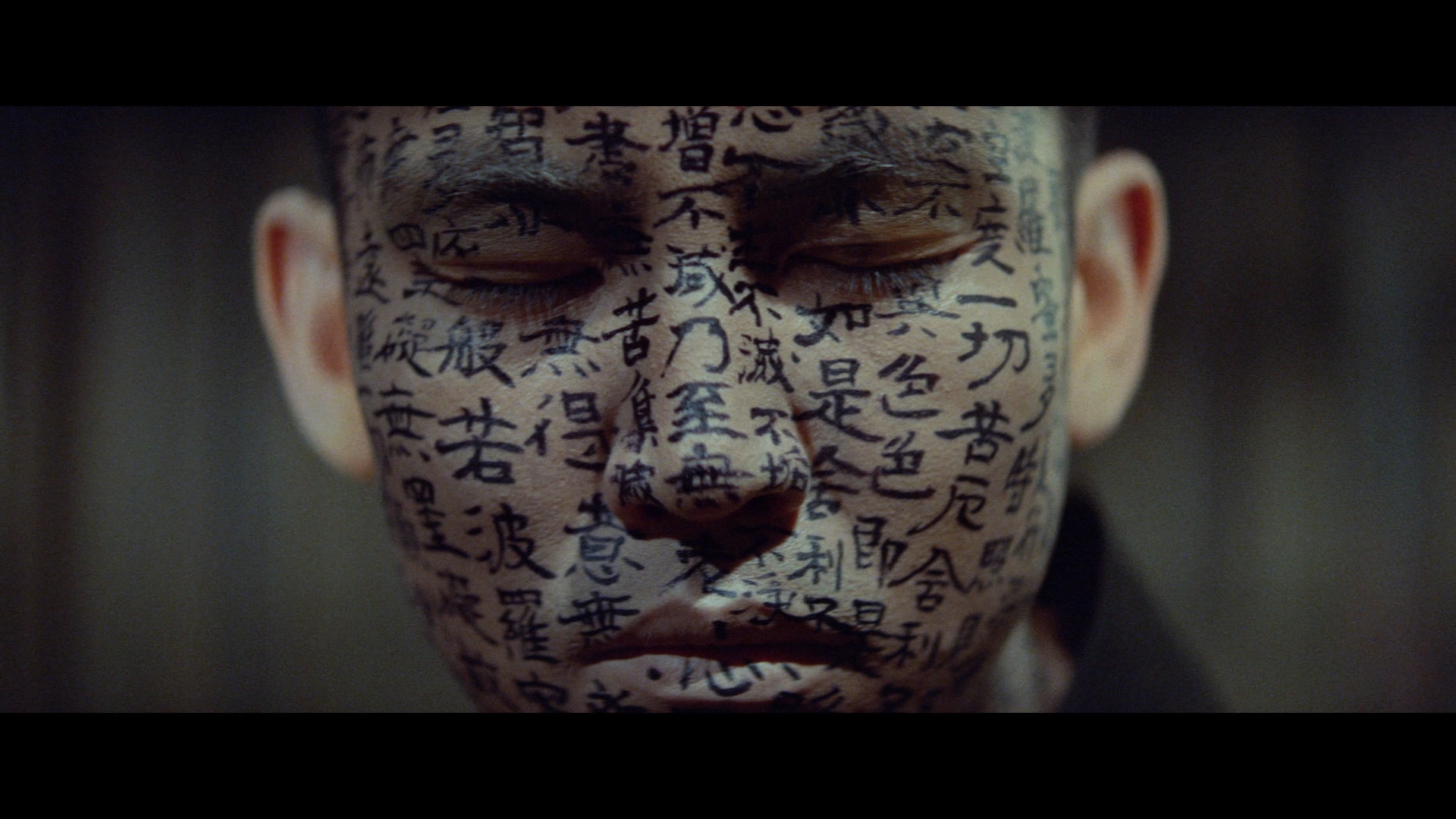
Because of Tuttle’s proximity, while at Dartmouth I grew interested in Japanese culture. I attended an exhibit of Sesshu Toyo’s “Long Scroll” at Hopkins Center, and saw all the Japanese films that came my way. One of the best of them is Masaki Kobayashi’s Kwaidan (1965), made the year before I graduated.
Scene from Masaki Kobayashi’s Kwaidan (1965)

It is only now, more than fifty years after I graduated, that I picked up my copy of Hearn’s Kwaidan: Stories and Studies of Strange Things (1904) and began reading it with increasing enjoyment. The Kobayashi film took four stories from Hearn’s works, two of them from the book entitled Kwaidan. I was enthralled by Hearn’s stories, such that I can see myself picking the other Hearns off the shelf (I have almost ten of them) and reading them with intense pleasure. The book is not all ghost stories: At the end are three delightful essays about butterflies, mosquitoes, and ants as seen in Chinese and Japanese cultures.  Here is a brief excerpt from his essay on ants:

The work daily performed by these female [ant] laborers comprises road-making, bridge-building, timber-cutting, architectural construction of numberless kinds, horticulture and agriculture, the feeding and sheltering of a hundred varieties of domestic animals, the manufacture of sundry chemical products, the storage and conservation of countless food-stuffs, and the care of the children of the race. All this labor is done for the commonwealth—no citizen of which is capable even of thinking about “property,” except as a res publica;—and the sole object of the commonwealth is the nurture and training of its young,—nearly all of whom are girls. The period of infancy is long: the children remain for a great while, not only helpless, but shapeless, and withal so delicate that they must be very carefully guarded against the least change of temperature. Fortunately their nurses understand the laws of health: each thoroughly knows all that she ought to know in regard to ventilation, disinfection, drainage, moisture, and the danger of germs,—germs being as visible, perhaps, to her myopic sight as they become to our own eyes under the microscope. Indeed, all matters of hygiene are so well comprehended that no nurse ever makes a mistake about the sanitary conditions of her neighborhood.

In spite of this perpetual labor no worker remains unkempt: each is scrupulously neat, making her toilet many times a day. But as every worker is born with the most beautiful of combs and brushes attached to her wrists, no time is wasted in the toilet-room. Besides keeping themselves strictly clean, the workers must also keep their houses and gardens in faultless order, for the sake of the children. Nothing less than an earthquake, an eruption, an inundation, or a desperate war, is allowed to interrupt the daily routine of dusting, sweeping, scrubbing, and disinfecting.

For many years, much of what the West knew about Japan came from Hearn’s pen. I cannot imagine a more delightful introduction to any culture.

1,000 Yen and Six Haikus

Japanese Author Natsume Sōseki (1867-1916)

One of my major literary discoveries this year was Japanese author Natsume Sōseki, who was best known for his prose and who was honored on the 1,000 yen note between 1984 and 2004. Here, however, are six haiku that he wrote:

Over the wintry
forest, winds howl in rage
with no leaves to blow.

The lamp once out
Cool stars enter
The window frame.

The crow has flown away;
swaying in the evening sun,
a leafless tree.

Watch birth and death:
The lotus has already
Opened its flower.

Plum flower temple:
Voices rise
From the foothills.

On New Year’s Day
I long to meet my parents
as they were before my birth.

My favorite haiku is the second one, but the most poignant is the last one. Natsume Sōseki was born to such aged parents that they, being embarrassed, gave him up for adoption, until they re-introduced themselves as his grandparents. Eventually, Sōseki found out about this subterfuge.