
“The Relief of Emptiness”

Joyce Carol Oates (b. 1938)

I have always admired Joyce Carol Oates for being that most rare thing: a prolific writer of quality. Currently, I am reading one of her psychological mysteries, Jack of Spades, about a mystery writer with two personas, one of them destructive. The question arose: Did Joyce ever write any poetry? Upon checking, I found the following sobering poem about everyday life:

Women Whose Lives are Food, Men Whose Lives are Money

Mid-morning Monday she is staring
peaceful as the rain in that shallow back yard
she wears flannel bedroom slippers
she is sipping coffee
she is thinking—
—gazing at the weedy bumpy yard
at the faces beginning to take shape
in the wavy mud
in the linoleum
where floorboards assert themselves

Women whose lives are food
breaking eggs with care
scraping garbage from the plates
unpacking groceries hand over hand

Wednesday evening: he takes the cans out front
tough plastic with detachable lids
Thursday morning: the garbage truck whining at 7
Friday the shopping mall open till 9
bags of groceries unpacked
hand over certain hand

Men whose lives are money
time-and-a-half Saturdays
the lunchbag folded with care and brought back home
unfolded Monday morning

Women whose lives are food
because they are not punch-carded
because they are unclocked
sighing glad to be alone
staring into the yard, mid-morning
mid-week
by mid-afternoon everything is forgotten

There are long evenings
panel discussions on abortions, fashions, meaningful work
there are love scenes where people mouth passions
sprightly, handsome, silly, manic
in close-ups revealed ageless
the women whose lives are food
the men whose lives are money
fidget as these strangers embrace and weep and mis-
understand and forgive and die and weep and embrace
and the viewers stare and fidget and sigh and
begin yawning around 10:30
never made it past midnight, even on Saturdays,
watching their braven selves perform

Where are the promised revelations?
Why have they been shown so many times?
Long-limbed children a thousand miles to the west
hitch-hiking in spring, burnt bronze in summer
thumbs nagging
eyes pleading
Give us a ride, huh? Give us a ride?

and when they return nothing is changed
the linoleum looks older
the Hawaiian Chicken is new
the girls wash their hair more often
the boys skip over the puddles
in the GM parking lot
no one eyes them with envy

their mothers stoop
the oven doors settle with a thump
the dishes are rinsed and stacked and
by mid-morning the house is quiet
it is raining out back
or not raining
the relief of emptiness rains
simple, terrible, routine
at peace

Preparing for Halloween

British Gothic Novelist Ann Radcliffe (1764-1823)

Usually, I spend much of the month of October each year reading gothic or horror fiction. I have already started reading Ann Radcliffe’s The Italian, or the Confessional of the Black Penitents (1797), after which she quietly stopped writing and spent the last twenty-six years of her life as a private person. I have fond memories of reading her novels The Romance of the Forest (1791) and The Mysteries of Udolpho (1794).

Also, I will inevitably read one of Joyce Carol Oates’s underrated gothic novels or collections of short fiction. Other possibles are Thomas Ligotti and Robert Aickman. And I will certainly re-read some of Edgar Allan Poe’s stories.

In November, I will write a post detailing with gothic/supernatural/horror titles I have read.

“In the Desert”

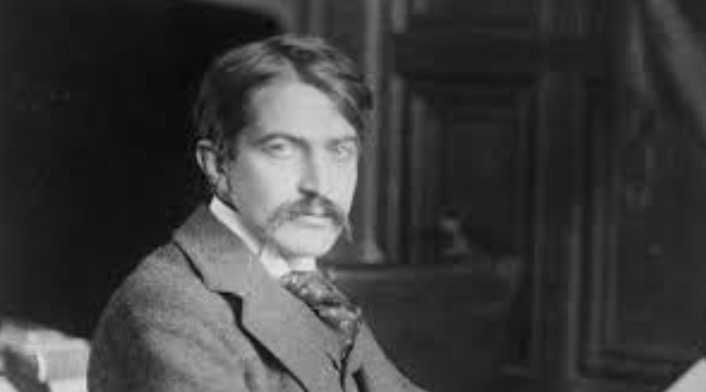
American Writer Stephen Crane (1871-1900)

One of the great “What Ifs” of American literature is what we would have had if Stephen Crane had not died at the age of 28. As it is, we had a great novel (The Red Badge of Courage), an interesting novelette (Maggie: A Girl of the Streets), and two great short stories (“The Open Boat” and “The Bride Comes to Yellow Sky”). Here is a short poem from Crane, the last two lines of which were used by Joyce Carol Oates as the title for one of her early novels:

In the Desert

In the desert
I saw a creature, naked, bestial,
Who, squatting upon the ground,
Held his heart in his hands,
And ate of it.
I said, “Is it good, friend?”
“It is bitter—bitter,” he answered;

“But I like it
“Because it is bitter,
“And because it is my heart.”

Pig

“Probably Bacon Now”

“Probably Bacon Now”

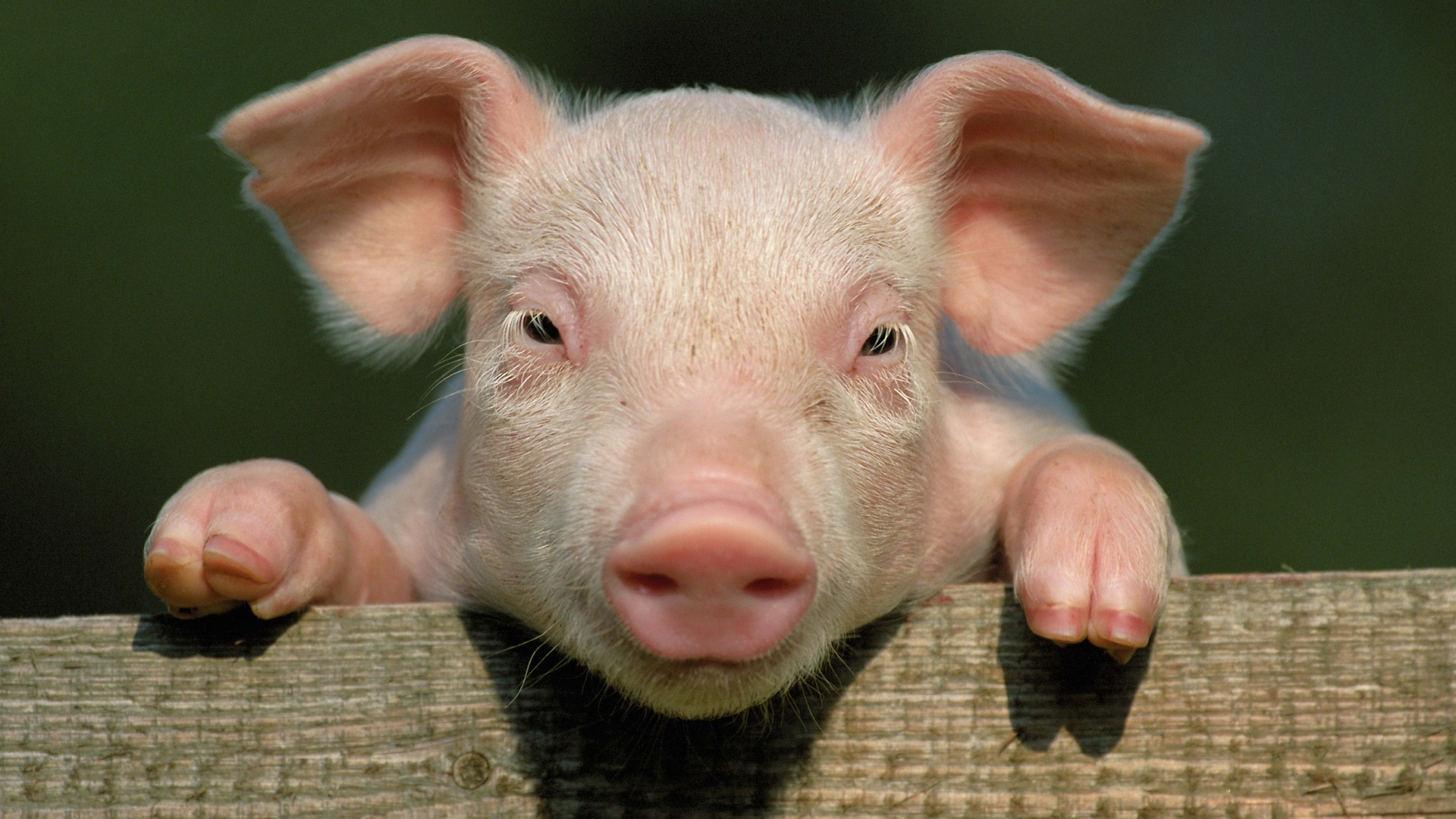
I came across this poem in an excellent article by Joyce Carol Oates in the August 13, 2015 issue of The New York Review of Books. It was quoted in an article about literary imagination entitled “Inspiration and Obsession in Life and Literature.”(When is this woman finally going to get her Nobel Prize? She deserves one five times over.) The poem is called “Pig” and it is by Henri Cole:

Poor patient pig—trying to keep his balance,
that’s all, upright on a flatbed ahead of me,
somewhere between Pennsylvania and Ohio,
enjoying the wind, maybe, against the tufts of hair
on the tops of his ears, like a Stoic at the foot
of the gallows, or, with my eyes heavy and glazed
from caffeine and driving, like a soul disembarking,
its flesh probably bacon now tipping into split
pea soup, or, more painful to me, like a man
in his middle years struggling to remain
vital and honest while we’re all just floating
around accidental-like on a breeze.
What funny thoughts slide into the head.
alone on the interstate with no place to be.

Oates writes in her particle: “(Parenthetically, I should mention that I read this poem when I taught several writing workshops at San Quentin in 2011, on my first meeting with the inmate-writers; in fact, I had to read it twice. The students were fascinated and moved by this poem, in which they saw themselves all too clearly.)”

What’s odd about the poem is that the driver begins to identify with the pig midway through the stanza.