Mexican Folk Art at the Museo de Casa Montejo in Mérida, Yucatán
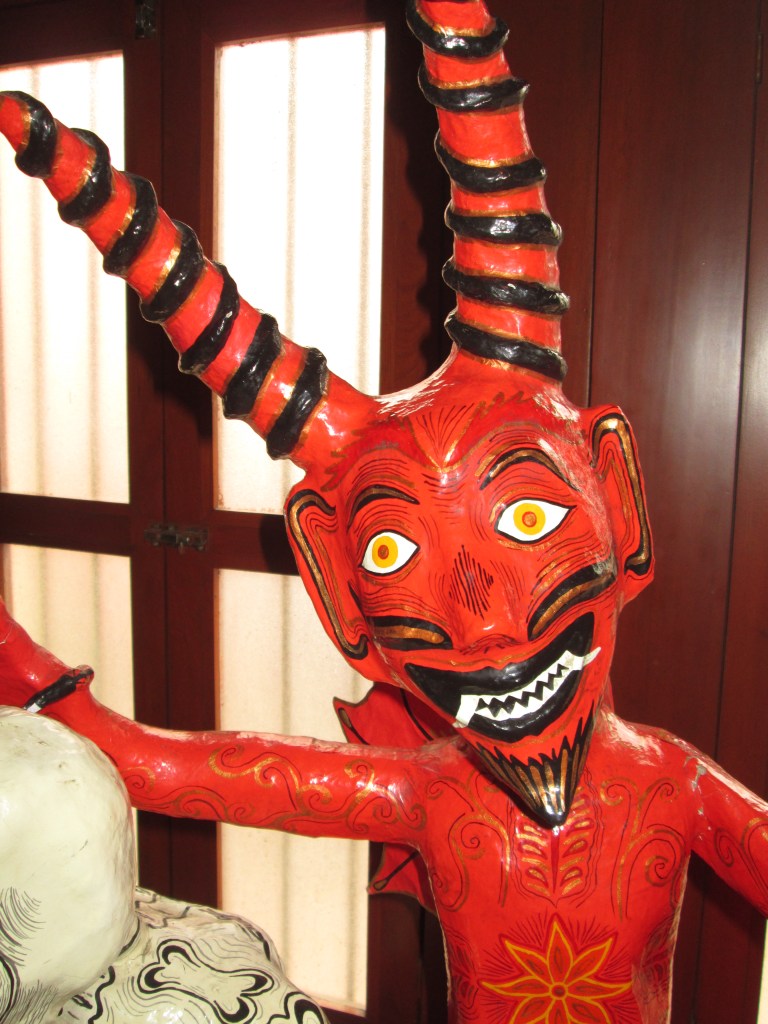
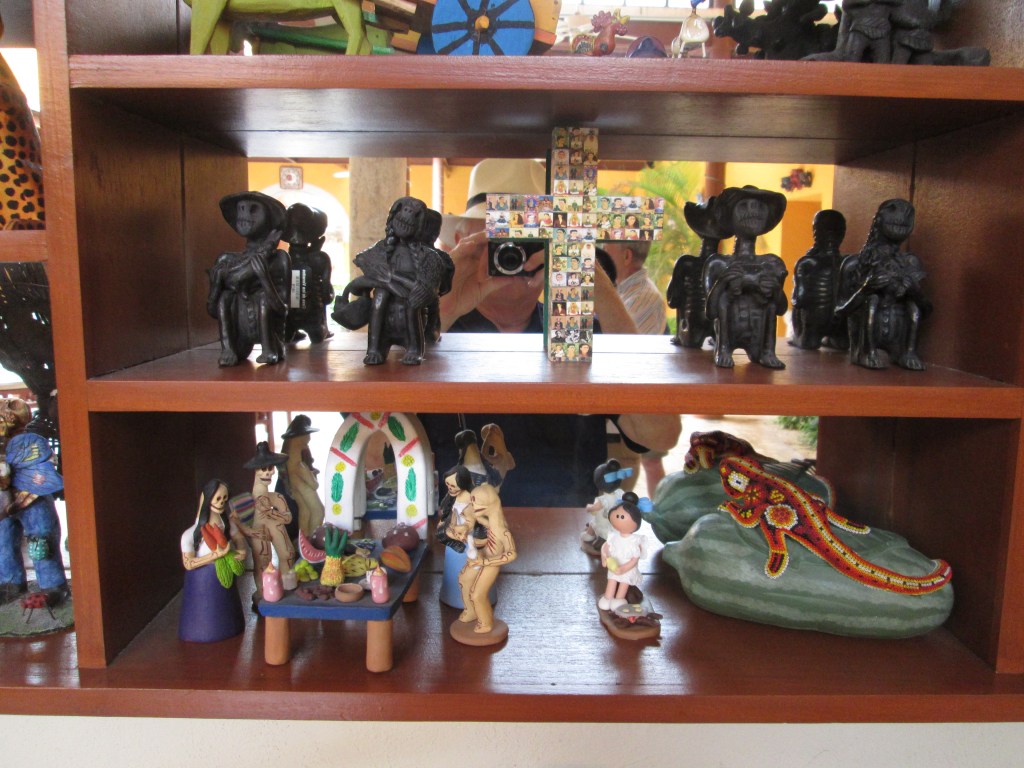
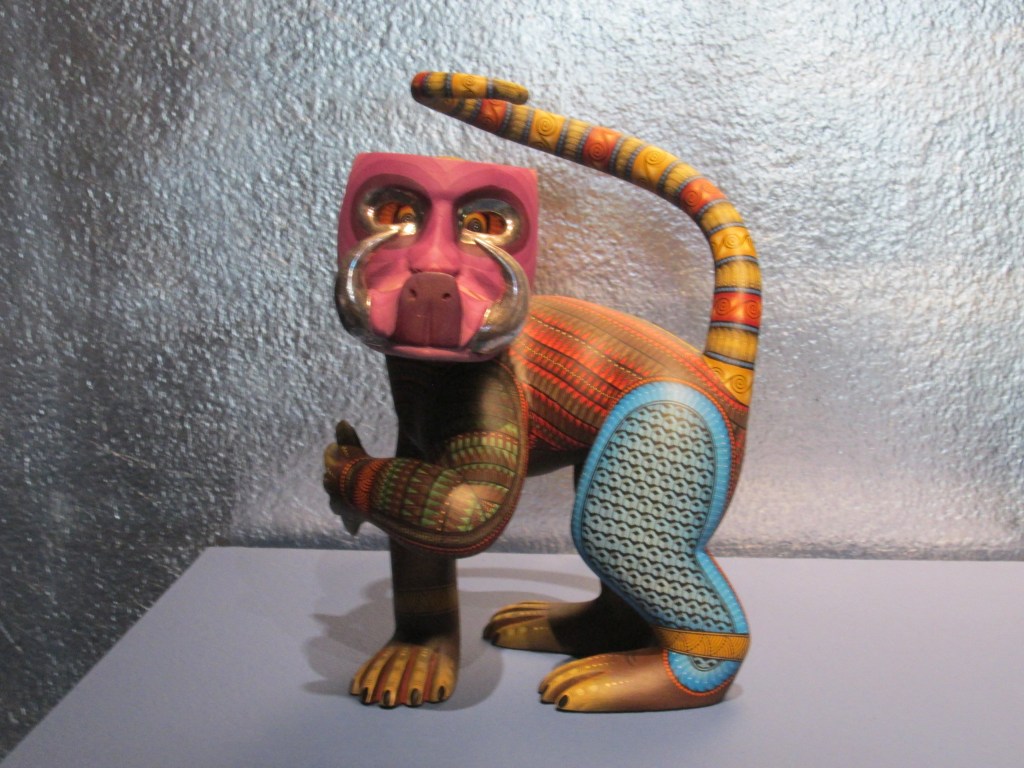
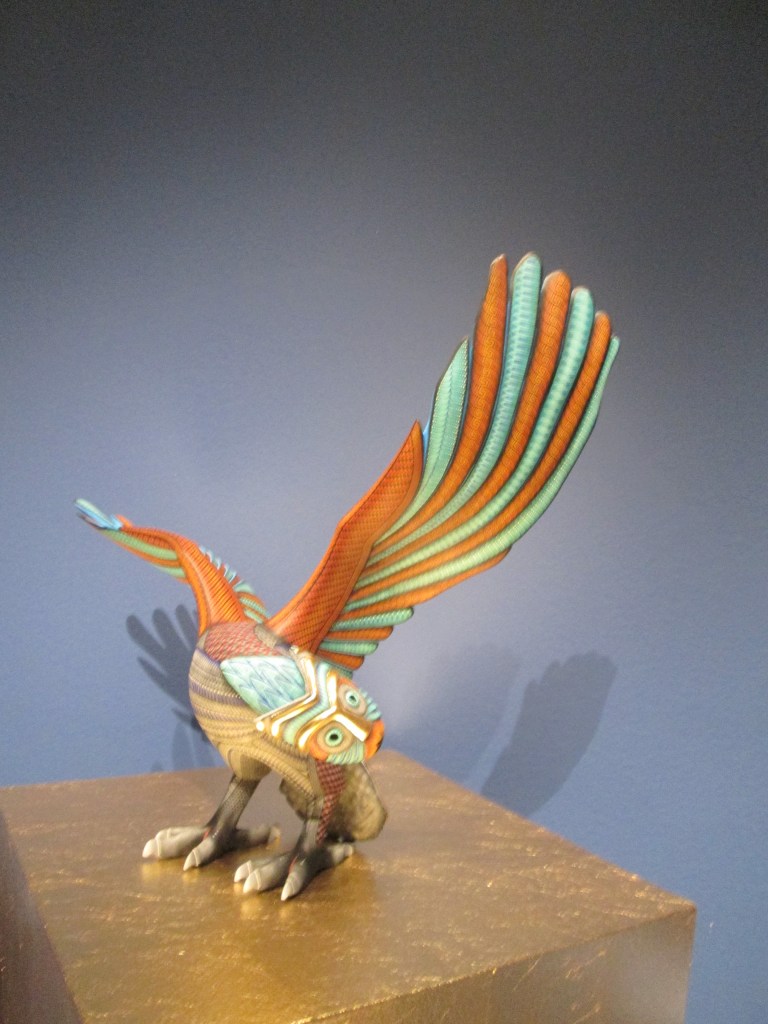
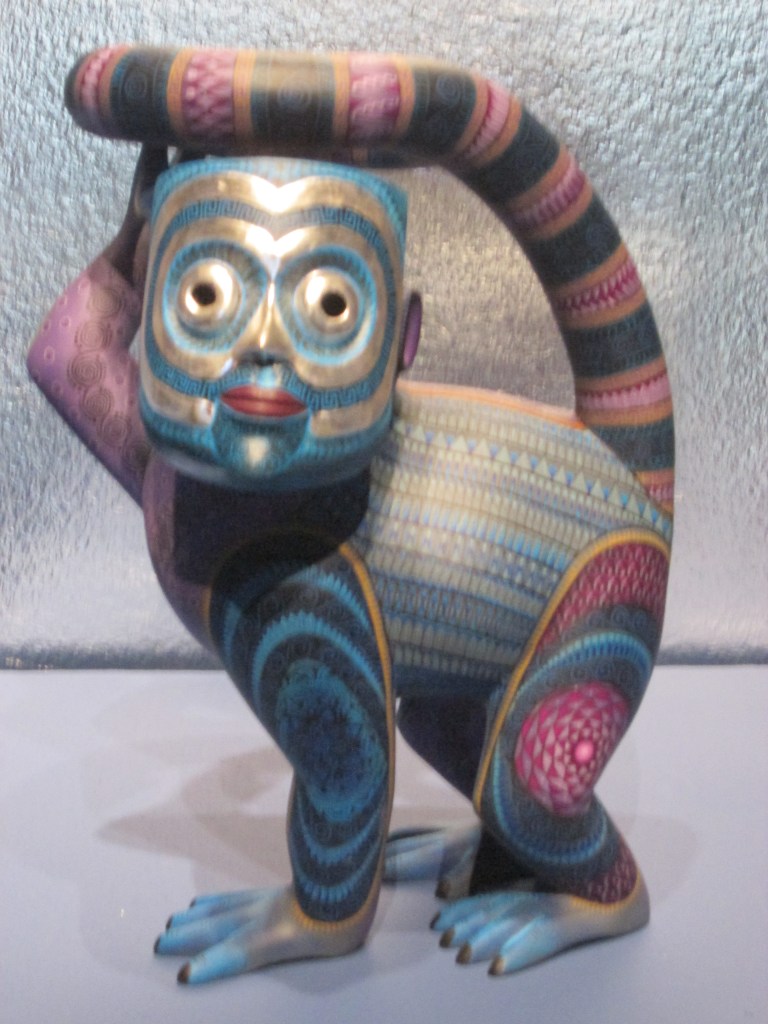
Right on the Zócalo in Mérida is the Casa Montejo, which belonged to the family of conquistadores who conquered Yucatán for Spain. Today, the building is the main local branch of Banamex. Because the bank is a major supporter of traditional Mexican folk art, it maintains a free gallery on the premises. When I visited there in January 2020, there was an exhibit of folk art entitled “Detrás de una Máscara” (“Behind a Mask”) by the husband and wife team of Jacobo and María Ángeles.
Below are some of the exhibits I saw at that show.
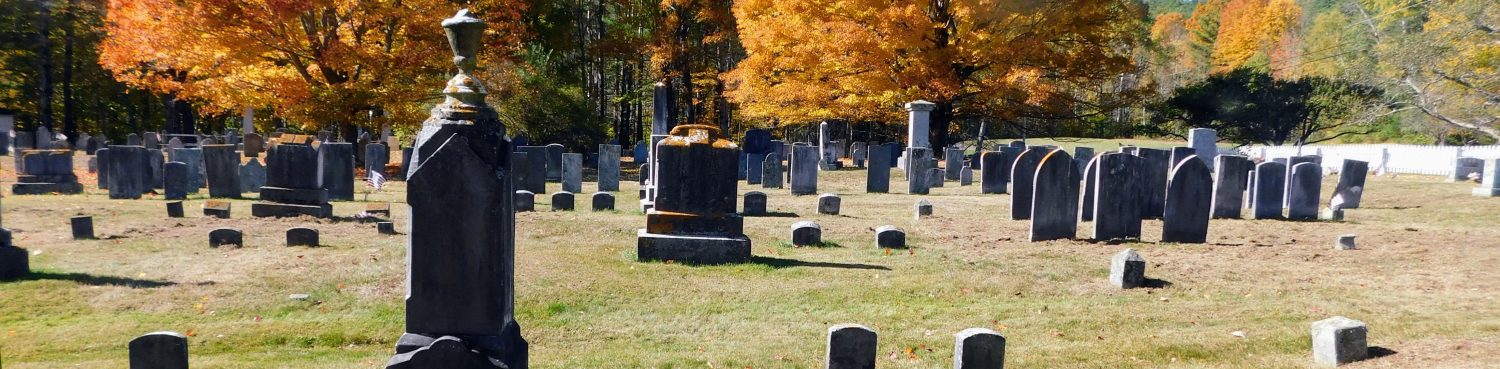
Above the main entrance to the gallery is an image of a conquistador crushing the bearded heads of Spain’s enemies. Since the Maya are not known for sporting beards, it does not literally refer to the conquest of the Maya except indirectly. Still, it’s a powerful image:
On Thursday of last week, I spent several hours at the Fowler Museum at UCLA viewing art that is outside the normal art marketplace. According to their website:
The Fowler Museum at UCLA explores global arts and cultures with an emphasis on Africa, Asia, the Pacific, and the Indigenous Americas—past and present. The Fowler enhances understanding and appreciation of the diverse peoples, cultures, and religions of the world through dynamic exhibitions, publications, and public programs, informed by interdisciplinary approaches and the perspectives of the cultures represented. Also featured is the work of international contemporary artists presented within the complex frameworks of politics, culture and social action. The Fowler provides exciting, informative and thought-provoking exhibitions and events for the UCLA community and the people of greater Los Angeles and beyond.
One gallery presented the work of Amir H. Fallah, a Persian-American, in an exhibit entitled “The Fallacy of Borders.” Then there were a number of Jain embroidered hangings from Indian shrines. There were a few Tanzanian paintings from the Tingatinga school left over from a larger exhibit that closed last month. Finally, there was the ongoing exhibit entitled “Intersections: World Arts, Local Lives” which included the following sculpture group from Mexico:
Calavera Sculpture from Mexico
Most of this art was not created for corporate conference rooms or major art museums. Much of it is folk art created to reflect a local culture. Some of it is commercial, but never for the art market of New York or London. All of it is outside European-American culture (except for some aboriginal American art).
When I visit the Fowler or other folk art museums, such as the Museo Mindalae in Quito, Ecuador, I see art that opens up other cultures to me. I am not just seeing another stale work of abstract expressionism created to make money in the New York market. I am seeing something that speaks for a people or for a religion. The result is utterly refreshing.
I hope in the weeks to come to reprise some of the folk art I have seen on my travels.
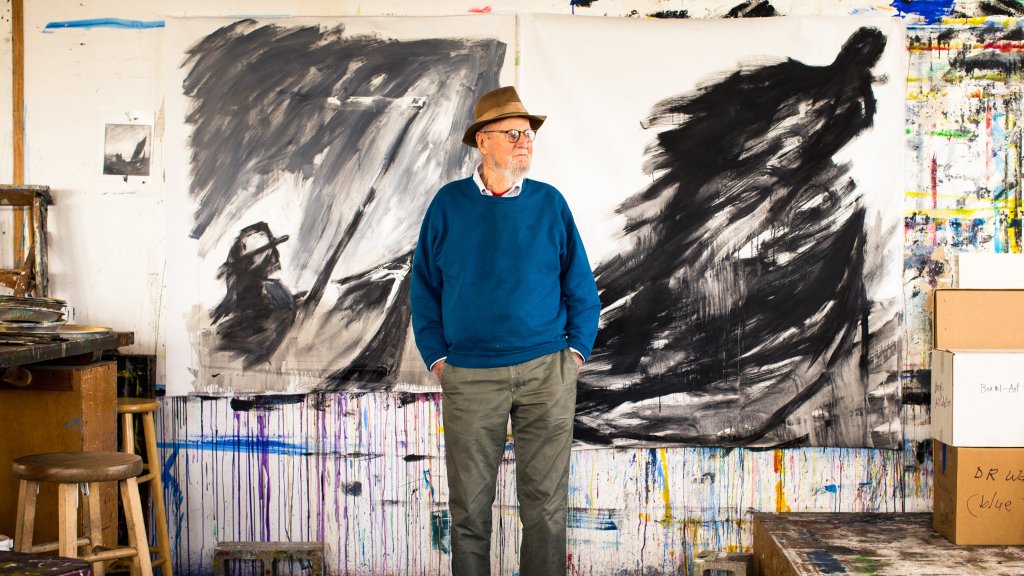
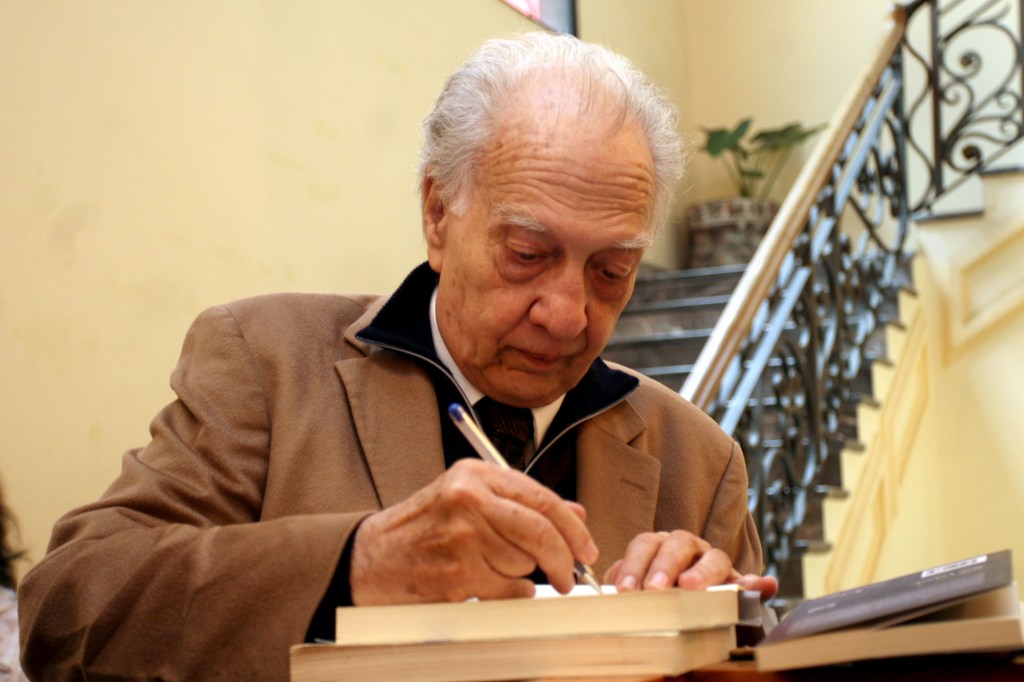
Poet and Publisher Lawrence Ferlinghetti (1919-2021)
Ever since I saw him speak at Dartmouth College in the early 1960s, I have admired Lawrence Ferlinghetti. I loved his poetry collection A Coney Island of the Mind. And I am fond of the books he has published under his City Lights Books imprint. I am currently reading his Writing Across the Landscape: Travel Journals 1960-2010, which also contains some poetry written during his travels, such as the following untitled piece:
La puerta escondida
no está escondida
La puerta al invisible
no está invisibile
The door to the invisible
is visible
The hidden door
is not hidden
I continually walk through it
not seeing it
And I am what I am
And will be what I will be
Sobre las playas perdidas
del Sur ....
The first four lines are translated in the poem. The last two lines read “On the lost beaches/Of the South.”
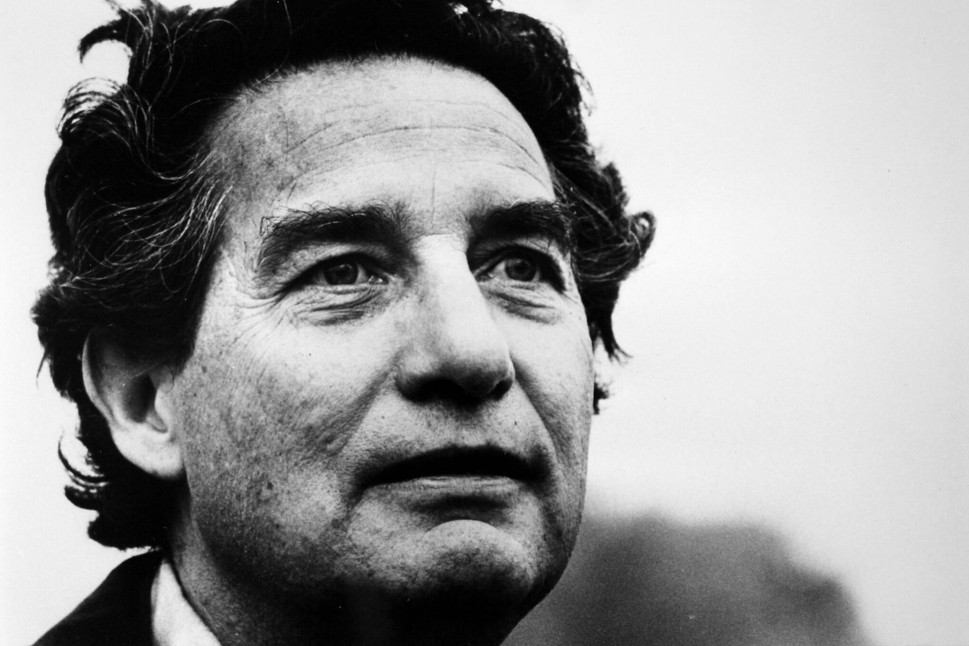
As I grow older, I am drawn more and more toward poetry as the most profound literary medium. There is something utterly simple about “Wind, Water, Stone” by Mexican Nobel-Prize winning poet Octavio Paz, yet that simplicity is merely a pathway to wide vistas that keep drawing one in.
Wind, Water, Stone
For Roger Caillois
Water hollows stone,
wind scatters water,
stone stops the wind.
Water, wind, stone.
Wind carves stone,
stone's a cup of water,
water escapes and is wind.
Stone, wind, water.
Wind sings in its whirling,
water murmurs going by,
unmoving stone keeps still.
Wind, water, stone.
Each is another and no other:
crossing and vanishing
through their empty names:
water, stone, wind.
The year was 1979. My brother and I were taking an Autransportes Lacandonia bus from Palenque to San Cristóbal de las Casas. Today, the trip can be done in five hours. Back then, we boarded the reconverted North American school bus at 5:00 AM and got into San Cristóbal eleven hours later.
Enroute, we saw another Lacandonia bus that was run off the road into a ditch. It was surrounded by the passengers who were milling around. Luckily none of them seemed to be hurt. Then, about an hour or so later, as we neared Ocosingo, we were pulled over by the Mexican Army, who searched our luggage for weapons. We were not far from the Guatemalan border, and many Mexicans and even some foreigners were involved in gun-running to the rural Maya combatants across the border.
When we pulled into Ocosingo, a young boy boarded the bus selling something that was wrapped in straw. The boy didn’t understand my Spanish, and I didn’t understand his Tzotzil or Tzeltal Maya, but it didn’t cost much. Apparently, Ocosingo is famous for its queso amarillo (yellow cheese), which actually was pretty good—especially on a bus ride that seemed to take forever.
I wouldn’t mind returning to Ocosingo some day, having some more queso amarillo and visiting the Maya ruins at nearby Toniná. This relatively small Maya site bested the much larger Palenque in battle and got to sacrifice the royal family to their gods.
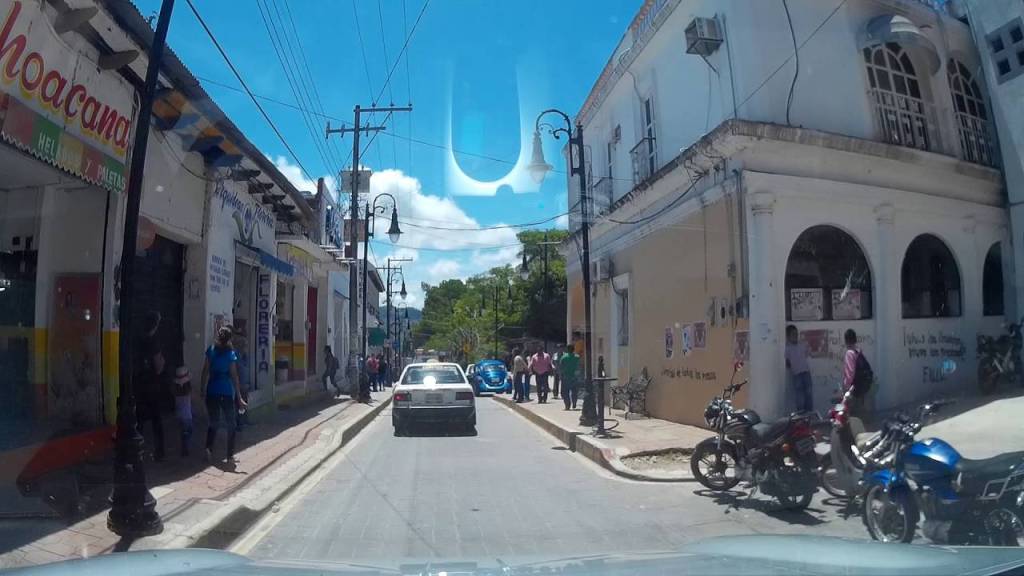
Every place I have ever visited in Mexico has left an indelible mark on my memory. Faced with a map of the country, I can follow my itinerary from city to city. These included places like Los Mochis, the Barranca del Cobre (Copper Canyon), Mazatlan, Durango, Zacatecas, Guanajuato, San Miguel de Allende, Querétaro, Mexico City, Patzcuaro, Uruapan, Guadalajara, Puerto Vallarta, Puebla, Cholula, Xalapa, Veracruz, Papantla, Oaxaca, and points south too numerous to mention.
Back when I was a student at UCLA, there was a considerably more successful student across the campus from the film department’s Melnitz Hall. I am thinking of Carlos Castaneda, who electrified the publishing world in 1968 with The Teachings of Don Juan: A Yaqui Way of Knowledge and its sequels.
Reading his work, I was hooked—believing every word he said. As time went on, I heard strange things about Carlos. He tried to start some sort of movement called Tensegrity and surrounded himself with several women who idolized him, and whom he claimed were brujas, or witches. When Carlos died in 1998, several of these women went missing and apparently committed suicide.
Negative articles started appearing, such as this one entitled “The Dark Legacy of Carlos Castaneda.” Now, after some soul-searching and a bit of re-reading, I am in the position of the psychiatrist in the anecdote which I quoted five years ago in a post about Castaneda:
There is an anecdote about a patient describing his life to a psychiatrist, who keeps nodding his head and saying, “That’s very interesting!” Finally, the patient gets angry and says, “Well, that’s all a pack of lies which I just made up. What do you think of that?” The psychiatrist does not miss a beat: “That’s even MORE interesting!” That, in the end, is my reaction to Castaneda. I think there are some fascinating truths to be found in his books, along with some things that were just made up.
Among the things that were made up were Don Juan Matus, Carlos’s Yaqui teacher—and in fact all the Yaqui material, which demonstrates that he did not know the first thing about Yaqui culture, places, or language.
And yet, and yet, a lot of the material that forms the teachings of Don Juan has the ring of truth to it. You have to look at it obliquely, perhaps, but there is a lot of wisdom there, whatever its point of origin. Castaneda was actually a Peruvian, and it could be that he joined some Peruvian mystical teachings to a fictional Mexican source.
The one thing that did not influence me at all was Castaneda’s emphasis on peyote, jimson weed, psilocybin, and other psychedelic substances. I had just survived brain surgery in 1966 and was not in any mood to experiment on myself.
I am currently re-reading A Separate Reality: Further Conversations with Don Juan. In the process, I keep bumping into my younger self. Very interesting.
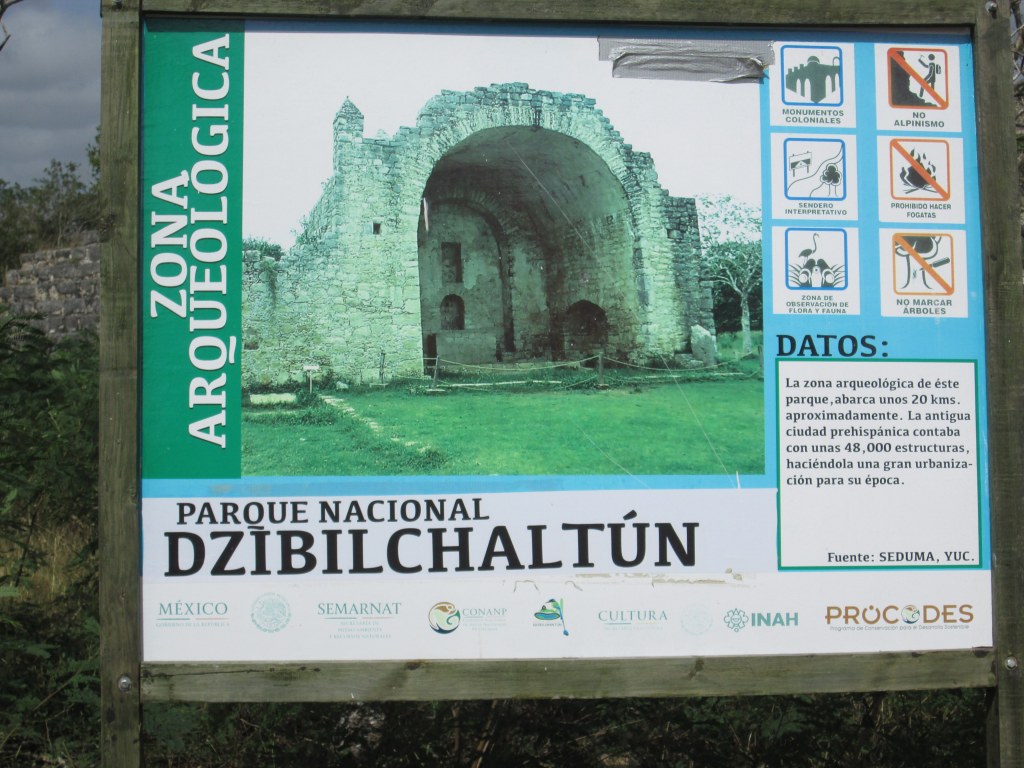
There are untold thousands of Meso-American archeological sites scattered through Mexico, Guatemala, Belize, and Honduras. Sometimes, it’s fun to visit some of the lesser-known sites. I have particularly fond memories of Dzibilchaltún, which is about 10 miles (16 kilometers) north of Mérida. It was the first Maya ruin I visited back in 1975 with my guide Manuel Quiñones Moreno. We set on the steps of a temple and played several games of chess, which I lost handily.
So it was fun to visit it again in 2020. Now there was an entrance hall, an admission fee, and a rather nice museum. Plus, the cenote was filled with children diving into the limestone-cooled waters.
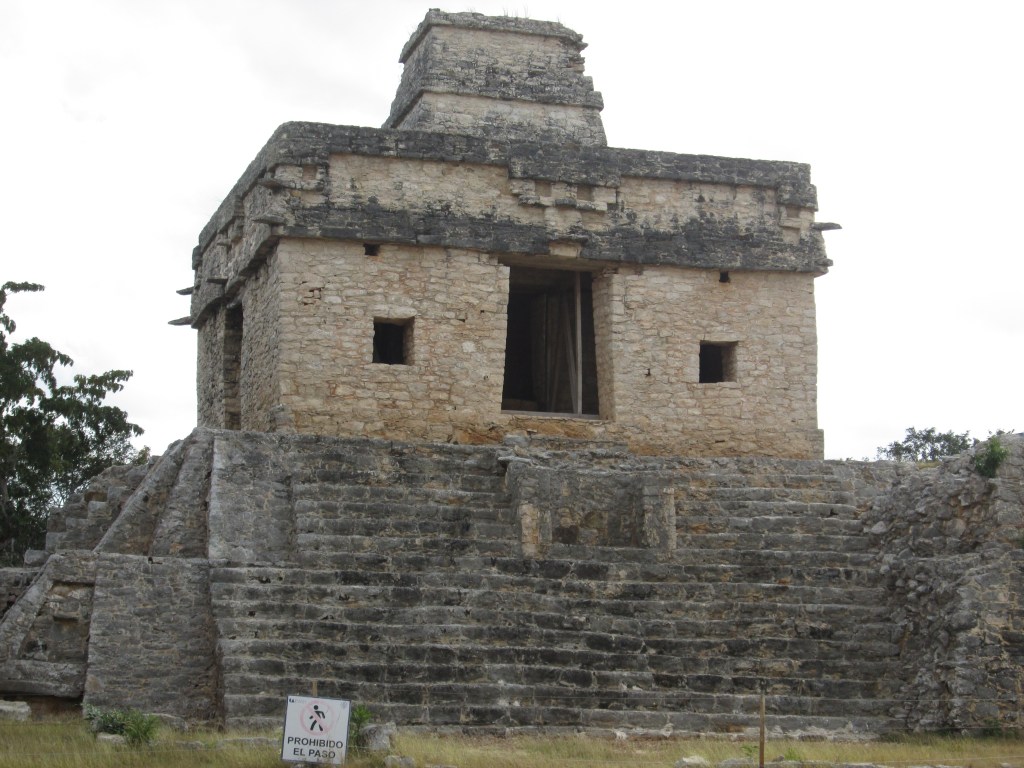
The Temple of the Seven Dolls
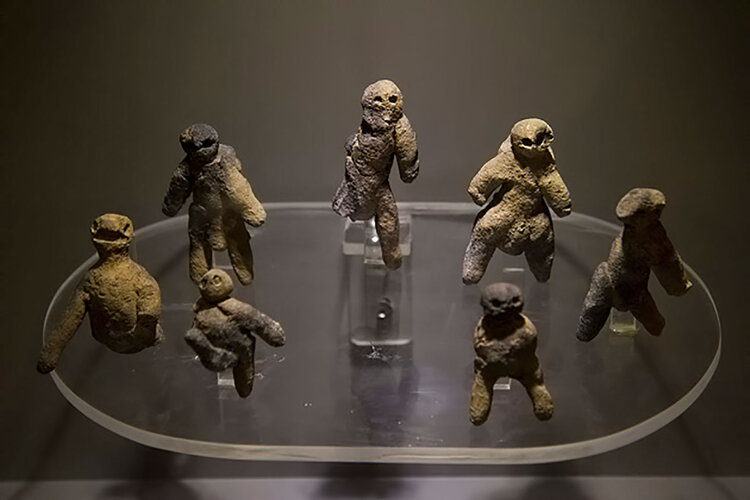
Above is the most famous structure at Dzibilchaltún, the Temple of the Seven Dolls, named after a number of figurines that were found by archeologists buried under one of the altars.
The Seven Dolls Buried in the Temple
Dzibilchaltún is not a world class beauty like Uxmal, Chichén Itza, Copán, or Tikál, but it helps fill in vital parts of the Maya story. Although it doesn’t have a lot of first-class structures, the city was inhabited for over a thousand years. It was close to the coastal salt flats that led to the one item most frequently used in the coastal trade with other peoples, namely: salt.
And I have happy memories because this is one of the places where I began my travels as a young man.
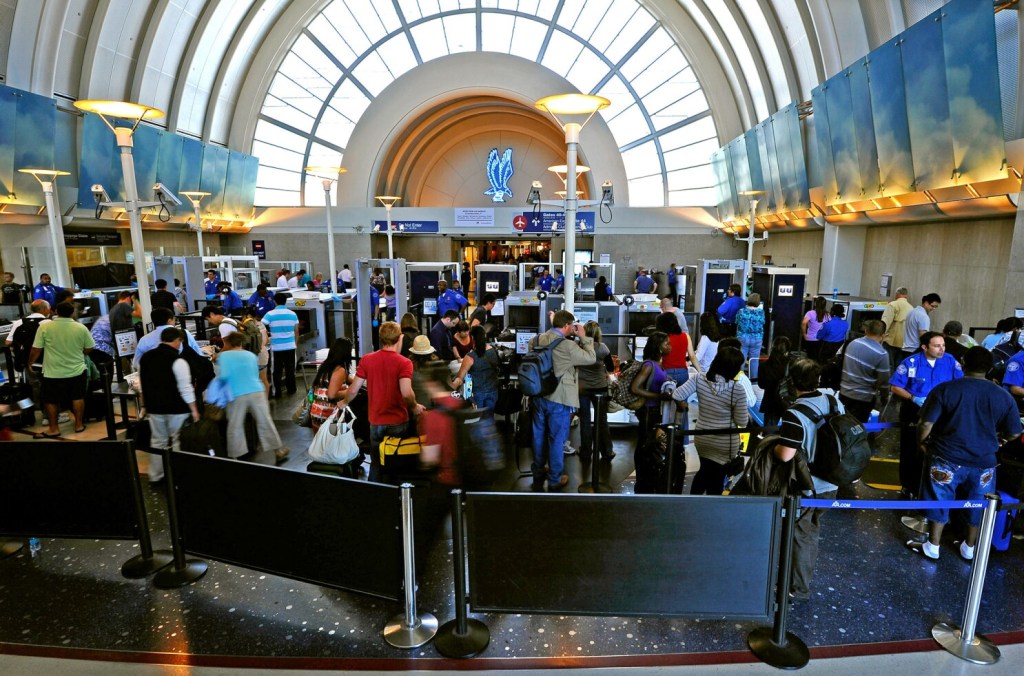
It was the night of January 14, 2020. I was scheduled to take a flight on Volaris to Guadalajara, Mexico, and then on to Mérida in Yucatán. The Tom Bradley International Terminal at LAX was crowded with Chinese returning to their country. Most of the flights were to Beijing, Shanghai, Wuhan, and other major cities on the Chinese mainland. My Mexico flight was one of the few in the wee hours of the morning that was to a Western Hemisphere destination.
A month earlier, on December 1, 2019, a patient was admitted to a hospital in Wuhan in Hubei Province, China, with a strange case of pneumonia. I didn’t know anything about the official Chinese coverup of the disease until around January 24, when I was staying at the Hotel Lopez in Campeche, where I had access to the Al Jazeera news channel in English on my TV. The whole time I stayed there, the news was filled with pictures of Chinese healthcare personnel in hazmat suits. There were just then beginning to be cases of the unknown disease in the United States, Japan, Thailand, South Korea, Viet Nam, Taiwan, and Nepal.
By the time I returned to the United States on February 7, mass quarantines were in effect in various countries around the globe. A month later, in the middle of March, Martine and I attended a Hungarian folk dance performance of Kárpátok before submitting ourselves to the lockdown the next day.
There is an interesting chronology of the first days of the Covid-19 outbreak available by clicking here. Fortunately, we managed to avoid getting the disease; and my fingers are crossed that we never will.
When I went to Yucatán in 2020, I had not been to Mexico for many years. I was pleasantly surprised that even the second class buses were air-conditioned and relatively new. Back in the early 1980s, I remember the old Unión de Camioneros de Yucatán buses with their broken windows and busted seats. Now there were a whole spate of new companies, such as Oriente (shown above). This was the bus I took from Izamal to Mérida.
In all, I took six trips using second class buses:
Izamal to Mérida
Mérida to Uxmal
Uxmal to Campeche
Chichén Itzá to Valladolid
Mérida to Progreso
Progreso to Merida
The first four were on comfortable new Oriente buses. The last two were on a shabbier line that just ran every few minutes between Mérida’s Autoprogreso Station some twenty miles to the port of Progreso.
Above is the first class bus ticket I used to get from Campeche to Merida. The second class route took some 5-6 hours stopping at numerous small inland towns. The ADO (Autobuses de Oriente) line pretty much owns first class routes in Yucatán. From Campeche to Mérida, it took the coastal toll road, which took only about 2 hours.
What’s the difference between first class and second class buses in Mexico? The first class routes are theoretically point to point, not making any pickups or drop-offs along the way. I say “theoretically” because drivers are not above going out of their way for friends. On a second class route, anyone can stop a bus anywhere. When I was going from Chichén Itzá to Valladolid. I stood in the bushes across the street from the Dolores Alba motel and waved down the Valladolid bus. Piece of cake.
Where is the world’s largest pyramid located? You’re looking at it, in this photograph of the pyramid at Cholula near Puebla, Mexico. You can walk up to the pyramid, and it just looks like a hill, on top of which the Spanish built the church of Nuestra Señora de los Remedios. The base is four times the size of the Great Pyramid of Giza in Egypt.
Cholula is just a few minutes west of Puebla and is famous for the number of churches in a city of its size. The legend is that there are 365 churches in the city of approximately 100,000, one for each day of the year. Actually, there are about 37, which is quite enough.
As I recall, there are some very claustrophobia-inducing tunnels that cut through the pyramid, which I decided to skip. They were used by archeologists to determine how many layers of pyramid there were on the inside.
You must be logged in to post a comment.