
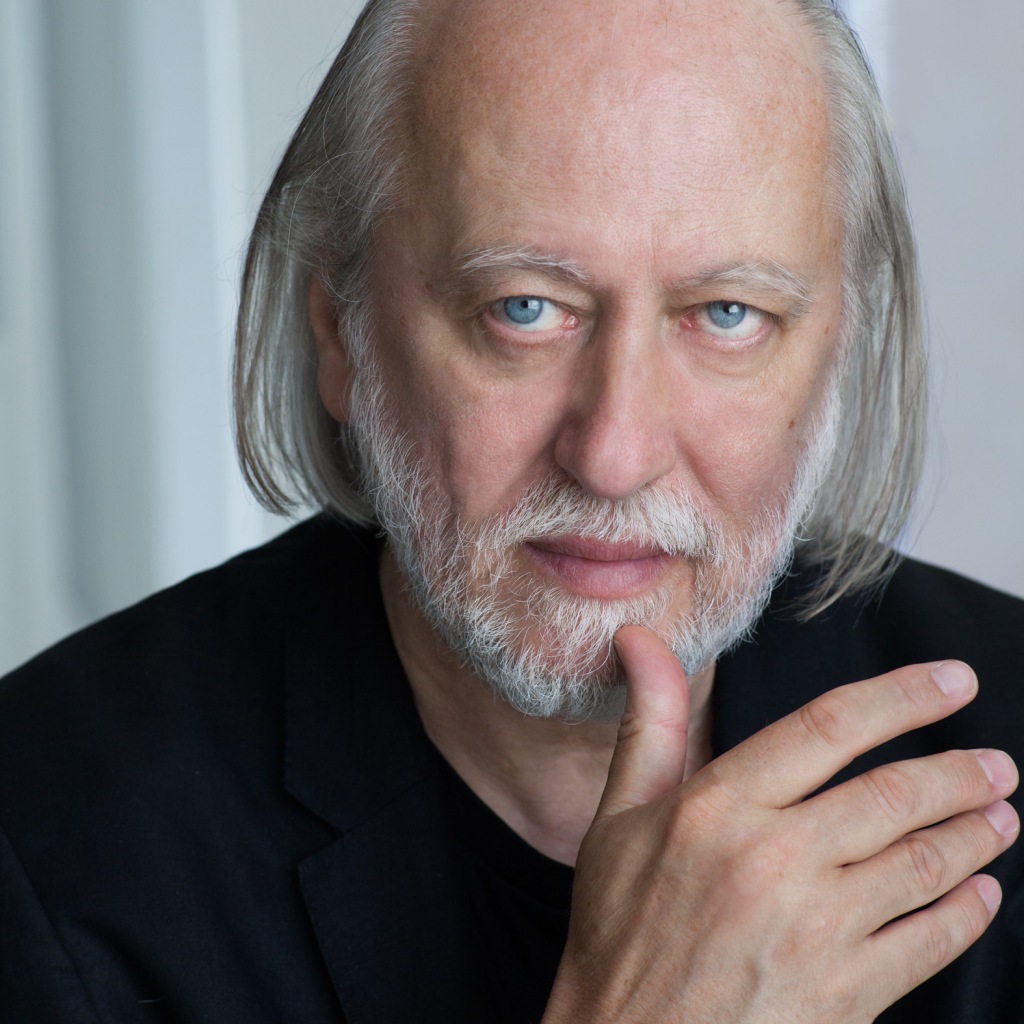
Have You Read These 7 Authors?

Lászlo Krasznahorkai (1954-Present)

Among my friends, I am known for the obscurity of my reading choices. In fact, I even split with one of my old friends because he thought most of my reading was not sufficiently dogmatic in a Marxist sense. Of course, he read about eight books a year, while I typically read somewhere between 150 and 160. Call me ugly, call me fat, call me vicious even—but don’t attack my reading choices.

Here are seven authors whose work I have read this year who are relatively unknown even to more literate readers, but they are all excellent writers. And several of them have won the Nobel Prize for Literature.

  • Ivo Andrić (1892-1975). Bosnian Serb.1921-1996) Nobel Prize. Most famous work: The Bridge on the Drina.
  • Nicolas Bouvier (1929-1998). Swiss. Travel writer. Most famous work: The Way of the World.
  • George Mackay Brown (1921-1996). Scottish from the Orkneys. Poet and fiction writer. Most famous work: Collected Poetry.
  • Patricia Highsmith (1921-1995). American. Mysteries. Most famous work: Strangers on a Train.
  • Lászlo Krasznahorkai (1954-Present). Hungarian. Novelist. Most famous work: The Melancholy of Resistance.
  • Patrick Modiano (1945-Present). French. Novelist. Nobel Prize. Most famous work: Pedigree.
  • Derek Walcott (1930-2017). Caribbean. Poet. Nobel Prize. Most famous work: Omeros.

If you recognize two or more of the above writers, you have my congratulations. I have read multiple works of five of the above. I plan to read more by Bouvier and Walcott in the coming six months.

Politics in Tabriz, 1953

Image of Old Tabriz, Persia, by Eugène Flandin

I am reading a great travel classic written in the 1950s about two Swiss who drove a ratty old Fiat from Yugoslavia to the Khyber Pass on the Afghanistan/Pakistan border. Nicolas Bouvier’s The Way of the World describes Persian politics in Tabriz in 1953, when Muhammad Musaddeq’s government was overthrown by a Royalist coup. Wonderful stuff! BTW, is this where we’re headed?

The Musaddeq trial, which had just opened in Tehran, led to fears of skirmishes in Tabriz. They didn’t take place because that very morning the Governor demonstrated to the town that he was in full control: five armoured cars, several mortars and twenty trucks, carrying troops whose numbers had been increased for the occasion.

The Governor was a wily old man, a cruel jester, oddly esteemed even by opponents of the government he represented. He was forgiven much because everyone knew he had no political convictions and had entirely devoted his rule to building up his personal fortune, with a skill that had won him many admirers. Tabriz had always been a recalcitrant town, but it recognized ‘fair play’, and well-aimed shots. That unexpected parade, for example, which had the town by the scruff of the neck when it woke up, was absolutely in the style of the man to whom the town referred familiarly by his first name. A despot, of course, whose disappearance would have been welcomed with relief, and who was intently watched in case he should slip up. Meanwhile, informed, bland, pitiless and efficient, he was impressive. The town, familiar with despotism, granted his talent.