Horizons East

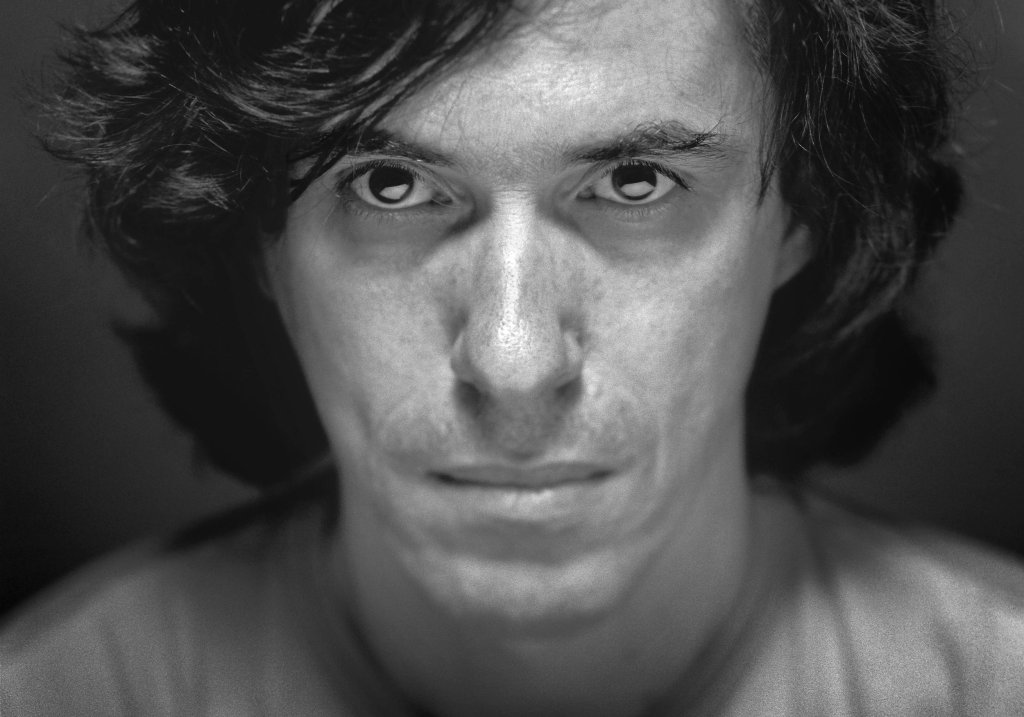
Romanian Writer Mircea Cărtărescu

For their reading, Americans tend not to look beyond English-speaking North America and the countries of Western Europe. As a Hungarian, I have always delighted in the literature of Eastern Europe. In this post, I will give you a list of some of my favorite recent fiction from the former Soviet satellites, including one Ukrainian author, because Vladimir Putin is trying to turn his country into a Russian satellite.

I do not include any Russian authors—not because of any prejudice against—but because the field is so rich it deserves a separate post. Here’s the list in alphabetical order by author:

Ivo Andrić (Bosnian 1892-1975)

Won the Nobel Prize in 1961 for his novel The Bridge on the Drina about the Bosnian city of Viśegrad under the Ottomans and the Austro-Hungarians who succeeded them.

Ádám Bodor (Transylvanian Hungarian b. 1936)

His The Sinistra Zone (1992) is a delightfully funny story of one man’s quest to find his adopted son in a Romanian bear sanctuary and military zone near the Ukrainian border and spirit him return home with him.

Mircea Cărtărescu (Romanian b. 1956)

I am on the point of finishing his novel Solenoid (2015), which is a wonderful work strongly influenced by Kafka, Borges, and Boris and Arkady Strugatsky. He has been shortlisted for the Nobel Prize and is likely to win it soon.

Bohumil Hrabal (Czech 1914-1997)

I have read several great novels from this Czech writer, including Dancing Lessons for the Advanced in Age (1964), I Served the King of England (1973), and Too Loud a Solitude (1977). His gentle humor is catching.

Franz Kafka (Czech Jew 1883-1924)

Although he wrote in German and died a hundred years ago, his work is a major influence on many of the Eastern European authors. My favorites: The Trial (1925) and his short stories.

Gyula Krúdy (Hungarian 1878-1933)

I have read most of his work that has been translated into English, but my favorites were The Crimson Coach (1913) and his journalism collected in Krúdy’s Chronicles (published in 2000).

Andrey Kurkov (Ukrainian b. 1961)

He wrote most of his works in Russian (a larger audience and more $$$), but after Putin has vowed to switch to the Ukrainian dialect. My favorites: Death and the Penguin (1996) and Grey Bees (2018).

Stanislaw Lem (Polish 1921-2006)

Yes, I know he is a sci-fi writer, but his work, especially Solaris (1961) and The Futurological Congress (1971) are of high literary quality.

Olga Tokarczuk (Polish b. 1962)

Won the 2018 Nobel Prize. So far, I’ve read only one of her novels, namely, House of Day, House of Night (1998), which is one of the best books I’ve read so far this year.

Currer, Ellis, and Acton

The Brontë Sisters as Painted by Their Brother Patrick

When the Brontë sisters began publishing their novels in the early 19th century, they did not use their original names. They figured they would find greater acceptance if they used men’s names. Consequently, Charlotte published under the name Currer Bell; Emily, under the name Ellis Bell; and Anne, under the name Acton Bell.

For most of history, there have been precious few women writers whom we know by name. Among the ancient Greeks of the 6th Century BCE, there was Sappho of Lesbos. Then we have to skip forward to the Middle Ages to find Christine de Pizan. In the 17th and 18th centuries, there were a handful of names, including Aphra Behn, Mary Shelley, Jane Austen, Anne Radcliffe, Charlotte Lennox, and Charlotte Smith in England as well as Mme. de Lafayette and Mme. de Staël in France.

In the first thirty years of the Nobel Prize in Literature, there were only three women: Selma Lagerlöf, Grazia Deledda, and Sigrid Undset. More recently, the distribution of Nobels is more equitable. Partly, that is because good literature is becoming increasingly female. I am currently reading Polish author Olga Tokarczuk’s House of Day, House of Night. In the recent past, I have enjoyed the work of Wisława Szymborska (Poland), Svetlana Alexievich (Belarus), Annie Ernaux (France), and Toni Morrison (U.S.A.)—all winners of the Nobel Prize.

No doubt about it, the future of literature is looking ever more female.

Faulkner & Hemingway

William Faulkner (1897-1962) and Ernest Hemingway (1899-1961)

Both of them won the Nobel Prize for Literature, Faulkner in 1949 and Hemingway in 1954. I have been carrying on a running conversation with a friend of mine who is a devotee of Hemingway, mostly on the basis of two short stories, “The Big Two-Hearted River” and “The Snows of Kilimanjaro.” I, on the other hand, hold with Faulkner. I have read many of his short stories and all of his novels. Oh, and I also read most of Hemingway’s novels.

The problem with Hemingway is that he was essentially shallow, a wannabe alpha male who didn’t quite make it. In the end, he blew his brains out for reasons that are discussed in this website. In his last years, Hemingway’s writing was not up to his early standard.

William Faulkner, on the other hand, not only continued to write interesting novels (with a couple of duds, especially The Fable), but he had a distinguished career as a scriptwriter in Hollywood, participating in several film masterpieces directed by Howard Hawks, especially The Big Sleep and (ironically) the film version of Hemingway’s To Have and Have Not.

Currently, I am re-reading Faulkner’s Sanctuary (1932), ostensibly a pot-boiler written to make money, but also a devastating picture of rural and small-town evil that includes a rape, murder, perjury, and a lynching of an innocent man.

In the time that remains to me, I hope to re-read more of Faulkner’s novels and tackle all his short stories. Ever since I was in high school, Faulkner has left a decided imprint on my writing. And Hemingway? Alas, he has not worn well over the years.

A Syrian or an Assyrian

The following poem by Derek Walcott is from his collection entitled Midsummer. Born on the Caribbean island of Saint Lucia, Walcott won the Nobel Prize for Literature in 1992 and passed away in 2017. The name of the poem is the Roman numeral LIII (not to be confused with Super Bowl LIII):

There was one Syrian, with his bicycle, in our town.
I didn’t know if he was a Syrian or an Assyrian.
When I asked him his race, about which Saroyan had written
that all that was left were seventy thousand Assyrians,
where were sixty-nine thousand nine hundred and ninety-nine?
he didn’t answer, but smiled at the length of our street.
His pupils flashed like the hot spokes of a chariot,
or the silver wires of his secondhand machine.
I should have asked him about the patterns of birds
migrating in Aramaic, or the correct
pronunciation of wrinkled rivers like “Tagus.”
Assyria was far as the ancient world that was taught us,
but then, so was he, from his hot-skinned camels and tents.
I was young and direct and my tense
was the present; if I, in my ignorance,
had distorted time, it was less than some tyrant’s
indifference that altered his future.
He wore a white shirt. A black hat. His bicycle
had an iron basket in front. It moved through the mirage
of sugar-cane fields, crediting suits to the cutters.
Next, two more Syrians appeared. All three shared a store
behind which they slept. After that, there was
a sign with that name, so comical to us, of mythical
spade-bearded, anointed, and ringleted kings: ABDUL.
But to me there were still only seventy thousand
Assyrians, and all of them lived next door
in a hot dark room, muttering a language whose sound
had winged lions in it, and birds cut into a wall.

Knocking the Knobel

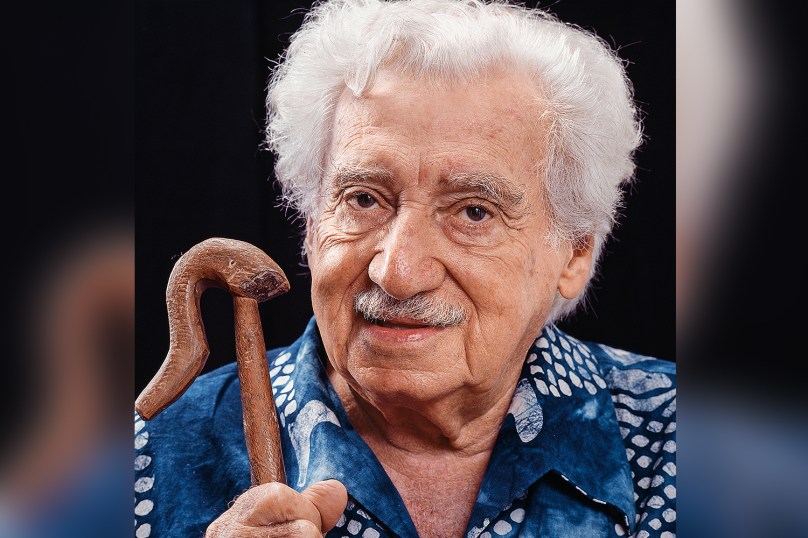
Brazilian Novelist Jorge Amado (1912-2001)

The following is a repeat of a post I wrote five years ago, in January 2016. I have since read Meek Heritage by Finnish writer Frans Eemil Sillanpää and consider that he deserved his prize.

I don’t have too much good to say about the Swedish Academy, which decides who will receive the Nobel Prize for Literature. If you look at the list of its recipients, it would not take too much effort to produce a list of as great as or even greater literary figures who have not received the laureate. Let me take a stab at it:

  • Kobo Abe (Japan), Woman in the Dunes
  • Chinua Achebe (Nigeria), Things Fall Apart
  • Ryunosuke Akutagawa (Japan), Rashomon
  • Jorge Amado (Brazil), Gabriela: Clove and Cinnamon
  • W. H. Auden (UK), Poetry
  • Georges Bernanos (France), Mouchette
  • Jorge Luis Borges (Argentina), Ficciones
  • Joseph Conrad (UK/Poland), Nostromo
  • Richard Flanagan (Australia), The Narrow Road to the Deep North
  • Graham Greene (UK), The Heart of the Matter
  • Vassili Grossman (Russia), Life and Fate
  • Henry James (US/UK), The Ambassadors
  • James Joyce (Ireland), Ulysses
  • Yashar Kemal (Turkey), Memed, My Hawk
  • Gyula Krúdy (Hungary), The Red Post Coach
  • Stanislaw Lem (Poland), Solaris
  • Osip Mandelstam (Russia), Poetry
  • Vladimir Nabokov (US/Russia), Lolita
  • Fernando Pessoa (Portugal), The Book of Disquiet
  • Marcel Proust (France), In Search of Lost Time
  • Arkady and Boris Strugatsky (Russia), Roadside Picnic
  • Italo Svevo (Slovenia), Confessions of Zeno
  • Leo Tolstoy (Russia), Novels and Stories
  • Mark Twain (US), Novels and Stories
  • Evelyn Waugh (UK), Brideshead Revisited
  • Virginia Woolf (UK), Mrs Dalloway

As you can see, I have not overloaded the list with the names of American authors, in the interests of being fair. If I wanted to, I can add names like Philip Roth, Ursula K. Le Guin, Joyce Carol Oates, Philip K. Dick, Cormac McCarthy, James Baldwin, Ralph Ellison, and a few others.

These can replace such figures as the following, whose reputations have not kept up with the times: Bjornsterne Bjornson, José Echegaray, Giosue Carducci, Rudolf Christoph Eucken, Paul von Heyse, Verner von Heidenstam, Karl Adolph Gjellerup, Henrik Pontopiddan, Carl Spitteler, Jacinto Benavente, Grazia Deledda, Erik Axel Karlfeldt, Pearl S. Buck, Frans Eemil Sillanpaa [SIC], Johannes Vilhelm Jensen, Earl Russell, and a few dozen others—mostly Scandinavian nonentities which at one time were highly thought of by a couple dozen mouldy Swedish academics. (Please forgive me for being lax about the diacritical marks in the above names.)

Miguel Ángel Asturias

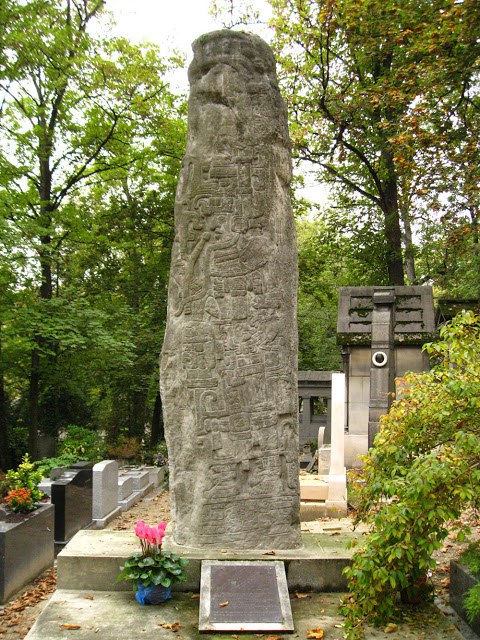
Grave of Miguel Ángel Asturias at Père Lachaise Cemetery in Paris

It was almost twenty years ago that Martine and I were wandering through Paris’s gigantic Père Lachaise cemetery in the 20th Arrondissement. There were a number of surprises, one of which was the grave of Miguel Ángel Asturias, who died in 1974. Rising above a bronze funerary plaque is a Maya stela similar to the ones found at the ruins of Quiriguá in his native country. To this day, he is Central America’s lone winner of the Nobel Prize for Literature, which was awarded to him in 1967.

I have been interested in visiting Guatemala for many years. During the time I was most available to go, Guatemala was in the middle of fighting an armed insurrection by a mostly Maya peasantry who were tired of being forced off their land, enslaved, or massacred. Between 1960 and 1966, some 200,000 Guatemalans died fighting, mostly Maya campesinos. I have just finished re-reading Asturias’s first major novel, El Señor Presidente, set during the presidency of Manuel Estrada Cabrera, who ruled from 1898 to 1920. I have been a big Asturias fan since 1975.

Miguel Ángel Asturias

Now that I am pretty much decided on Guatemala as my next vacation destination, I will add at least two or three more Asturias novels to the ones I have already read. To date, I have finished:

  • El Señor Presidente (1946), his most famous novel
  • Men of Maize (1949)
  • Strong Wind (1950), the first volume of the United Fruit Company trilogy
  • Mulata (1963)

I plan to finish the other two volumes in the trilogy—The Green Pope (1954) and The Eyes of the Interred (1960)—both of which were translated by Gregory Rabassa, one of my favorite translators from the Spanish.

Although Asturias is so identified with the Maya, it is interesting to note that he comes from a well-to-do Creole family that could trace its origins back to 1660.

On The Other Hand

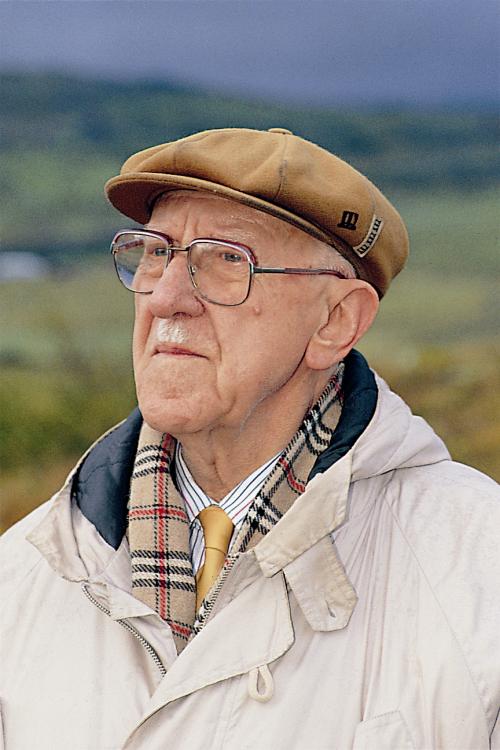
Icelandic Author Halldór Laxness (1902-1998)

Icelandic Author Halldór Laxness (1902-1998)

In yesterday’s blog post, “[Not] The Nobel Prize for Literature,” I blasted the Swedish Academy for awarding prizes to a lot of mediocre writers who have not stood the test of time. As with all annual awards in the arts—and I include the Oscars and the Pulitzer Prizes in this as well—there are a goodly number of clinkers, but there are also some real finds.

Probably the one Nobelist whose work I have discovered and grew to love, perhaps the greatest is Halldór Laxness, Iceland’s sole laureate in literature. In the last few years, I’ve read mot of his work that is available in English translation, including such masterworks as Independent People, Iceland’s Bell, The Atom Station, and World Light.

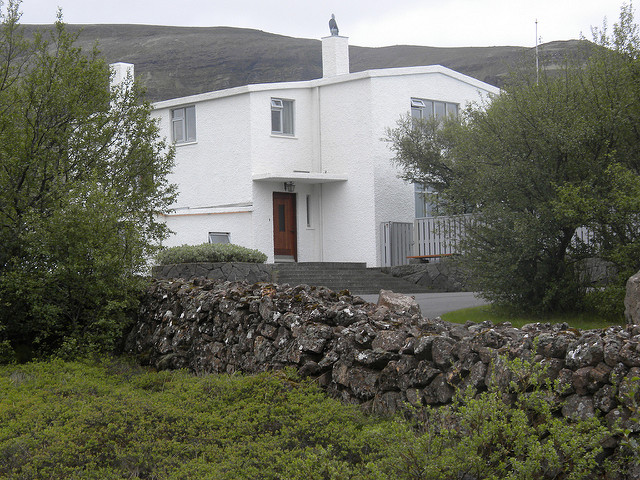
Although no one I know has ever read any Laxness, I regard him as a giant of world literature. In 2013, I even visited his house in Mosfellsbaer (see below).

Gljúfrasteinn, Home of Halldór Laxness

Gljúfrasteinn, Home of Halldór Laxness

Other Nobelist authors whose work is little known today, but whose work I love,are Knut Hamsun of Norway, Ivan Bunin of Russia, François Mauriac of France, Ivo Andrić  of Yugoslavia, and Miguel Ángel Asturias of Guatemala.

Sometimes, the awards like the Nobels are useful, when they are not tainted by politics. It is said that Jorge Luis Borges of Argentina lost his chance at the prize when he accepted an honor from Chilean dictator Augusto Pinochet. At that point, one leftist member of the Swedish Academy essentially said, “Over my dead body!”

[Not] The Nobel Prize for Literature

Yet Another Great Writer Who Never Received a Nobel

Yet Another Great Writer Who Never Received a Nobel

I don’t have too much good to say about the Swedish Academy, which decides who will receive the Nobel Prize for Literature. If you look at the list of its recipients, it would not take too much effort to produce a list of as great as or even greater literary figures who have not received the laureate. Let me take a stab at it:

  • Kobo Abe (Japan), Woman in the Dunes
  • Chinua Achebe (Nigeria), Things Fall Apart
  • Ryunosuke Akutagawa (Japan), Rashomon
  • Jorge Amado (Brazil), Gabriela: Clove and Cinnamon
  • W. H. Auden (UK), Poetry
  • Georges Bernanos (France), Mouchette
  • Jorge Luis Borges (Argentina), Ficciones
  • Joseph Conrad (UK/Poland), Nostromo
  • Richard Flanagan (Australia), The Narrow Road to the Deep North
  • Graham Greene (UK), The Heart of the Matter
  • Vassili Grossman (Russia), Life and Fate
  • Henry James (US/UK), The Ambassadors
  • James Joyce (Ireland), Ulysses
  • Yashar Kemal (Turkey), Memed, My Hawk
  • Gyula Krúdy (Hungary), The Red Post Coach
  • Stanislaw Lem (Poland), Solaris
  • Osip Mandelstam (Russia), Poetry
  • Vladimir Nabokov (US/Russia), Lolita
  • Fernando Pessoa (Portugal), The Book of Disquiet
  • Marcel Proust (France), In Search of Lost Time
  • Arkady and Boris Strugatsky (Russia), Roadside Picnic
  • Italo Svevo (Slovenia), Confessions of Zeno
  • Leo Tolstoy (Russia), Novels and Stories
  • Mark Twain (US), Novels and Stories
  • Evelyn Waugh (UK), Brideshead Revisited
  • Virginia Woolf (UK), Mrs Dalloway

As you can see, I have not overloaded the list with the names of American authors, in the interests of being fair. If I wanted to, I can add names like Philip Roth, Ursula K. Le Guin, Joyce Carol Oates, Philip K. Dick, Cormac McCarthy, James Baldwin, Ralph Ellison, and a few others.

These can replace such figures as the following, whose reputations have not kept up with the times: Bjornsterne Bjornson, José Echegaray, Giosue Carducci, Rudolf Christoph Eucken, Paul von Heyse, Verner von Heidenstam, Karl Adolph Gjellerup, Henrik Pontopiddan, Carl Spitteler, Jacinto Benavente, Grazia Deledda, Erik Axel Karlfeldt, Pearl S. Buck, Frans Eemil Sillanpaa [SIC], Johannes Vilhelm Jensen, Earl Russell, and a few dozen others—mostly Scandinavian nonentities which at one time were highly thought of by a couple dozen mouldy Swedish academics. (Please forgive me for being lax about the diacritical marks in the above names.)


One Word Makes a Difference

Argentinian Writer Jorges Luis Borges (1899-1986)

Argentinian Writer Jorge Luis Borges (1899-1986)

There is a wonderful novel by José Saramago called The History of the Siege of Lisbon (1989) in which a historian introduces a single word—“not”—to indicate that Crusaders failed to help lift the Portuguese king lift the siege of the city of Lisbon from the attacking Moors. The other day, I saw an article in the I Love Chile News in which the word “not” was inadvertently omitted, changing the whole sense of the passage.

In an interview with Maria Kodama, Borges’s widow, the I Love Chile News said that the Nobel Prize Committee actually wanted Borges to accept an honor from dictator Augusto Pinochet. It is generally thought that the Committee refused to give the Nobel Prize for Literature to Borges because he was hobnobbing with rightist dictator. Following is the text of the story as it was printed:

According to an interview with the Spanish newspaper El País, before traveling to Chile in 1976 to receive an honorary award of the Faculty of Philosophy and Humanities of the University of Chile, the author received a call from Stockholm.

He was awarded the Nobel Prize and they warned him that he should [here’s where the “not” belongs] go forward with his visit to the South American country.

According to Kodama, Borges told the Nobel Foundation member: “Look, gentleman: I am grateful for your kindness, but after what you just told me my duty is to go to Chile. There are two things that a man can not allow: bribe or be bribed. Thank you very much, good morning.”

Historical Background

Borges arrived in Chile in mid-September, in the same days in which the socialistic ex-chancellor Orlando Letelier was murdered in Washington.

A few months earlier, Borges had already received the Order of Bernardo O’Higgins from the Chilean embassy in Buenos Aires. It was the highest honor you could receive from the military dictatorship as a foreigner at the time.

In his acceptance speech in Santiago, Borges paid tribute to the repression by saying that “in this era of anarchy in here, between the mountains and the sea, there is a strong country. (The Argentine poet Leopoldo) Lugones preached strong homeland when he spoke of the time of the sword. I declare to prefer the sword, the clear sword, to the furtive dynamite,” he said, quoting a verse.

“And I say this knowing very clearly, very precisely, what I say. Well, my country is emerging from the swamp, I think, with happiness. I think we deserve to go out of the morass in which we were. We are already going through the work of swords, exactly. And here they have already emerged from the swamp. And here we are: Chile, the region, the country, which is both a long country and an honorable sword,” said Borges.

At the time Argentina was under the dictatorship of General Jorge Videla, who according to official figures killed thousands of people during the repression.

The next day, Borges also met Pinochet and said “he is an excellent person, his warmth, his goodness … I’m very satisfied … The fact that here, also in my country, and in Uruguay, the freedom and the order is saved, especially in an anarchy continent, a continent undermined by communism. I expressed my satisfaction, as an Argentine, of which we should have here nearby a country of order and peace.”

There are several things questionable about the story. I doubt that the Nobel Prize Committee would have been so overt about dangling the award in front of Borges. It may well be true that kowtowing to Pinochet cost Borges his Nobel, but Ms. Kodama has been known to embroider the facts on occasion.