Why I Hate Sonny Bono

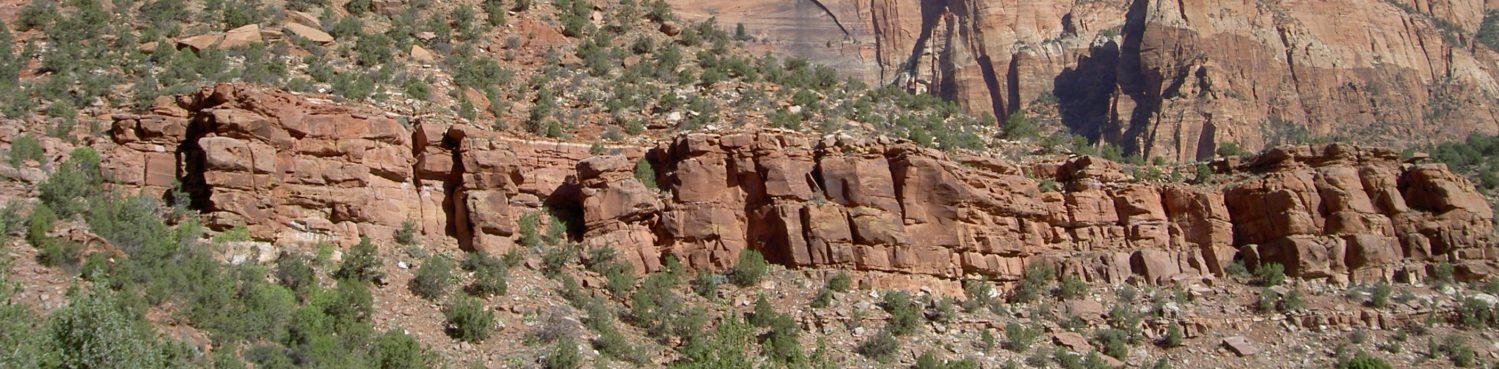
Tombstone of Sonny Bono at Cathedral City’s Desert Memorial Park

Tombstone of Sonny Bono at Cathedral City’s Desert Memorial Park

My original plan was to empty my bladder on Sonny (“Watch Out for That Tree!”) Bono’s grave, but Martine prevented me. For many years, I had borne a grudge for the former singer and Congressman, as have all serious book collectors.

The reason is the Sonny Bono Copyright Term Extension Act of 1998. It is also referred to as the Mickey Mouse Protection Act, because the unspoken aim was to extend Walt Disney Studio’s copyright of Mickey Mouse. According to Sonny’s widow, Mary Bono, he had wished to extend the copyright forever. He was deterred when it was pointed out to him that what he wanted was unconstitutional.

Now one of my favorite writers is Marcel Proust. There recently was a new translation by various hands of In Search of Lost Time. My access to the last three volumes of the series—The Prisoner, The Fugitive, and Finding Time Again—was impaired by Bono’s legislation. Eventually, I got my hands on the paperback edition; but the hardbound will not be available to me unless I buy it in Europe or I live to a very, very ripe old age.

Of course, Sonny did not live to see his legislation become law. He died in a skiing accident when he hit a tree at the (aptly named) Heavenly Ski Resort near South Lake Tahoe, California.

Martine and I had been visiting the Desert Memorial Park in Cathedral City, where we also saw the graves of Frank Sinatra and Magda Gabor (sister of Zsa Zsa).
“Men of the Red Earth”

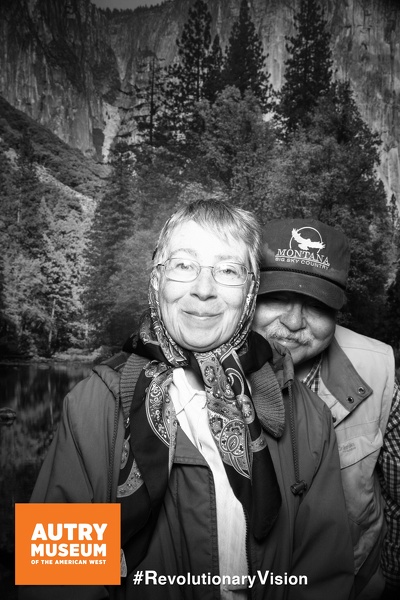
Martine and Me at the Autry Museum

Martine and Me at the Autry Museum

Today, Martine and I stayed as far away from the Black Friday Madness as possible. Instead, we went to the Autry Museum of the American West in Griffith Park. At the #RevolutionaryVision show, we took the above picture, showing a pleasant looking woman and the strange character who photobombed her.

The Autry has been opening some new galleries and updating others. There was a nice exhibit of Mabel McKay’s Pomo Indian basketry, and the usual excellent art of the West. Below is Maynard Dixon’s “Men of the Red Earth”:

“Men of the Red Earth”

“Men of the Red Earth”

Born in Fresno, California, Maynard Dixon (1875-1946) is probably one of the best painters of the American Southwest. Although the museum was founded by Gene Autry, it attempts to present a panoramic picture of the West, including the land, the Western films, the art, the myths, and the environment.

I’ve always thought it an excellent place for travelers from other countries to visit—though I suppose they will continue to troop to Hollywood and be disappointed.

Trains and Trolleys

Pacific Electric Red Car

Pacific Electric Red Cars

If you’ve ever seen Who Framed Roger Rabbit? (1988) you know that the Pacific Electric Red Cars were probably the world’s greatest interurban railway—until they were destroyed by Judge Doom, ably played by Christopher Lloyd.

The Red Cars were already history when I arrived in Los Angeles at the tail end of 1966. Imagine my surprise when I saw a whole collection of them, along with their predecessors, at the Orange Empire Railway Museum in Perris, California. It appears the collection was put together by a private individual named Walter Abbenseth, who died in 2006.

Trolleys were not the only things Martine and I saw at the Orange Empire museum: There were steam and diesel locomotives, passenger and freight cars, and a whole slew of cabooses. The museum was staffed by old railroad pros who knew their stuff and were delighted to answer questions.

There was even a nice exhibit devoted to Fred Harvey and the Harvey Girls, whose Harvey House station restaurants, particularly in the Southwest, stood for quality.

I had always intended to visit this museum, but was put off by the 85-mile drive along the 60 Freeway to get there. Now both of us want to return. We had a great time.

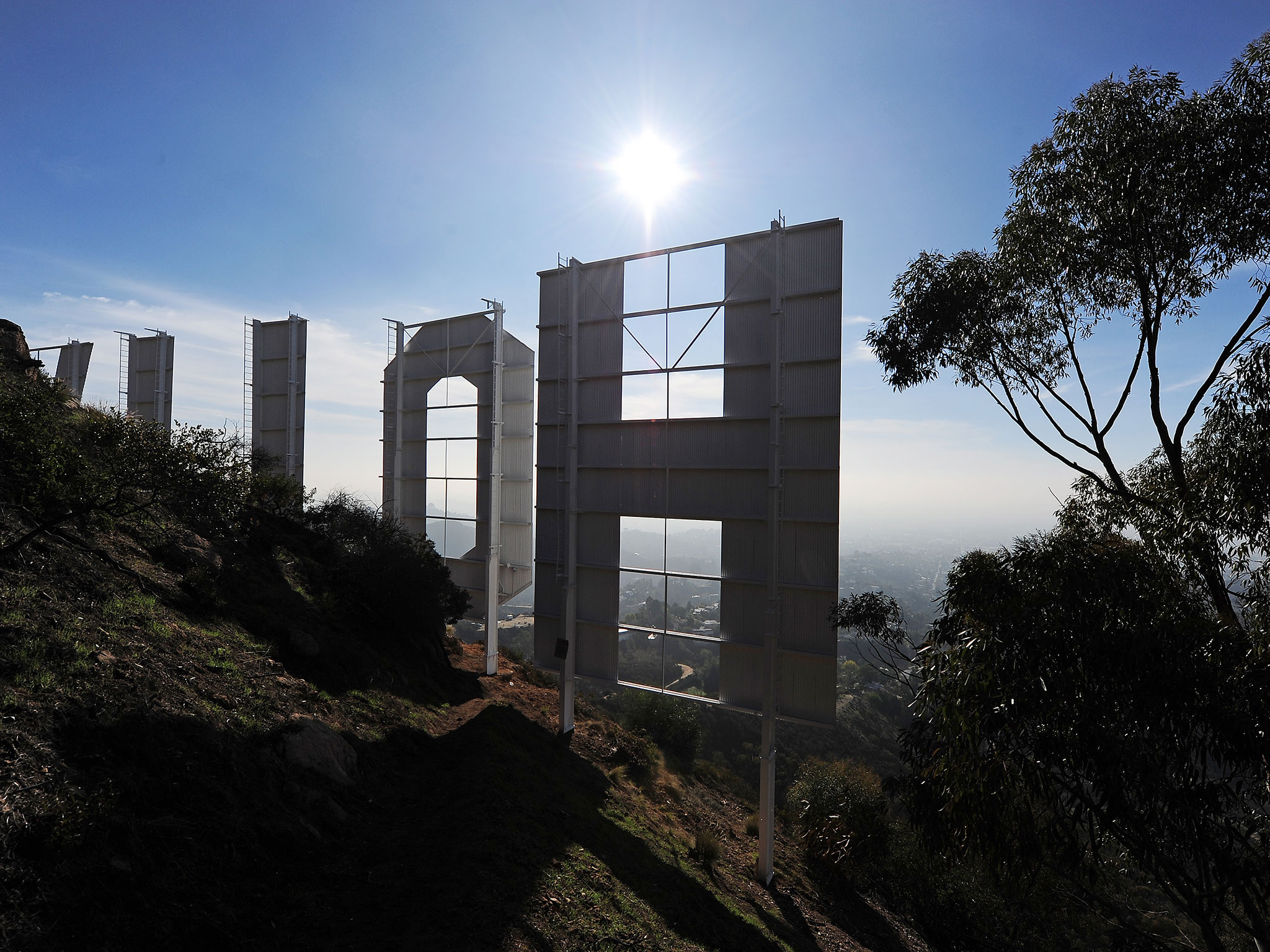
Peg Entwistle and the Hollywood Sign

Scene of Many Hollywood Legends

Scene of Many Hollywood Legends

It stands near the top of Mount Lee in the Hollywood Hills. Originally, the sign read “Hollywoodland”—erected using telephone poles and tin to advertise the housing development below. Eventually, the sign was shortened to “Hollywood” and came to signify something altogether different.

I first heard about the story from Dory Previn, who wrote a song called “Mary C. Brown and the Hollywood Sign” way back in the 1970s. You can hear her singing it in this YouTube video.  It is about a movie starlet who grew disenchanted with the dream factory ending her life by jumping off the letter “H” of the Hollywood sign and dying on the slope below of multiple fractures of the pelvis. She died on September 18, 1932.

It really happened, but not to Mary C. Brown. I guess Millicent Lilian “Peg” Entwistle doesn’t scan as well in a song lyric. Peg was a cute blonde Welsh actress with blue eyes. While acting on the stage in New York, she married Robert Keith in 1927. For a short time, she was the stepmother of the man who grew up to be actor Brian Keith.

By coincidence, Brian Keith also committed suicide.

Starlet Peg Entwistle

Starlet Peg Entwistle

During her time in Hollywood, Peg acted in only one film that was ever released: Thirteen Women (1932). I would like to be able to say that it was a success, but it wasn’t, even though it starred Myrna Loy and Irene Dunne.


DTLA

Los Angeles’s Central Library on 5th Street & Hope

Los Angeles’s Central Library on 5th & Flower

On Thursdays, I find myself taking the Expo Line Train into downtown Los Angeles, or as the locals call it, DTLA. Before the free mindful meditation classes at 12:30 (taught by UCLA’s Mindful Awareness Research Center—or MARC), I spend a couple hours reading in the literature and fiction center on the third floor. Then I make my way to lunch at one of several locations: Chinatown, Olvera Street, Little Tokyo, or the Grand Central Market on Broadway. Sometimes I stop at the Last Bookstore at 5th and Spring. When the afternoons are hot, as it was today, I return by the air-conditioned Santa Monica Bus Line Rapid 10 Freeway Flyer, which lets me off a block from home.

Since I started exploring the downtown area, I have gotten a better, more favorable feel for the city in which I live. LADT is nowhere near as white bread as the outlying areas, and there are interesting ethnic enclaves scattered about.

When it gets a little cooler, I hope to wander farther afield, perhaps taking in bits of Koreatown and Filipinotown.


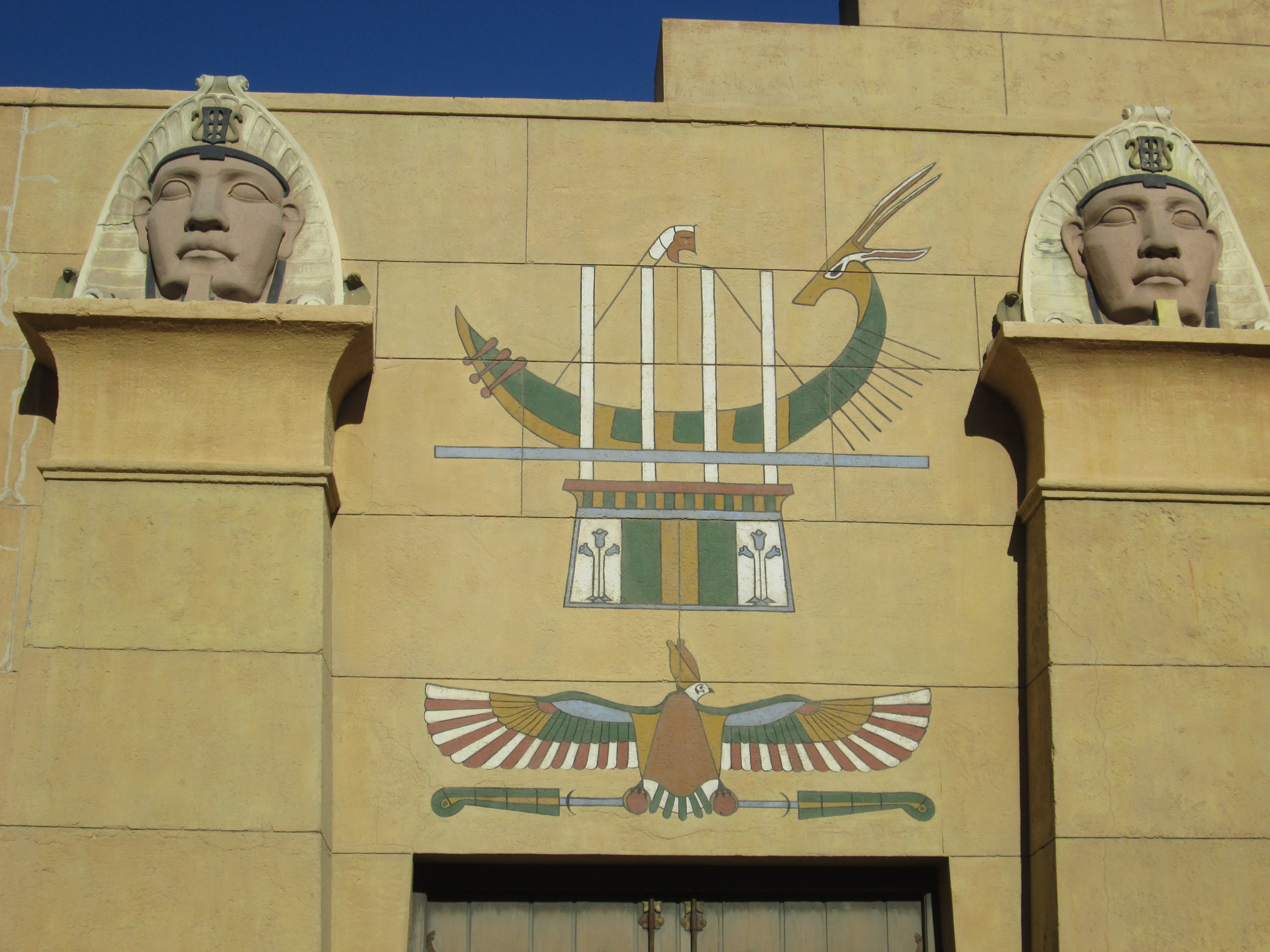
Walk Like an Egyptian

Part of the Painted Facade of Grauman’s Egyptian Theater in Hollywood

Part of the Painted Facade of Grauman’s Egyptian Theater in Hollywood

If it’s Labor Day weekend, it’s also time for the 52nd Annual Cinecon Classic Film Festival. So Martine and I invaded Hollywood, parked our chariot at Loew’s Hollywood Hotel, and proceeded to view several newly restored films at Grauman’s Egyptian Theater. These included:

  • An episode of a hokey old serial called Jungle Mystery.
  • Three Laurel & Hardy rareties, including Berth Marks and Come Clean.
  • A silent comedy called More Pay—Less Work from 1926.
  • A Columbia film released during World War Two which uniquely accuses the Nazis of atrocities against the Jews: None Shall Escape (1944) starring a radiant Marsha Hunt and directed by Andre de Toth.

Cinecon has thinned out a bit since last year. President Robert S. Birchard, having served in that capacity since 1998, died of a heart attack in May. Many such as my late friends Norman Witty and Lee Sanders had also passed on. Every year, there are more canes and more geriatric ailments in evidence. The pity of it is that Cinecon has difficulties recruiting younger members, who would consider the restored 1920s and 1930s films as ancient history. The organization would have to move more into the 1950s-1970s to get the attention of Generation Xers, not to mention Millennials.

The Hollywood Walk of Fame

The Hollywood Walk of Fame

Hollywood itself was filled with young tourists of the tattooed and pierced variety who sashayed up and down the street shooting pictures of the commemorative stars on the sidewalk with their cell phones. On holiday weekends, the Boulevard is a big-time crowd scene, with scores of tour buses taking them to see homes of the rich and famous—or whatever it is they show them. Whenever they accost me for a tour, I offer to give it myself, saying “Hey, I live in this dump!”


“The Pinnacle of 20th Century Art and Design”

A Museum Dedicated to the Art of the French Automobile 1900-1940

A Museum Dedicated to the Art of the French Automobile 1900-1939

Oxnard, California, is blessed with two world-class automobile museums less than a mile from each other. Martine and I had visited the Murphy Auto Museum twice so far this year. It was a little more difficult to visit the Mullin Automotive Museum, mainly because it is open for tours only twice a month by reservation only.

The Mullin Automotive Museum was founded by Peter W. Mullin, an American businessman and philanthropist, who, early on, fell in love with French autos, particularly the Bugatti (which was 100% French despite the Bugatti family’s Italian origins).

Bugatti Hood Ornament

Bugatti Hood Ornament and Grill

The cars at the museum were a revelation. According to the museum’s founder:

For me the French automobiles of the 1920s and 1930s represent the pinnacle of 20th century art and design—the artistic realization in steel, leather, and glass of a modern idea created at a moment when hand craftsmanship embraced the machine, and a spirit of optimism fueled an explosion in artistic and technical development. As an avid collector, the preservation of these rolling sculptures for the enjoyment of future generations is both a responsibility and a pleasure. I relish the stewardship and preservation of their exciting histories.

Surrounding the automobiles along the outer walls is a world class exhibit of art nouveau and art deco works, including paintings, sculptures, and furniture—to to mention some of the neatest hood ornaments I’ve ever seen.

Flying Hood Ornament

Flying Hood Ornament

I was so impressed not only with the cars and the artwork that I plan on doing one or more follow-up blogs. Martine and I showed up at opening time (10 AM) and had to be ushered out at closing time (3 PM). We plan on returning in a number of months, when they have changed their exhibits.

Below is view of the exhibit floor, which is designed to resemble the original Paris automobile salons of the early 20th century, complete with signs indicating the major “exhibitors.”

The Exhibit Floor

The Exhibit Floor


To avoid getting stuck in beach traffic, we returned home via California 126, stopping at Cornejo Produce in Fillmore for some fresh locally-gown produce.


The Avila Adobe

In the Middle of Olvera Street, L.A.’s Oldest Still-Existing House

In the Middle of Olvera Street, L.A.’s Oldest Still-Existing House

In my semi-retirement, I’ve taken to going downtown at least once a week and doing some exploring. Today, I started out at the Central Library reading Claude Izner’s In the Shadows of Paris, set in the City of Lights back in the 1890s.

I picked out a volume of Charles Bukowski’s letters in the literature section and checked it out, making my way to Meeting Room A at 12:30 for something completely different: A guided session on meditation by Giselle Jones. It was super-relaxing. I will look out for other meditation events at the Library.

Then it was on to Dash Bus B to Olvera Street. I had a hankering for some more of Cielito Lindo’s taquitos and chile rellenos. Yum! They were even better than last time.

Finally, I paid a visit to the oldest surviving house in Los Angeles: The Avila Adobe. Although L.A. was first settled in 1781, all the houses were destroyed by the ravages of time, except for the Avila Adobe, which was built in 1818 by Francisco Avila, one of the city’s earliest alcaldes (mayors). The house was an oasis of calm amid the frantic crowds looking to buy souvenirs.

From there, it was a short walk to the bus stop for the Santa Monica Big Blue Bus #R10 to return home.

Eve Babitz and the Taquitos

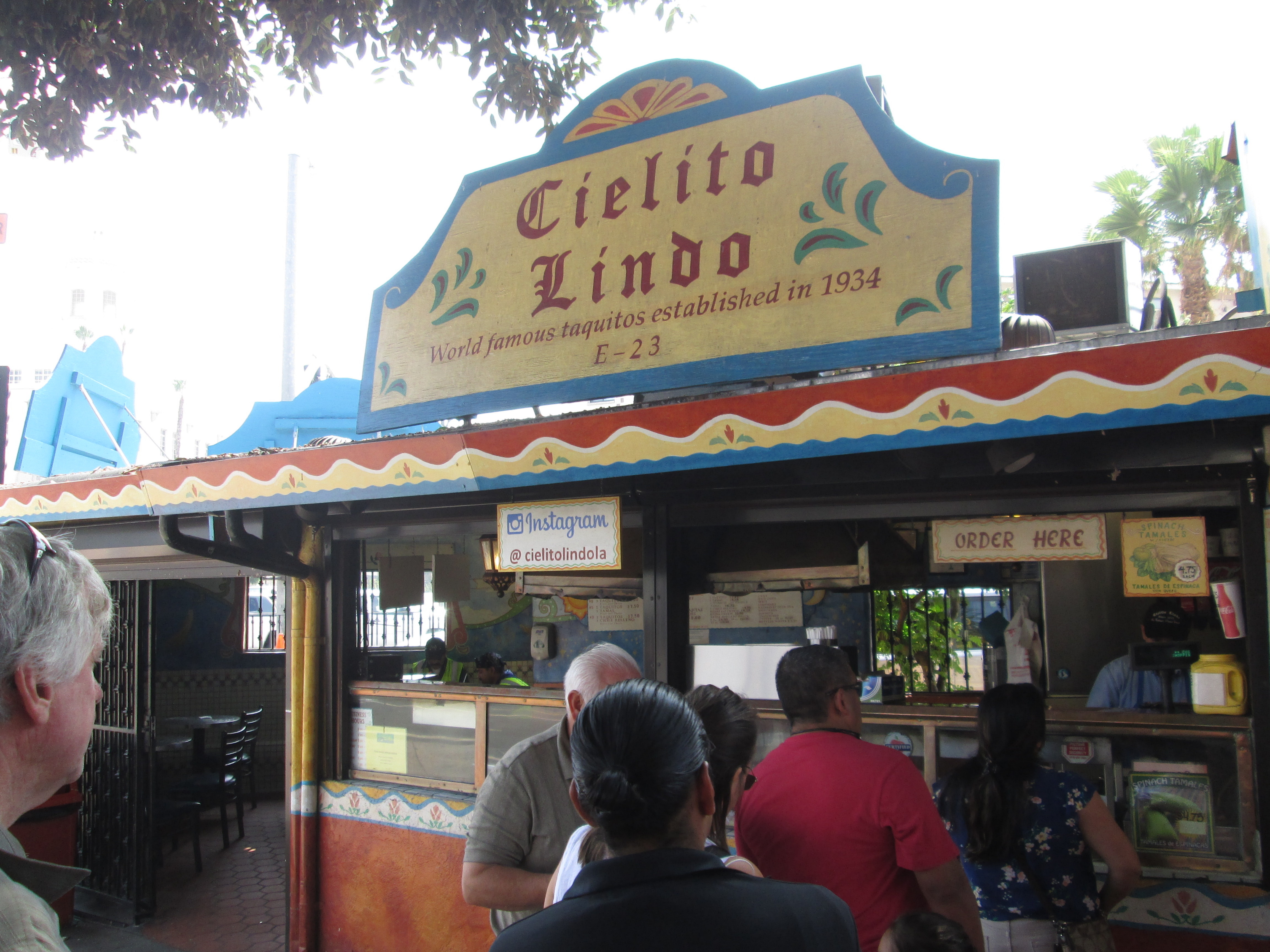
Cielito Lindo, Specializing in Beef Taquitos on Olvera Street

Cielito Lindo, Specializing in Beef Taquitos on Olvera Street

As I was visiting the Taste of Ecuador Festival by Olvera Street yesterday, I decided to find the place that Eve Babitz writes about in her book Eve’s Hollywood about what could have kept rock star Janis Joplin from OD’ing. Toward the end of the book is an essay entitled “The Landmark,” which she dedicated to food writer M. F. K. Fisher. She starts at the very beginning of Los Angeles:

In 1781 a Franciscan with 24 ex-cons and runaway slaves decided to name something that didn’t exist La Ciudad de Nuestra Signora [SIC] La Reina de Los Angeles and proceeded to build a church and a street called Olvera Street. The church and the street are still there, preserved by this huge city called L.A. as a landmark from when one street was named the City of Our Lady, Queen of the Angels. The street is uneven and bricky and lined with terrific shops where you can get things you think you want, cheap. And taquito stands for in case you get hungry. Taquitos are much better than heroin, it’s just that no one knows about them and heroin’s so celebrated.

Now Eve’s book was written over forty years ago. I decided to see if I could find her favorite taquito stand, which she describes as follows: “The best place to get them [taquitos], though they are also sold in other places throughout the mall, is the place on the Northeast part of Olvera Street.”

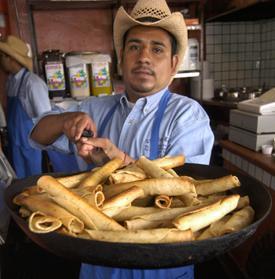
Making Taquitos at Cielito Lindo

Making Taquitos at Cielito Lindo

It just so happens that the Northeasternmost restaurant on Olvera Street is Cielito Lindo (“My Little Beautiful Heaven”), which has been around since 1934 and specializes in taquitos in a way that none of the other restaurants on the Street do. Once again, Eve continues:

They have black frying pans with long handles that are about a foot and a half in diameter and have sides that flare out about 3 inches high so that oil won’t hit the cook. With metal prongs, the guy lays the raw taquitos neatly in the oil over a fire of coal that produces a heat of such intensity that blast-furnace clouds encompass the buyer as he watches the taquitos cook and the guy turns them over when they are done on one side.

Except for the coal fire, which is now probably against some city health or safety regulation, that’s pretty much what I saw at Cielito Lindo, such that I am 100% sure that this is the place to which Eve would have directed Janis Joplin to keep her from that nasty heroin.

By the way, the taquitos were delicious. I will return there for more. Their chile rellenos are pretty good, too.


Ecuador in Los Angeles

Flag at 18th Annual Taste of Ecuador Food festival

Flag at 18th Annual Taste of Ecuador Food Festival

I noticed that there was going to be an 18th Annual Taste of Ecuador Food Festival downtown today, so after I walked uphill on the treadmill for an hour at the gym, I grabbed the Santa Monica #10 Freeway Flyer Bus to Union Station. I had attended one of these events two or three years ago, so I knew pretty much what was going to be there.

According to the organizers, there are some 5,000 Ecuadorians in Los Angeles.

I ate a sanguche de chango (pork sandwich on a bolillo roll) that tasted pretty good, and washed it down with a licuada de sandía (watermelon drink).

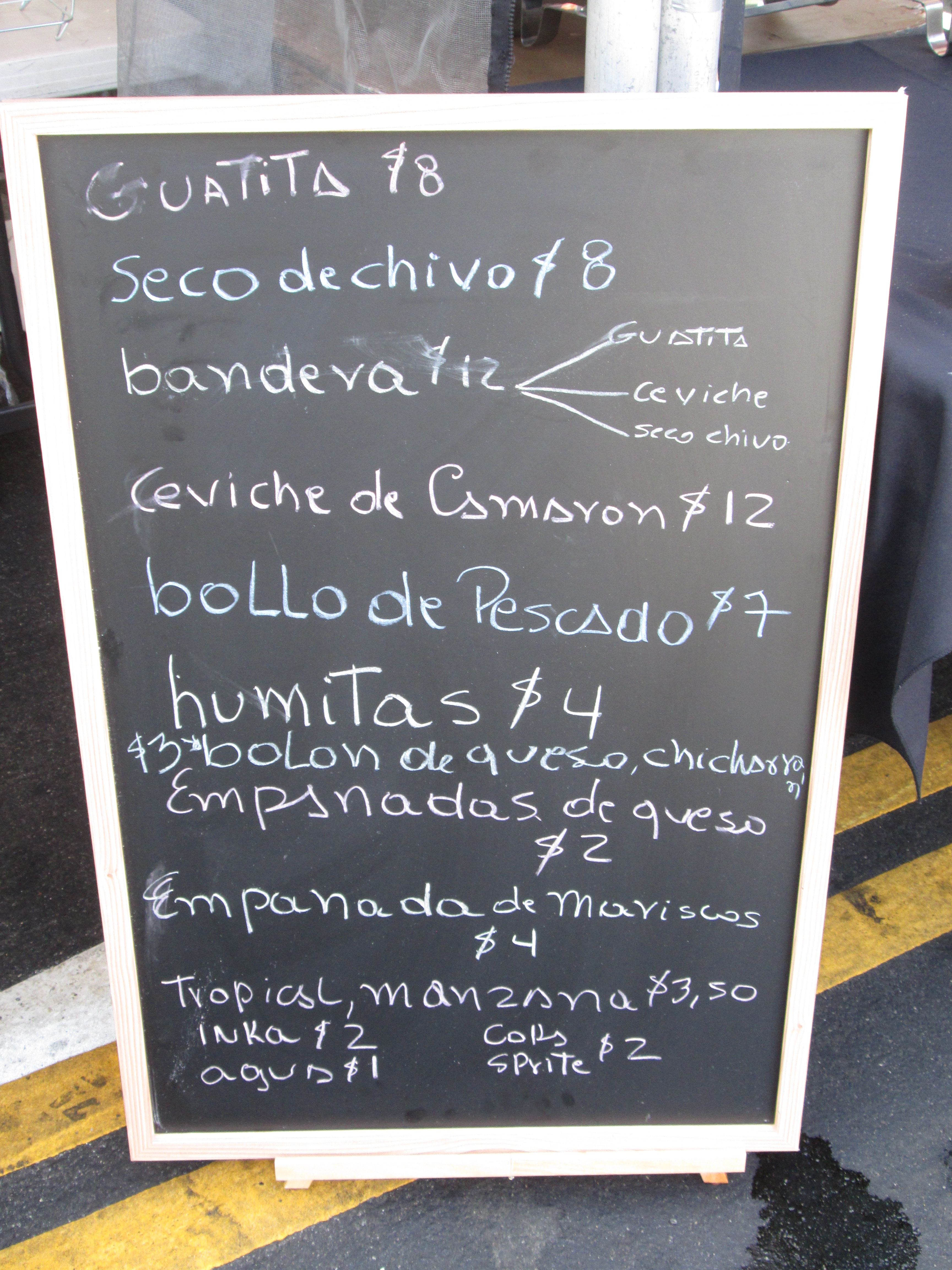
Below is a typical menu from one of the stands:


Ecuadorian Menu at Food Stall

Ecuadorian Menu at Food Stall

Notice the reference to Inka Cola at the bottom of the menu. It is the most popular soda pop of Peru and Ecuador, though it tastes sort of like Mountain Dew on steroids.

On sale at a couple stands were Ecuadorian soccer football jerseys with the national colors.

It wasn’t much, but it’s a reminder that Dan and I are heading down to El Mitad del Mundo in a couple of months.