Santa Monica 1966-2014

The Santa Monica Promenade Today

The Santa Monica Promenade Today

When I first arrived in Los Angeles between Christmas and New Year in 1966, the whole place looked brand spanking new. I had just arrived on the Santa Fe Railroad’s El Capitan at Union Station and saw a city very different from the grimy red brick and industrial pollution that was Cleveland. Within the first two days after my arrival, I took the Santa Monica #3 bus from San Vicente and Barrington down to the Santa Monica Mall, or, as it’s called today, the Promenade.

I was impressed by the neatness and cleanliness of the place. There were movie theaters, restaurants, bookstores (yes, several), anchored by a J. C. Penney at the north end by Wilshire. It used to be fun to visit Santa Monica. The place made such an impression on my friends that most of them still think I live in Santa Monica, rather than West L. A.

But now, I try to avoid Santa Monica, even though it begins a scant two blocks west of me. All the restaurants I loved are gone, replaced by places that are more pretentious and less tasty. The bookstores? Now there is only one, a Barnes & Noble at the Wilshire end. The movie theaters are sort of hanging on, but it looks as if the Criterion were history. The J. C. Penney store is long gone.

What changed? There are two ways of looking at it. On one hand, the city has become a ghetto for the 1%, with only a few downmarket neighborhoods along Pico Boulevard that escaped gentrification. Also, I have changed. My taste in food is probably far different from that of the 21-year-old that ate at Castillo’s (the daughter of the owner was muy guapa), Las Casuelas, Marco Polo, Chowder Call, the Broken Drum (“You Can’t Beat It!”), the Little Inn Swedish Smorgasbord, El Tepa, the Great American Food & Beverage Company, and the El Sombrero on Fifth Street. Somewhere between Santa Monica becoming too hoity-toity for me, and my own self developing into another person, I found the place chilled me.

Oh, I still use their excellent library—though I have to pay for the privilege now. But Martine and I almost never eat in Santa Monica any more. Today, for a change, we ate at the El Cholo on Eleventh and Wilshire. And we regretted it.
The Chinese Garden

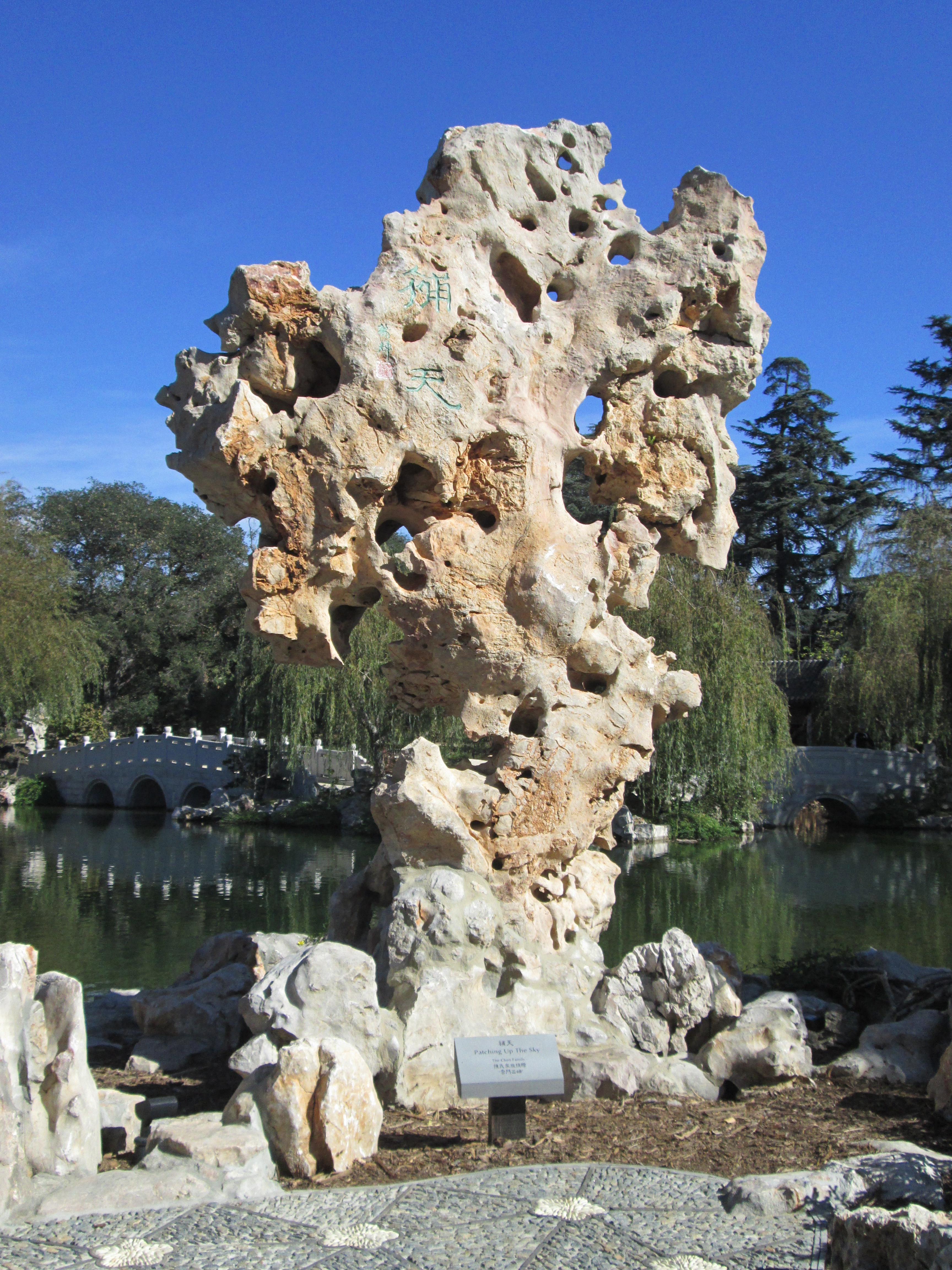
Craggy Limestone Rock from Lake Tai

Craggy Limestone Rock from Lake Tai in China

Today Martine and I visited the Huntington Library and Gardens in San Marino. As usual, we started in the Chinese Garden, with its strangely impressive rocks such as the free-standing one in the above photograph. With Martine’s persistent tendonitis (or whatever it is), she seems to do better with light exercise, especially on a sunny day. We also put in about two or three miles of walking on the extensive grounds of the gardens.

The most spectacular gardens are the Chinese and adjoining Japanese gardens, together with the cactus garden and the lily ponds. The rose garden was still very much in bloom, though the herb garden—a particular favorite with Martine—is undergoing extensive replanting with the change of the seasons.

We are members of the Huntington, allowing us to go there any time for free.


Griifith Park Circa 1955

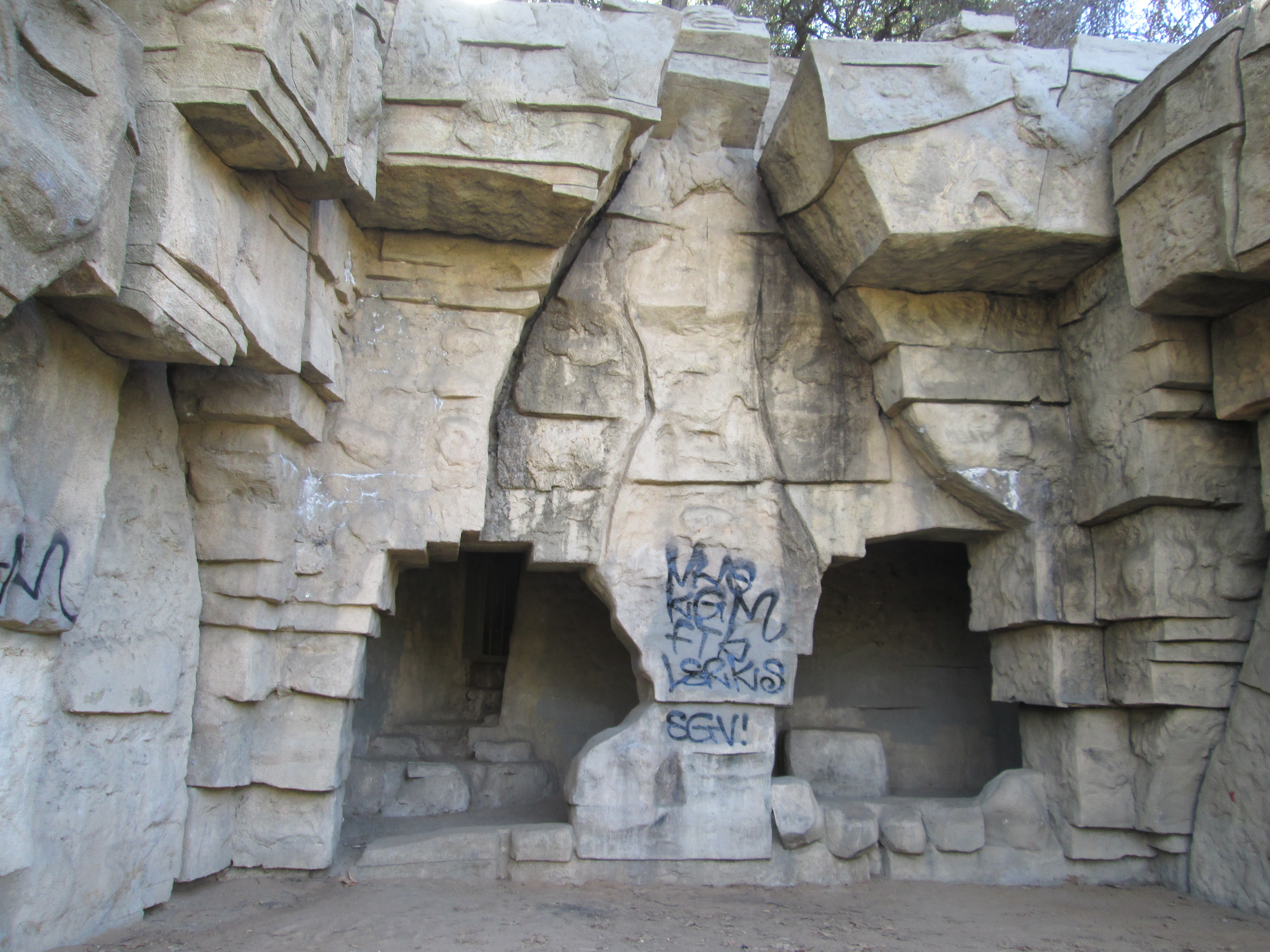
Former Site of the L.A. Zoo (Until 1965)

Former Site of the L.A. Zoo (Until 1965)

Today Martine and I spent a few hours in Griffith Park just northwest of Downtown L.A. First I showed her the site of the old Los Angeles Zoo before it was abandoned and moved to a larger site a little more than a mile north. The rockwork was done by the WPA during the 1930s and looked fairly artistic—probably more so than the current zoo, which we don’t like visiting because of the endless construction and consequent poor pedestrian traffic management.

The old zoo site is surrounded by pleasant picnic tables unknown to the mass of visitors. Unfortunately, they are known to the legions of yellowjackets that inhabit the canyon.

Afterwards, we went to the Travel Town Museum up the road about three miles. An open-air transport museum first opened in 1952, Travel Town features an extensive display of old locomotives, passenger and freight cars, cabooses, and related railroading equipment. There is even a little passenger train that runs around the park.

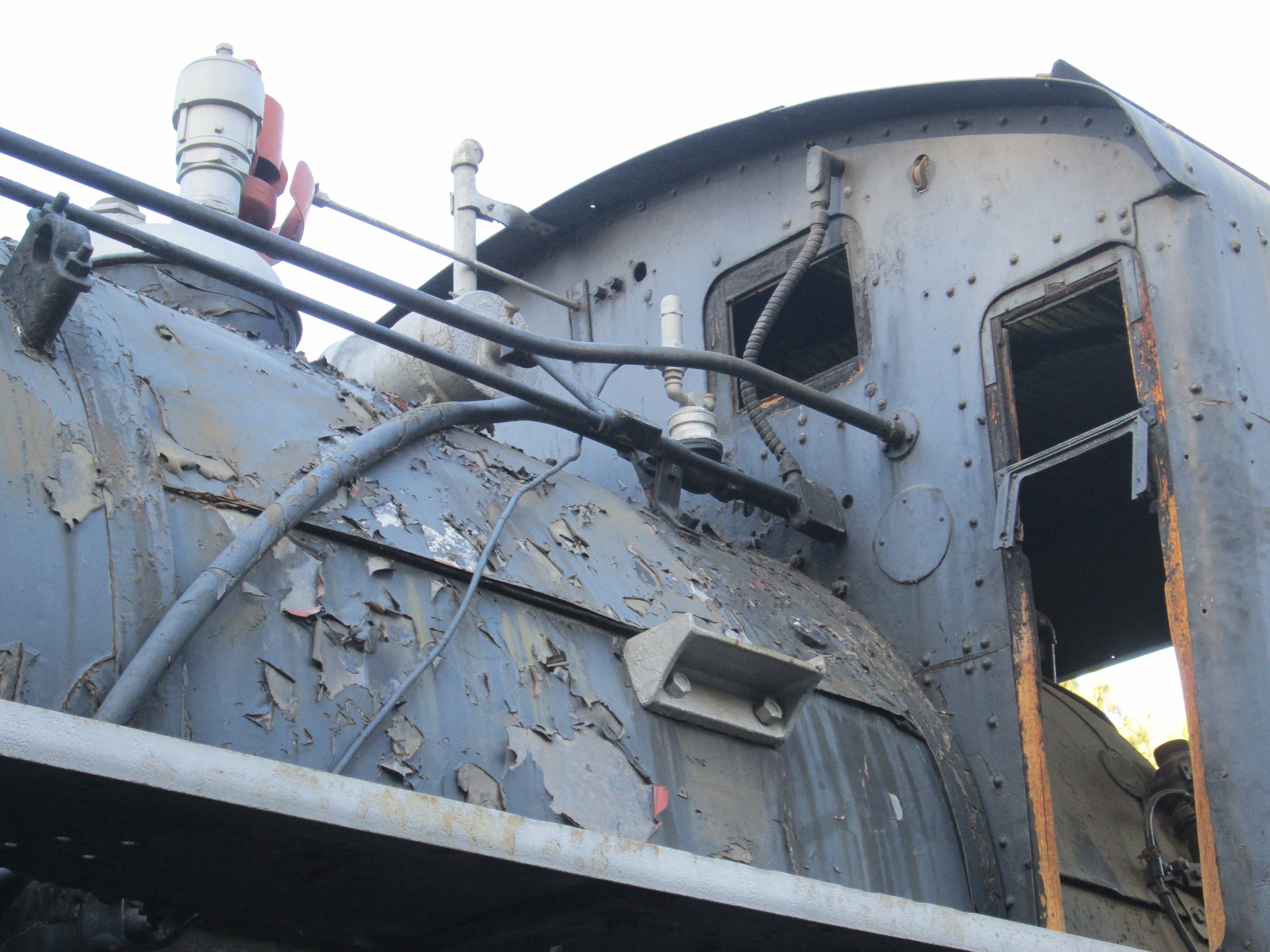
Steam Locomotive with Peeling Paint

Steam Locomotive with Peeling Paint

Although most of the rolling stock is in sad repair (see the peeling paint on the steam locomotive above), the park is popular with parents who want someplace to take their kids without spending a fortune. Sometimes I wonder how long a place like Travel Town can continue to exist without a massive infusion of cash, which is very unlikely to ever happen. It would be a pity, because the place was full of little reserved areas for children’s birthday parties, both outfoors and in some of the passenger cars.

In any case, Martine and I enjoyed ourselves.


L.A. and L.B.

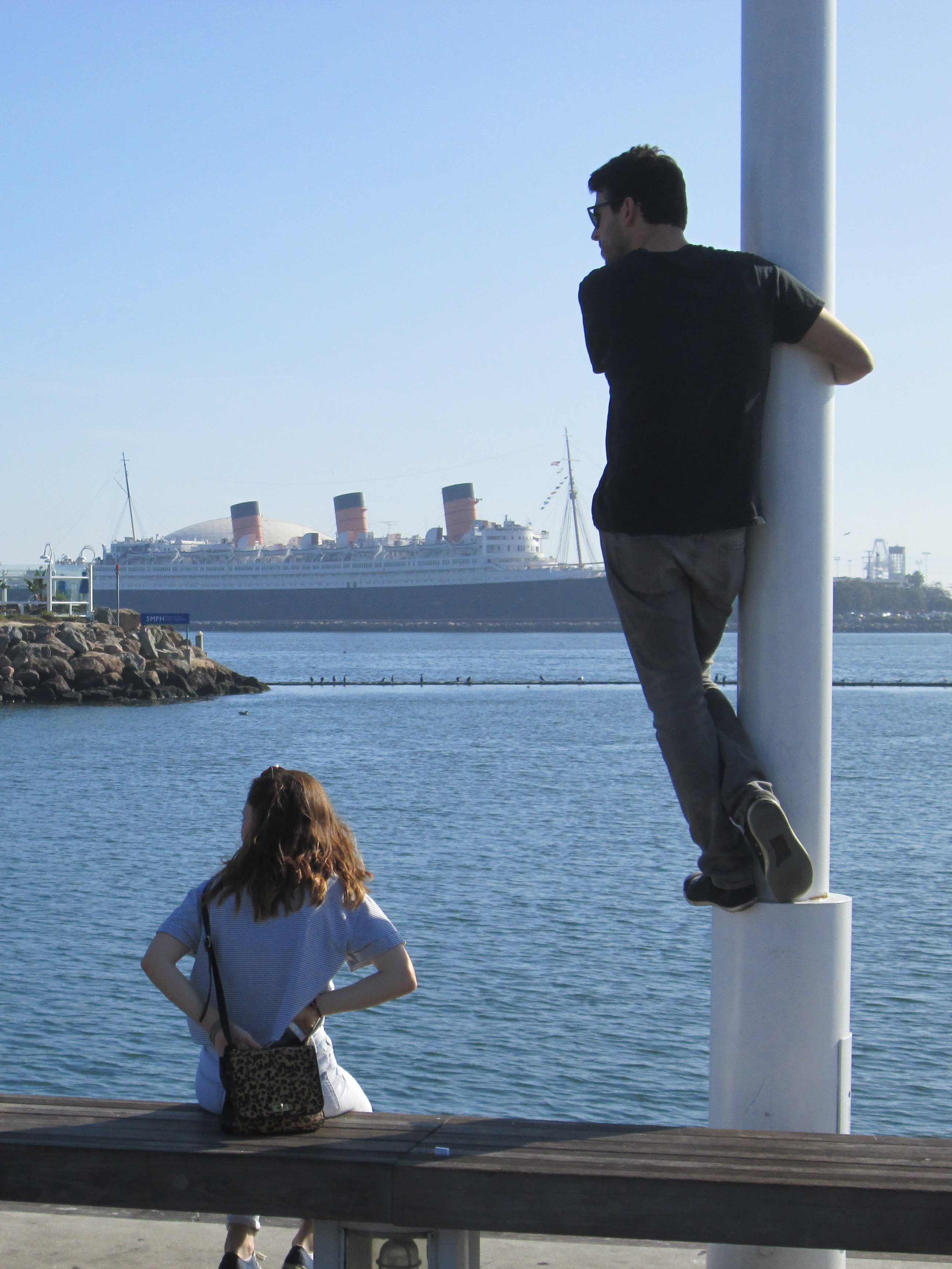
Looking Across the Harbor at the Queen Mary

Looking Across the Harbor at the Queen Mary

At least a couple times a year, Martine and I like to spend a day in Long Beach. We park the car in the Aquarium parking structure and walk on the path surrounding the yacht harbor and along the ocean, halfway to Belmont Shores. Usually, it’s in conjunction with a visit to the Aquarium, but I prefer to go there early before all the strollers armed with ankle-killing spikes show up. Today, we just enjoyed the sunshine and the nice weather.

I always like to see the Queen Mary across the harbor, always remembering that in 1937 it brought my mother back to the United States by way of Cherbourg, France, and Southampton, England. Fortunately, I was able to take her to see the ship docked in Long Beach Harbor, where she was able to tour the luxury cabins which, as a steerage passenger, she and her grandparents never had a chance to see on their passage.

The beach city has been interesting me more and more since I started reading the Long Beach Homicide detective novels by Tyler Dilts, namely A King of Infinite Space and A Long and Broken Hallelujah. (That leaves only The Pain Scale before I’ve read his entire opus.) As I wrote in his review of A King of Infinite Space:

It’s good to think that noir has a future in Southern California, where it was born under the skillful pens of Raymond Chandler and Dashiell Hammett. Tyler Dilts teaches writing at Cal State Long Beach. He comes to the genre with an extensive background and a rich frame of reference. In addition, he has such a good ear for the Long Beach area that I feel like dropping in at some of the restaurants he mentions and checking them out.

Long Beach has some nice areas; it also has some heinous slums. But then, I guess that goes for Los Angeles as well.


The World’s Greatest Epitaph

And Who, Might You Ask, Was Mel Blanc?

And Who, Might You Ask, Was Mel Blanc?

If you were born under a rock in Uzbekistan, you may not ever have heard the voice of Mel Blanc. But if you’ve ever seen a Warner Brothers Cartoon that featured Bugs Bunny, Daffy Duck, Sylvester the Cat, Porky Pig, Tweety Bird, Yosemite Sam, Foghorn Leghorn, Speedy Gonzales, Wile E. Coyote, Pepé le Pew, Marvin the Martian, or the Tasmanian Devil, you’ve heard just some of the wizardry of Mel Blanc.

Just to refresh your memory, here’s a little sample:

This afternoon Martine and I went to Hollywood Forever cemetery where many of the greats of Hollywood are buried. There you can find Rudolf Valentino, film moguls like Harry Cohn and Jesse L. Lasky, directors like Cecil B. DeMille and Edgar G. Ulmer, members of the Little Rascals like Carl “Alfalfa” Switzer and Darla Hood, and literally hundreds of Russians, Armenians, and Jews who have decided to spend a part of eternity at 6000 Santa Monica Boulevard. There is even the grave of aspiring starlet Virginia Rappe, who died of being raped at a famous party hosted by silent film star Roscoe “Fatty” Arbuckle.

But the best epitaph award clearly goes to Mel Blanc. After his death, Warner Brothers tried to find a replacement, but no one could match Melvin Jerome Blanc. He had a million voices, all of them clearly distinguishable one from the other, and they were all great.

Japangeles

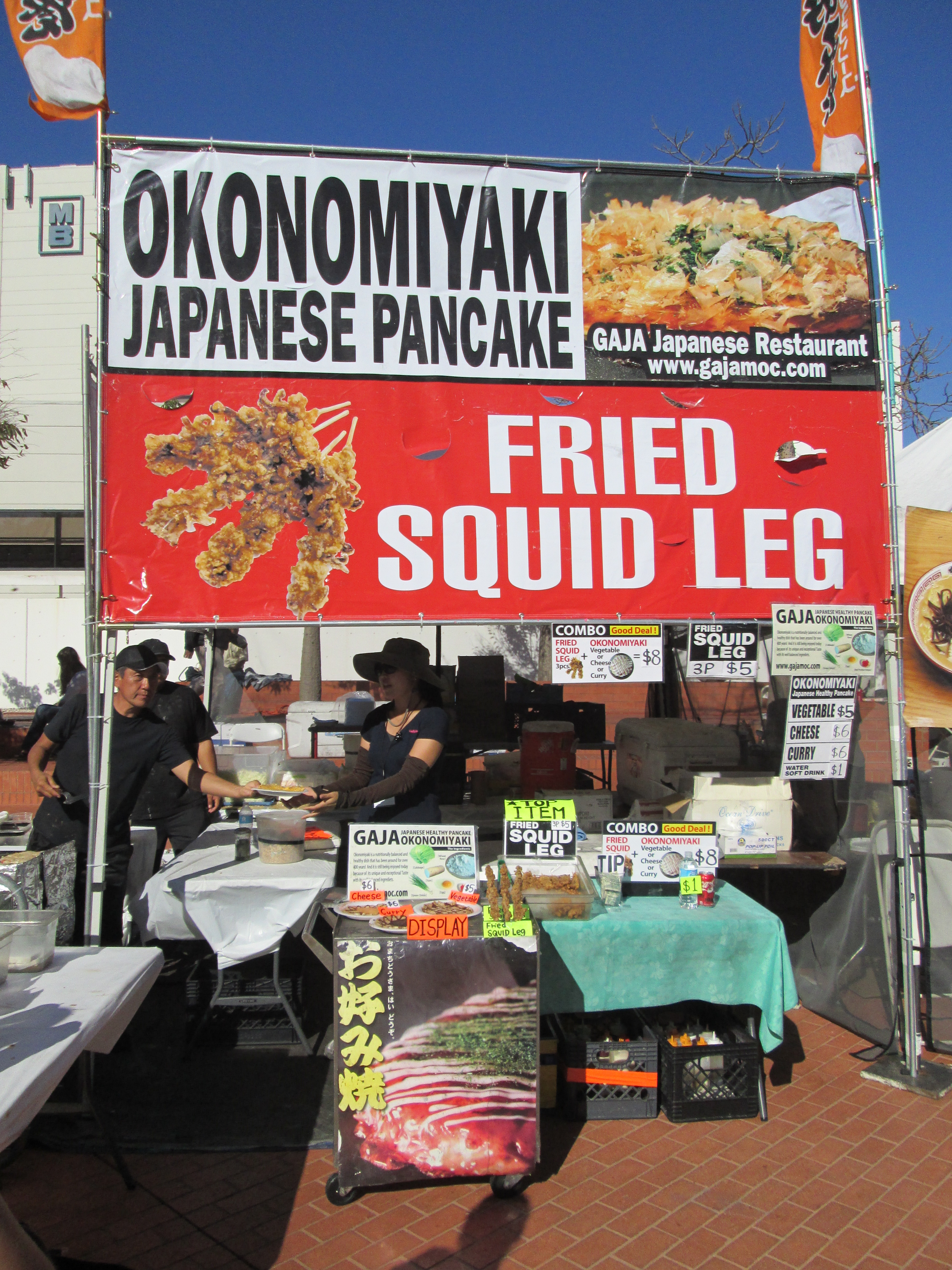
Get Your Fried Squid Legs Here!

Get Your Fried Squid Legs Here!

What I like most about Los Angeles is its rich texture of ethnicities, from the Mexicans of “East Los” to the Salvadoreños of Pico-Union to the Armenians of Glendale to the Japanese of Little Tokyo to the Russians of West Hollywood and the Koreans of Koreatown—I could go on for another four or five lines before running out of options—Los Angeles is a veritable crossroads, especially from countries bordering the Pacific.

Yesterday and today saw the first annual Japan Fair held in Little Tokyo. There was a full program of entertainment, most notably a seventeen-year-old boy who played the shamisen with the sophistication and maturity of a master. There were numerous interesting snacks, including several types of pancake dishes, which are apparently very popular in Japan.

We took the bus downtown as it cost much less than finding a good parking spot—especially as there was a sold-out Hello Kitty exhibition and convention a scant two blocks away. I did not want to mix it up with any of those Hello Kitty thugs: They are the worst!

Shamisen Player

Shamisen Player


I Only Have Eyes for You

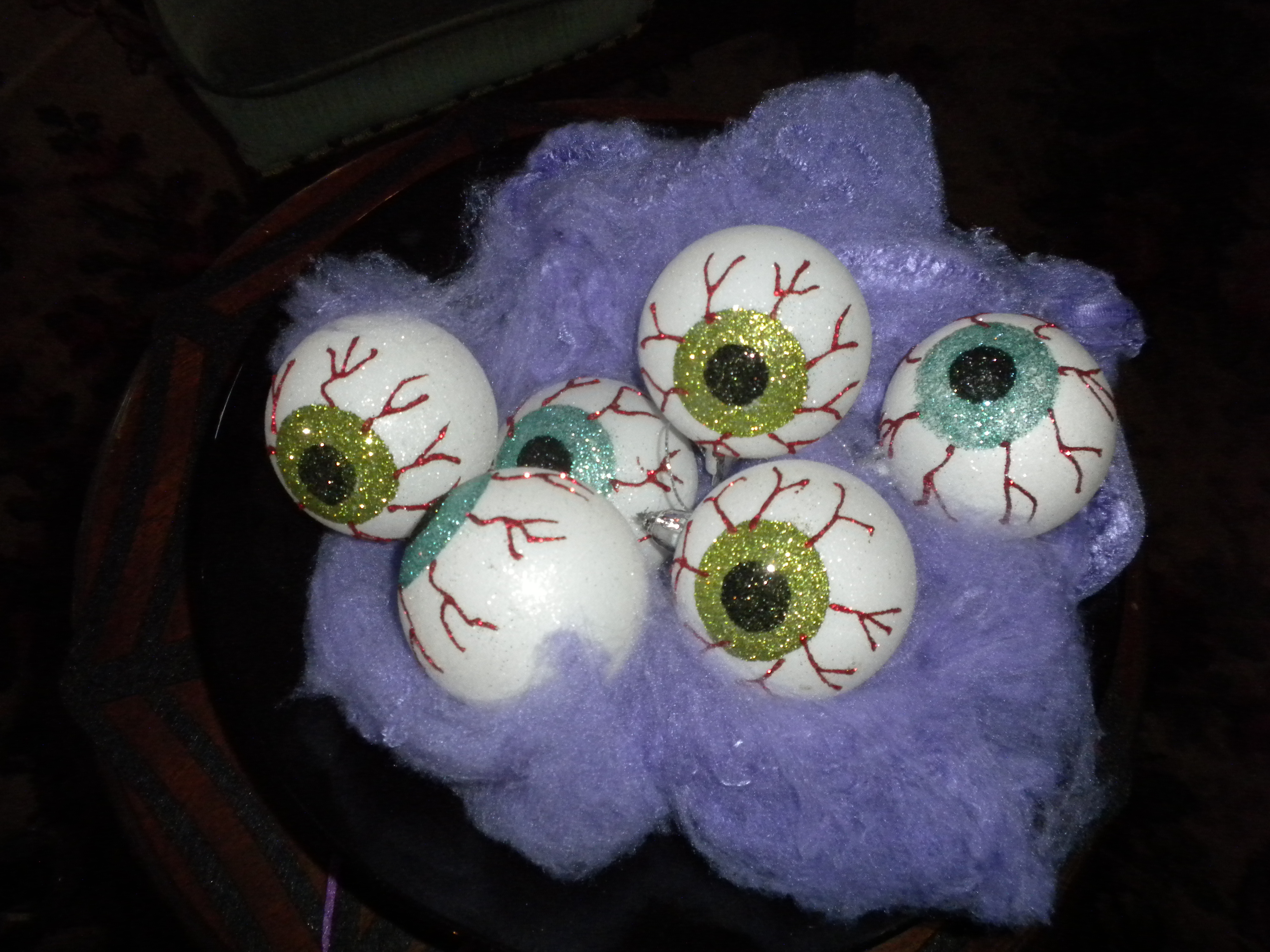
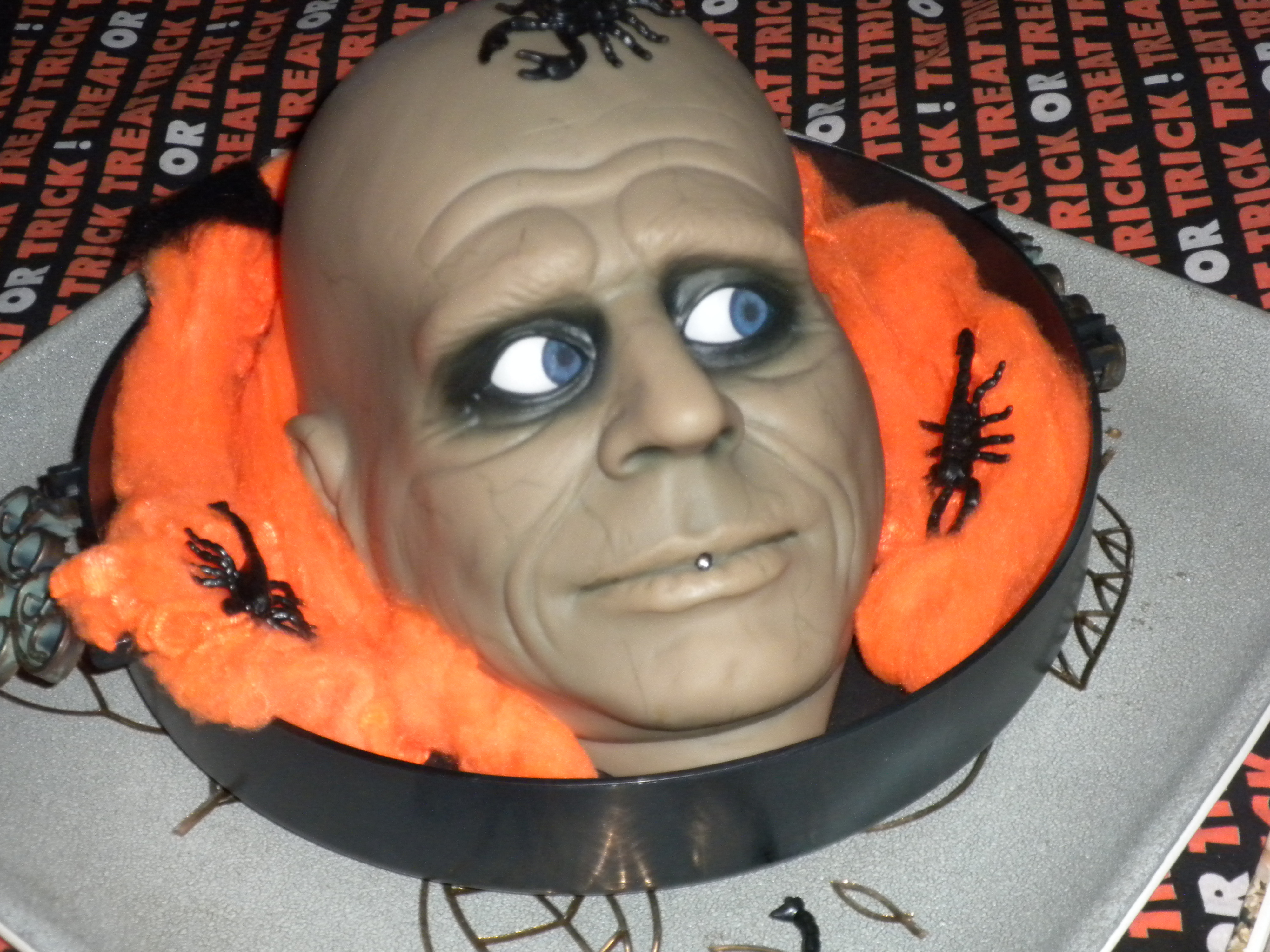
A Nice Plate of Eyeballs Pour Vous

A Nice Plate of Eyeballs Pour Vous

Yesterday’s visit to the Grier Musser Museum near downtown L.A. put Martine and me into the holiday spirit. We discovered the museum and its fabulous collection of holiday-related antiques and displays as a result of watching Huell Howser’s shows on KCET. In all, he did two shows on the museum, so we decided it was a place we should get to know better. Although the museum has displays all year round, curator Susan Tejada puts together a special show around Halloween, Christmas, and Valentines Day—with the best show being around Halloween.

Martine particularly enjoys talking with Ray and Susan Tejada over a snack of punch and cookies afterwards, one of the advantages of attending the museum’s holiday Sunday exhibits.

Heads Up!

Heads Up!

If you want to visit the Grier Musser Museum, you have to make an appointment by calling (213) 413-1814. It is located at 403 South Bonnie Brae Street in the Pico-Union Area, which is near some excellent dining such as Langer’s Delicatessen-Restaurant with its great hand-cut pastrami, Papa Christo’s Greek Restaurant and Market, and a host of world class Korean restaurants.

Somehow, the Grier Musser always puts Martine and me in a holiday mood.


K-Rails and Steel Plates

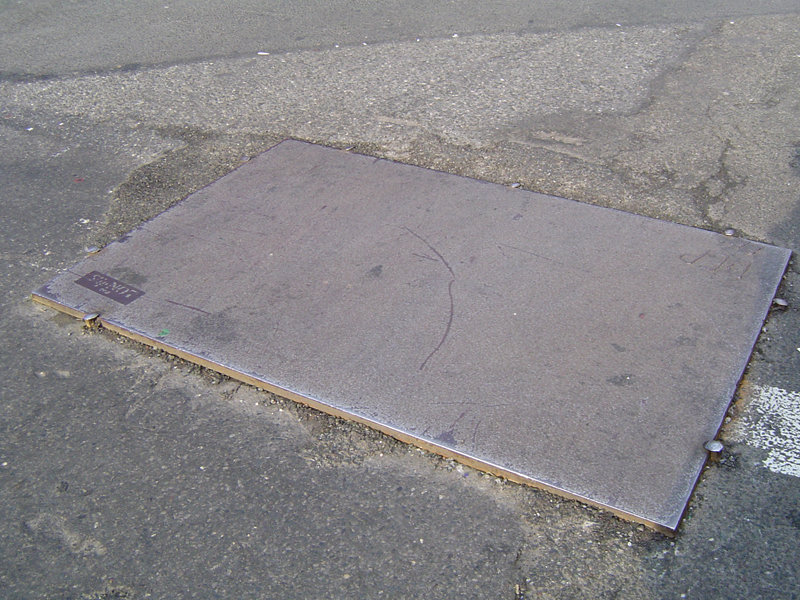
Prepare for a Bumpy Ride

Prepare for a Bumpy Ride

One of the problems with California’s apocalyptic drought of 2014 is that virtually every street is under construction—without fear of rain.Today, Martine and I visited the Grier-Musser Museum near downtown. On the way home, we must have run over two hundred steel plates on Wilshire Boulevard, Beverly Drive, Fairfax Boulevard, and Santa Monica Boulevard. These were accompanied by perhaps a mile or two of K-Rails (known in the East as Jersey Barriers).

K-Rails a.k.a. Jersey Barriers a.k.a. Concrete Barriers

K-Rails a.k.a. Jersey Barriers a.k.a. Concrete Barriers

Now that California is beginning to recover from the Great Recession of 2008, driving the streets of Los Angeles is like going back to the early days of motor cars, with the roads being in a constant state of disrepair.

El Pueblo de Los Angeles

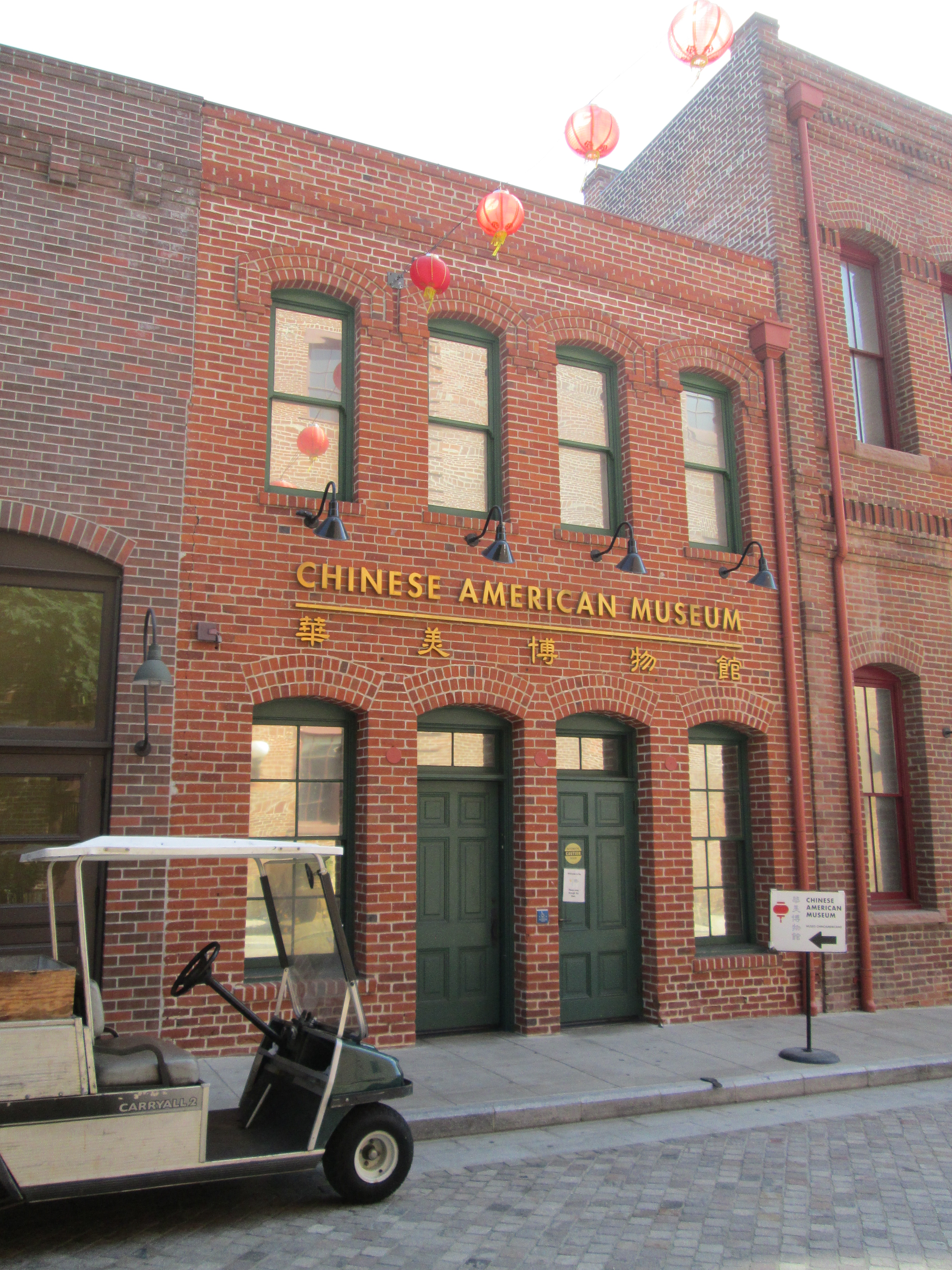
The Chinese American Museum on North Los Angeles Street

The Chinese American Museum on North Los Angeles Street

The City of Los Angeles got its start in a large block bordered on the north by Cesar E. Chavez Ave, on the east by Alameda Street, on the south by Arcadia Street, and on the west by North Main Street. The area is variously referred to as the Plaza de Los Angeles, Olvera Street, and sometimes as El Pueblo de Los Angeles. It is in this block that two of the city’s ethnic populations are commemorated, the Mexicans on Olvera Street, and the Chinese at the Chinese American Museum.

Martine hasn’t feeling too well lately, so I proposed we take a slightly low-energy visit to the Chinese American Museum. We started by eating at Las Anitas on Olvera Street, where Martine had a plain Pollo a la Plancha and a corn tortilla, while I had Chile Rellenos and Jamaica (a tasty hibiscus flower drink, pronounced hah-MYE-kah).

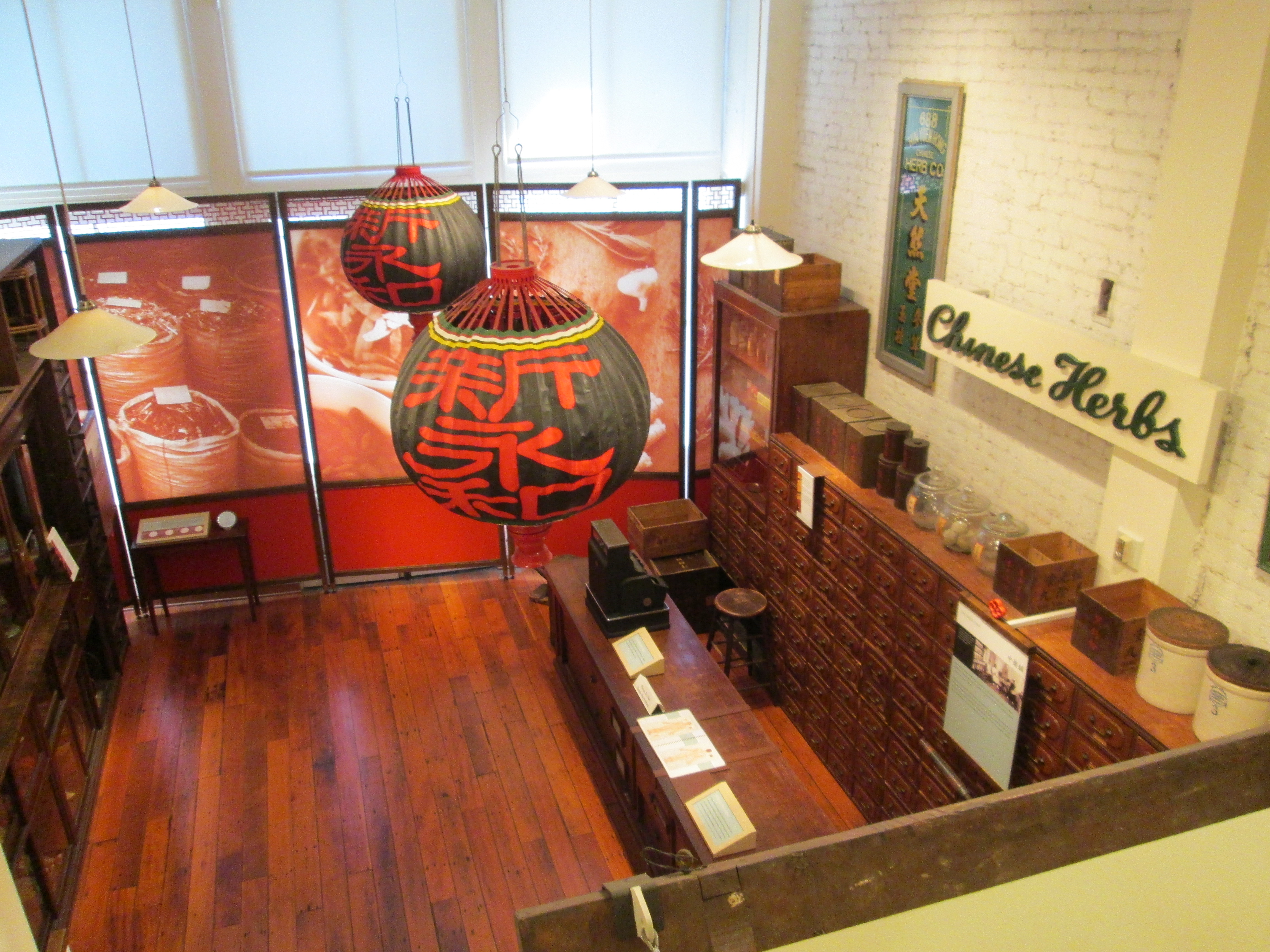
Then we strolled around the museum, which told of the Chinese struggle to find acceptance in a racist America. In addition to exclusionary laws forbidding more of them to immigrate, there were laws on the books forbidding them to own property or to marry with other races. This was rather difficult, as in 1852 there were 20,000 Chinese immigrants, of which only 17 were women.

Below is a photo of the replica of the Sun Wing Wo General Store and Herb Shop within the museum:

Sun Wing Wo General Store and Herb Shop

Sun Wing Wo General Store and Herb Shop


After visiting the museum, we also had time to see the 1884 Plaza Firehouse (the oldest in L.A.) and Union Station, where I arrived on the El Capitan from Chicago at the end of December 1966 to begin my sojourn in this city.

The Deal

Dancers from Karpatok

Dancers from Karpatok

The deal was made at some point before I was born. Because my father was a Roman Catholic Slovak and my mother was a Protestant adhering to the Calvinist Hungarian Reformed Church, my parents decided that any boys in the family were going to be Catholic and any girls, Protestant. As it happened, there were two boys born to Alex and Sophie Paris, my brother and I.

We were a religiously tolerant family: My father (occasionally) went to Mass, and my mother (occasionally) listened to the Reverend Csutoros’s weekly radio program and his sonorous sermons.

So what am I today? In Peru, I was a Catholic. Here in Los Angeles, I am evenly torn between the Hungarian Reformed Church—in honor of my mother—and the Greek Orthodox Church. Wherever I go, I find God.

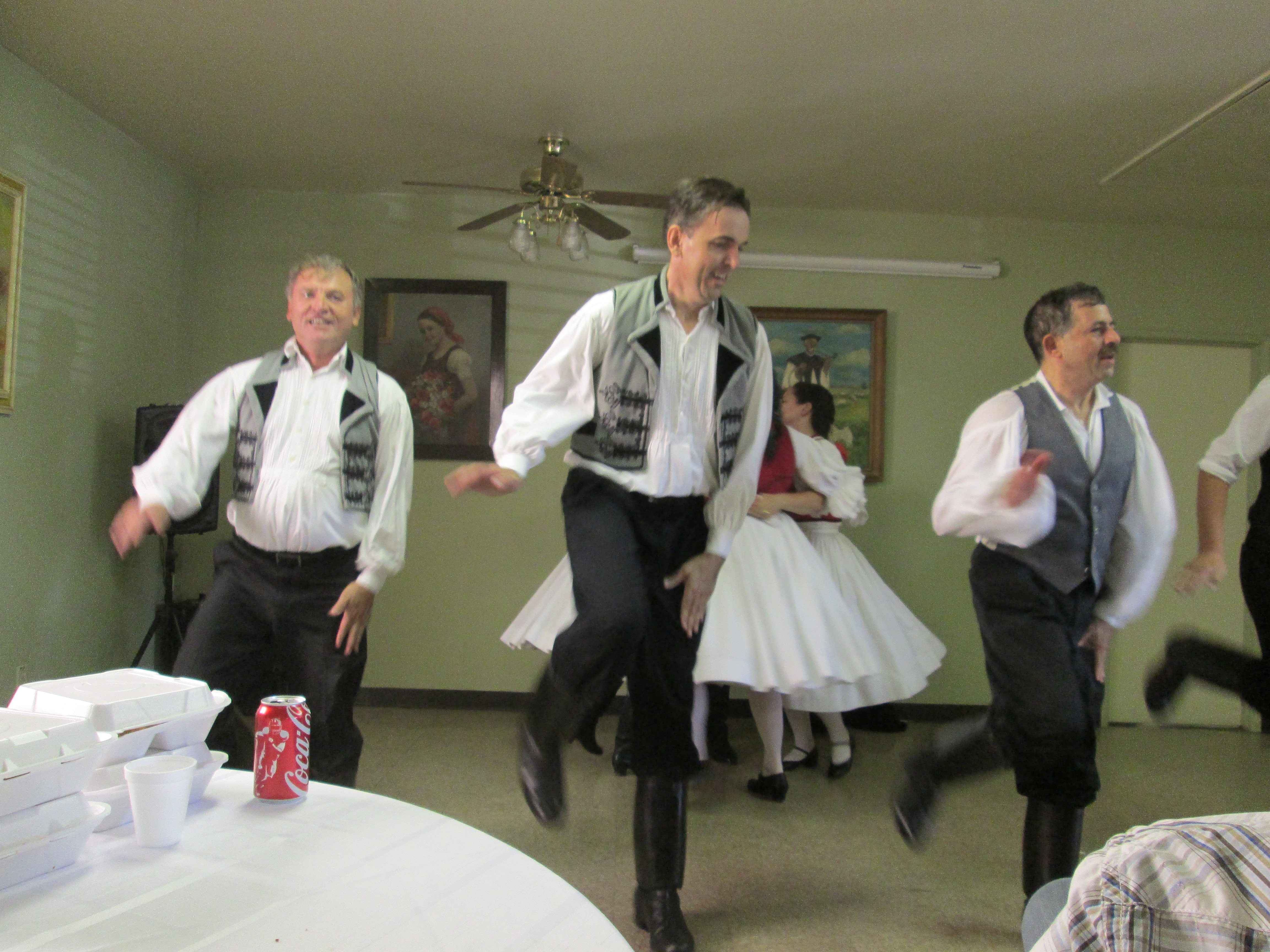
Today, Martine and I attended the church fall bazaar at the First Hungarian Reformed Church of Los Angeles in nearby Hawthorne. We had some good Magyar home cooking, renewed our friendship with several families active in the church, and listened to the usual excellent program of music and dance. Present were members of the Karpatok Hungarian Dance Ensemble (shown above) who put on the usual spirited performance.

It is good to be a Hungarian from time to time, to speak the language of my youth with some good people and share a few hours with them.