Favorite Films: Out of the Past (1947)

Robert Mitchum and Jane Greer in RKO’s Out of the Past

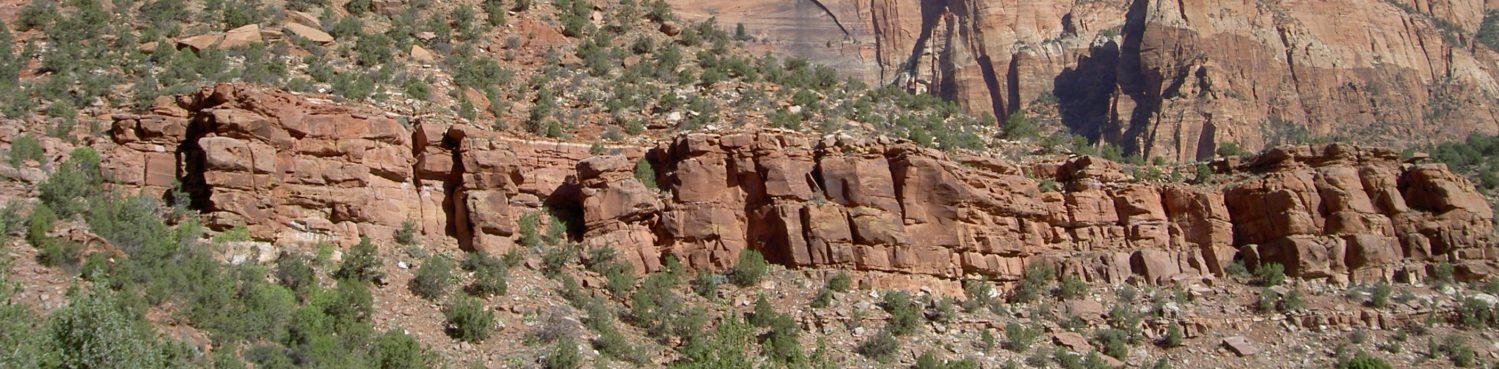
It seems the most unlikely place to open one of the greatest film noir productions that Hollywood ever made: the bright sunny town of Bridgeport, California, within view of the Eastern Sierras. (But then, didn’t Warner Brothers’ High Sierra end up with Humphrey Bogart’s death in the same general area?)

I have seen Jacques Tourneur’s Out of the Past approximately half a dozen times now and am nowhere near tired of the film. It contains early performances by Robert Mitchum and Kirk Douglas, and a sockdollager femme fatale performance by Jane Greer. Jane would have had a brilliant career if Howard Hughes hadn’t fallen in love with her and gotten the brush-off when she married someone else: She remained on contract to RKO, but she was not chosen for many roles.
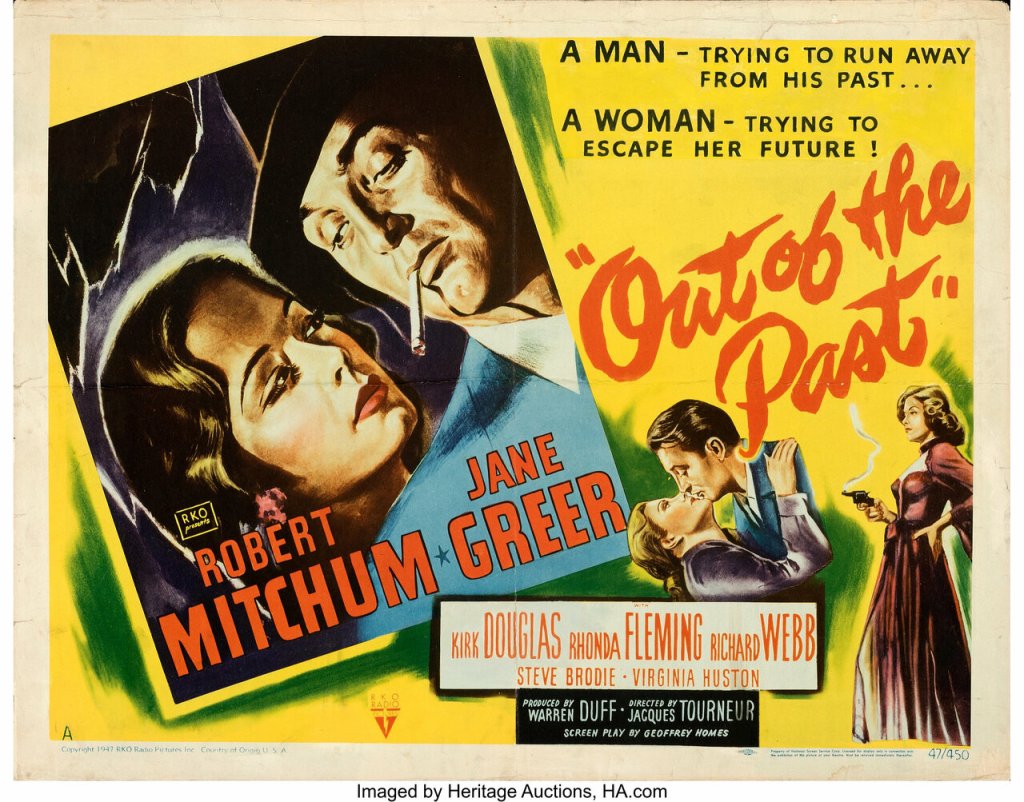
The plot concerns a gas station operator in Bridgeport who has, in the past, worked for a sleazy gangster played by Kirk Douglas. Though he changed his name and disappeared to a small town, Douglas has him tracked down and sucks him into his criminal schemes. In this, he is abetted by the devious Jane Greer, who, it seems, is unable to tell the truth, even when she and Mitchum fall for each other.

It’s strange that so soon after the glorious victory of World War Two by the so-called Greatest Generation, Hollywood produced so many great films noted for their pessimism. And this is one of the most pessimistic, with the message that if you should stray ever so slightly off the straight and narrow path, you are an irredeemable goner.

This is a film that never grows old. I may have aged since the first time I viewed it, but the film is still as fresh as an Eastern Sierra field full of wildflowers.
VTAC

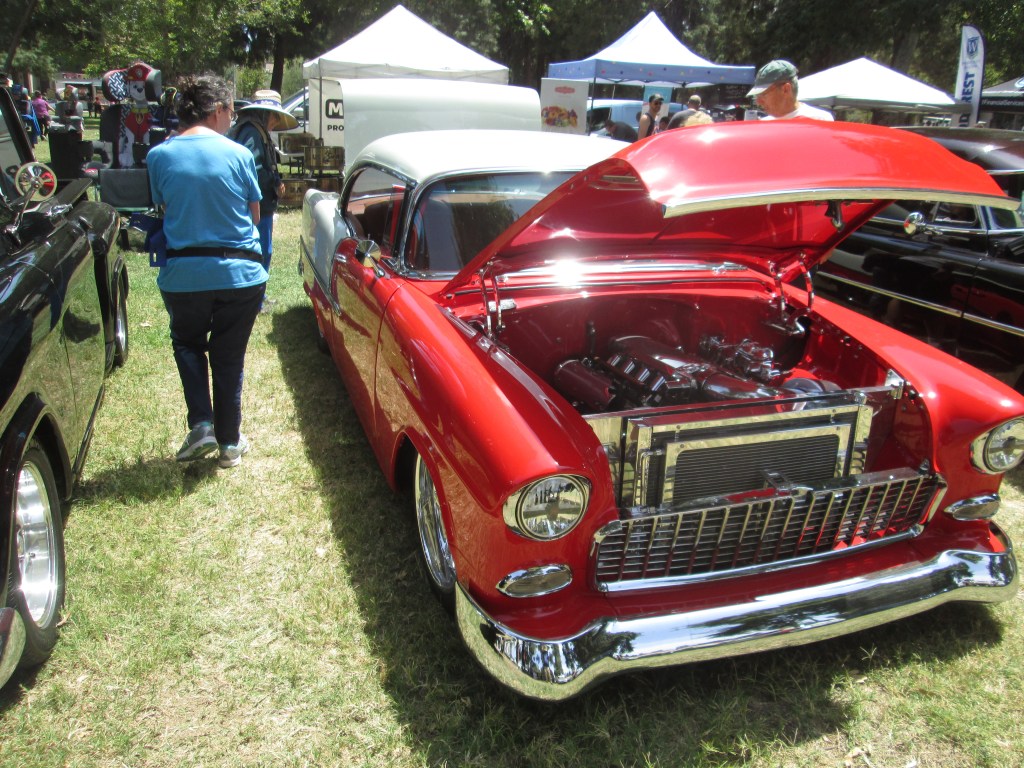
Today, Martine and I went with our friend Jeanie to the VTAC Car Show at Warner Center Park in Woodland Hills. VTAC is short for the Valley Traffic Advisory Council, an agency of the Los Angeles Police Department. In addition to various police vehicles, such as a police helicopter, several search-and-rescue vehicles, and a K-9 unit, there were hundreds of mostly classical Detroit cars that were immaculately polished and cared for by their collector/owners.

Although the weather was cool and cloudy near our West LA apartment, Woodland Hills was sunny and warm—but fortunately not hot. We strolled around for a couple of hours talking to police officers and car owners.

Poster for the Car Show

One positive aspect of Los Angeles’s car culture is that there are a lot of car shows around the city, and even a number of automobile museums. And now during a time when so many cars look alike, it is amazing to consider that for many years the design of automobiles was like a fine art. I love my Subaru Forester, but it won’t win any beauty contests, as good a car as it is.

New Uniforms for the Uvalde TX Police

Yes, Pink Tutus Would Be Perfect!

As the NRA has claimed so often, the best way to stop a bad guy with a gun (BGWG) is with a good guy with a gun. Well, the cops in Uvalde, TX were supposedly good guys with guns (GGWG), but instead of breaking the door down, they cowered in safety while a BGWG wiped out a classroom full of elementary school students plus two teachers for good measure.

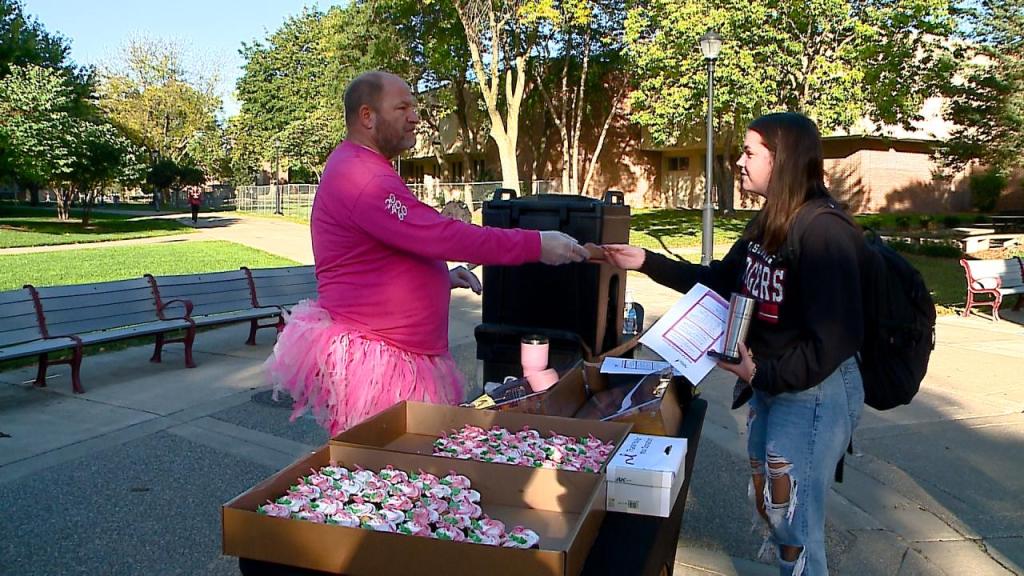
Well, it’s time to get new uniforms for the Uvalde cops. How about pink tutus with a matching pink cowboy hat? Maybe their squad cars should also be painted pink. Mind you, I have nothing against the color pink, but I think those gentlemen would—and it would make them think. (Hell, I could have thrown in a yellow stripe down the back, but pink and yellow don’t match).

After listening to the right wing media blame everything but guns for the shooting, I seriously wonder whether the NRA enthusiasts of Texas have a screw loose in their noggins.

WW2-Land

The USS Arizona Memorial

It’s a strange feeling to be standing on the Arizona Memorial at Pearl Harbor. Beneath your feet is a sunken battleship in which 1,277 sailors are interred. That is roughly half the total U.S. casualties from the Japanese attack on Pearl Harbor.

The island of O’ahu has numerous military and naval bases, roughly 21% of the total land area. That includes not only Pearl Harbor itself, but Fort De Russy on Waikiki, Schofield Barracks, Hickam Air Force Base, Dillingham Field, Fort Shafter, and a whole host of others.

In fact, if there is anywhere on American soil that is a center of World War Two commemoration, it would have to be O’ahu. There have been at least four films made about the attack:

  • From Here to Eternity (1953) with Burt Lancaster and Montgomery Clift
  • Tora! Tora! Tora! (1970) with an American and Japanese Cast
  • Pearl Harbor (2001) directed by Michael Bay
  • Midway (2019), which begins with the attack on Pearl Harbor

There have also been numerous books on the subject. (And there still continue to be.) No doubt about it, America is still stuck on WW2.

When Martine and I visit Honolulu later this summer, we will spend a day going over all the exhibits and taking the shuttle over to the Arizona Memorial, as we did back in 1996. No doubt a lot has changed since then.

70 Years Ago

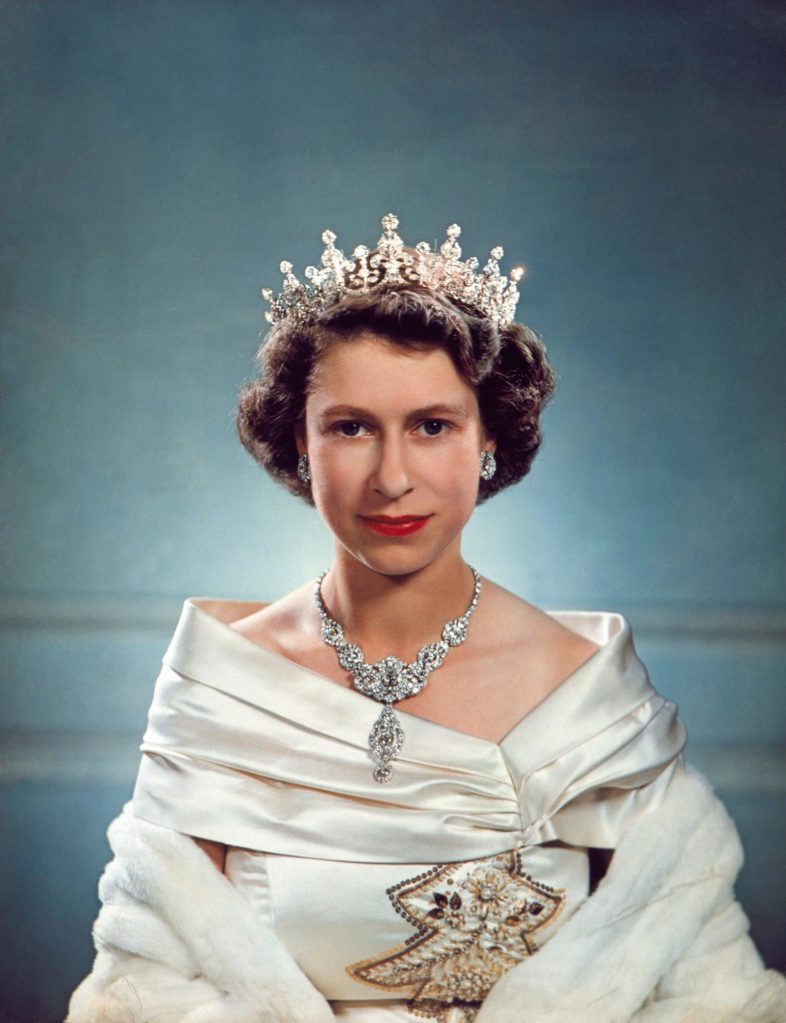
British monarch HM Queen Elizabeth II, then Princess Elizabeth, pictured in 1951. HM is wearing a priceless Cartier necklace, a wedding present from the Nizam of Hyderabad, a king in India. © Yousuf Karsh

The year 2022 represents the 70th anniversary of Elizabeth II ascending the throne of England. In the language of the media, it is her Platinum Jubilee.

I remember watching TV when Princess Elizabeth was crowned Queen of England. I was a seven-year-old boy at the time, and I was amazed that the pretty lady was so high and so mighty. And, no doubt about it, the young Queen Elizabeth II was a “looker.”

Even though now she is weighted down by the intervening years, and the tragedies that inevitably mar any long life. She had to deal with the deaths of Princess Diana and of her husband and consort, Prince Philip, the Duke of Edinburgh.

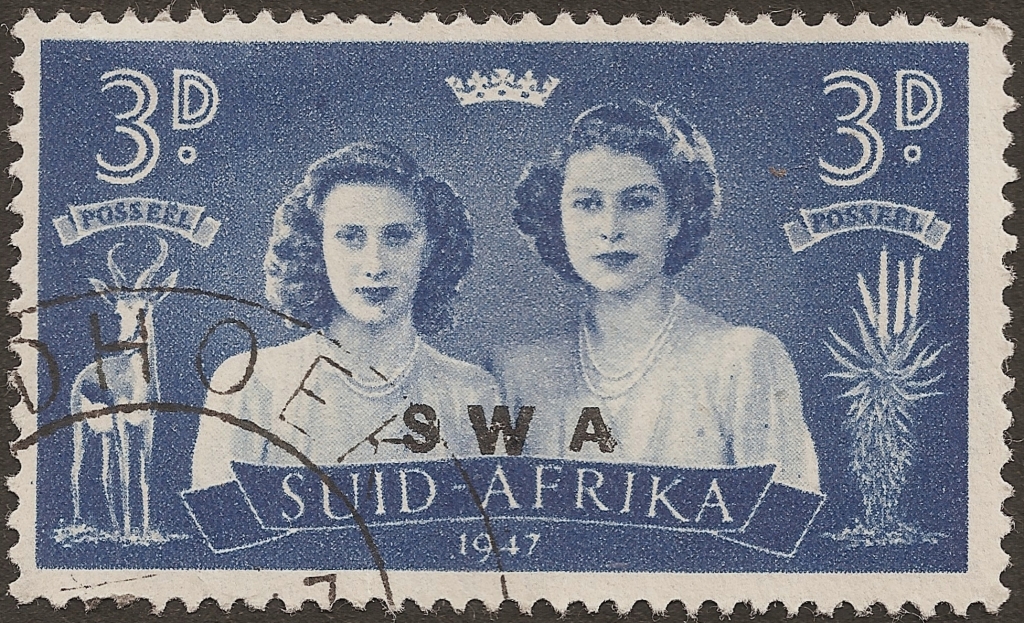
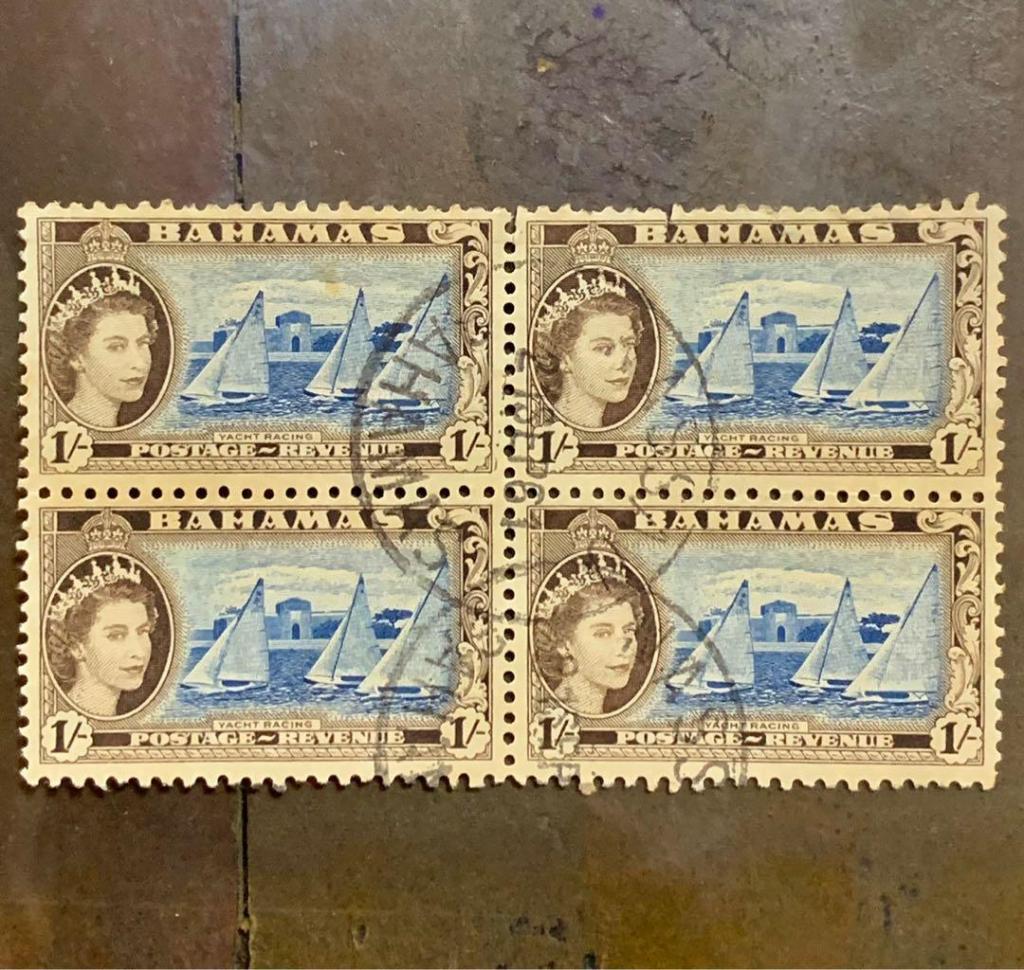
So I will choose to remember her as a pretty young lady. At the time, I was an avid stamp collector. Because of the young queen’s beauty, I was drawn to British colonial issues, which usually included at least an inset portrait of the queen, unless they went whole hog with the queen and her sister, as in the following South African stamp:

The above stamp actually predated the coronation by five years. Princess Margaret is the royal on the left. More typical is the Bahamas stamp shown below, which looks to be a 1950s issue:

Whatever happens in the next few years. the reign of Elizabeth II has been a real boon for England—even at a time when it was shedding its colonies. Perhaps, in the long run, the massive expense of the royal family will have been worth it for its symbolism alone.

By Their Fruits Ye Shall Know Them

White Peaches—Yum!

What I like best about the summer months are the fruits that are available in the markets. By the end of May, I get very tired of apples and oranges and look forward to the arrival of peaches, apricots, and cherries. The apricots and cherries are available for only a short time, but the peaches last until the end of August or the beginning of September.

I particularly love white peaches. At this point of the year, they are not quite freestone, but they are delicious even if you have to cut around the stones.

Every day, I try to eat two or three different types of fruit. The most frequent are limes, which I squeeze into my hot and iced tea. Occasionally, I squeeze a lime into a glass, fill it almost to the top with water, and finish it off with a glug of tequila. Few drinks are as refreshing on a hot day.

In really hot weather, I make a pitcher of iced tea with lemon, a little dark rum, and several packets of artificial sweetener.

Later in the summer, the peaches become easier to divest of their stones, and tasty plums of different varieties become available. In September, I regret the passing of the summer fruits and look forward to fuyu persimmons. After persimmon season, it’s strictly apples and oranges until strawberries become available in February.

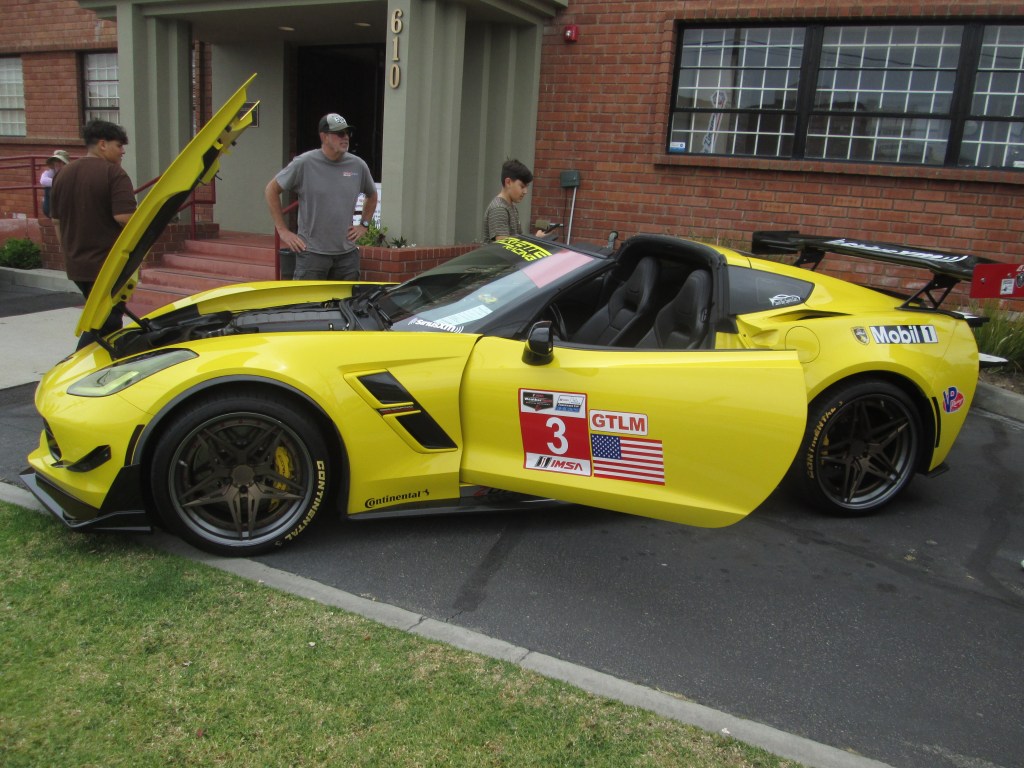
Classic Corvettes

On Saturday, Martine and I went to the Zimmerman Automobile Driving Museum (ZADM) in El Segundo. Martine has always loved Corvettes, especially the classic models of the 1960s.

There were over sixty Corvettes on view, surrounded by Corvette aficionados and the cars’ affable collector/owners. Martine loved talking to the owners about how much she hates bucket seats, and how they should bring back bench seats. That’s not terribly likely to happen because, as one of the owners remarked, you need bucket seats if you are racing on a slalom course (which is not something Martine is likely to do).

The ZADM has become a meeting place for collectors with show cars of various models. I(n a couple of weeks, they will have another show on B-Body cars, which were manufactured by GM originally for Buick and Oldsmobile before spreading to their other makes and models.

A Tricky Language

Children learning their native language in Hawaii don’t study their ABCs. For one thing, there is no “B” or “C” in the Hawaiian alphabet. In fact, their are only twelve letters in all—the same five vowels we have and seven consonants. Then, too, there is the okina, or glottal stop, which looks like a single apostrophe. You can see it in the above illustration next to the Hawaiian flag.

The sparseness of the alphabet could be the reason there are so many long words in the language. For instance, my favorite Hawaiian singer, the late Israel Kamakawiwo’ole has a name that is virtually unpronounceable to us haoles (i.e., mainlanders). When Bruddah Iz, as he was called, died in 1997 at the age of 38, he was well over 700 pounds. The flag of Hawaii flew at half mast—the only non-governmental-official to be so honored. He had the voice of an angel. I own several of his albums on CD and regard them among my most treasured possessions.

As a rare treat, here is Iz singing “Somewhere over the Rainbow”:

The video also shows his funeral, when his ashes were scattered in the Pacific.

Here are just a few Hawaiian street and neighborhood names in Honolulu. Imagine trying to pronounce them aloud to a native after you’ve had a few drinks::

  • Kaka’ako
  • Kekeaulike
  • Kalakaua
  • Kawaiaha’o
  • Nu’uanu
  • ’Aihualama
  • Pu’uohi’a
  • Likelike
  • Kapahulu
  • Kapi’olani

Sadly, the Hawaiian language is endangered, with most natives reverting to Pidgin, which I discussed in an earlier post.

The Burnt Orange Decade

Doesn’t It Seem the Whole Decade Was Orange?

Whenever I look back at the 1970s, it seems to me that everything was orange, burnt orange, or orange brown. There was also a kind o bold gaucherie in the fashion designs, from oversized collars for men to those ridiculous Bob Mackey dresses designed for the Carol Burnett Show.

I still watch reruns of the Carol Burnett Show from time to time on the ME Channel, especially when Comedy Central isn’t running new episodes of Trevor Noah in The Daily Show. I do it despite the fact that I will be inundated with ads for “Ask Your Doctor” prescription medications targeted at the elderly audience.

In general, I didn’t like the 1970s very much. Nixon was in the White House. It seemed all the hopeful promise of the 1960s was turning to a burnt orange shade of conformity. Some of the music was still good, but it seemed that the Silent Majority had won out.

At least the fashionable color wasn’t pink.

Hawaiian Cuisine

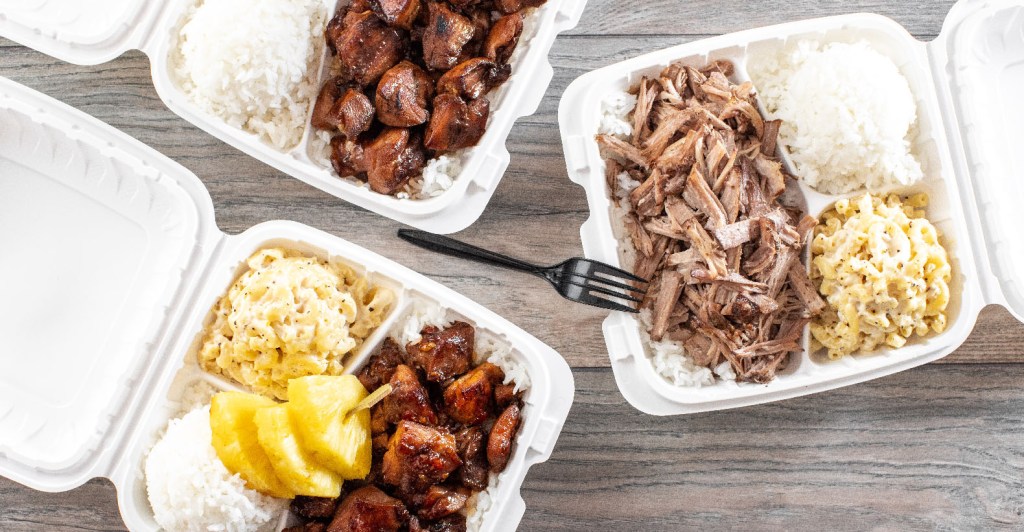
Three Typical Hawaiian Plate Lunches

There is more to Hawaiian cuisine than the simple “plate lunch,” but it is as typical for Honolulu as Hamburgers and French Fries are on the mainland. Typically it consists of:

  • A meat serving, such as kalua pork in the meal on the right
  • One or two scoops of plain white rice
  • Macaroni salad

What you don’t see is a salad. You get meat and a ton of carbs. Usually it tastes pretty good, but it drives haolies (mainlanders) nuts not to see their favorite grindz (food) on the menu. So many of them stick to hotel restaurants that cater to their expectations.

Oh, yes, there’s also poi, made from taro leaves.

Actually, poi is supposed to be very nutritious—even if it resembles slimy purple goop. I’ve never had any, but promise to sample some when Martine and I go to Honolulu later this year.

There are several other Asian cuisines that are part of Hawaiian food, especially Japanese and Chinese, with a hint of Portuguese in the form of their excellent linguica sausage.

Since Martine flat out doesn’t like Chinese food, and will only eat one or two Japanese dishes, I suspect we will eat mostly plate lunches (but no poi for her) or whatever mainland American chow she can find, even hamburgers and fries.