Hill Street Blues

I Am Talking About the Real Hill Street—Not the One from the TV Series

I Am Talking About the Real Hill Street—Not the One from the TV Series

Basically, I should have stayed in bed. I have one of those nagging, persistent summer colds characterized by a raw throat and coughing. Still, I decided to go downtown to the Central Library, have lunch at the Grand Cenral Market, and even stop in at the Last Bookstore at 5th and Spring.

It all started as our train approached the second last stop before getting to the 7th Street Metro Station. We were all let out some 15 blocks south of our final destination because a train from either the Blue or Expo Line was stuck in the tunnel. By the time I got to the Pico Boulevard station, I noticed that the trains were running again; so I boarded and made it all the way to the 7th Street Metro Station.

So far, not too bad. Then, after stopping at the bookstore, I took the Dash bus to Union Station. Instead of boarding the Santa Monica #10 Freeway Bus, I decided at the last minute to take the Red Line subway to 7th Street Metro and transfer to the Expo Line. But that was not to be. As the Red Line approached the Pershing Square Station, an announcement was made that because of “police activity,” the Red Line would not be stopping at 7th Street Metro.

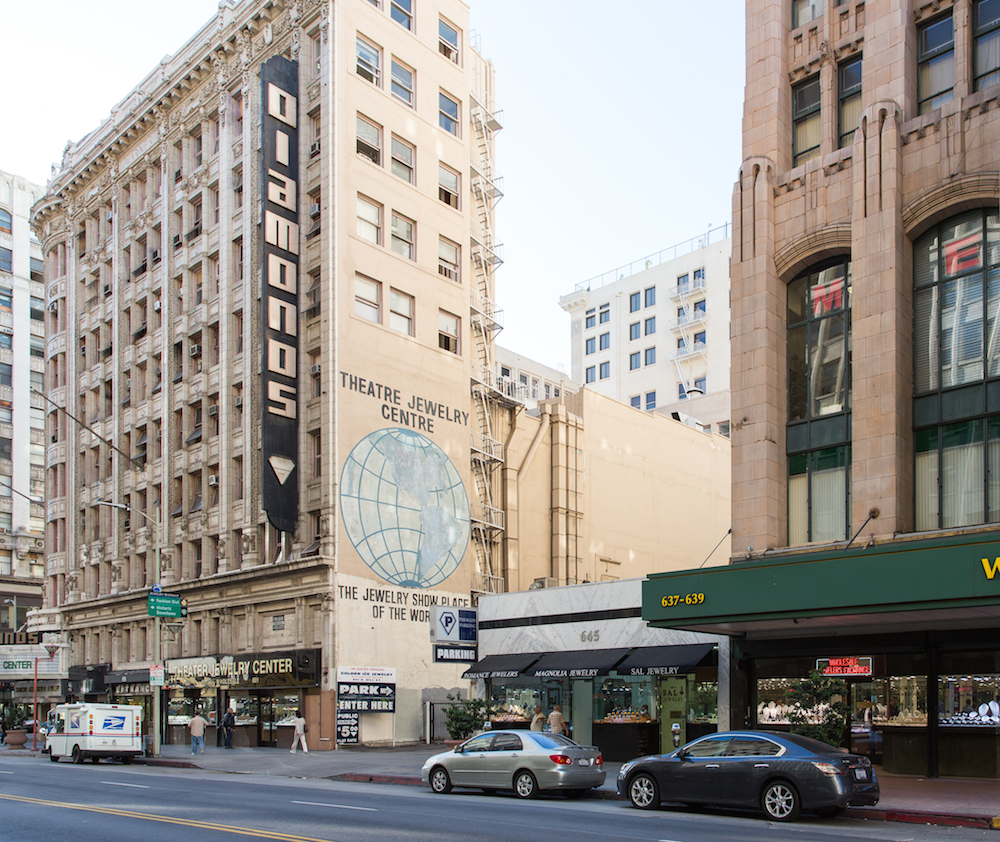
I jumped off at Pershing Square and trudged several blocks south on Hill Street, even as I felt my sore throat becoming rawer and more insistent. When I got to 7th Street Metro, I saw that the whole area was cordoned off by the LAPD and that included the Metro Rail station.

That precipitated the second part of my afternoon trek. I knew that the Santa Monica #10 bus would have to make a detour around the police cordon, so I walked down to Grand Avenue and 9th Street, where I waited … and waited … and waited. Finally, a bus came and I got on, actually getting a seat, and made it home about an hour and a half later than when I planned—and in rush hour traffic.

When I searched the Internet for the nature of the police action, I discovered that someone had left an unattended package in the station, probably some homeless person jettisoning a part of his junk load. It figures.

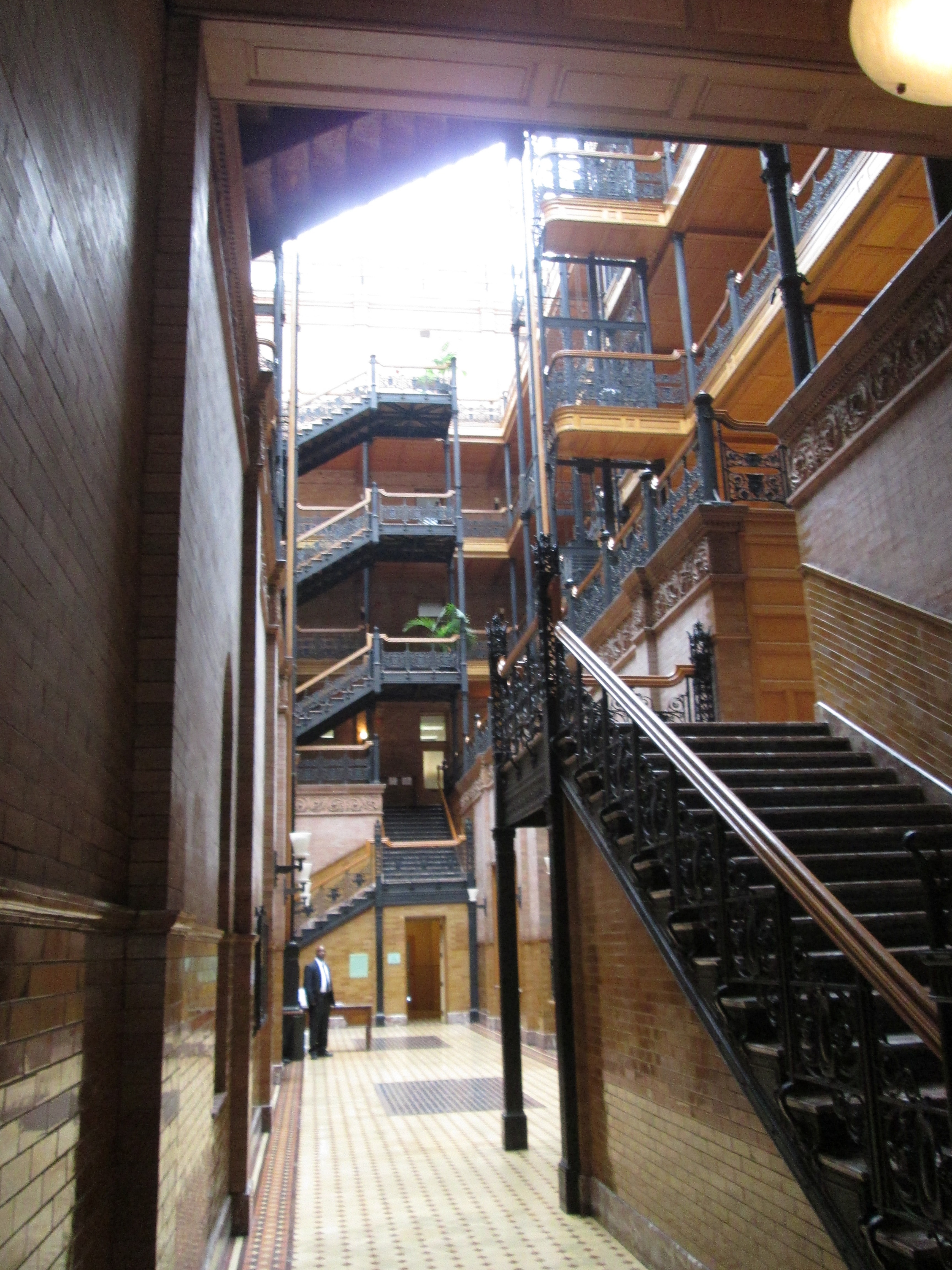
The Bradbury

The Replicant Pris in Blade Runner

The Replicant Pris in Blade Runner

The Bradbury Building at 304 South Broadway has a list of Hollywood credits that would do any shooting location proud:

  • Blade Runner (1982) is the most famous, where it serves as J. F. Sebastian’s apartment where the replicant Pris catches up with him.
  • Shockproof (1949)
  • D.O.A. (1950)
  • I, the Jury (1953)
  • M (the American remake, 1951)
  • Good Neighbor Sam (1964)
  • Marlowe (1969)
  • Chinatown (1974)

That’s just to name a few of the movies shot there. There were also numerous made for TV movies and television programs set there.

Interior of the Bradbury Building

Interior of the Bradbury Building

Last Thursday, Martine and I stopped in to visit the 1893 office building, which is still filled with business tenants. Because of that, tourists are limited to the ground floor atrium and the first landing on the stairs leading to the upper floors. No matter: It took no time at all to see that the Bradbury is one of Los Angeles’s architectural treasures.


Grand Central Market

Lunch at L.A.’s Grand Central Market

Lunch at L.A.’s Grand Central Market

The description below is from Eve Babitz’s Eve’s Hollywood:

At the bottom of Angel’s Flight [a funicular that no longer exists], you turned right and went a block and came to Central Market. This market covered an entire city block and had entrances on two streets at either end, Hill and Broadway, I think. In Central Market there are about 50 stalls. Unlike the Farmers Market [at 3rd and Fairfax], where tourists and Angelenos get cheerfully gypped daily, Central Market sells fresh produce and fresh fish and every kind of edible that could appeal to any faction of population minority that is in L.A., cheap. It’s like Baghdad [without the improvised explosive devices (IEDs)].

That was written more than forty years ago. Now there’s a heavy Mexican food presence, which is AOK with me.


Books Are Dangerous

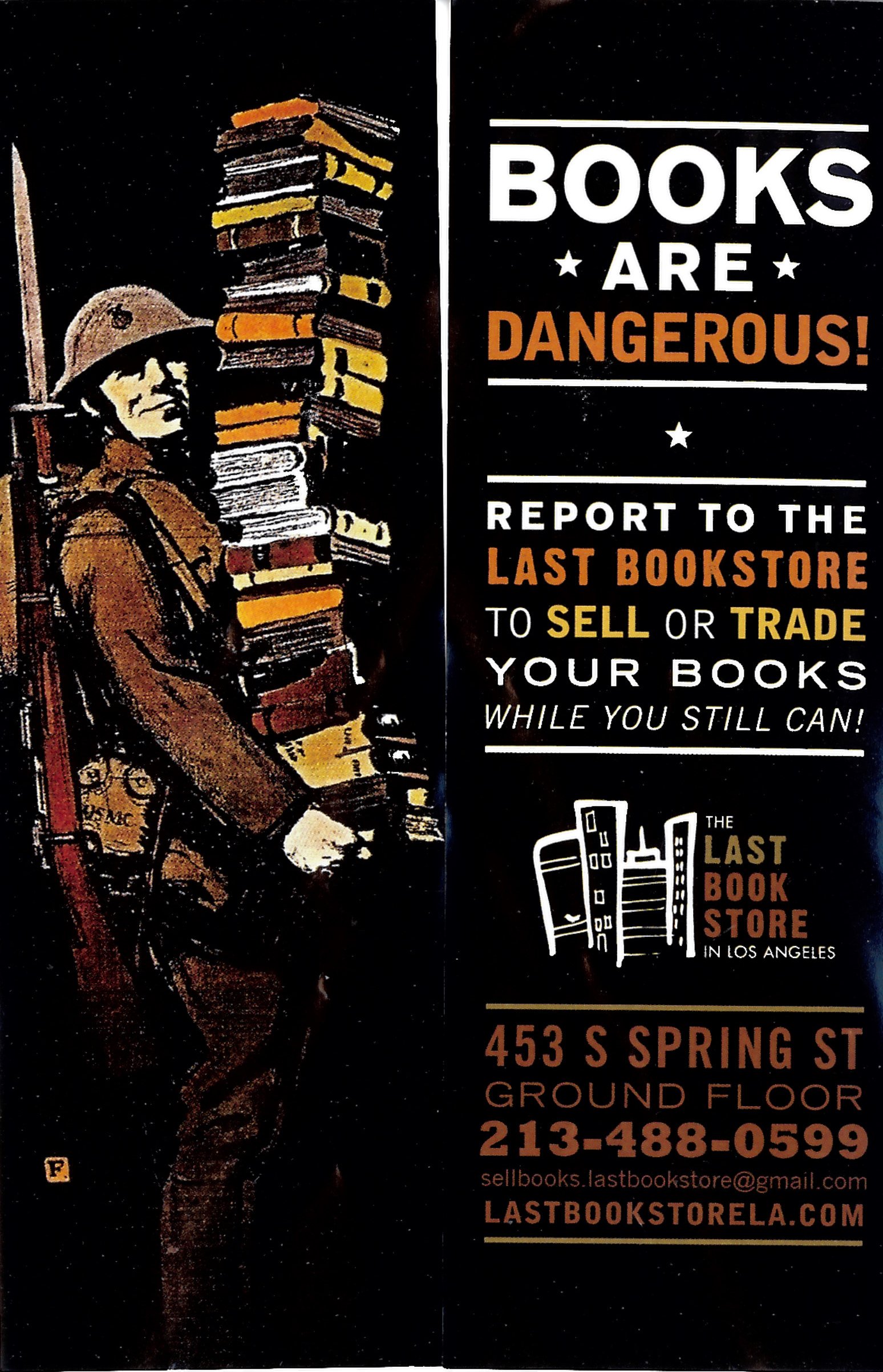
Bookmarks from The Last Bookstore

Bookmarks from The Last Bookstore

The wording is ominous:

Books are dangerous!
Report to The Last Bookstore
To sell or trade your books
While you still can!

Founded in 2005, The Last Bookstore claims to be California’s largest bookstore, and it may very well be. “What are you waiting for?” its website asks. “We won’t be here forever.”

This is what I call a Filboid Studge marketing campaign, based on the Saki short story entitled “Filboid Studge: The Story of a Mouse That Helped.” I’ve included a link because the story is very short and outrageously hilarious.

The bookstore at the corner of West 5th and Spring Streets in Downtown Los Angeles was one of the highlights of yesterday’s safari by Martine and me. I took eleven books to donate to the store and wound up buying four titles, including Eve Babitz’s Eve’s Hollywood, which I am currently reading with great excitement.

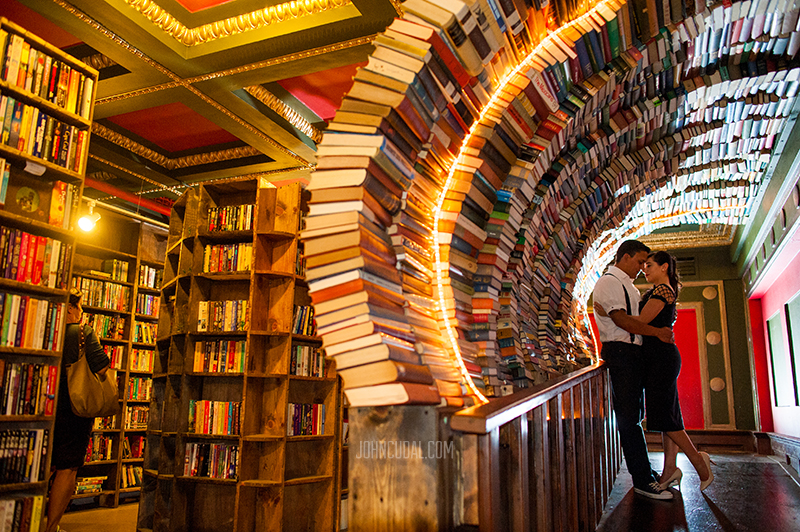
Interior of The Last Bookstore (2nd Floor)

Interior of The Last Bookstore (2nd Floor)

I have been in Los Angeles for half a century now, and I look back at my time here with all the pleasurable hours I spent in bookstores that, for the most part, are no more. There was Papa Bach’s at Santa Monica and Sawtelle; the Westwood Book Company, Butler Gabriel, Campbell’s, Brentano’s, and Borders—all in Westwood; Martindale’s in Santa Monica; Zeitlin & Verbrugge on the West Side; Acres of Books in Long Beach; Brand Books in Glendale; and Pickwick in Hollywood.

They are all gone now. People stare intently at their smart phones and pretend to communicate—but really don’t. They say they could read books on their devices, but never seem to. Perhaps the whole idea of the book is dying while a new generation willfully enslaves itself to a handheld electronic device.

So kudos to The Last Bookstore. Be defiant! Be a dinosaur! Wave your standard proudly!


O Brave New World!

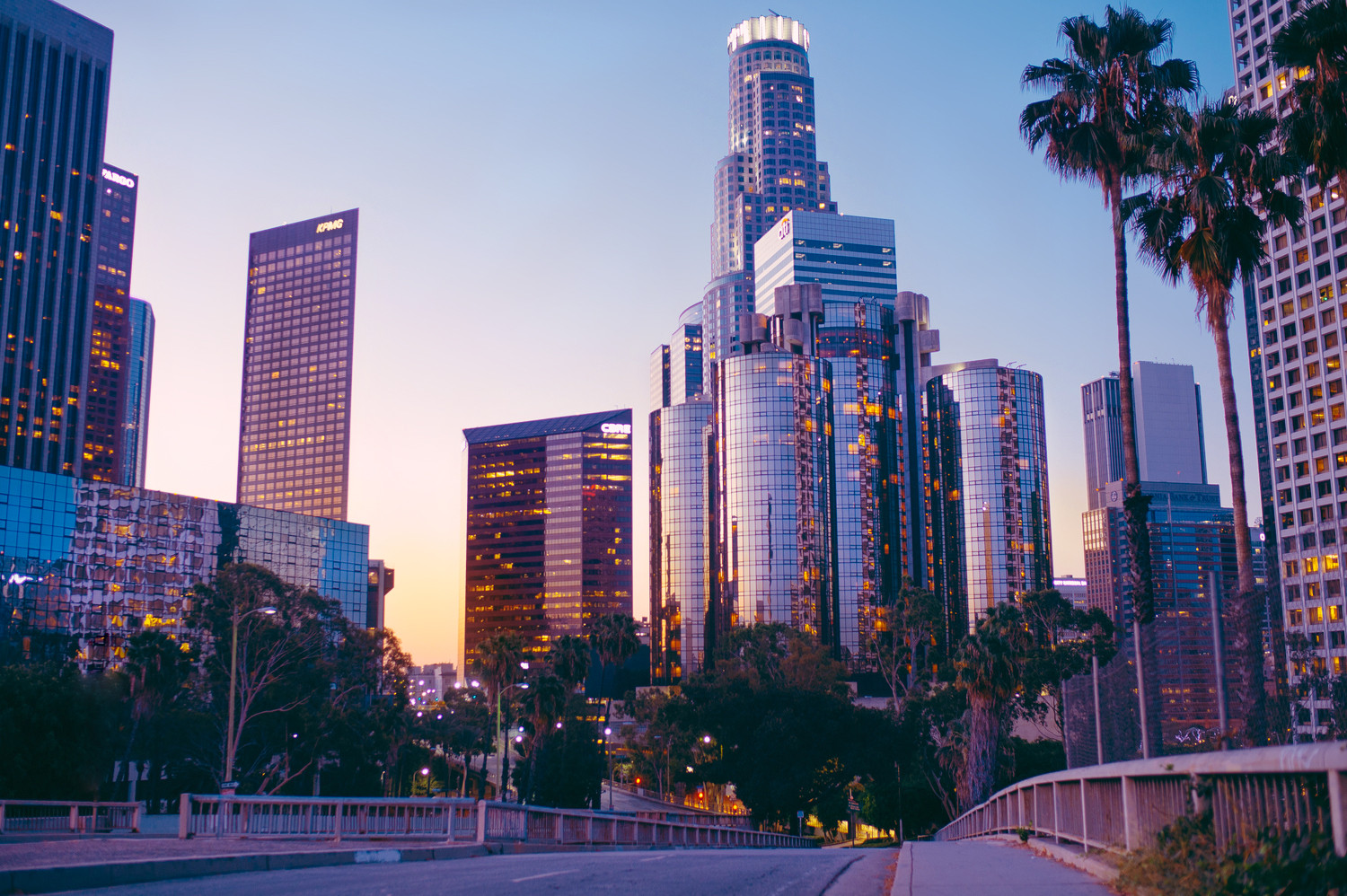
Downtown L.A. Financial District

Downtown L.A. Financial District

Don’t let anyone tell you he or she knows Los Angeles. Why? Because there’s too much for one person to know. There are broad swaths of the county which I have never seen, mostly to the Southwest, all those weird little communities along Interstate 5 like Hawaiian Gardens, Downey, Lynwood, Paramount, Bell Gardens, and Santa Fe Springs.

But thanks to today’s little safari, Martine and I know a little more about the area immediately to the Northeast of Pershing Square. We had three destinations and hit them all:

  • The tantalizingly named The Last Bookstore at West 5th & Spring with its grim motto: “What are you waiting for? We won’t be here forever.
  • The Grand Central Market at West 3rd & Broadway, which I’ve always wanted to visit but never got the chance to.
  • Across the street from the GCM is The Bradbury Building, built in 1893 and the location for scores of Hollywood movies, most notably Blade Runner (1982).

The big surprise was Union Station, where I arrived in Los Angeles on December 28, 1966, on the Santa Fe Railroad’s El Capitan train service. For decades, the station fell into disrepair and disuse as Amtrak hit the skids. But then the city decided to add a substantial suburban rail system called Metrolink, a growing network of subways and light rail lines, and a bus hub. Now its a busy place with new shops opening and crowds of people on the way to and from somewhere.

Tomorrow, the Expo Line will link Santa Monica to downtown L.A. with the nearest stop being a few blocks south of me at Bundy just south of Olympic.

It’s nice to know that, in this day and age, I can find something positive to write about without having to grit my teeth.


It’s a Crime!

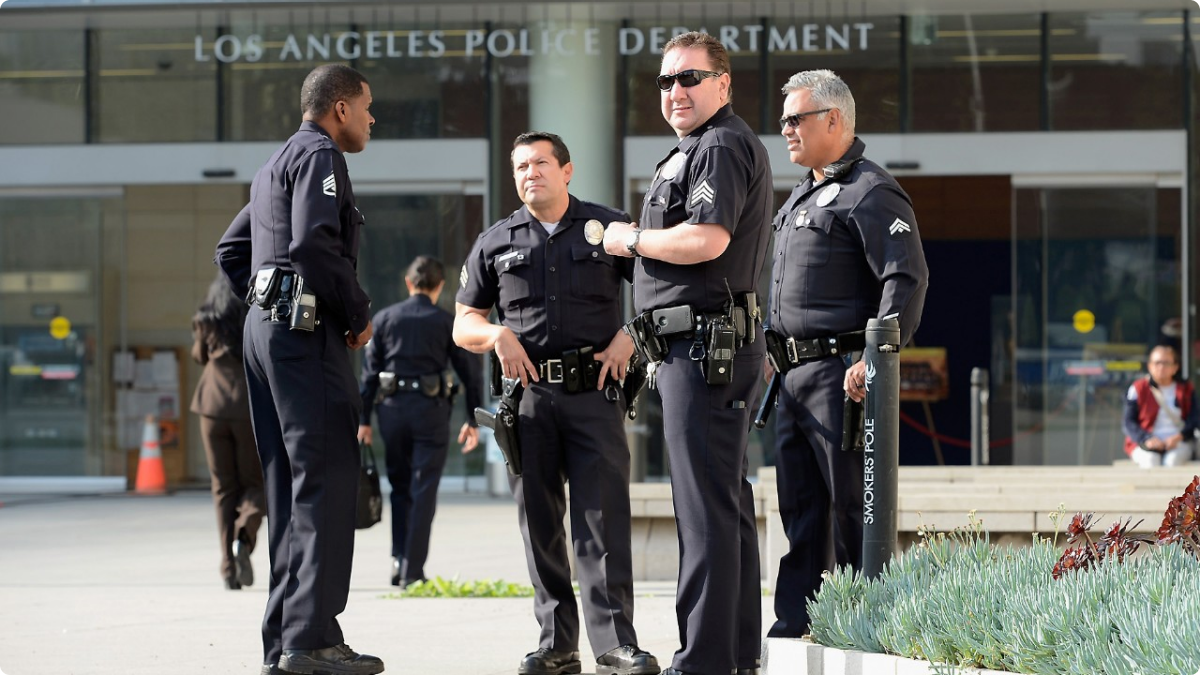
LA’s Men in Blue

LA’s Men in Blue

Let’s face it: Los Angeles is known around the world for two things. One is Hollywood, though we’re by no means a major film production center any more. And the other is crime. Not, mind you, because we are a particularly dangerous place; but the books and movies have painted Southern California as a place where bad things can happen.

I guess it all started with Raymond Chandler, James M. Cain, David Goodis, Cornell Woolrich, and Dashiell Hammett, whose novels painted this sunbright place as a pit of darkness. That was quickly echoed in the films, especially with the film noir classics such as The Big Sleep, Double Indemnity, Mildred Pierce, The Blue Gardenia, and The Big Heat.

Even now, excellent crime novels are being written by the likes of James Ellroy, Joseph Wambaugh, and Michael Connelly. I am currently reading Connelly’s Trunk Music, a police procedural featuring his homicide detective hero Harry (short for Hieronymus) Bosch. A small-time Hollywood producer is found dead in the trunk of his Rolls Royce, and Bosch ranges from the Hollywood Hills to Park Center (“The Glass House,” LAPD headquarters) to the Las Vegas Strip to find the killer while fighting off his own enemies.


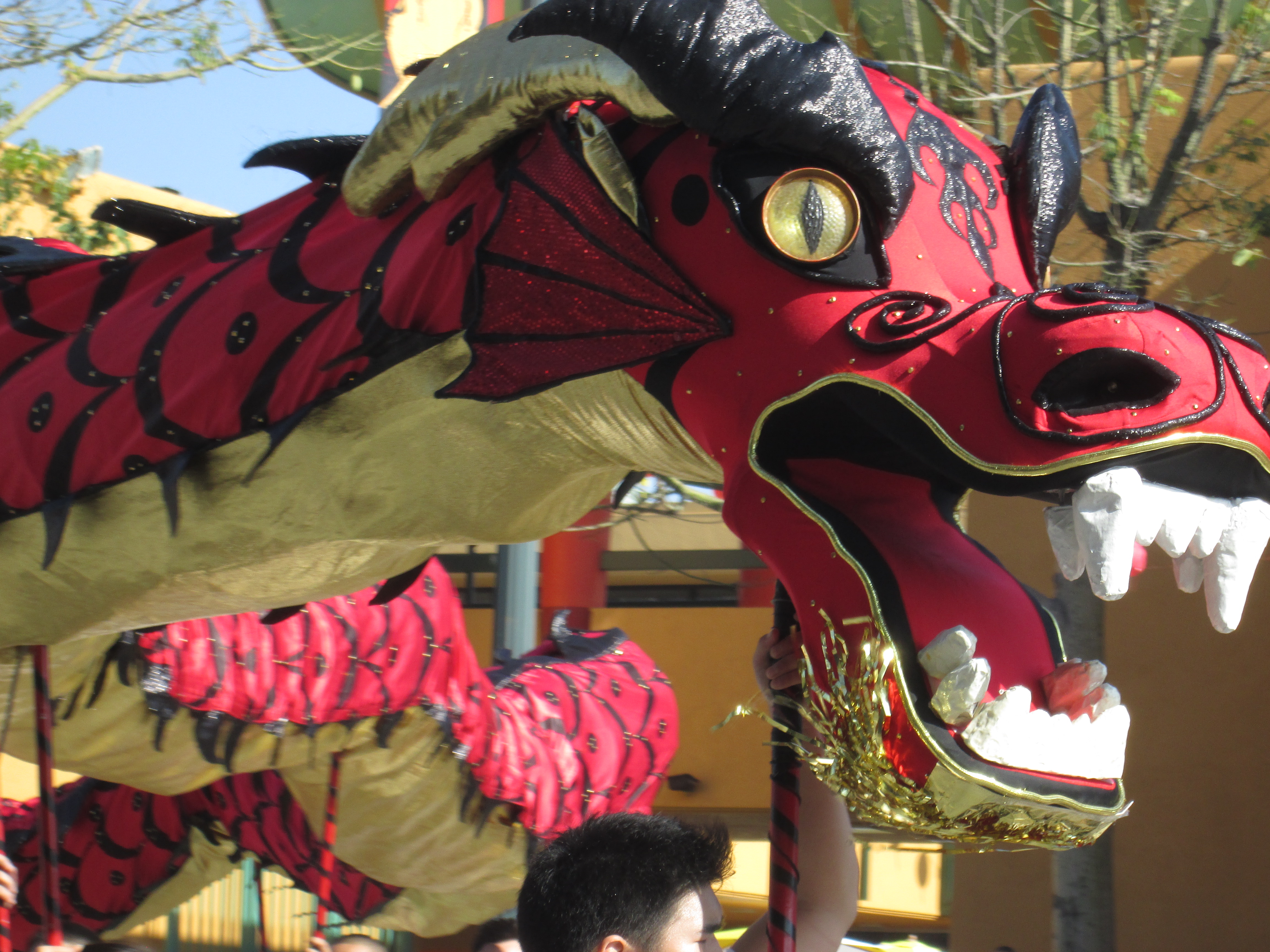
The Dragon and the Monkey

Dragon

Dragon

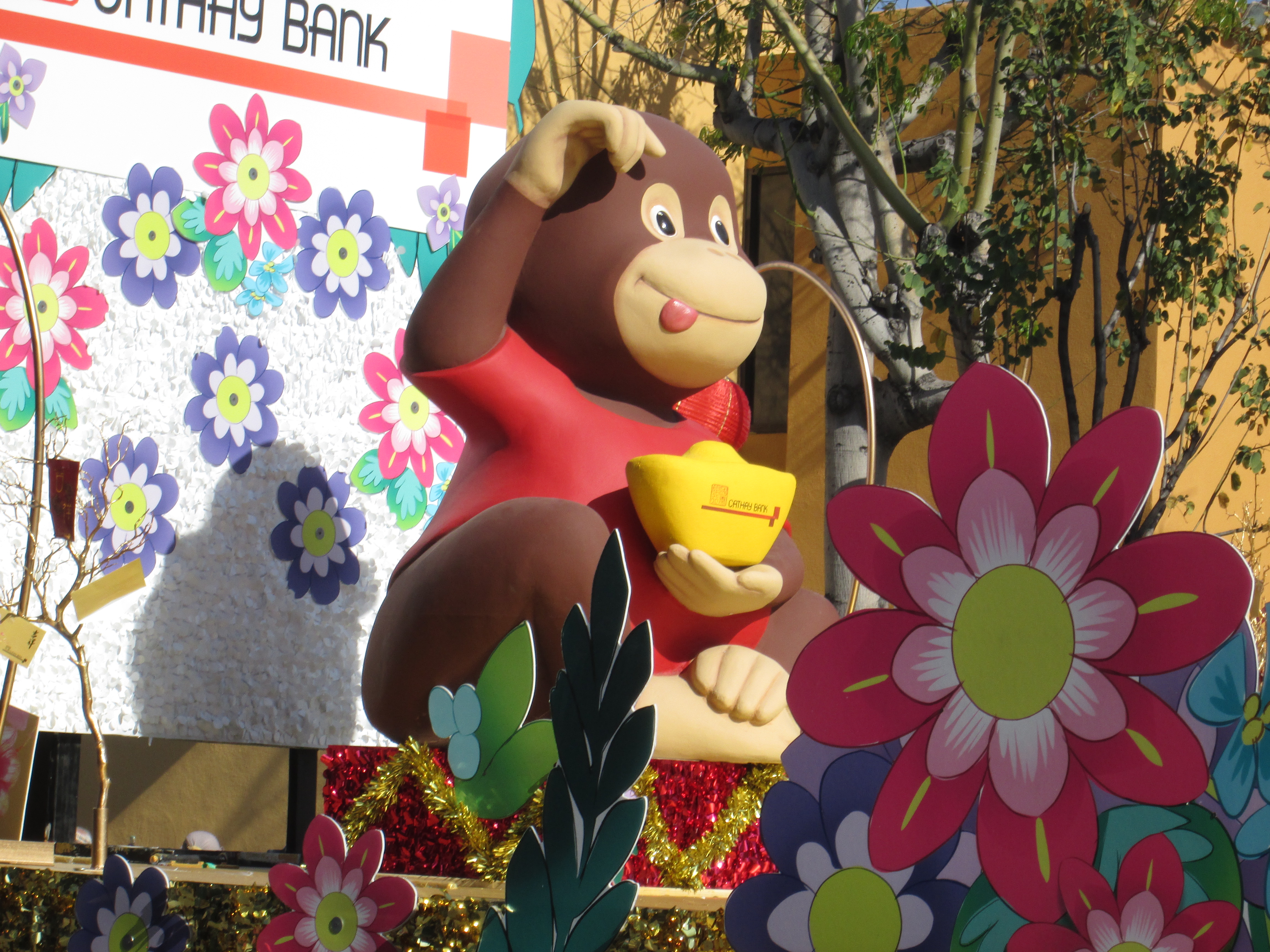
Today, for the first time in two or three years, Martine and I attended the Golden Dragon Parade in Chinatown to celebrate the new Year of the Monkey. It turns out that I was born in the Year of the Monkey, but according to Chinese astrology, this may not be a lucky year for me. Fortunately, I do not believe in any kind of astrology.

Martine, on the other hand, was born in the Year of the Dragon, which means that we are complementary. But I am convinced that we are complementary for other reasons than those picked by astrologers.

Monkey

Monkey on Cathay Bank Float

To avoid various construction and marathon race snarls, we took the bus downtown and went to our usual Chinatown restaurant, the Sala Thai on Alpine Street. I had a spicy fish filet with basil and peppers, and Martine had her usual pad see ew with chicken and broccoli.

Even though the parade was fraught with symbolism which we didn’t altogether understand, we had a great time.


Under the Bridges

James Doolin’s Painting “Bridges”

James Doolin’s Painting “Bridges”

On past visits to the Autry National Center’s exhibit of paintings of the West, I had always admired James Doolin’s “Bridges” (illustrated above). By  now, I have begun to believe that it is one of the most representative landscapes of Los Angeles, simultaneously showing the present web of freeways and, underneath all the concrete, the desert.

I could almost swear the scenes are of the Pasadena Freeway (I-110), which I drove today on the way back from visiting Bill and Kathy Korn in Altadena. It looks like the stretch as you approach downtown L.A. from the north. You can see the 1930s concrete work (in fact the year 1937 appears on the lower left abutment).


Sliced Off at the Knees

The Weather Stops at El Border

The Weather Stops at El Border?

On many counts (almost too numerous to mention) the news is a partial and usually misleading travesty. Take the weather, as represented by this morning’s precipitation map off the Weather Channel’s weather.com. We are approaching the time of year when our weather comes not from the west or north, but from Mexico.

Even as I write this, Hurricane Bianca is threatening the State of Baja California Sur. What does that mean for Southern California? It means that we get the northern edge of whatever monsoonal weather is hitting Northwest Mexico. Stray clouds, winds, and precipitation do occasionally sneak across the fence at the border and make their way to El Ciudad de Los Angeles.

So what use is it to us when we get a weather report that ignores everything south of the line? No, the earth does not change color at that point, and the weather does move around by laws that do not respect national boundaries.

Over the next few weeks, we expect humid weather with possible light showers—not sufficient to rain on our parade or affect the drought in any significant way. But it nonetheless is a factor we should not ignore.

Emeric Toth and the City

Emeric Toth Is My Alter Egp

First Impressions of a Megalopolis

This posting is reprinted from Yahoo! 360 from February 2009, when I wrote some quasi-fictional pieces starring my alter ego, one Emeric Toth.

What was there to love about this city? Ten million plus people living their lives on a series of shelves between the mountains and the sea. Most of the time, the sun beat down relentlessly on the people, the buildings, and the gigantic road network that radiated like octopus appendages out from the center. When he first arrived there over forty years ago, Emeric Toth heard Los Angeles described as seventy-five towns in search of a city. He remembered the confusion on the ride to his first apartment from Union Station. He started downtown, went some five miles and—bam!—there was another downtown by Hollywood. A few miles further and—bam!—another downtown by a new place called Century City.

He had heard about the strangeness of the place and its inhabitants, who lived in metastasizing suburbs that stretched out for miles in every direction but one: The sea was an effective barrier.

The new state governor was an actor named Ronald Reagan, whom Toth had seen co-starring with a chimpanzee in Bedtime for Bonzo (1939). The whole hippie thing was just beginning, which he traced with some amusement in the weekly newspaper called the Los Angeles Free Press, or Freep for short. The Vietnam war was just beginning to arouse massive resentment: In just two short years, Johnson would refuse to run for a second term because he felt tainted by the war. That’s when presidents cared what people thought.

So many things have changed, most notably Emeric Toth himself. The city was still recognizably the same, grimier in some instances, and new and shiny in others. He sat at a local café slowly savoring a small pot of Darjeeling tea as he watched the young people chattering away at adjacent tables. In another forty years, those kids would still be there, drinking whatever the beverage of choice would be, but he himself would not be. But some part of himself would be still be attenuated and distributed across the hundreds of square miles of buildings and freeways and occasional green spaces and towering peaks (if they’ll be able to see them then) and above all that dark green and black ocean whose waves break endlessly on the shore of Santa Monica Bay.