Inspired by reading Red Pine’s translations of Chinese poetry, I have decided to give it a try myself. By posting this intention in my blog, I am determined to shame myself into giving it a try. What I publish here will probably be short and blank or free verse. This week, I have medical and physical therapy appointments to eat up my timer, but I will be freer next week. Probably the end of next week.
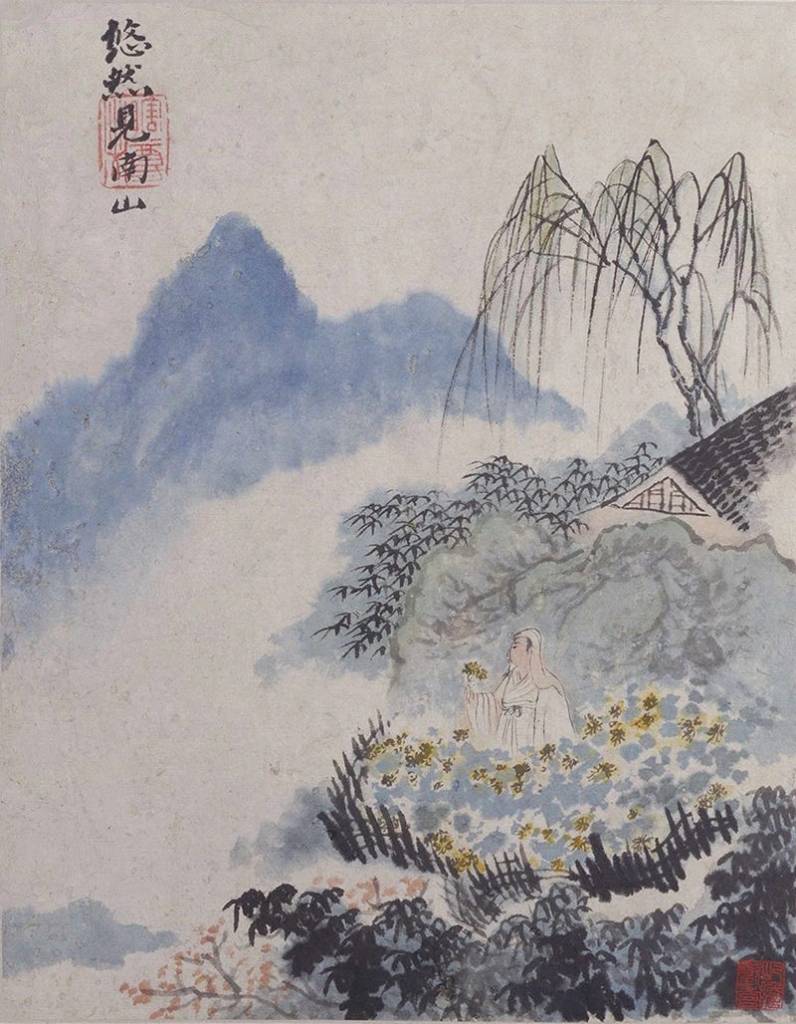
Tao Yuanming (365-427) is one of the great poets of China. I have been reading a translation of his poems by Bill Porter (under his pseudonym Red Pine) and came across this unnamed poem. It talks about the hardships of travel in China around the year 400 AD. I, who yearn to have the money to allow me to travel and find myself stuck in Southern California, am in a slightly different situation.
People sigh about the hardships of travel I’m just learning about them now about the size of mountains and rivers and the unexpected dangers of both about crashing waves that echo across the sky and relentless winds that never cease the more I travel the more I long for home why am I stuck where I am I’ve been thinking about how much I love my garden and why haven’t I said goodbye to the world how long will my good years last and why did I ever question my heart
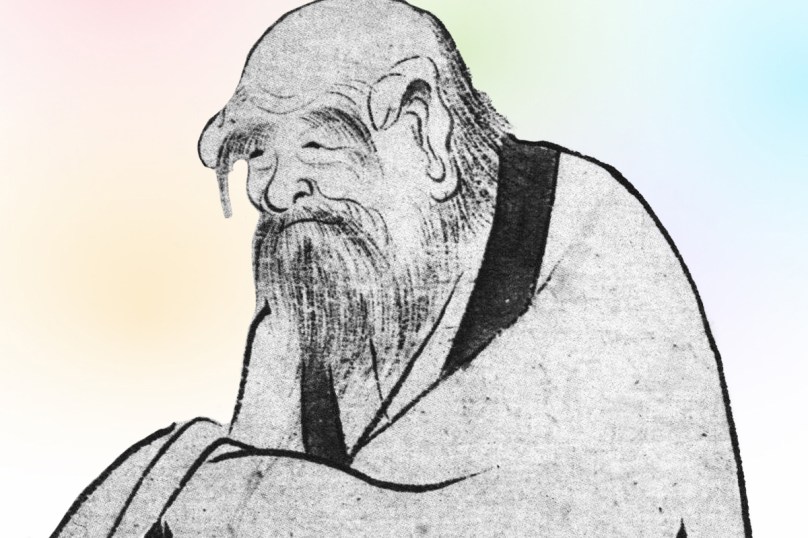
However you pronounce his name, Laozi is one the world’s greatest thinkers. Born in 571 BC or sometimes thought to be in the 4th century BCE, or whenever, and died whenever, Laozi may in fact never have existed; yet he is a great author.
I have been reading Dancing with the Dead: The Essential Red Pine Translations (Port Townsend, Washington: Copper Canyon Press, 2023) with great pleasure. There is something about Chinese poetry—even in English translation—that hits me where I live. And Red Pine (alias Bill Porter) is a superb translator. His explanatory notes are revealing: He says that even Chinese scholars have a difficult time and have to rely on explanatory notes dated in the centuries after the poems were written.
Here is an excerpt from Laozi’s The Way and Its Power (aka Daodejing aka Tao Te Ching) on the subject of striving:
Instead of poring in more better stop while you can making it sharper won’t help it last longer rooms full of treasure can never be safe the vanity of success invites its own failure when your work is done retire this is the Way of Heaven
Around 130 AD, the Chinese sage Heshanggong wrote the following note about this passage:
Excessive wealth and desire wearies and harms the spirit. The rich should help the poor, and the powerful should aid the oppressed. If, instead, they flaunt their riches and power, they are sure to suffer disaster. Once the sun reaches the zenith, it descends. Once the moon becomes full, it wanes. Creatures flourish then wither. Joy turns to sorrow. When your work is done, if you do not step down, you will meet with harm. This is the Way of Heaven.
This is very old and powerful wisdom. But does anyone listen? Not in today’s world.
You must be logged in to post a comment.