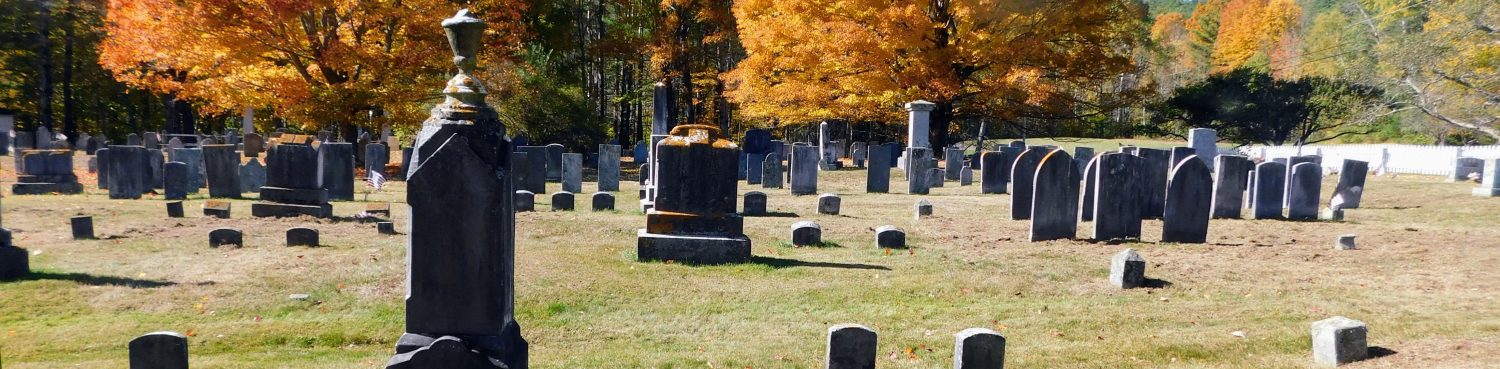

“The Pleasures of Fantastic Kind”

As I am currently reading Lord Dunsany’s The Charwoman’s Shadow, I thought I would give you a poem by H. P. Lovecraft, who admired Dunsany’s fiction:

Fact and Fancy

How dull the wretch, whose philosophic mind
Disdains the pleasures of fantastic kind;
Whose prosy thoughts the joys of life exclude,
And wreck the solace of the poet’s mood!
Young Zeno, practis’d in the Stoic’s art,
Rejects the language of the glowing heart;
Dissolves sweet Nature to a mess of laws;
Condemns th’ effect whilst looking for the cause;
Freezes poor Ovid in an iced review,
And sneers because his fables are untrue!
In search of hope the hopeful zealot goes,
But all the sadder tums, the more he knows!
Stay! Vandal sophist, whose deep lore would blast
The grateful legends of the storied past;
Whose tongue in censure flays th’ embellish’d page,
And scorns the comforts of a dreary age:
Wouldst strip the foliage from the vital bough
Till all men grow as wisely dull as thou?
Happy the man whose fresh, untainted eye
Discerns a Pantheon in the spangled sky;
Finds sylphs and dryads in the waving trees,
And spies soft Notus in the southern breeze
For whom the stream a cheering carol sings,
While reedy music by the fountain rings;
To whom the waves a Nereid tale confide
Till friendly presence fills the rising tide.
Happy is he, who void of learning’s woes,
Th’ ethereal life of bodied Nature knows;
I scorn the sage that tells me it but seems,
And flout his gravity in sunlight dreams!


Where Once Poe Walked

Edgar Allan Poe’s Cottage in the Bronx

There are times when H. P. Lovecraft’s poetry comes across as overripe. But when the subject is Edgar Allan Poe, it seems more appropriate.

Above is the cottage in the Bronx where Poe lived with his young wife Virginia Clemm (married at age 13 to the 27-year-old writer) in the Bronx. I remember visiting it with my mother sometime early in the 1960s.

Where Once Poe Walked

Eternal brood the shadows on this ground,
Dreaming of centuries that have gone before;
Great elms rise solemnly by slab and mound,
Arched high above a hidden world of yore.
Round all the scene a light of memory plays,
And dead leaves whisper of departed days,
Longing for sights and sounds that are no more.

Lonely and sad, a specter glides along
Aisles where of old his living footsteps fell;
No common glance discerns him, though his song
Peals down through time with a mysterious spell.
Only the few who sorcery’s secret know,
Espy amidst these tombs the shade of Poe.

By the way, notice that the initial letters in each line together spell out EDGAR ALLAN POE.

“Eternal Brood the Shadows on This Ground”

Edgar Allan Poe (1809-1849)

Edgar Allan Poe (1809-1849)

There is no doubt that H. P. Lovecraft owes a debt of gratitude to Edgar Allan Poe. He made an interesting attempt to pay a tribute to his forebear with this sonnet, which was published in Weird Tales in May 1938:

Eternal brood the shadows on this ground,
Dreaming of centuries that have gone before;
Great elms rise solemnly by slab and mound,
Arch’d high above a hidden world of yore.
Round all the scene a light of memory plays,
And dead leaves whisper of departed days,
Longing for sights and sounds that are no more.

Lonely and sad, a spectre glides along
Aisles where of old his living footsteps fell;
No common glance discerns him, tho’ his song
Peals down thro’ time with a mysterious spell:
Only the few who sorcery’s secret know
Espy amidst these tombs the shade of Poe.

If you look closely, the first letters in each line spell out the poet’s name.