I Only Have Eyes for You

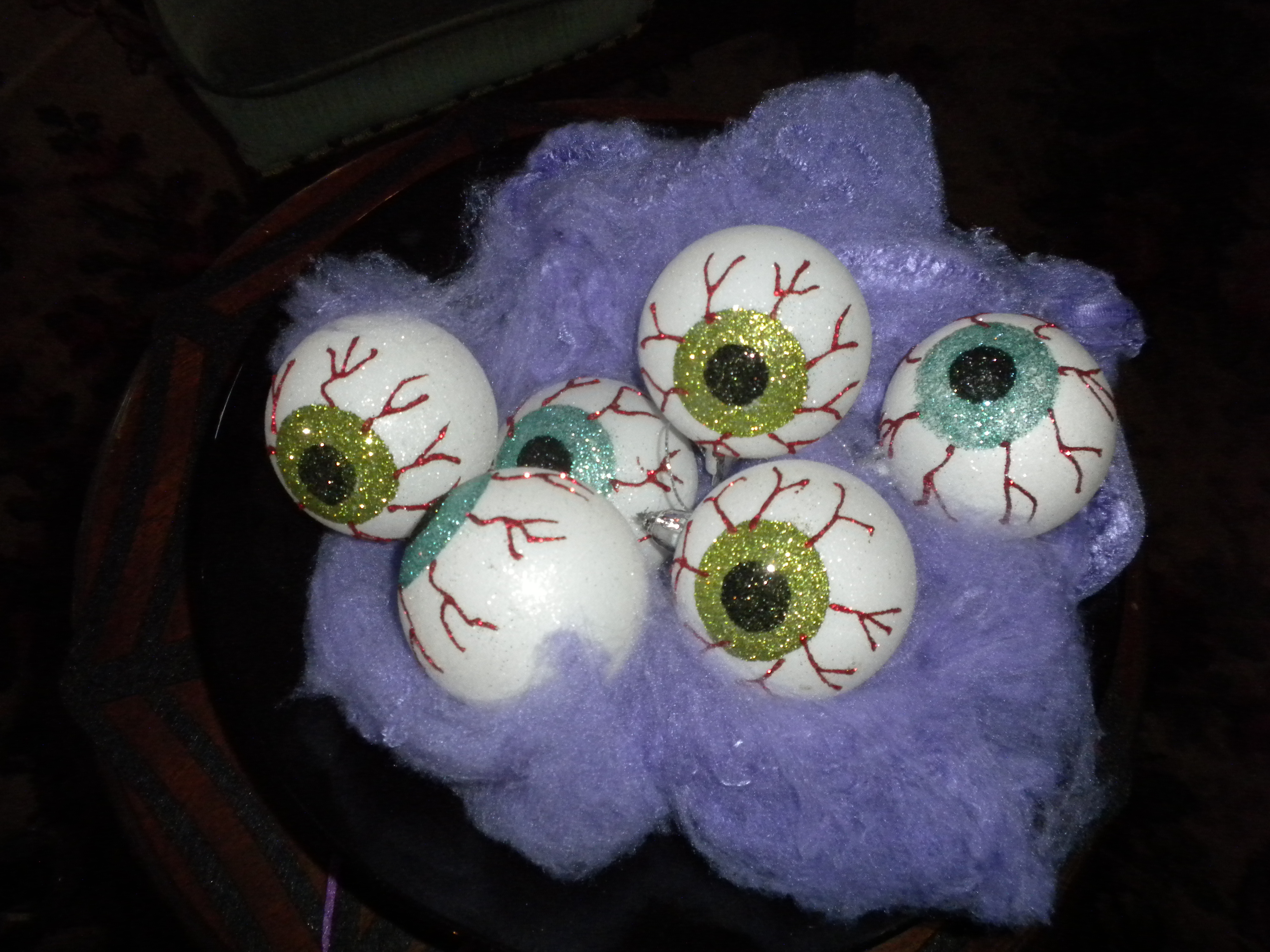
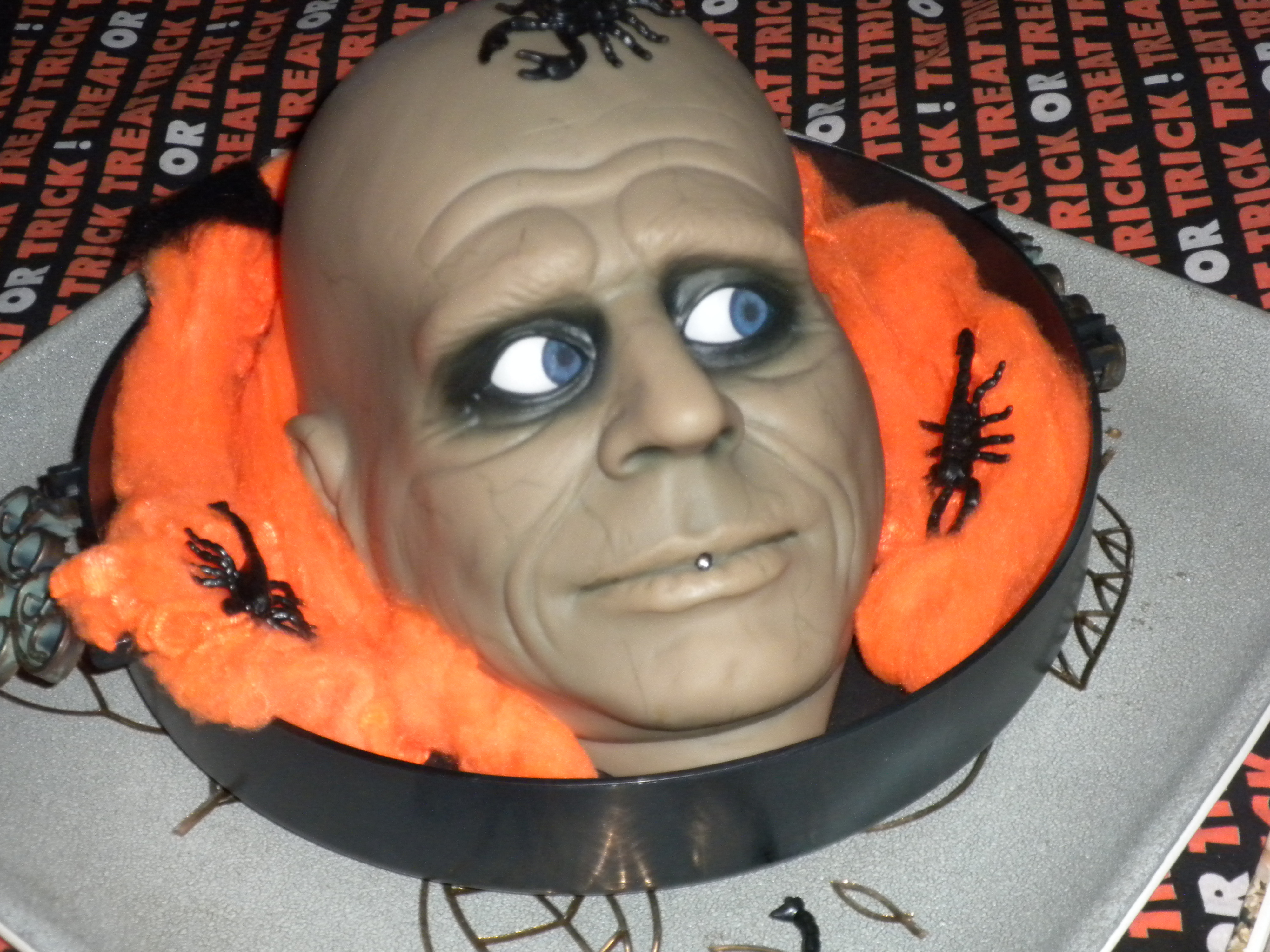
A Nice Plate of Eyeballs Pour Vous

A Nice Plate of Eyeballs Pour Vous

Yesterday’s visit to the Grier Musser Museum near downtown L.A. put Martine and me into the holiday spirit. We discovered the museum and its fabulous collection of holiday-related antiques and displays as a result of watching Huell Howser’s shows on KCET. In all, he did two shows on the museum, so we decided it was a place we should get to know better. Although the museum has displays all year round, curator Susan Tejada puts together a special show around Halloween, Christmas, and Valentines Day—with the best show being around Halloween.

Martine particularly enjoys talking with Ray and Susan Tejada over a snack of punch and cookies afterwards, one of the advantages of attending the museum’s holiday Sunday exhibits.

Heads Up!

Heads Up!

If you want to visit the Grier Musser Museum, you have to make an appointment by calling (213) 413-1814. It is located at 403 South Bonnie Brae Street in the Pico-Union Area, which is near some excellent dining such as Langer’s Delicatessen-Restaurant with its great hand-cut pastrami, Papa Christo’s Greek Restaurant and Market, and a host of world class Korean restaurants.

Somehow, the Grier Musser always puts Martine and me in a holiday mood.


K-Rails and Steel Plates

Prepare for a Bumpy Ride

Prepare for a Bumpy Ride

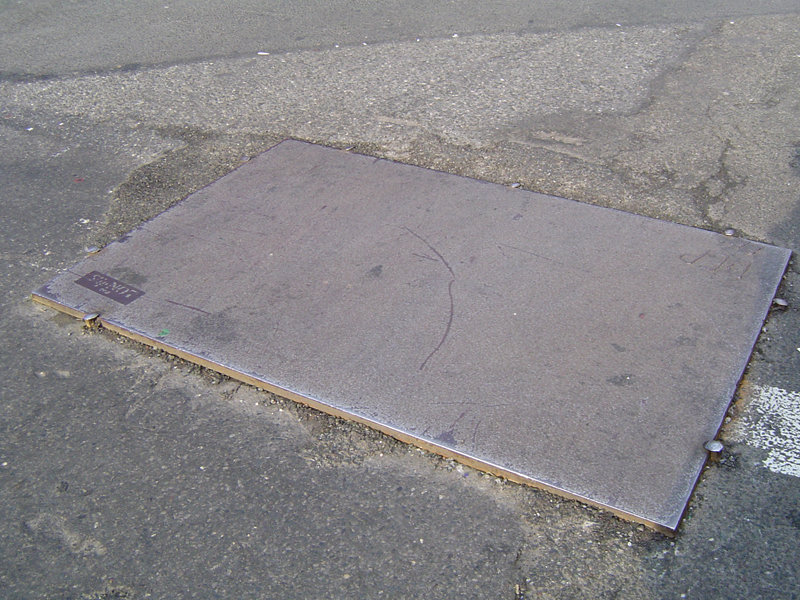
One of the problems with California’s apocalyptic drought of 2014 is that virtually every street is under construction—without fear of rain.Today, Martine and I visited the Grier-Musser Museum near downtown. On the way home, we must have run over two hundred steel plates on Wilshire Boulevard, Beverly Drive, Fairfax Boulevard, and Santa Monica Boulevard. These were accompanied by perhaps a mile or two of K-Rails (known in the East as Jersey Barriers).

K-Rails a.k.a. Jersey Barriers a.k.a. Concrete Barriers

K-Rails a.k.a. Jersey Barriers a.k.a. Concrete Barriers

Now that California is beginning to recover from the Great Recession of 2008, driving the streets of Los Angeles is like going back to the early days of motor cars, with the roads being in a constant state of disrepair.

El Pueblo de Los Angeles

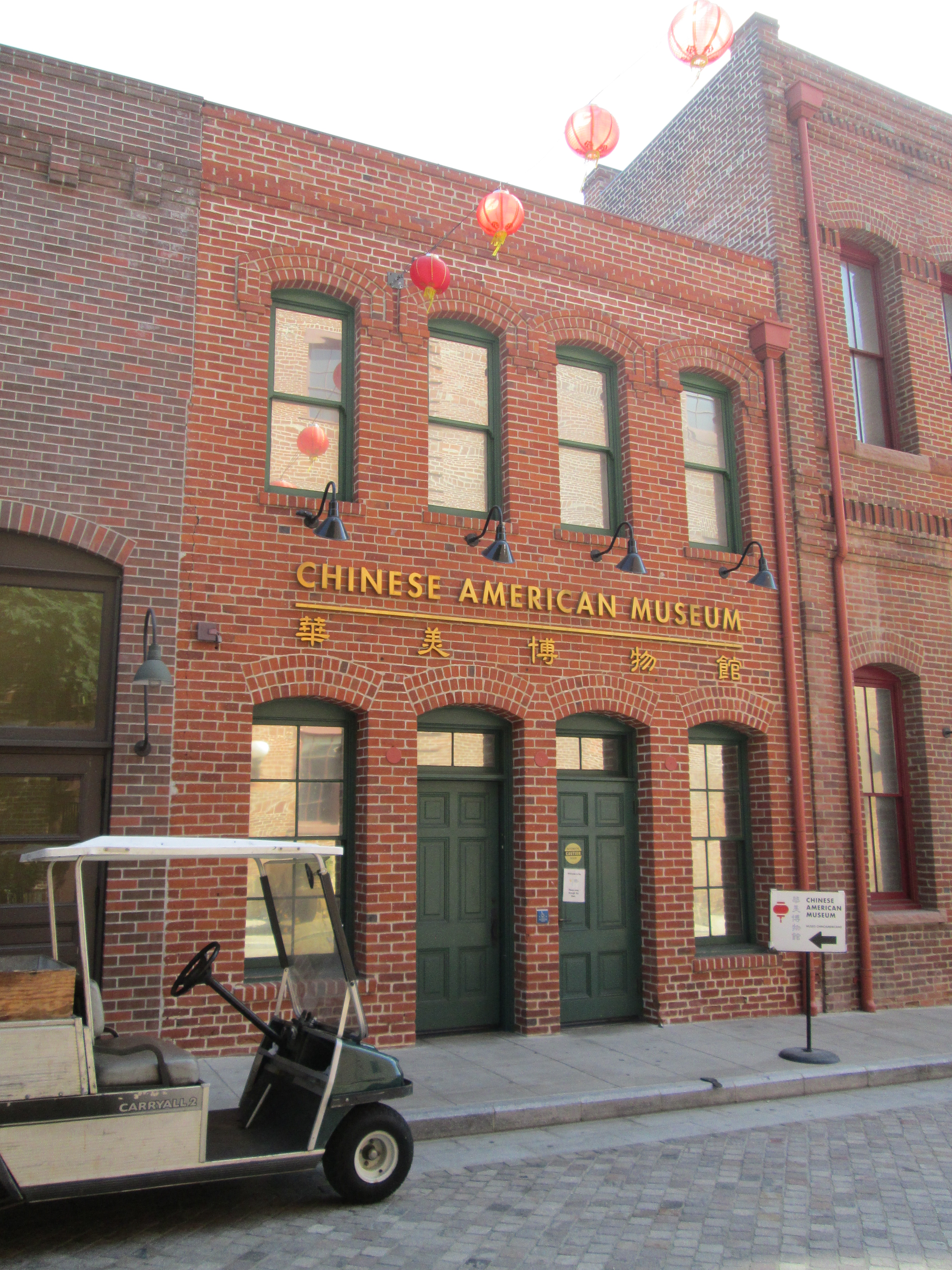
The Chinese American Museum on North Los Angeles Street

The Chinese American Museum on North Los Angeles Street

The City of Los Angeles got its start in a large block bordered on the north by Cesar E. Chavez Ave, on the east by Alameda Street, on the south by Arcadia Street, and on the west by North Main Street. The area is variously referred to as the Plaza de Los Angeles, Olvera Street, and sometimes as El Pueblo de Los Angeles. It is in this block that two of the city’s ethnic populations are commemorated, the Mexicans on Olvera Street, and the Chinese at the Chinese American Museum.

Martine hasn’t feeling too well lately, so I proposed we take a slightly low-energy visit to the Chinese American Museum. We started by eating at Las Anitas on Olvera Street, where Martine had a plain Pollo a la Plancha and a corn tortilla, while I had Chile Rellenos and Jamaica (a tasty hibiscus flower drink, pronounced hah-MYE-kah).

Then we strolled around the museum, which told of the Chinese struggle to find acceptance in a racist America. In addition to exclusionary laws forbidding more of them to immigrate, there were laws on the books forbidding them to own property or to marry with other races. This was rather difficult, as in 1852 there were 20,000 Chinese immigrants, of which only 17 were women.

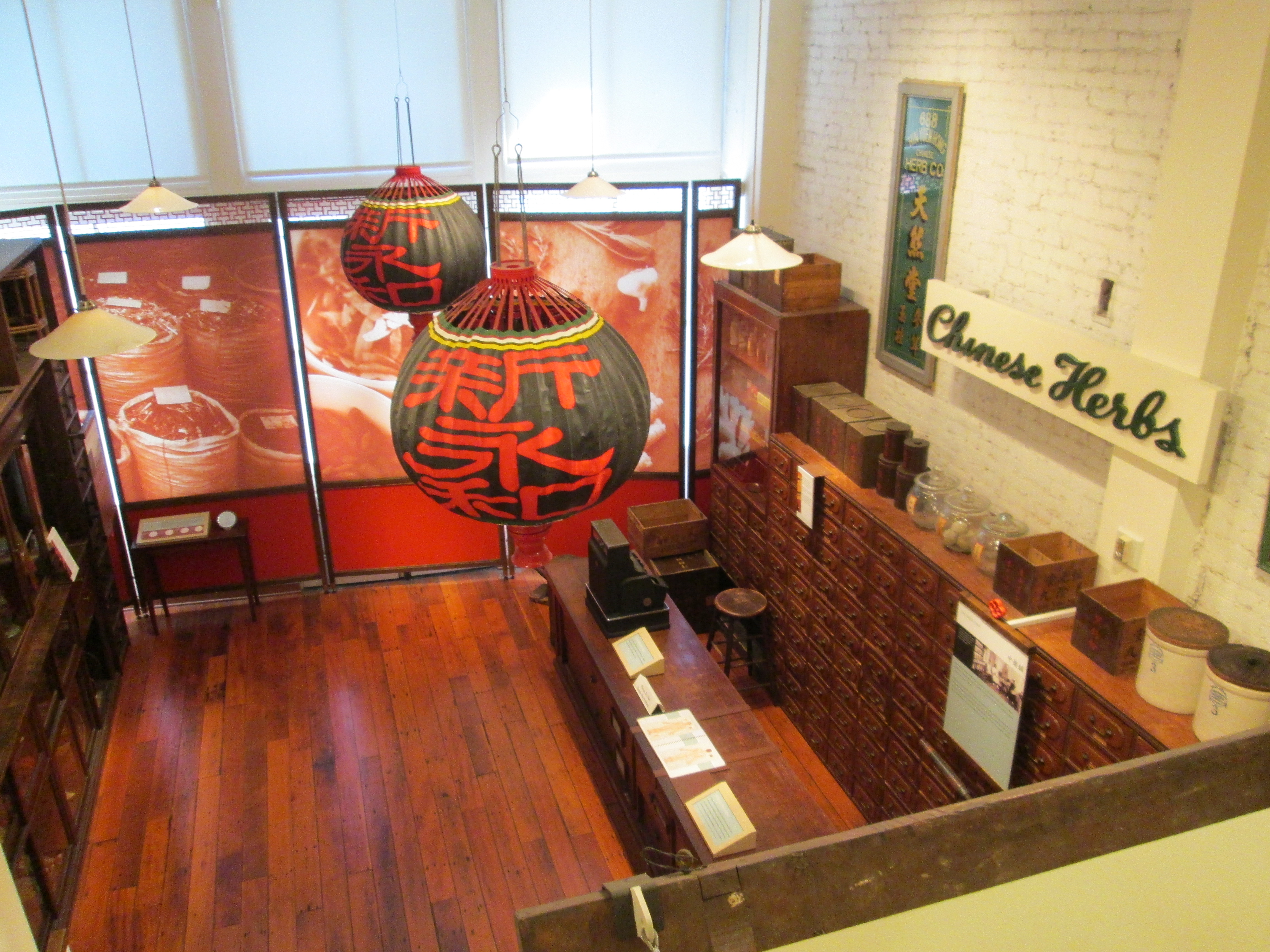
Below is a photo of the replica of the Sun Wing Wo General Store and Herb Shop within the museum:

Sun Wing Wo General Store and Herb Shop

Sun Wing Wo General Store and Herb Shop


After visiting the museum, we also had time to see the 1884 Plaza Firehouse (the oldest in L.A.) and Union Station, where I arrived on the El Capitan from Chicago at the end of December 1966 to begin my sojourn in this city.

The Deal

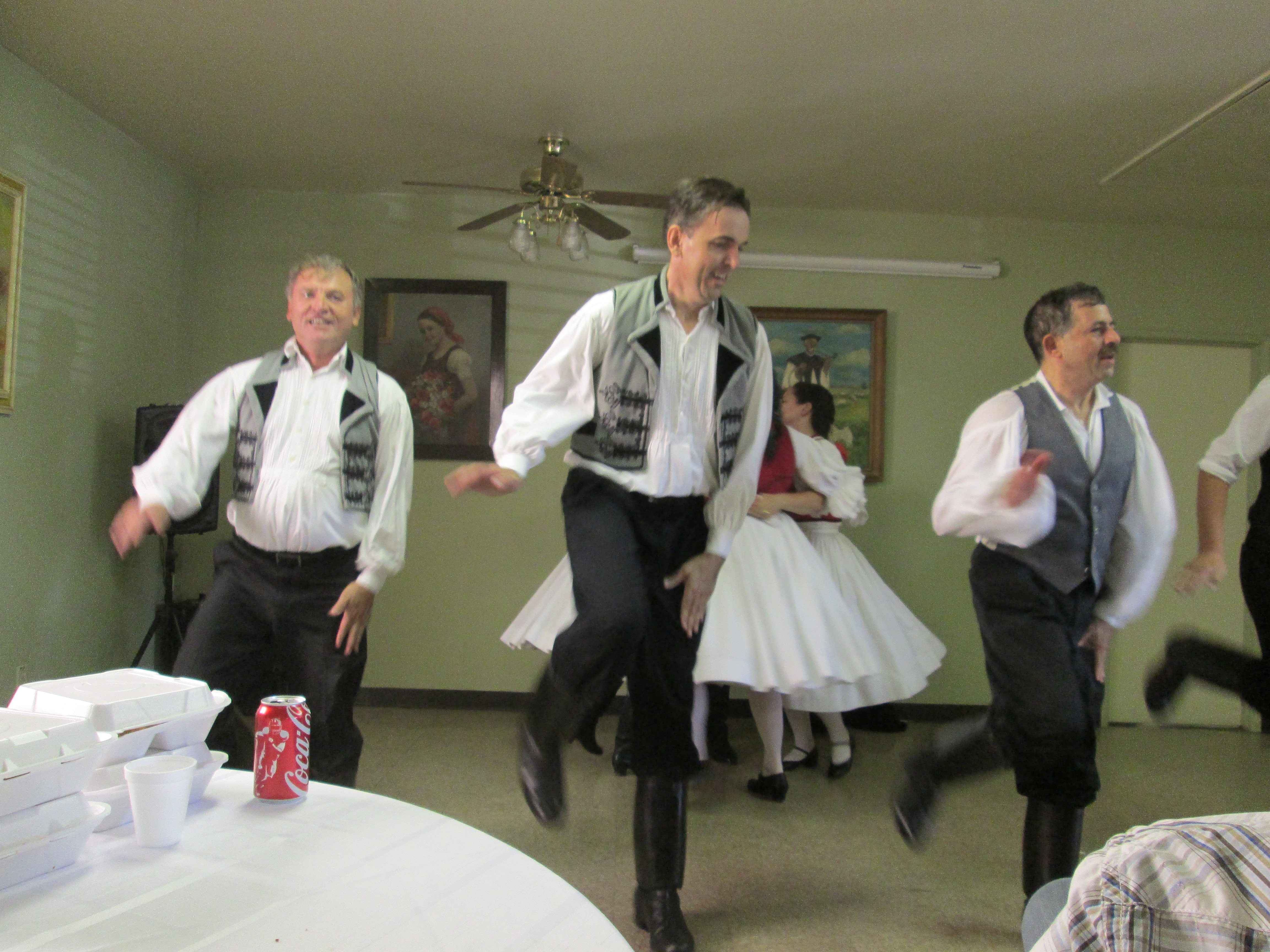
Dancers from Karpatok

Dancers from Karpatok

The deal was made at some point before I was born. Because my father was a Roman Catholic Slovak and my mother was a Protestant adhering to the Calvinist Hungarian Reformed Church, my parents decided that any boys in the family were going to be Catholic and any girls, Protestant. As it happened, there were two boys born to Alex and Sophie Paris, my brother and I.

We were a religiously tolerant family: My father (occasionally) went to Mass, and my mother (occasionally) listened to the Reverend Csutoros’s weekly radio program and his sonorous sermons.

So what am I today? In Peru, I was a Catholic. Here in Los Angeles, I am evenly torn between the Hungarian Reformed Church—in honor of my mother—and the Greek Orthodox Church. Wherever I go, I find God.

Today, Martine and I attended the church fall bazaar at the First Hungarian Reformed Church of Los Angeles in nearby Hawthorne. We had some good Magyar home cooking, renewed our friendship with several families active in the church, and listened to the usual excellent program of music and dance. Present were members of the Karpatok Hungarian Dance Ensemble (shown above) who put on the usual spirited performance.

It is good to be a Hungarian from time to time, to speak the language of my youth with some good people and share a few hours with them.


Monsoon Monday

Mexican Monsoon Clouds Over Arizona

Mexican Monsoon Clouds Over Arizona

Generally speaking, it doesn’t rain in Southern California between March and December. The only exception is when we catch the northern edge of a Mexican monsoon, as we did yesterday and today. When we stepped out of the Albertson’s Supermarket yesterday around 2 pm, Martine and I were surprised to see the ground was wet and our car was covered with droplets. “Oh great!” I thought. “This’ll be another dirty drizzle that craps up my car windshield.”

It was more however. In nearby Venice, a young man died when he was struck by lightning, and ten people were hauled off to the hospital. While waiting for our friends Bill and Kathy to arrive, we heard thunder. Then, this morning, one of my co-workers from Redondo Beach said that she had lost her power three times during the night and that there was frequent lightning. Neither Martine nor I experienced anything like that in West Los Angeles,  only about twelve miles north of her.

One would think that the rain—such as it was—would at least ameliorate our dire drought conditions. No such luck! The rain evaporated within minutes, leaving behind only a sticky and uncomfortable humidity.

It reminds me of Florida. My mother moved to a senior condo in Hollywood several years after my father died in 1985. I would visit her from time to time, but I could never find a comfortable season. Every time I stepped off a plane in Florida, I felt as if I were being hit in the face with a big wet towel; and that feeling would persist the whole time of my visit.

I could never be comfortable in a humid climate. The summers in Cleveland were, I thought, dreadful. When a Peruvian acquaintance suggested I visit the jungle area around Iquitos, I begged off quickly. The humidity is bad enough, but the mosquitoes and tropical diseases were more than I could stand. Don’t forget, I like to take vacations in places like Iceland, Patagonia, and the Andes.

Listening to Irish Music

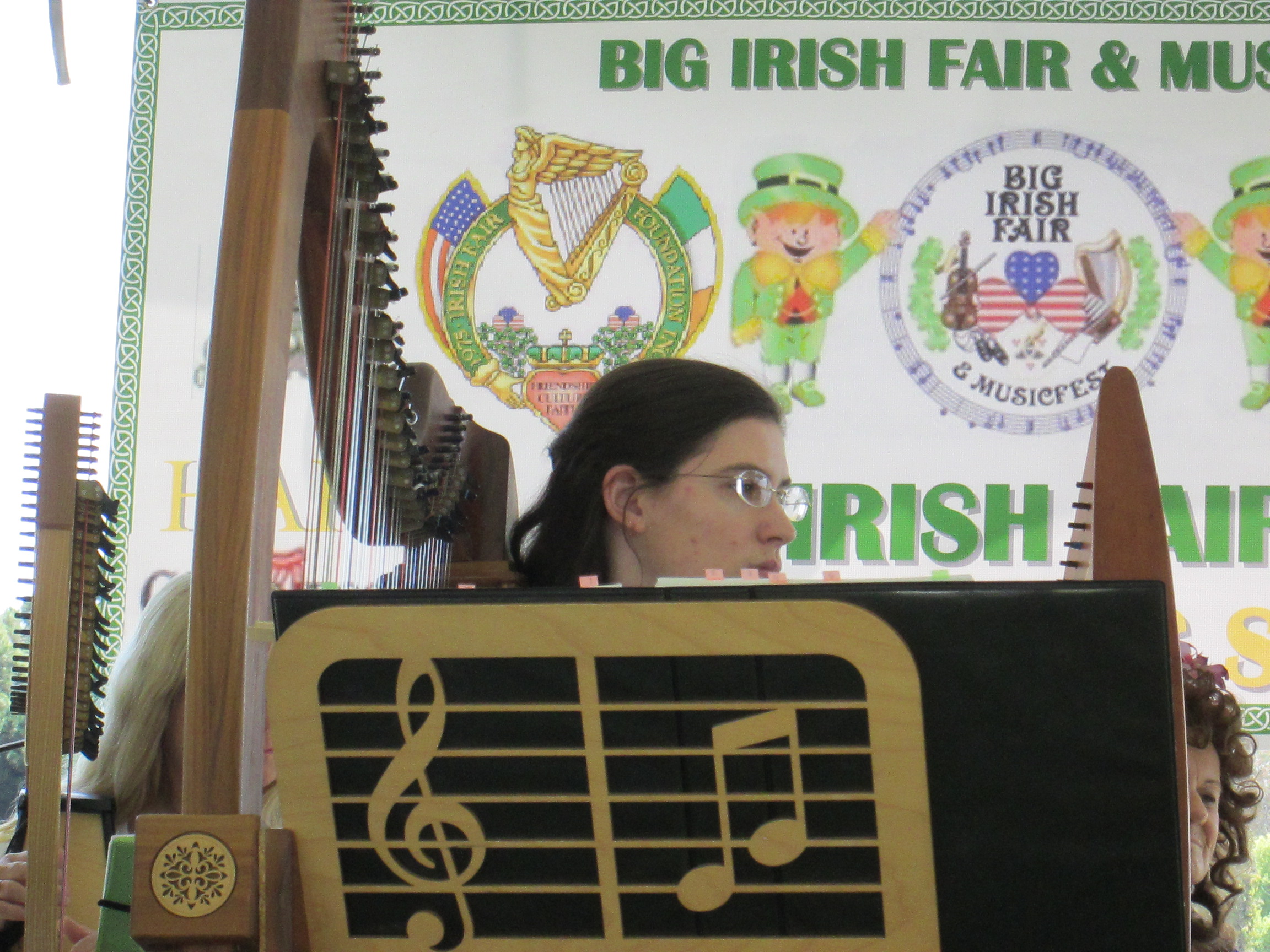
Playing the Celtic Harp

Playing the Celtic Harp

The Big Irish Fair that Martine and I attended last Sunday was mainly for the music (and not to be catapulted into the afterlife by a rampaging sheep—about which see yesterday’s post). Martine and I spent most of our time listening to Celtic harp solos and ensemble playing by a group primarily from Orange County. Soloists included Dennis Doyle and Joanna Mell, who were excellent. Martine was particularly eager to listen to attend as she had never heard any live before. And I enjoyed it as much as she did.

Kathy Sierra and Maggie Butler of Golden Bough

Kathy Sierra and Maggie Butler of Golden Bough

On the same stage where the harps were played, there was also a talented trio from Modesto that performs Celtic music under the name of Golden Bough. I couldn’t get a good photo of all three playing at the same time, so I inadvertently cut out the multi-talented Paul Espinoza. In addition to playing the harp, they also played half a dozen other instruments in their concert of music from Ireland, Scotland, Brittany, and Spanish Galicia. I was impressed at the fact that they kept their end up for more than an hour and a half without taking a break and with no diminution of quality.

Irish Stepdancing

Irish Stepdancing

Finally, because I am a dirty old man at heart, I convinced Martine to watch the Irish stepdancing competition so that I could stare at the young legs of the bewigged teen dancers. I do not profess to understand the popularity of stepdancing. (It doesn’t hold a candle to Hungarian folk dancing, such as practiced in L.A. by the Kárpátok Hungarian Folk Ensemble—though I may be prejudiced—but the young Irish girls did have cute legs.)

There was also a lot of bagpiping, but nothing close to the standard of what we heard in Scotland.

Death by Charging Sheep?

Bad Dog!

Bad Dog!

Yesterday, Martine and I went to a large Irish Fair held at El Dorado Park in Long Beach. Thanks to an extremely fine perception of space, I was missed by a fraction of an inch by a charging sheep during the sheepherder dog demonstration.There I was, standing on the sidelines between two tents when, suddenly, someone let the Bouvier des Flandres out of his cage (above), and he charged the sheep, sending them scattering at top speed in all directions. Although the Bouvier was at the show, he was not yet trained to herd sheep without representing a threat to them. The upshot was, I saw my life pass in front of my eyes while being charged by one of the sheep. Before I knew it, all of them had disappeared behind a line of port-a-potties.

Within ten minutes, however, the real trained sheep dogs had rounded up the miscreant lambchops (see photo below) and brought them back to the demonstration area. The Bouvier was likewise found and promptly caged.

One of These Sheep Came Close to Head-Butting Me into the Next World

One of These Sheep Came Close to Head-Butting Me into the Next World

In the end, I found the sheepherding demonstration so interesting that I forgot my former peril. The music at the fair was great (more about that later). The only thing I didn’t like was the food. I never thought of cajun franks, funnel cakes, and kettle corn as being particularly Irish. There wasn’t a trace of lamb stew in evidence, nor even baked tatties. But that’s to be expected when there was a single caterer who brought along a fleet of highly miscellaneous food trucks.

Shaky Town

The Aftermath of the 5.1 La HabraQuake

The Aftermath of the 5.1 La Habra Quake

In Citizens Band (CB) radio parlance, Los Angeles is called Shaky Town because of our earthquakes. It’s even in the C. W. McCall song “Convoy” that marked the apogee of the whole CB craze in the 1970s. (I suppose that’s marginally better than the truckers’ parlance for San Francisco: Gay Bay.)

We have been shaking often, but in a small way, ever since the quake swarm began a couple of weeks ago. The actual shaking was not great where we live, because we are some 25 miles from the epicenter, but there is always that sickening few seconds when you wonder whether the intensity is going to ramp up into something more devastating, like the 1971 Sylmar or 1994 Northridge catastrophes. But all that’s happened to me so far is that three or four books have fallen off their overcrowded shelves.

The activity has been along the La Puente Fault, which runs from downtown south and then east. I believe it’s the same fault that was in play for the 1987 Whittier Narrows quake, which I had the good fortune to miss because I was camping in New Mexico at the time. But because it touches downtown, the emergency officials are concerned it may knock down a skyscraper or two—maybe even City Hall.

There have been so many hundreds of aftershocks that I am beginning to think we dodged the bullet this time. When there are so many aftershocks, it’s unlikely any of them can be viewed as fore-shocks, or even five-shocks—or worse.


It’s Like … Whatever

You’ll Never Guess the Most Frequently Used Word

You’ll Never Guess the Most Frequently Used Word

Today I had to work in an un-air-conditioned high rise on a day when the temperature rose into the 90s. Midway through, I took a break and walked over to the UCLA campus, where I had lunch and hung out in the student bookstore for a while. Along the way (it was one mile in each direction), I heard snippets of a lot of conversations. You’ll never guess what the most frequently used work was. It was, like, like.

Let’s get Bill O’Reilly involved in this, because it looks as if there is a concerted attack by young women on the verb “to be.” Nothing any more is, it is “like.” It’s much worse than the War on Christmas or the Amphibious Assault on Arbor Day. When was it that young women realized they they weren’t anything in particular, just “like” something. The similes multiply so much that it resembles this at times:

Is Moon Unit Zappa to Blame for All This?

Is Moon Unit Zappa to Blame for All This?

By the way, note the misspelling of the word “Academy” in the lower left of the above illustration. That’s what happens when one starts over-using the word “like.” A certain level of brain rot takes place, and it spreads to other areas. I think it all started with Moon Unit Zappa singing “Valley Girl” back in 1982. Almost overnight, young women adopted the idiom:

Like, OH MY GOD! (Valley Girl)
Like-TOTALLY (Valley Girl)
Encino is like SO BITCHEN (Valley Girl)
There’s like the Galleria (Valley Girl)
And like all these like really great shoe stores
I love going into like clothing stores and stuff
I like to buy the neatest mini-skirts and stufl
It’s like so BITCHEN cuz like everybody’s like
Super-super nice…
It’s like so BITCHEN..,

On Ventura, there she goes
She just bought some bitchen clothes
Tosses her head ’n flips her hair
She got a whole bunch of nothin’ in there.

Yep, it sure sounds like “a whole bunch of nothin’ in there.” Wonder what they sound like in philosophy class trying to discuss something, like, really PROFOUND. Oh, like whatevah!

Bird of Paradise

Bird of Paradise at Los Angeles Arboretum

Strelitzia reginae at Los Angeles Arboretum

Even before I came to Los Angeles for the first time in 1966, I could identify the Bird of Paradise, or Strelitzia reginae. For me, it always represented the exoticism of the tropics. It went with all those palm trees and other flora that one never found in Cleveland or New Hampshire. There is a funny thing about those exotic plants, including the Bird of Paradise. Whereas Eastern plants are more tactile, the palms and flowers in Southern California are not friendly to the touch.

That is especially true of palm trees. When I found out that rats like to live in palm trees, I lost all interest in touching them. As for the Bird of Paradise, which is actually an import from South Africa, where it is called the Crane Flower, it has no inviting scent, nor is it soft and approachable. It’s like many succulents, many of which are interesting looking, but do not reward close scrutiny.

Sometimes I wonder if the people in Los Angeles resemble the local plant life in that regard. We’re all from somewhere else, like the Bird of Paradise, but we’re hard tom get to now. There is a certain feeling of noli me tangere. (Do not touch!)