Atmospheric Rivers

The Engine That Created California’s Storms This Year

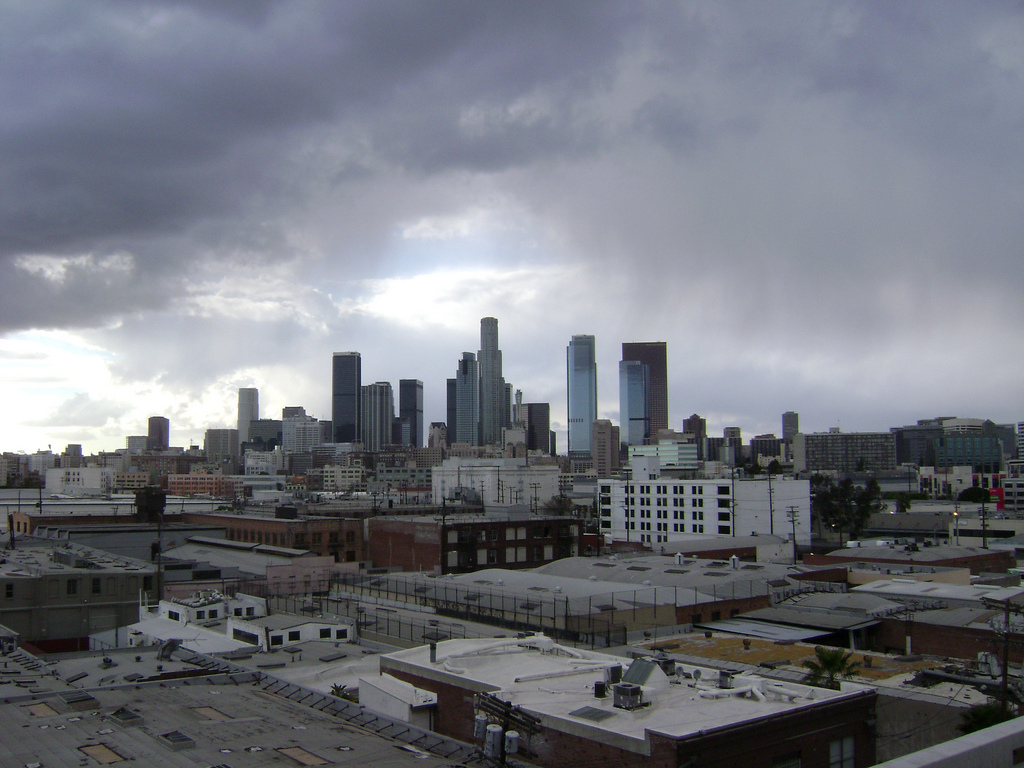
Climate change is giving us a whole new language to describe the giant rain/snowstorms that have pummeled California since November 2022. Originally, there were the Pineapple Expresses which dumped large amounts of precipitation. There were maybe one or two in a rainy season, and just as likely none. Now the term Atmospheric River is used by the National Oceanic and Atmospheric Administration (NOAA). And then there are the Bomb Cyclones, fast-developing storms that occur when atmospheric pressure drops at least 24 millibars over a 24-hour period. Sometimes, all three terms are used to describe the same storm.

This year, California has experienced thirteen Atmospheric River storms this rainy season, dumping a record amount of precipitation in the form of rain and snow. I was watching a news report from Mammoth Lakes today which claimed that over 700 inches of snow have fallen in the area so far.That’s over 58 feet in all. Fortunately, it didn’t all fall at one time.

I suspect that we are probably at or near the end of these storms for this rainy season. These events have convinced me that there is risk entailed by siting a house in a low river valley or by a non-rocky hillside. Or by living in a trailer park.

The good news is that California agriculture will probably recover stronger than ever, except for those crops that don’t like too much water.

Beware: Raindrops!

Rain Predicted for Los Angeles! Flee to the Hills!

The dire warnings have been appearing on the news for several days now: Rain is coming to Los Angeles. The city of brown lawns (watering of which is forbidden) is about to entertain a soaker. In a city unused to rain, the water that turns everything green and fills the reservoirs is also a present danger.

For one thing, drivers don’t seem to be able to modify their motoring to accommodate wet roads and flooded street corners. (What, I wonder, would they do in the icy streets of Cleveland?) I always slow down when it rains. It helps that my vehicle is an all-wheel-drive Subaru Forester.

Weather forecasting in a region of mountain ranges, valleys, and dry rivers with concrete banks is a chancy thing. Undoubtedly, some areas will get several inches of rain—mostly in the mountains; but in our neck of the woods, we rarely get as much as the news forecasts. At least in the last several decades, there is been a palpable drying trend. I remember some rainstorms of the 1970s and 1980s that did significant damage and dumped large amounts of precipitation.

I actually like the rain—even when it tends to fall on the weekends. Now that I’m retired, that’s no longer an issue.

In Cloudy Santa Barbara

Humboldt Penguin at the Santa Barbara Zoo

Today Martine and I set out for the Santa Barbara Zoo, which is open for prepaid admissions. The Spring marine layer was in force, with heavy clouds and some drizzle between Ventura and Santa Barbara. It had stopped by the time we got to the zoo, so we were hopeful. We had a nice time despite the absence of the elephants (which were being replaced by an “Australian Walkabout” of some sort.) Also, the aviaries and some of the indoor exhibits were closed down “because of the virus.” Also, many other animals were either missing or hiding from view.

I suppose I could understand this. If I were in a cage at the zoo, I would not be too terribly interested in gaping at the teams of children and their harried parents. So I would probably present them with my hindquarters, like the above Humboldt Penguin. (Curiously enough, these Penguins come from near the Equator off the coast of Peru—not Antarctica.)

One animal which had no problem facing down the staring zoo visitors was the African lion:

We were done in about an hour, but satisfied by our walk in the cool, cloudy weather. Zoos are never perfect, but the small Santa Barbara Zoo is better than most. The LA Zoo is characterized by massive traffic jams and stroller collisions with adult ankles.

After the zoo, we drove down to the harbor and had lunch at Brophy Brothers, one of our favorite seafood restaurants in Southern California. Their New England clam chowder is to die for, and I also enjoyed the grilled mahi mahi sandwich.

By the time we were headed back home, the sun came out around Ventura and stuck around for the rest of the afternoon. In celebration, we drove home on the relatively uncrowded California 126 and stopped for strawberries the size of clenched fists at Francisco’s Fruit Stand in Fillmore. Also I picked up some yummy dried mangos and Banderita Mexican cocoanut candy.

It was a fun day, probably the most fun we had together since the onset of the plague in March 2020.

A Hint of Fall

Could Summer Really Be Over?

Our seasons in Los Angeles are very different than in other parts of the country. For the last few days, we’ve had a touch of autumn; but that doesn’t mean that there will be any consistency in the weather over the next six weeks or so. We might very well be in for a spell of hot, dry, windy weather—otherwise known as the Santa Ana winds. Or we could actually get some measurable (i.e., more than 1 centimeter) precipitation, though that is unlikely. It will probably get cooler in the evenings, or not.

One thing for sure: My left knee is aching, and I struggle slightly to rise from a sitting position. I’ve just taken some aspirin, which will probably help some. And I will probably get my flu shot sometime this week, because the flu season sets in fast whenever the weather gets cooler.

Although this has not been a particularly hot summer, it has been a humid one. Our humidity usually lasts only through July, but this year it has been virtually non-stop. We even got some slight drizzle yesterday and Friday. It would be nice if we had another wet winter, though the scientists who predict this sort of thing say that California will continue to have terrible droughts. This translates into terrible wildfires. Sigh!


The Year of the Camellia

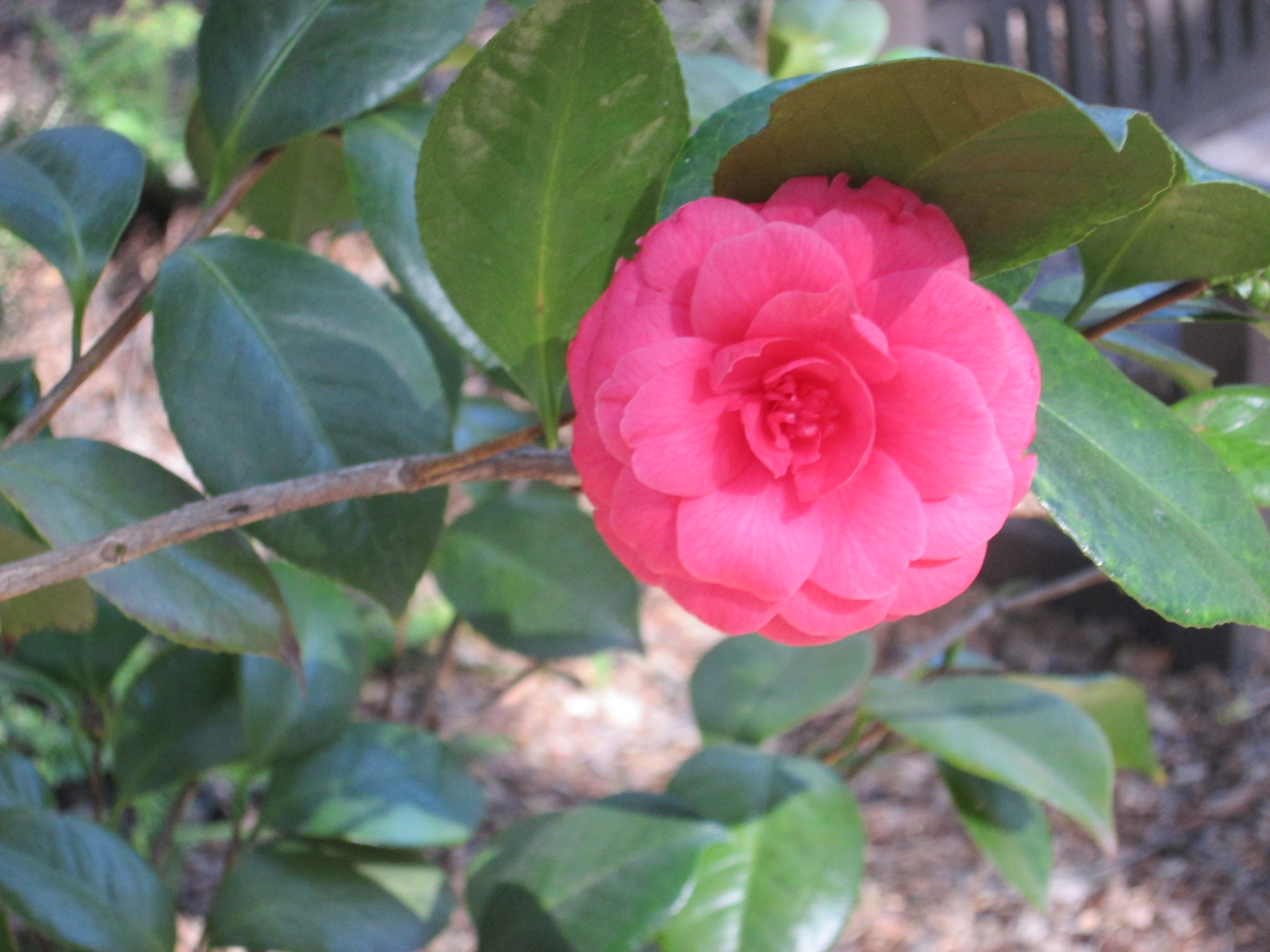
Camellia Japonica at Descanso Gardens

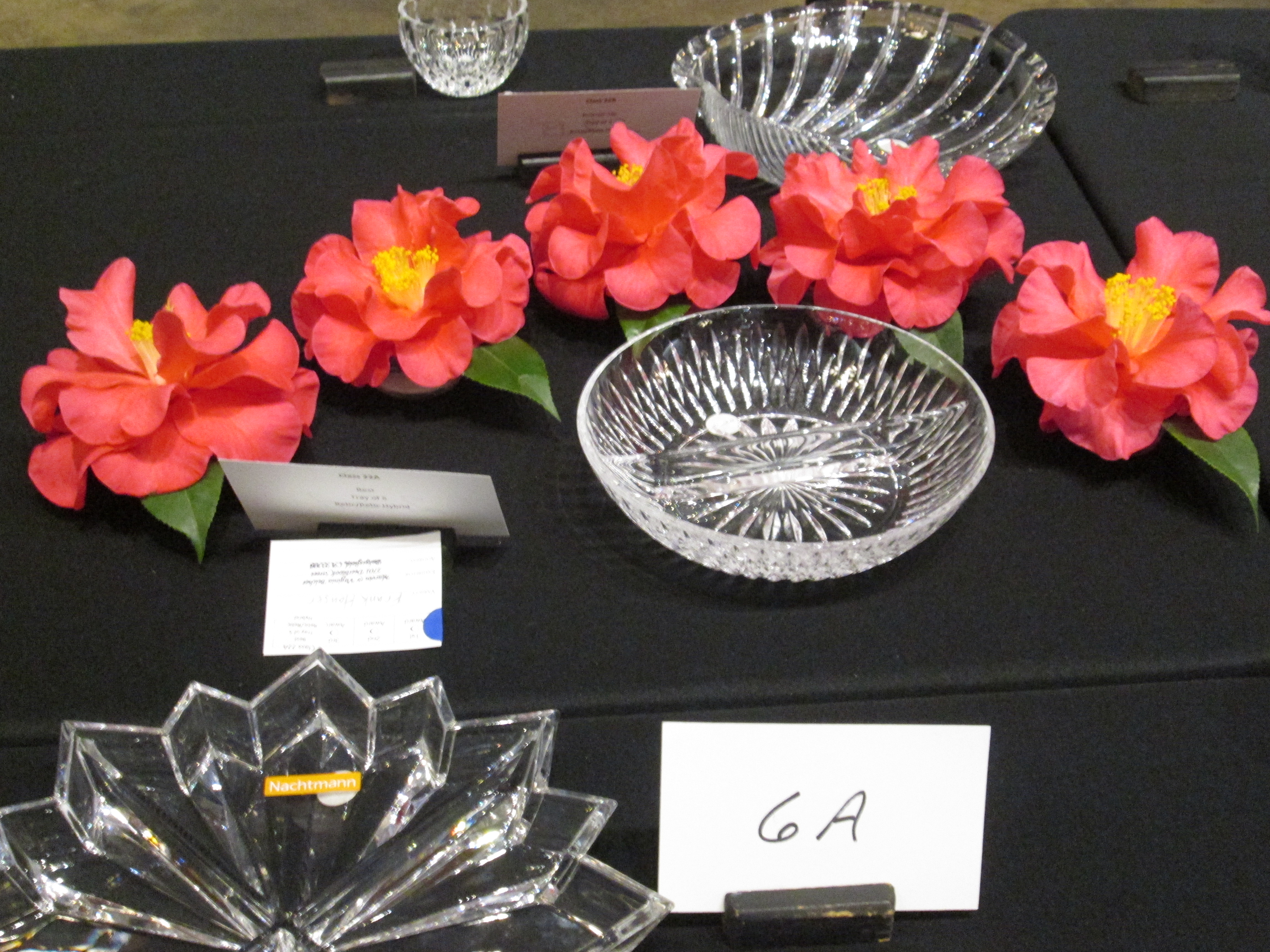
On Saturday, Martine and I went to Descanso Gardens. We were amazed at the lushness of the camellia forest after the torrential rains of the last six weeks. And, to make things better, there was also an exhibition of particularly beautiful camellia blossoms. It was a good day, something like the old days, which ended when a sudden switch was thrown and Martine was too depressed to enjoy anything. I hope this is a portent of better days to come for her.

I have finally succumbed to the cold, rainy weather and come down with a nasty cold. It’s as if my body were down a quart of the oil it needs to run. But this too shall pass.

Award-Winning Camellia Blooms

Actually, I’m surprised I haven’t come down with something earlier. The temperature has not edged much above 60° Fahrenheit (16° Celsius) since I’ve returned from Guatemala. Moreover, this is the rainiest winter we have seen for a couple of decades, it seems.


From Point Conception to the Mexican Border

The Lighthouse at Point Conception

For all the years I have lived in Southern California I have heard weather reports that included the phrase “from Point Conception to the Mexican Border.” It has finally entered my skull that, in terms of the weather, the border between Northern and Southern California is at a place in Santa Barbara County called Point Conception. North of Point Conception, the California coast is fairly vertical; south of the Point, the coastline goes from northwest to southeast. If you look at weather maps showing wind patterns, it is a fairly good bet that they split off in two directions once they reach Point Conception.

The area around the Point is sacred to the Chumash Indians as the “Western Gate” through which the souls of the dead pass between the mortal world and the heavenly paradise of Similaqsa. When a natural gas exploration firm attempted to drill there in 1978, the Chumash protested and faced them down.

Tonight, we have rain in the forecast, for only the second time since early last spring. It’s not supposed to be a big storm, only about a half inch or so; but any amount is most welcome.


It Never Lets Up

California Appears To Be A-Changing

I know I’ve mentioned this before, but there seems to be a serious discrepancy in weather forecasts, especially with regards to the duration of heat waves in the coastal area. A three-day heat wave was predicted for Zip 90025 beginning July 5 of this year. The first day of the heat wave was indeed a scorcher, with the mercury at nearby UCLA topping off at 111°, a new record. Then we were supposed to go down to the Seventies (Fahrenheit), but every day since then, for six weeks and counting it has been in the Nineties or, at the very least, in the high Eighties.

My apartment was built in another era when there used to be cool summers. Therefore, we have no insulation. We are on the top floor, and the roof superheats and makes the inside temperature 10-15 degrees warmer than the outside temperature until the middle of the night. I have slept atop the blankets for six weeks, burrowing under the covers in my sleep when it finally cools off.

What is worse, when it gets hot in Southern California during the early summer, the humidity is much higher than normal, making the heat feel more oppressive than the temperature reading. The reason is that, for the deserts of the Southwest, this is the rainy season, with monsoonal moisture coming up from Mexico and causing humidity and, in the deserts, rain.

Two or three days a week, I head for the Westfield Mall in Culver City to enjoy their air conditioning, read a book, and eat lunch. By the time I return home, around three or four in the afternoon, it is hot and muggy indoors. But at least I have had some comfort.

For those of you in the metric zone, here is a translation of the Fahrenheit readings mentioned in this post:

  • 111° F = 44° C
  • Seventies F = 21-26° C
  • Eighties F = 27-32° C
  • Nineties F = 32-37° C

My brother thinks that the weathermen deliberately underestimate the length of a heat wave just to keep people coming back to their news station for current updates. But then, why do that on the Internet, too?


My Los Angeles

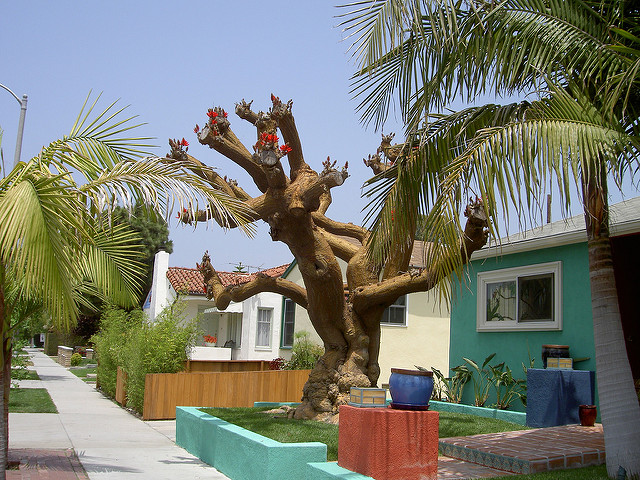
Tree on Ocean Avenue in Venice

I guess that by now I’m officially an Angeleno. It was late in December 1966 that I took a train to arrive at L.A.’s Union Station and was met by former neighbors from Cleveland, Ohio. It was the first time I had ever been west of Chicago, so all I saw was new to me. All that pastel stucco instead of the sooty red brick of Northeastern Ohio. The plants were all different. The climate was strange. Even the people were somewhat odd. Fortunately, I was rooming on Sunset Boulevard with a friend from Dartmouth College days, with whom I am still a close friend.

Mind you, I did not take to the place at once. For years, I thought of myself as an Easterner. It was only by slow degrees that the light of Southern California, with those beautiful sunsets over the Pacific, started to work a sea change in me. There were some things that repulsed me. Numero Uno: Earthquakes. The Sylmar quake of 1971 hurled me out of my bed and scared the stuffing out of me. Last night, while I was recording a Max Ophüls film—The Earrings of Madame de … (1953)—on videotape, I felt a sharp jolt. Even after all these years, I felt a moment of terror. Should I run for the bedroom hallway, where I would be safe from falling building parts? Should I just shrug my shoulders? I opted to go to bed.

Martine is even more nonchalant about temblors than I am—probably because she never felt one of the big ones, such as the ones in 1971 and 1994. Ah, well, she’ll learn!

I still don’t think much of L.A. drivers. They tend to be lazy about following the law, such as signalling lane changes and crashing red lights and stop signs. But then, it could be that way in most other big cities, too. I seem to remember not liking to drive in Miami, Calgary or Las Vegas either.

Some things I really like about Los Angeles are:

  • The food. California looks South (Latin America) and West (Asia) for its cuisine.
  • The politics. As a determined Trumpf-hater I feel in good company in this very Blue State.
  • The mountains. There are some mountains in Los Angeles County that are 10,000 feet high, a far cry flat flat Ohio.
  • The deserts. So we don’t get much rain, but the deserts of the Southwest are beautiful, so long as you don’t make the mistake of visiting them at the wrong time.
  • The coast. Driving along the Pacific can be gorgeous, especially in the early morning before the Beemer bozos get out of bed.

You’ll notice that I didn’t mention the weather. I’ve never liked really hot weather: And every year we get about 20 days of horrendously torrid weather. Fortunately, Martine and I live only two miles inland from the coast, so we can usually catch a few breezes, but not always.

Thunder and Lightning and Rain

This Never Happens in L.A., Does It?

This Never Happens in L.A., Does It?

It is a well-known fact that I have become openly contemptuous of all he hoopla about this year’s El Niño predictions. Well, early this morning, we were hit by a major thunderstorm that abated just as I started dressing up to go to work. There was, in addition to the thunder, considerable lightning and rain. In Altadena, my friend Bill Korn showed pictures of his vegetable garden under a layer of fall hail.

I guess, better late than never. I wouldn’t mind seeing a few more of these storms over the next couple of months. We still need to fill those reservoirs and deepen that Sierra snow pack.


Get the H Out of There!

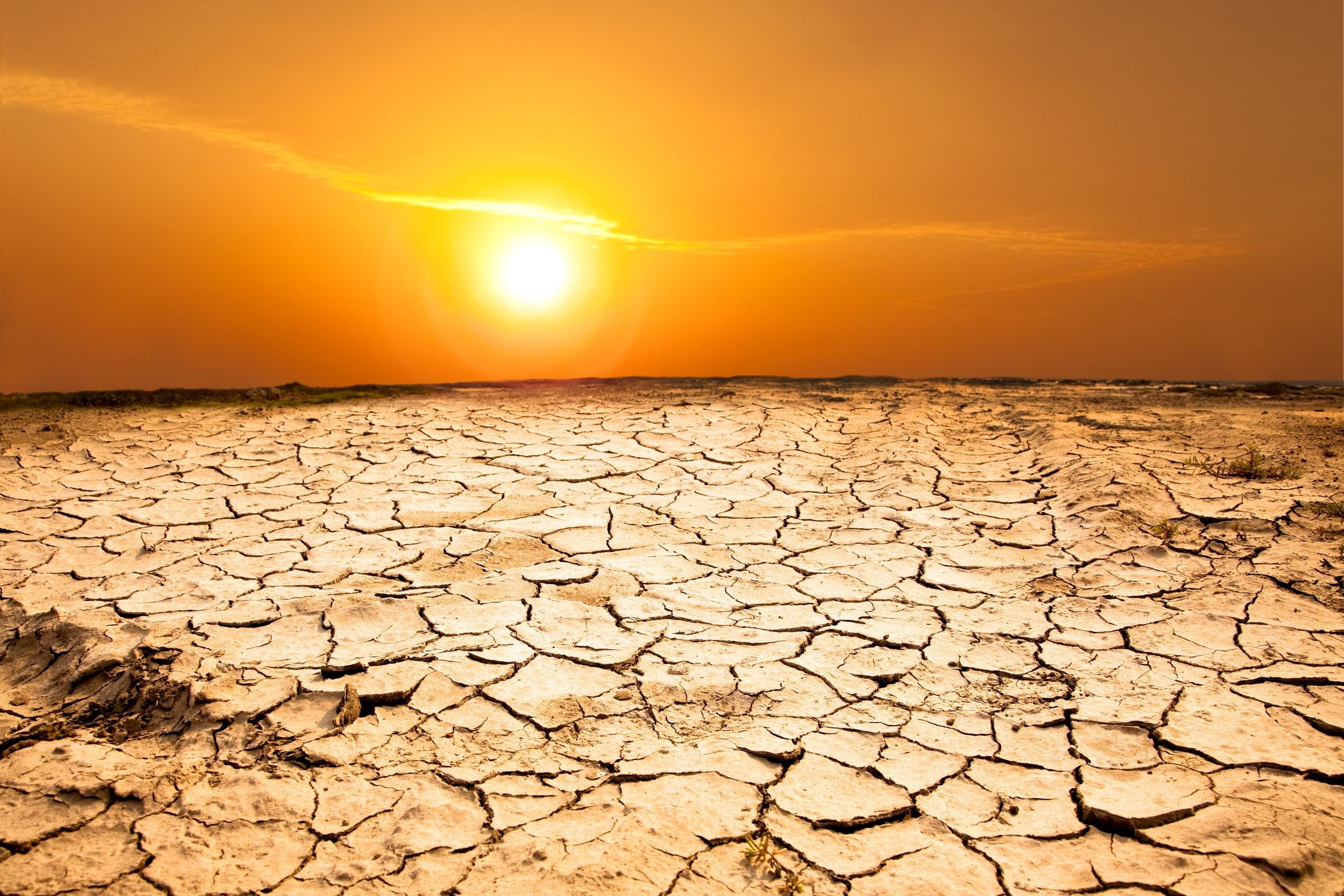
The Atacama-ization of Southern California

The Atacama-ization of Southern California

This was supposed to be a wet rainy season, courtesy of the strongest El Niño in years. Well, February is almost over; and we rarely get much, if any, rain in March and April. The El Niño has sent a lot of rain to Northern California, which is good, but now a high pressure ridge is setting up in the Rockies which will dry everything out and make the mercury rise. And it may result in the dwindling of the now respectable snowpack in the Sierras.

By the picture caption above, I mean that Southern California is becoming North America’s own equivalent of Chile’s Atacama Desert, where it almost never rains. I believe the last flood in the Atacama was witnessed by Noah.

In the meantime, Martine and I scoff more than ever at weather reporters. El Ninny strikes again!