The Halloween 2020 Book List

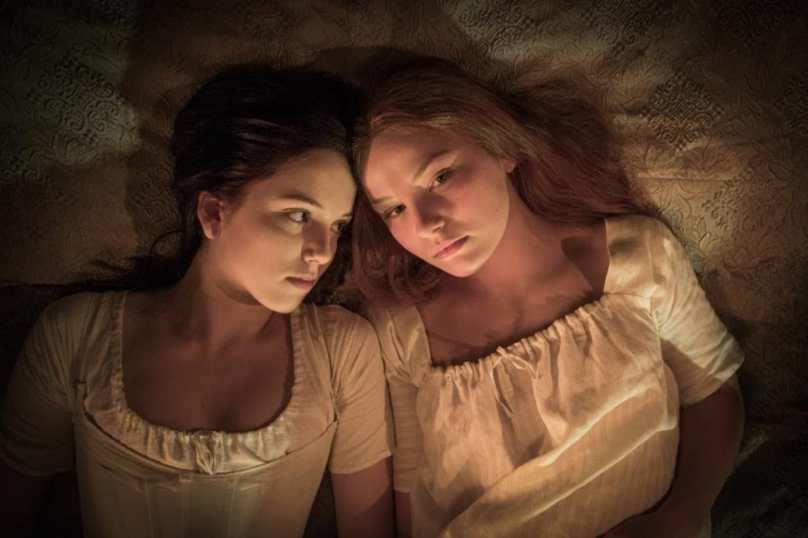
A Canadian Adaptation of LeFanu’s Carmilla (2017)

Every October, I usually read several novels and short stories in the horror genre. I do not care that much for the current stuff, like Stephen King or Dean Koontz. My preference is for the classics, and those tend to be concentrated in the late 19th century.

The books I read this month were:

  • Shirley Jackson’s Dark Tales
  • Joseph Sheridan LeFanu’s In a Glass Darkly, which included the short novels Carmilla and The Room in the Dragon Volant
  • Arthur Machen’s The Great God Pan and Other Horror Stories, a new collection edited by Aaron Worthy

Shirley Jackson is most famous for her short story “The Lottery,” but she also wrote such novels as We Have Always Lived in the Castle and The Haunting of Hill House.

Sheridan LeFanu (1814-1873) was an Irish author who wrote some classic tales of horror, especially Carmilla, a tale of a lesbian vampire who predated Bram Stoker’s Dracula by some twenty years. In 1960, it was made into a film by Roger Vadim entitled Blood and Roses (in France: Et mourir de plaisir). At the time I attended college, it was the most popular film showed by the Dartmouth Film Society.

Welsh Horror Tale Author Arthur Machen

Finally, there was a delightful collection of novellas and tales by Arthur Machen (1863-1947). Most of Machen’s best work was composed up to the late 1920s and included the classic The Great God Pan (1894), which tells of what happened when a young woman who, upon being exposed to the Greek god Pan, created a trail of destruction that spanned several continents.
A Movie for 2020

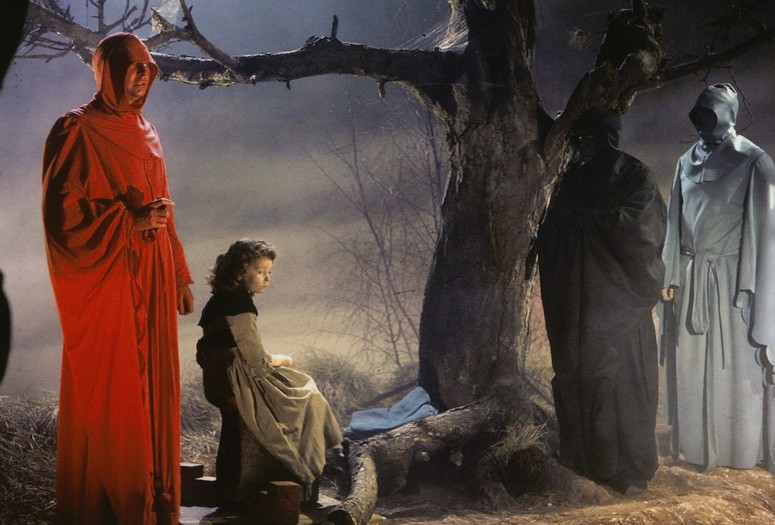
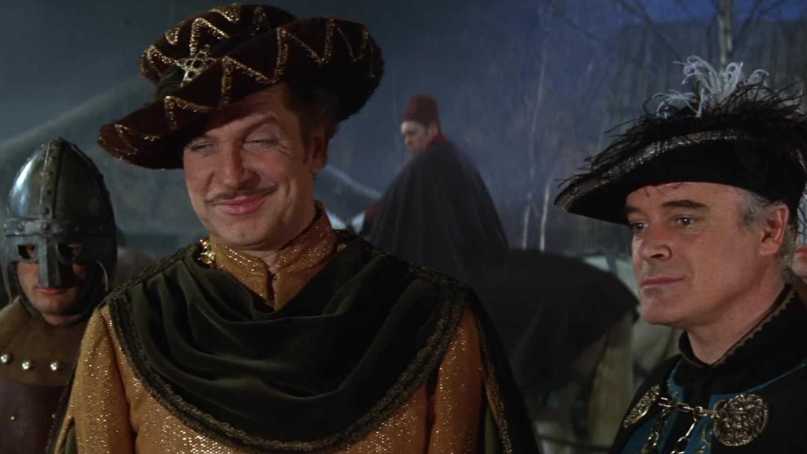
Vincent Price as Prince Prospero and Patrick Magee as Alfredo

As we approach Halloween, I propose a 1964 film by Roger Corman as the perfect paradigm for our year of coronavirus and Trump—namely, The Masque of the Red Death.

The story concerns a gathering of wealthy friends (let’s call them billionaires) of Prince Prospero at his castle while the Red Death plague rages through the land. It is my favorite Roger Corman film, with elegant color photography by Nicholas Roeg.

Unfortunately, the character of Vincent Price’s Prospero, nasty as he may be, is played by too interesting an actor to be a stand-in for Donald J. Trump—though he wealthy guests are perfect. One can imagine the My Pillow Guy and the founder of Goya Foods at this party.

You might also want to read the Edgar Allan Poe story from which the film is drawn. You can find it here.

Death Is Stalking the Land in Masque of the Red Death

In the end, Prince Prospero and all his guests come down with the Red Death, which they had so studiously tried to avoid. And curiously, the character is plays the personification of the deathly plague is, once again, Vincent Price.

Radar Men from the Moon

Not a Moon Monster: It’s the Hero, Commando Cody

Thanks to the ’rona quarantine, I have been seeing a lot of movies on television and on my computer. Today, I tipped the scales toward schmaltz by viewing all twelve episodes of a 1952 Republic Studios serial entitled Radar Men from the Moon. It starred George Wallace as the hero, Commando Cody. (It appears that Commando is his first name, not his title, as he is addressed by characters several times as “Commando.”) For me, however, the most interesting character is Clayton Moore, who both before, during, and after the serial played the Lone Ranger on TV with Jay Silverheels as Tonto.

Like the last film I recommended here (Carnival of Souls), Radar Men from the Moon is now in the public domain, so you can find it cheap or free.

Re-Release Poster for Radar Men from the Moon

The funny thing about the serial is that just about everything the would-be moon invaders try is nipped in the bud by Commando Cody. The two failed villains are Clayton Moore as Graber and Bob Stevenson as Daly. None of the Luna-tics seem to be directly involved in anything but giving Graber and Daly new orders, which they invariably fail at.

The moon forces have some spiffy ray guns made with a better-than-uranium element called lunarium (of course) which they use to blow up trains and cause general havoc, mostly in the first episode.

If you watch this serial, you might not want to watch all twelve episodes at once, unless you are very high on something. Better to break it up into multiple sessions as it was originally intended to be seen.

Favorite Films: Carnival of Souls

A Strange Film That Appears To Be in the Public Domain

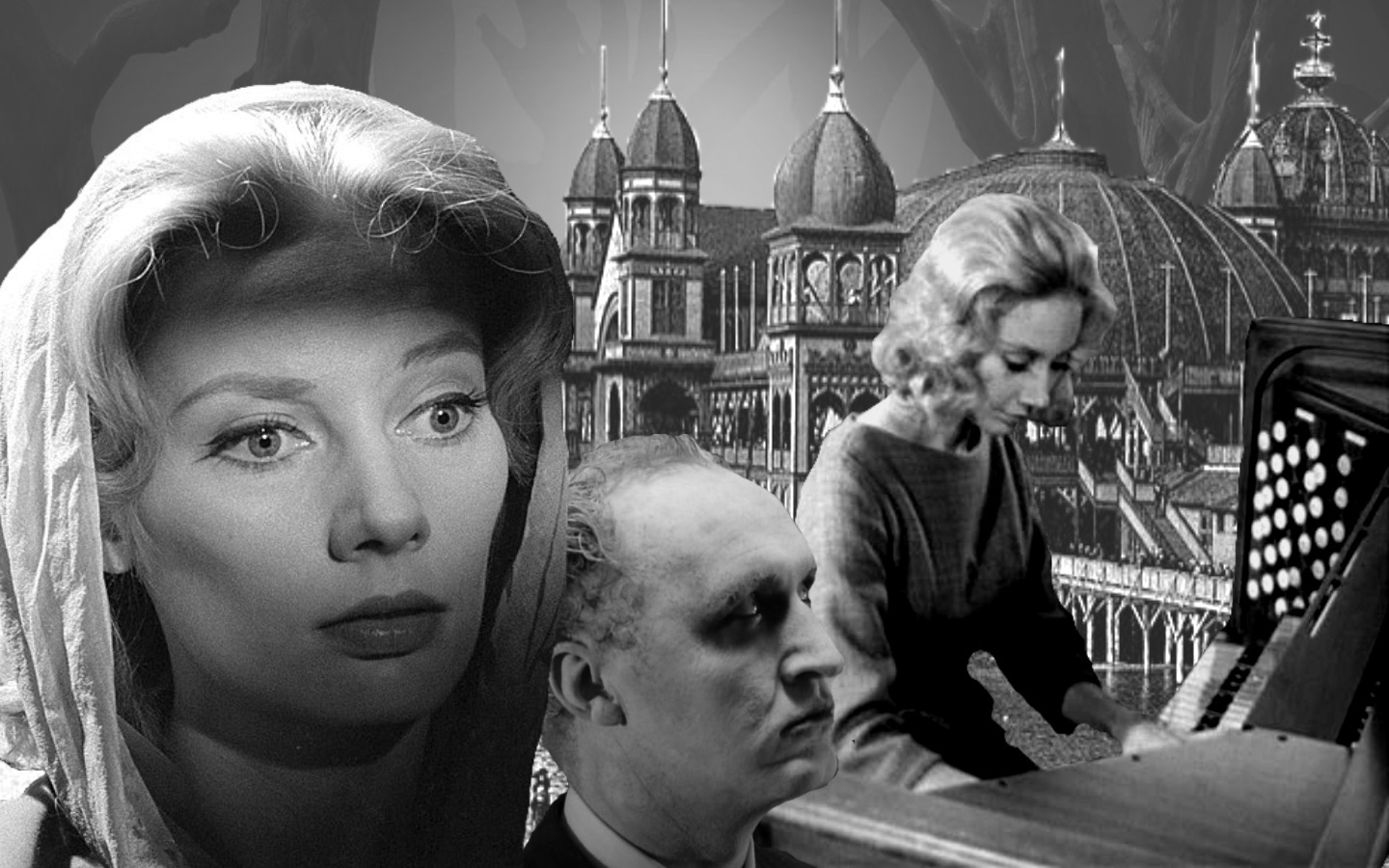
Let’s face it: There are precious few independent feature films shot in Lawrence, Kansas (oh, yes, with some scenes shot in Utah), that are worth seeing. I think I can venture to say that Carnival of Souls (1962) is an exception. The director, Herk Harvey, did not make any other feature films; and the radiant star, Candace Hilligoss, was only in a few other unmemorable productions.

If you have ever read Ambrose Bierce’s dreamlike short story “An Occurrence at Owl Creek Bridge,” you will find that Carnival of Souls is oddly familiar in its own way. It begins and ends with a fatal auto accident with the implication that the whole story is a kind of fantastic dream.

Mary Henry (Candace Hilligoss) is the sole survivor of an auto accident in which a car goes off a bridge into the river, killing two of the three riders within. Having no memory of what happened, she checks in at a Salt Lake City Hotel where she runs into a number of strange individuals who are attracted to her. One of them is played by the director (Herk Harvey) as a kind of zombie figure. She is drawn to an old abandoned pavilion, shown in the photo below.

The Saltair Pavilion in Utah

The film ends as she runs away from the pavilion, pursued by shadowy figures. Her footprints suddenly disappear. Cut to the auto accident, in which there are now three fatalities, including Mary Henry.

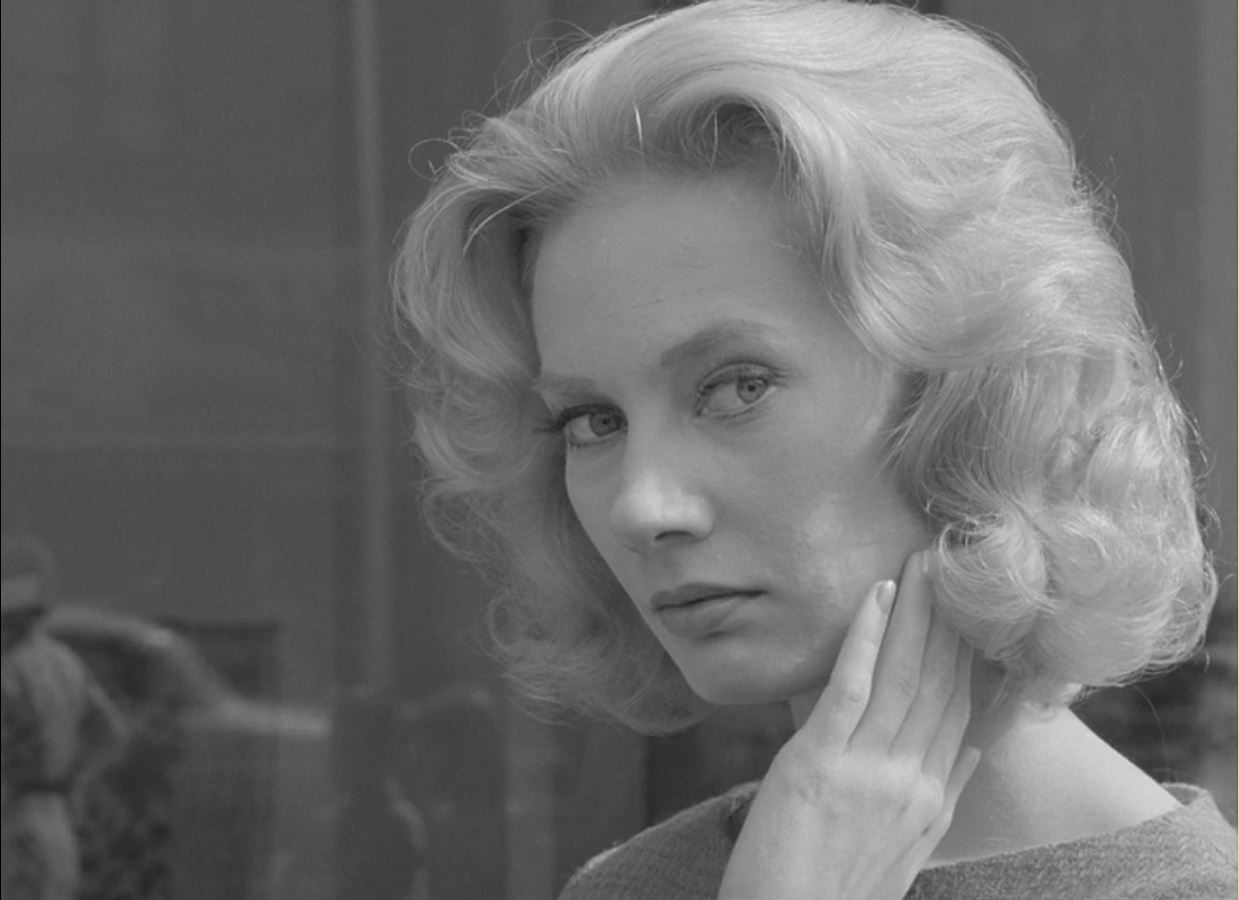
It’s fairly cheap and easy to obtain a DVD of Carnival of Souls, as it appears to be in the public domain. Also, it is available free at present to members of Amazon Prime. I think it’s worth seeing if only to see the beautiful Candace Hilligoss, with her high cheekbones. the sole contribution of Huron, South Dakota to the art of film.

Candace Hilligoss


Cineconline

A Precursor of King Kong?

Over the last ten years, I have spent much of the Labor Day Weekend in Hollywood watching movies at Grauman’s Egyptian Theater as part of the annual Cinecon festival. This year, because of the coronavirus quarantine, the management of Cinecon decided to make the show available online at no charge—except for several please to donate (which I did).

A Well-Crafted Silent Film

The films typically screened for Cinecon are rarities. One doesn’t encounter the classics with which everyone if familiar. In fact, most of the titles are fairly obscure. The four features that were screened online this year are:

  • The Fourth Commandment (Universal 1926), directed by Emory Johnson
  • Without Pity (Italy 1948), directed by Alberto Lattuada and co-written by Federico Fellini
  • Sherlock Holmes’ Fatal Hour (England 1931), directed by Leslie S. Hiscock
  • Lorraine of the Lions (Universal 1925), directed by Edward Sedgwick

A Decade before Basil Rathbone’s Sleuth

I particularly liked Without Pity, an Italian Neo-Realist film with a very advanced subject: The love between a black G.I. and a blonde Italian woman who has lost everything in the war. It was made in 1948 at a time when no American film would be so daring on the subject of interracial love.

Also shown was a two-hour program of rare kinescopes (“Kinecon on Cinecon”) from the earliest days of television including Jan Murray, Bob Hope, George Burns and Gracie Allen, Dean Martin and Jerry Lewis, and Milton Berle.

A 1948 Italian Film About Interracial Love

In addition, there were the usual silent and early sound shorts with such capable but relatively unknown stars as Billy Bevan, Al Jennings (a train robber become Western star), Edward Everett Horton, Lige Connelly, and Andy Clyde.

I did not see all the short films. After all, life must go on. But what I saw only whetted my appetite to see what they have scheduled for next year.


A Villa on Capri

Italian Writer Curzio Malaparte’s Villa on Capri

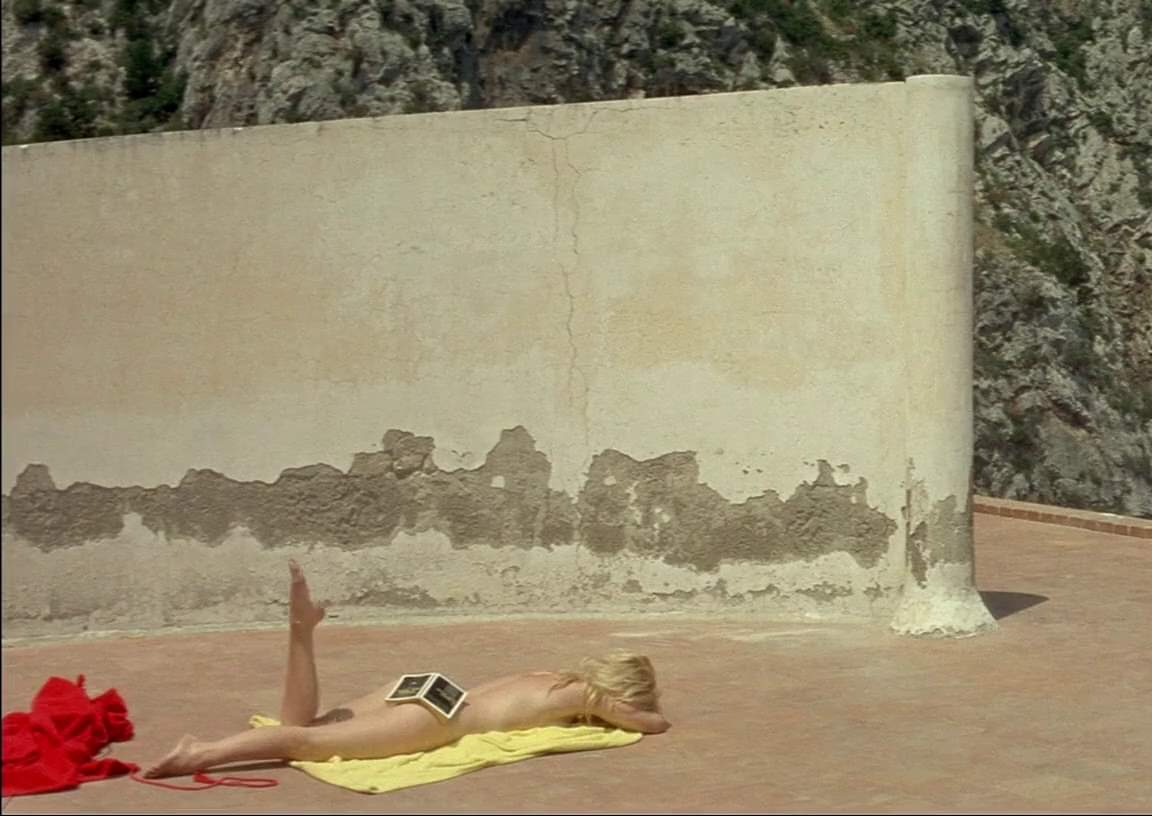
This is the story of a coincidence that I didn’t realize at the time (in the 1960s), but that I learned about much later as I became more well read. I will start with the film, Jean-Luc Godard’s Contempt (in French Le Mépris) filmed in 1963. Based on a 1954 novel by Alberto Moravia, known in the English world as either Contempt or A Ghost at Noon, the Godard film tells the tale of a marriage between a writer named Paul Javal (played by Michel Piccoli) whose marriage to his wife Camille (Brigitte Bardot) falls apart as Camille is used as bait an American film producer named Jeremy Prokosch (Jack Palance). The second half of the film was shot at a beautiful villa in Capri (shown above).

In the late 1960s, I thought the film one of the greatest ever made, largely because I was so impressed by the nude body of Brigitte Bardot. Now, I no longer think of it even as Godard’s best film. For that, I would now select either Alphaville or Pierrot le Fou, both made in 1965.

Brigitte Bardot Sunbathing on the Roof of Malaparte’s Villa in Contempt

Only much later did I learn that the villa featured in Contempt was actually the villa of a great—albeit twisted—Italian writer who called himself Curzio Malaparte (1898-1957). Born Curt Erich Suckert of a German father and an Italian mother, he chose the pen name Malaparte because it was the opposite of Napoleon’s family name: Malaparte means “bad side,” whereas Buonaparte means “good side.” And he tried in his works to live up to his pen name. If you are interested in acquainting yourself with his works, I suggest you read Kaputt (1944) about the German Eastern Front and The Skin (1949) about the American invaders of Italy in Naples.

Curzio Malaparte

Oh, and I still think you should see Godard’s Contempt. Even after all these years, Bardot’s derrière is still capable of inspiring lofty thoughts.


My Muses Part 1

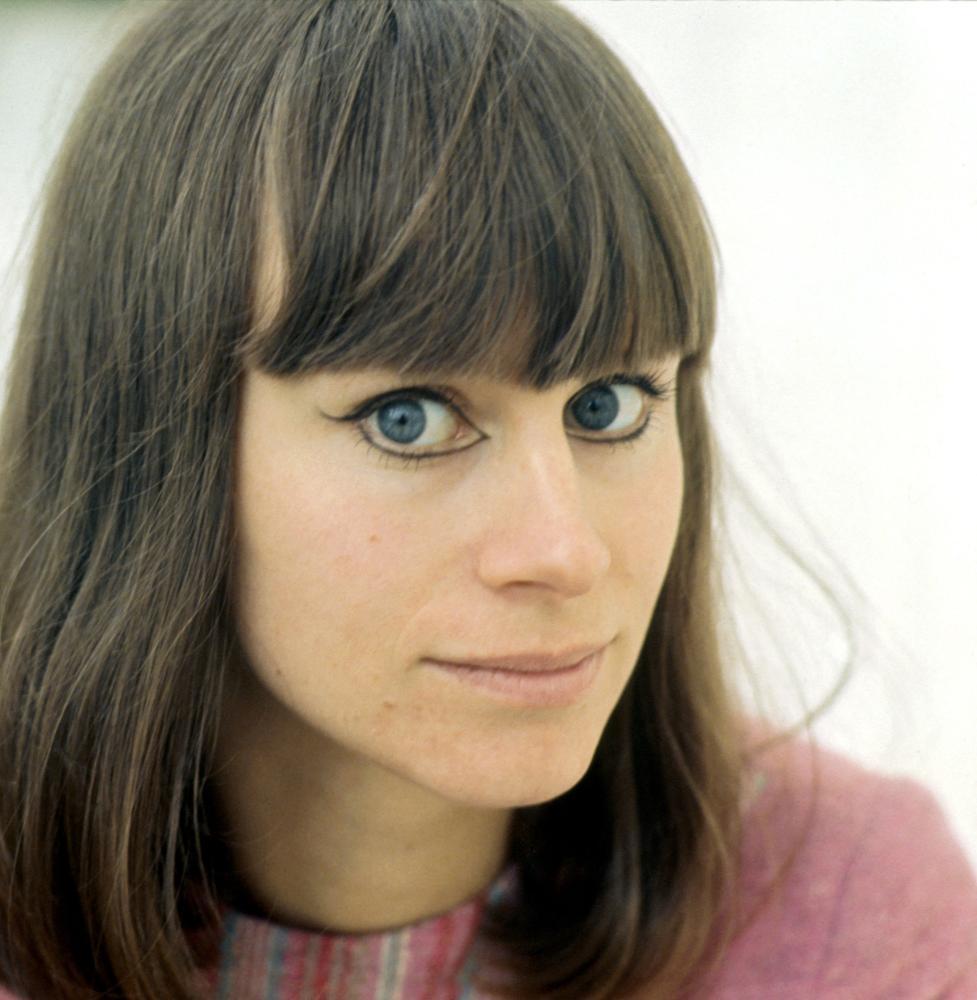
Rita Tushingham

I had always viewed myself as something of an ugly duckling. In grade school, I was always close to being the shortest kid in class. Also, I was always a bit on the scruffy side—and I still am. So when I wound up in college, some six hundred miles from home (and me never having been more than a few miles from home before), I found myself gravitating toward the movies.

The first film I saw projected at Dartmouth’s Fairbanks Hall was Carl Dreyer’s Day of Wrath (1943), a film about witchcraft that got me started thinking about film as an art form. I was particularly impressed by the Danish actress Lisbeth Movin, who plays a young witch married to a minister. I don’t think I had ever seen an actress quite so beautiful. Now, some sixty years later, I still think of her as radiant.

Lisbeth Movin in Dreyer’s Day of Wrath

I was always enthralled by the beauty of certain actresses, even though I felt like Caliban in front of most girls. At the time, Dartmouth College had only male students; so I was relatively safe from making a fool of myself.

My next “muse” was Rita Tushingham who made a big impact on me during the 1960s.

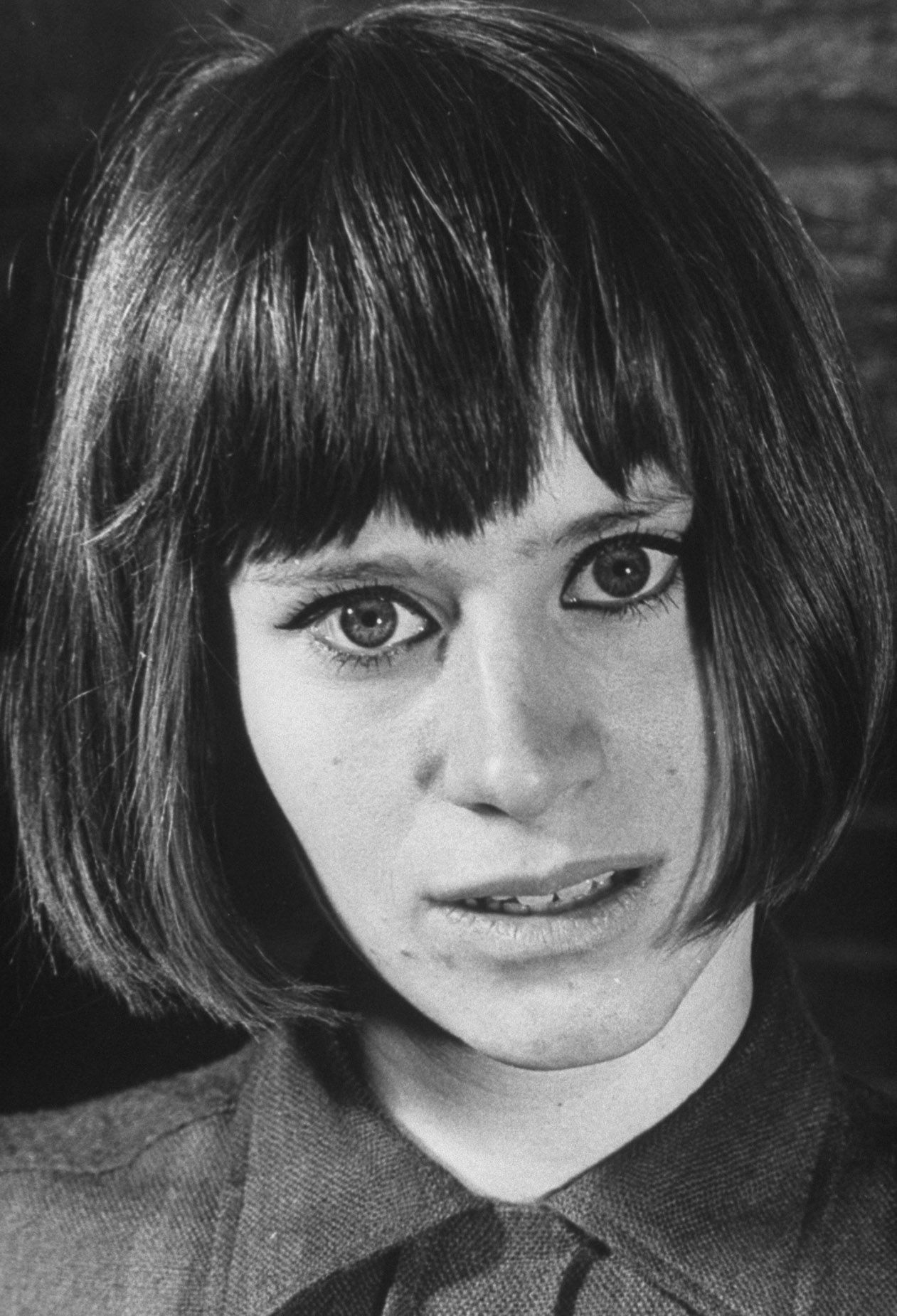
Another View of Lovey Rita

Her eyes were so close together under her bangs, and her nose was the perfect ski jump, but I was enthralled. She had been described by some in the press as “ugly,” but I did not think so. According to an article in the guardian, “A New York Times reporter who met her described her as ‘a slip of a girl, her uncosmeticised face framed in straight dark hair, wearing a sweater and jeans, with those enormous eyes incessantly expressive even when the rest of the small face disappeared behind a big yellow coffee cup.’”

I think it was the eyes that did it. I have always been a sucker for women with eyes that seemed to come to life. Today I saw her first film, Tony Richardson’s A Taste of Honey (1961). She was to appear in other 1960s productions such as The Girl with Green Eyes (1964) and Doctor Zhivago (1965), but it was that gamine Rita of the 1960s that I so dearly loved.

The Truest Grit

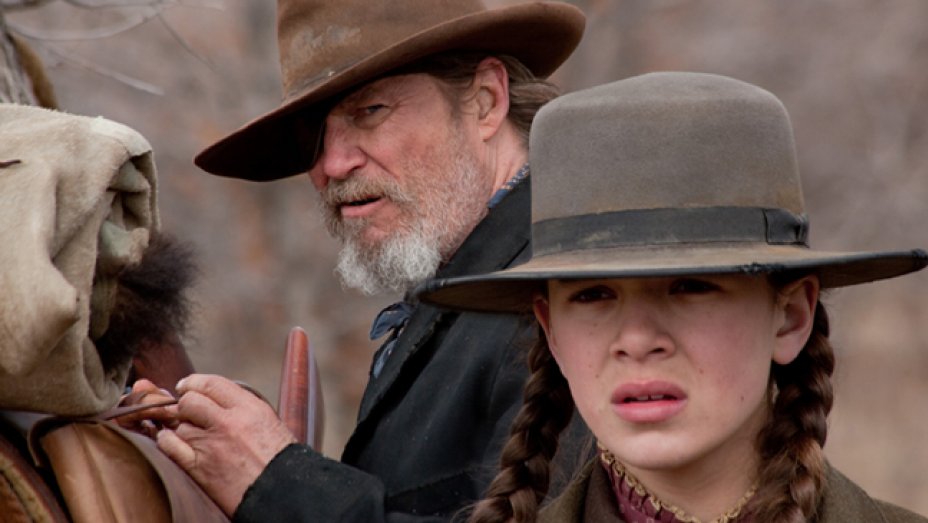
Jeff Bridges and Hailee Steinfeld in the 2010 Version of True Grit

It is generally considered a truism that a film remake is nowhere near as good as the original. Most of the time, that’s true. One case where it is not is the 2010 version of True Grit directed by Joel and Ethan Coen. I liked the John Wayne version with Kim Darby well enough, though I did not like Kim Darby near so much as I liked Hailee Steinfeld as the redoubtable Mattie Ross.

So today I decided to read Charles Portis’s 1968 novel. Earlier this year, I had read Dog of the South and Gringos and found in Portis a novelist very much to my liking. True Grit was even better. So good that I read straight through it, reveling in its language, which reminded me of the best of Mark Twain.

Novelist Charles Portis (1933-2020) with John Wayne as Rooster Cogburn in the Background

One of the things that struck me about Portis was how true he was to the idiom and the culture of his native Arkansas, even when he was setting his fiction in Mexico. Portis was not only authentic, but he was often funny and wildly entertaining. The ides of a 14-year-old-girl hiring a U.S. marshal to go after the killer of her father is by itself promising, but Portis made Mattie Ross into one of the most beloved girl characters in all of American fiction—all just by being fanatically true to her place and time.


The Prisoner [of Coronavirus]

The 1960s British Television Series That Epitomizes Our World

On one hand I am imprisoned by the dread ’Rona; on the other, I am liberated by it. I have been binge-watching the 1967 British television series The Prisoner, starring (an co-created by) Patrick McGoohan. Thanks to my being a member of Amazon Prime, I have access to a wealth of movies and television shows streaming at little or no cost to me. So far, I have seen all but the last five episodes of the series, which I have found to be a liberating experience.

If you are not familiar with The Prisoner, it is about an unnamed spy for British intelligence who resigns suddenly and is carried off to a prison community referred to as “The Village,” in which everyone is known by a number. Our hero is Number 6. The village is headed by by a mysterious Number 1, whom thus far I have not seen, but is managed by a Number 2, who changes from one episode to the next—sometimes even within a single episode. Number 6 wants more than anything else to escape the village.

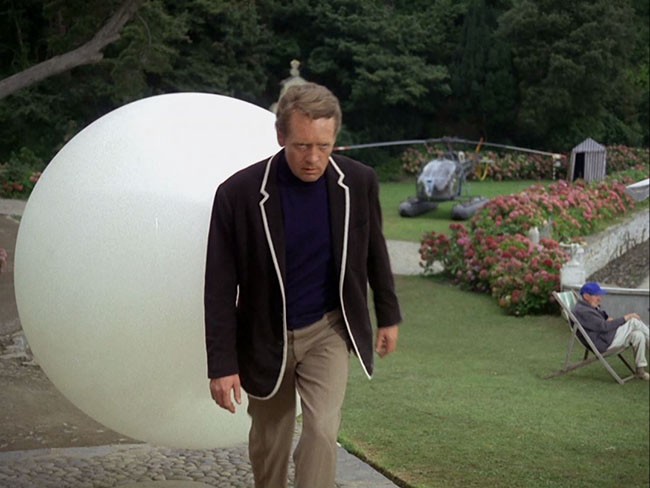
Number 6 Being Stalked by an “Enforcer Balloon”

One of the strange things about the village is that both the prisoners and the warders look alike, wearing overly cheery British resort wear, including multicolored capes and twirling multicolored umbrellas. It gives the prisoners a kind of manic appearance, as if most of them are enjoying their captivity.

When the series first came out in the U.S., it was too difficult for me to tune in at the same time on days it was broadcast. Now, as prisoner of the coronavirus, I can enjoy the series. (The same goes for Deep Space Nine, which I am binge-watching in parallel.)

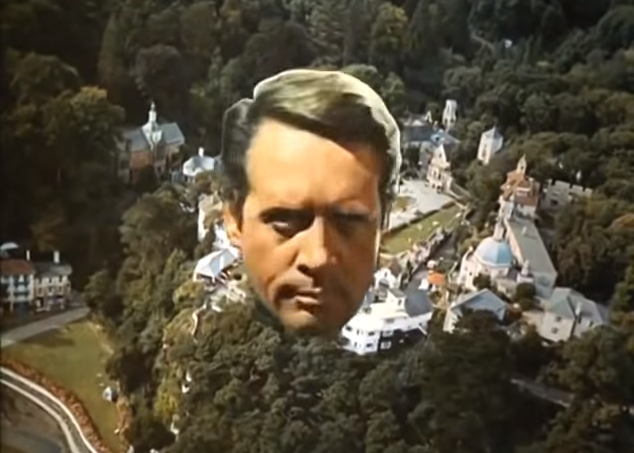
The Image of Number 6 Superimposed Over “The Village”

ddly, “The Village” is a real place: Portmeirion in Wales. You can stay there and dine in its restaurant without being answerable to Number 2.


The Walk to the Dance

John Ford’s Tombstone, Arizona in My Darling Clementine (1946)

I wasn’t feeling all that well late this afternoon, so I switched on the television to Turner Classic Movies (TCM). They were just starting John Ford’s My Darling Clementine, one of the best Westerns ever made. It’s one of those films I’ve seen so often that I could anticipate the actors’ lines and gestures seconds before they appeared on film.

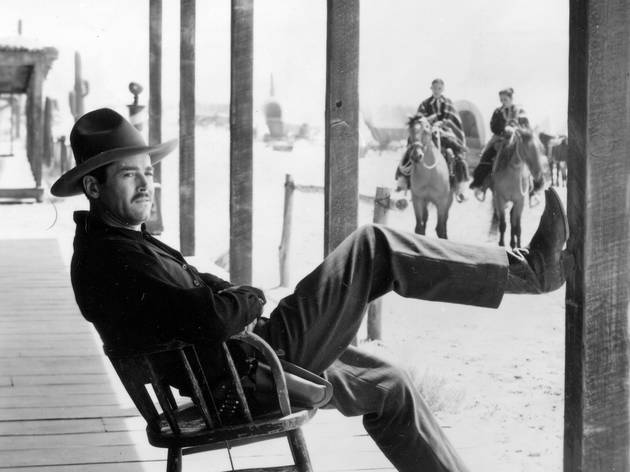
The film contains a whole sequence of what I call privileged moments. These are scenes that send shivers up my spine irrespective of how many times I see the film. The most incredible ones in My Darling Clementine appear in the middle of the film. Wyatt Earp (Henry Fonda) is lazing in a chair on the porch of his hotel, and Morgan (Ward Bond) and Virgil (Tim Holt) Earp are about to leave to visit the grave of their brother James. The Earp brothers notice a number of buckboards filled with people streaming into town. It turns out there will be a dance commemorating the building of a church.

Wyatt Earp Lazing in His Chair

Clementine Carter is about to leave on the outgoing stage, after having been told off by her old beau Doc Holliday (Victor Mature), but it is late that day. So Wyatt and Clementine walk down the main street of Tombstone to the church dance. This scene is conveyed in four or five shots that are among the best in any film I have ever seen. They arrive at the dance, and the church deacon invites them to dance. The scenes of the dance are again Ford at his best, with Wyatt’s stiff movements with the lovely Clementine in his arms. Folded in his arms during the dance is Clementine’s jacket.

Wyatt and Clementine at the Dance

These privileged moments are de rigeur for a film to be considered one of what I consider to be a great film. In future posts, I will try to sketch some more of these scenes—but only as I see the films again and the scenes are fresh in my memory.